Aristide Gumyusenge will receive the 2026 PMSE Early Investigator Award. His recent work includes materials for detectors that monitor toxic gases and polymers that convert biological signals into electronic ones. https://t.co/MLPh6YJpl0
Breakerspace Image Contest Runner-up: Best Electron Microscope Image
Ria Kamat’s surface of a succulent leaf, revealing sunken stomata that help the plant thrive with little water, along with interlocking pavement cells. View all winners and runners-up: https://t.co/sgmaIe5xOF
Steel is everywhere — from bridges to cars to skyscrapers — but making it produces huge amounts of CO2. On the Ask MIT Climate podcast, DMSE Prof. Antoine Allanore discusses efforts to make steelmaking cleaner.
Listen to the episode: https://t.co/bT5kHVBYPc
DMSE researchers developed a low-temperature process for extracting battery-grade lithium from the common mineral spodumene. Read more: https://t.co/AZQ4xTOzNj
Breakerspace Image Contest Runner-up: Best Optical Microscope Image
Pria Sawhney captured the underside of a damselfly abdomen, revealing icicle-like structures on the exoskeleton. View all winners and runners-up: https://t.co/DYB1K5e3Dq
A high-performance steel developed by Gregory B. Olson at MIT has come full circle. After proving itself in Baja 1000 racers and Formula One, Ferrium C61 is now being used in the 2026 electric race car built by the student-run MIT Motorsports team. https://t.co/CLKl2nW1uh
DMSE Prof. Lorna Gibson discusses her latest book, “Birds Up Close” — an engineer’s look at how birds work — on “This Green Earth” on KPCW (Park City, Utah). Listen to the podcast: https://t.co/VKixG1W6IG
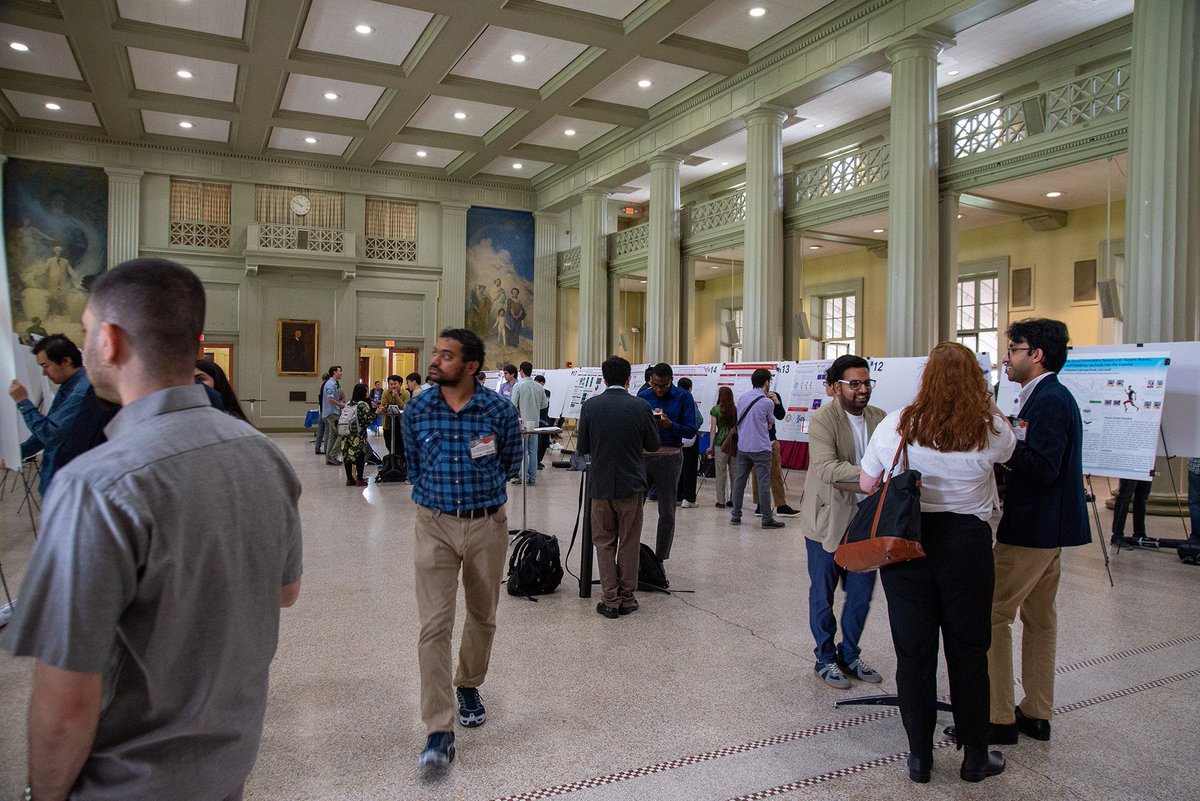
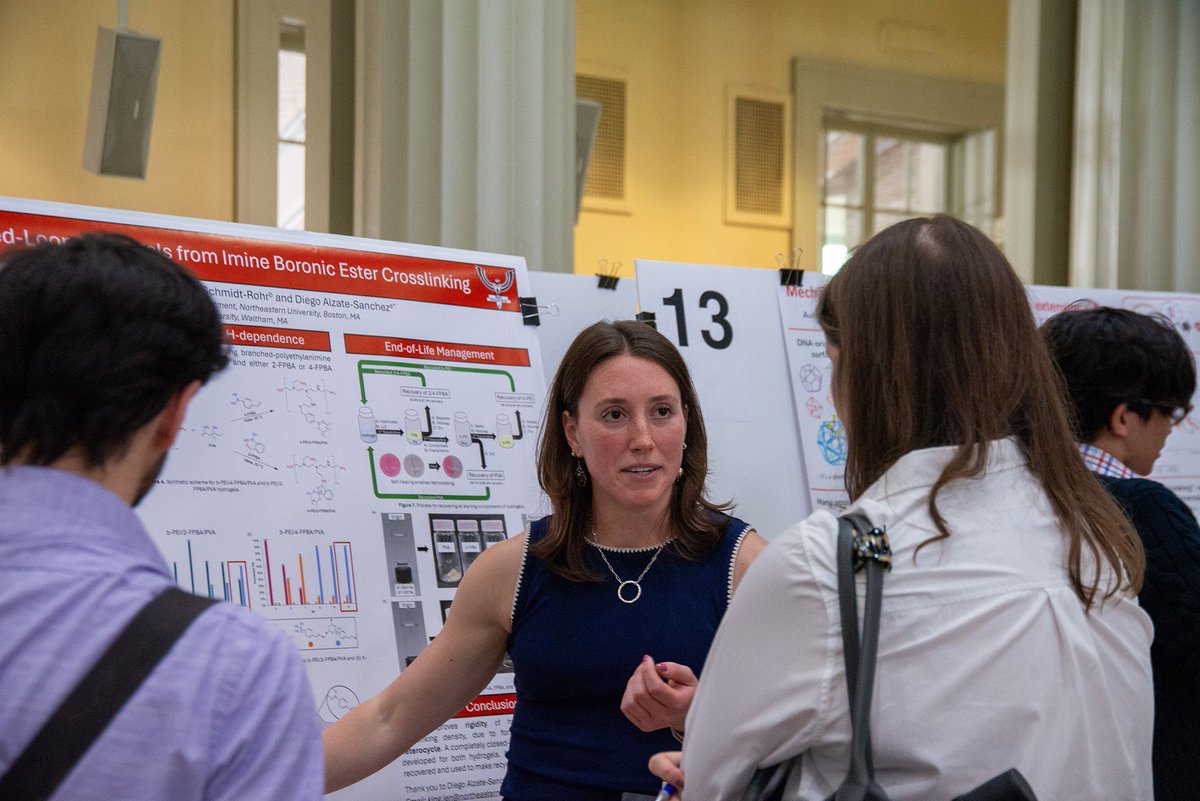
Polymer Day 2026 brought together 82 teams from 18 schools for a poster competition showcasing research in sustainability and decarbonization, health care innovations, advanced manufacturing, and 3D printing.
Senior Nik Sandu combines research in earth sciences and magnetic materials with student teaching and community building. Through MIT’s STEP program, she's working toward her teaching license ahead of beginning a PhD at Dartmouth this fall. @MITEngineering https://t.co/9JSk7UbmVm
Bilge Yildiz led an interdisciplinary team at MIT that demonstrates electrically controlled insertion of hydrogen can reversibly tune conductivity in monolayer MoS₂ ECRAM devices, pointing toward faster and more energy-efficient AI hardware. https://t.co/pz5Y8m6W4Z