Part of the third visit for vernal pool monitoring is to answer the question of “pool substrate” if the pool is dry. This soil texture flow chart provides astep by step instructions on how to texturally determine what the soil is primarily made of.
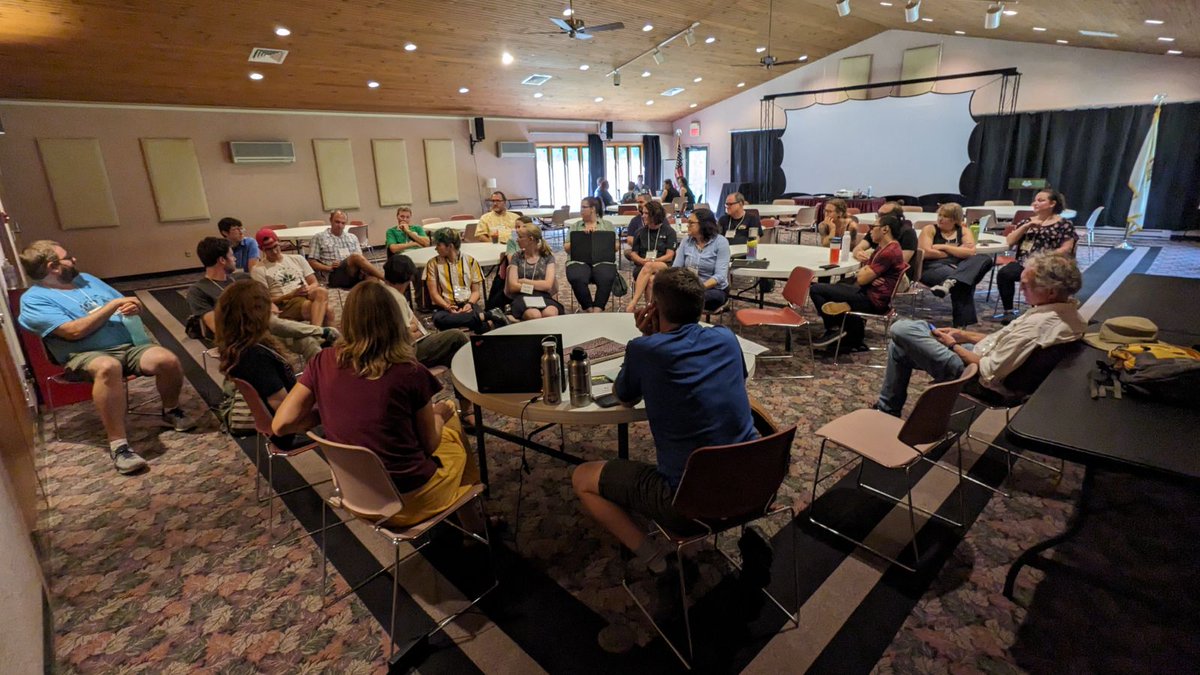
Recovering from our amazing #MWPARC23 Conference over the weekend! 💚 Thanks again to everyone who joined us — in-person and virtually — for the MWPARC 2023 Conference in Makanda, Illinois. #MWPARC2023
Check out the latest issue of the Pool Report! Welcome to six new MVPP partners, a Pool Patrol monitoring summary, student highlights, and you might even find an invitation to a Pool (Patrol) Party... https://t.co/MYcL09qPxT
The Summer 2023 Pool Report comes out next week! Subscribe here to get in your inbox next Friday. Catch the Pool Patrol final spring monitoring stats, welcome new partners, and maybe a pool party invitation…?!?
Subscribe here: https://t.co/tv65xShJDb
An important part of your third vernal pool visit is recording data about the pool when it is dry. The dry phase is when you identify the soil type. We recommend using a Soil Texture By Feel Flow Chart to guide you. https://t.co/hNbkjb2E09
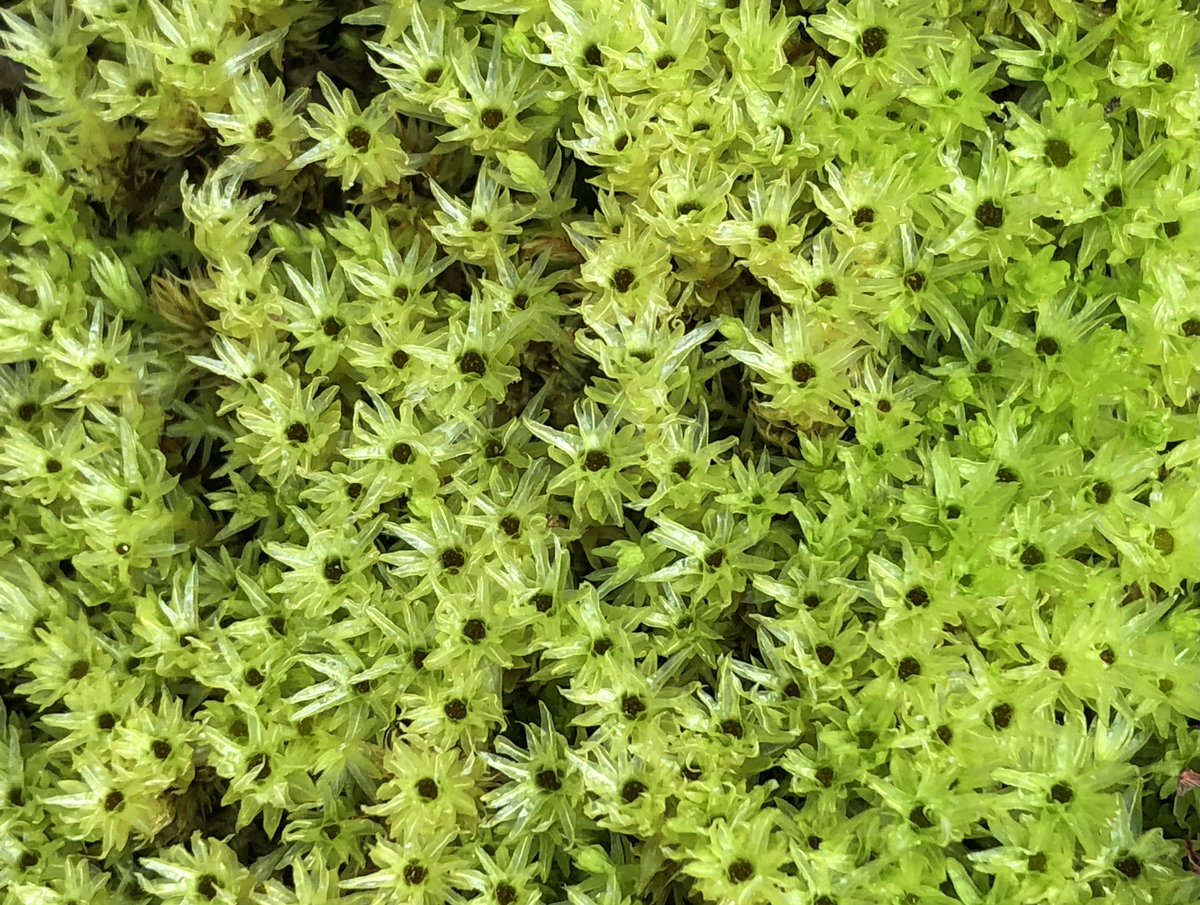
Sphagnum is a genus of over 300 species of mosses. These mosses can constitute a large portion of the vegetation around some vernal pools. They can store substantial water, allowing them to thrive in wetlands. Sphagnum mosses are spread by dispersed spores. #VernalPoolsPlants
The term biphasic life cycle is used to describe typical amphibian development that includes an aquatic and terrestrial phase. Eggs are laid in water and hatch into fully aquatic larvae. From there, they metamorphosize and become terrestrial adults.
Another plant you might observe in and around vernal pools is the shrub Buttonbush, Cephalanthus occidentalis. It is easily identified when it blooms in June to September. Its blooms are characteristic with densely packed, small white flowers that create little pincushions!
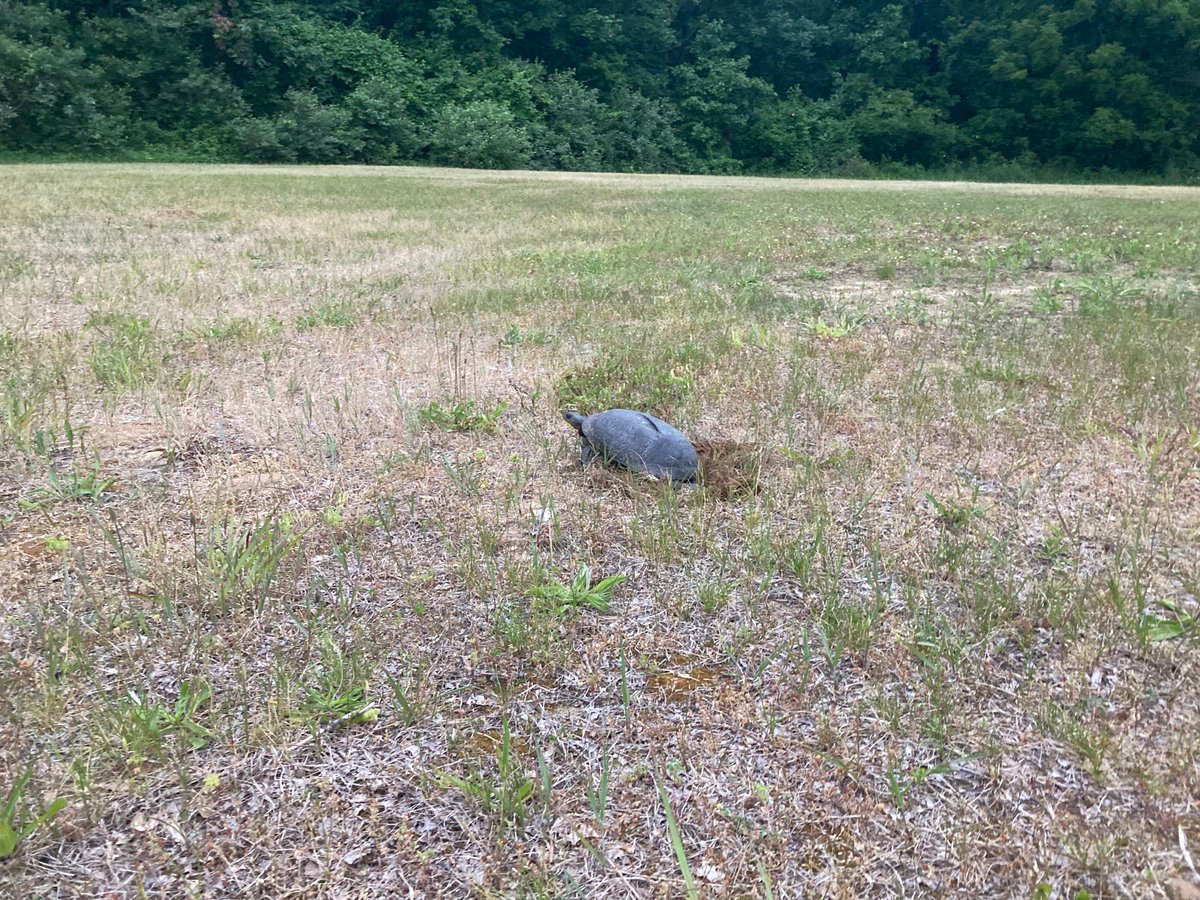
Turtle nesting season is in full force! Many turtles are on the move to nesting sites or have already laid their eggs. This includes vernal pool facultative species, the Blanding’s Turtle. Thanks to Andrew Myers for this photo of a nesting Blanding’s Turtle! #NestingSeason
Today we are talking about sedges! Carex is a vast genus of more than 2,000 species of grass-like plants in the family Cyperaceae, commonly known as sedges. You can often find sedges as the dominant species in marsh pools. #VernalPools#Wetlands#Plants#Ecology#Sedges
Ready to become a leader in local conservation efforts? Check out MSU Extension's "Conservation Stewards" program!
Learn more and register at: https://t.co/PJHi60BF7k
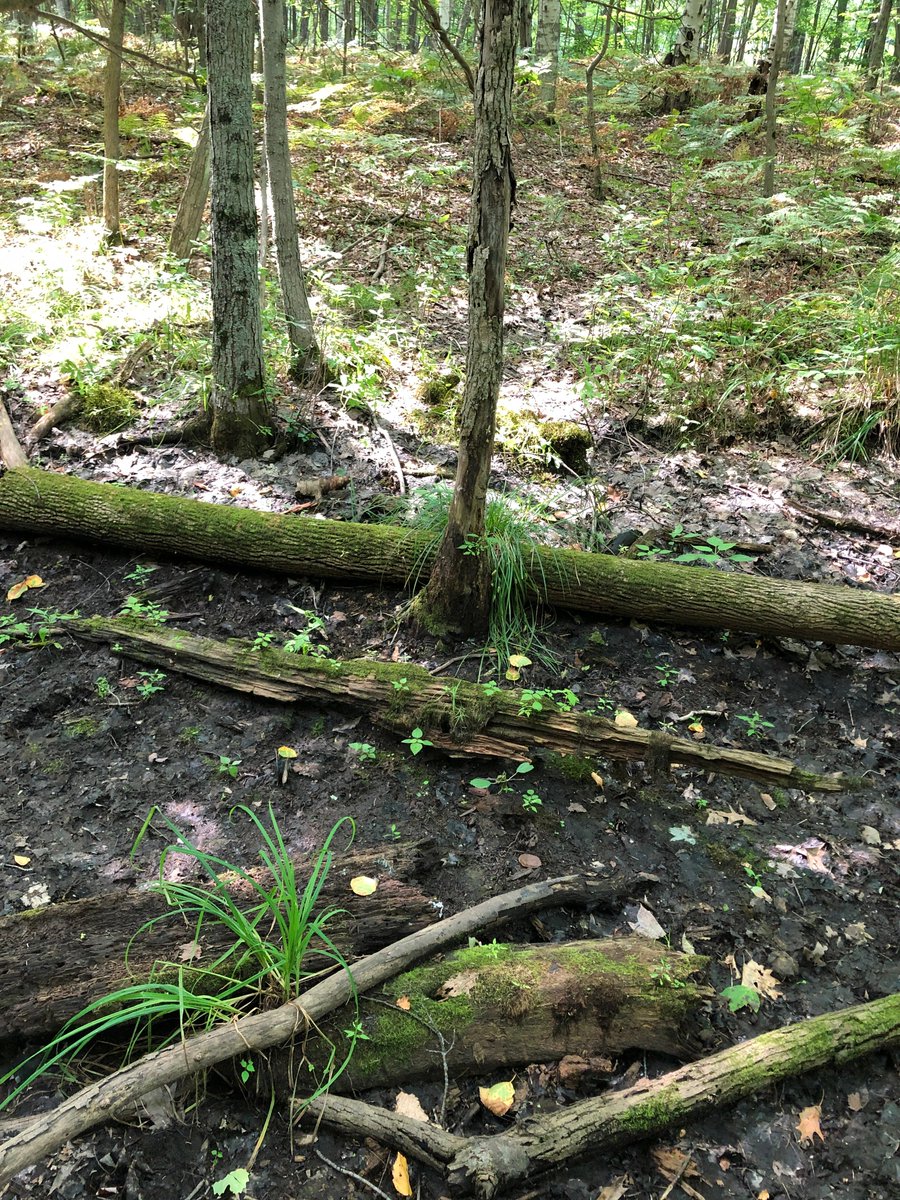
Many vernal pools are dry this time of year, especially in dryer years like we are experiencing now! To identify a vernal pool during it's dry period, the landscape will contain physical clues.
#vernalpools#conservation#ecology
American elm ID tips! (A tree you might find in a vernal pool)
1. Leaves. They are doubly-serrated with an asymmetrical base. The underside of their leaves will feel fuzzy.
2. Touch the bark! The dark, ashy grey/brown trunk of an American elm might feel soft and corky.
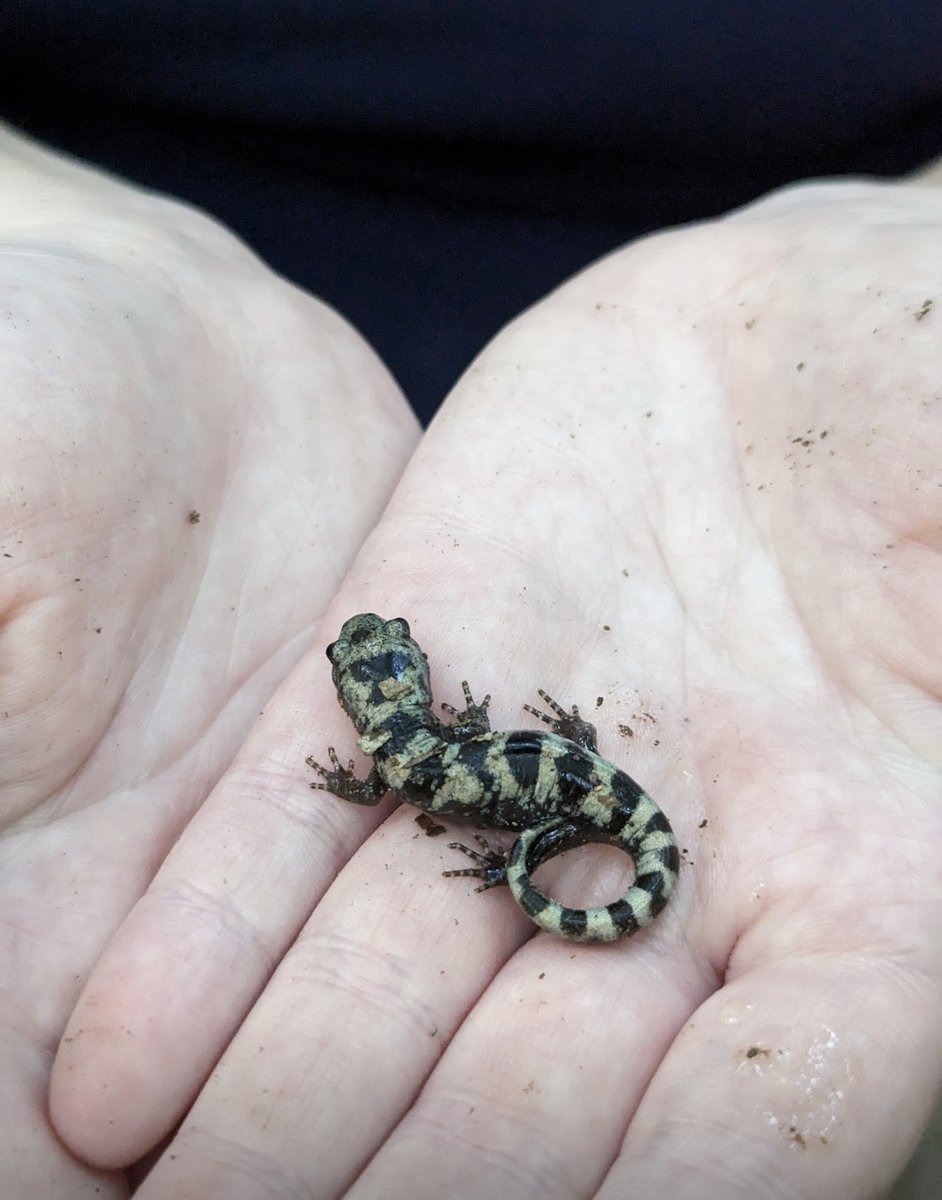
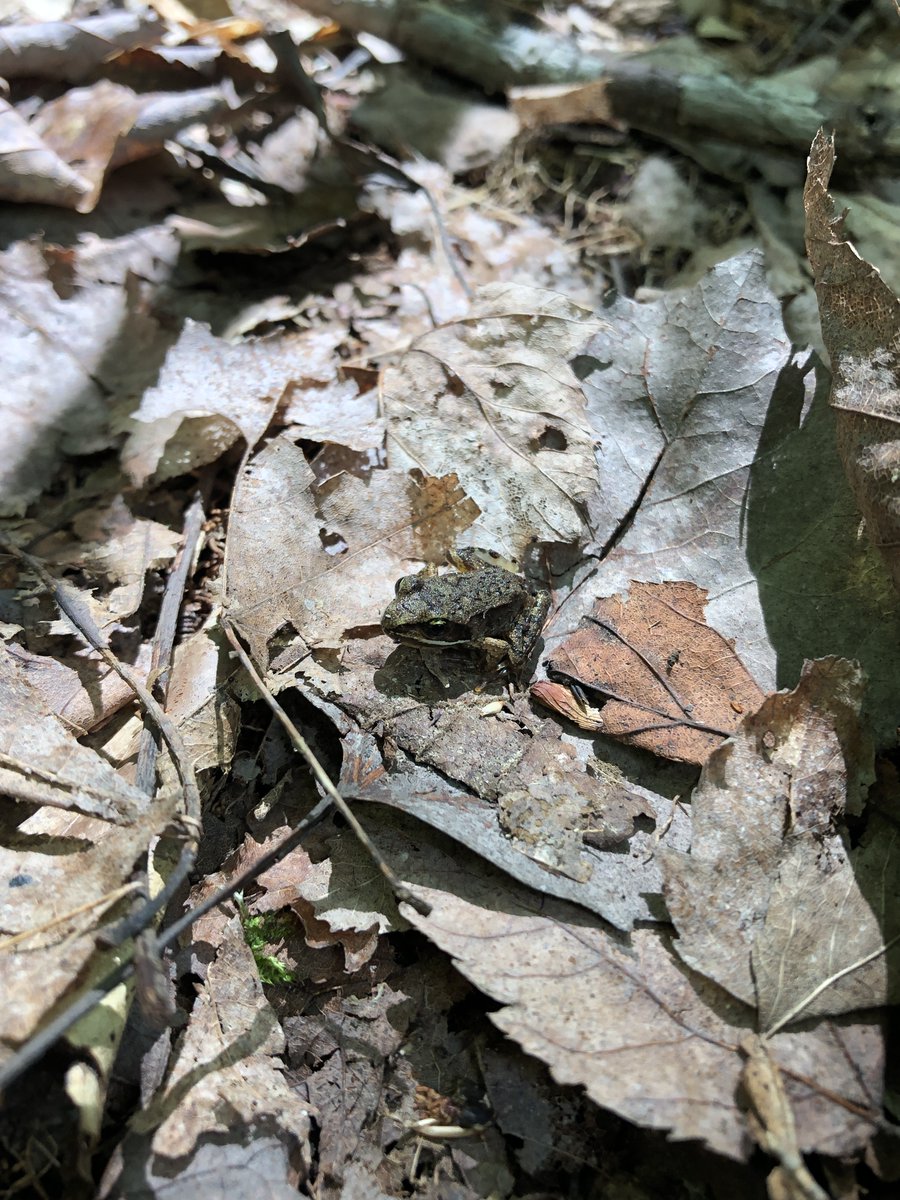
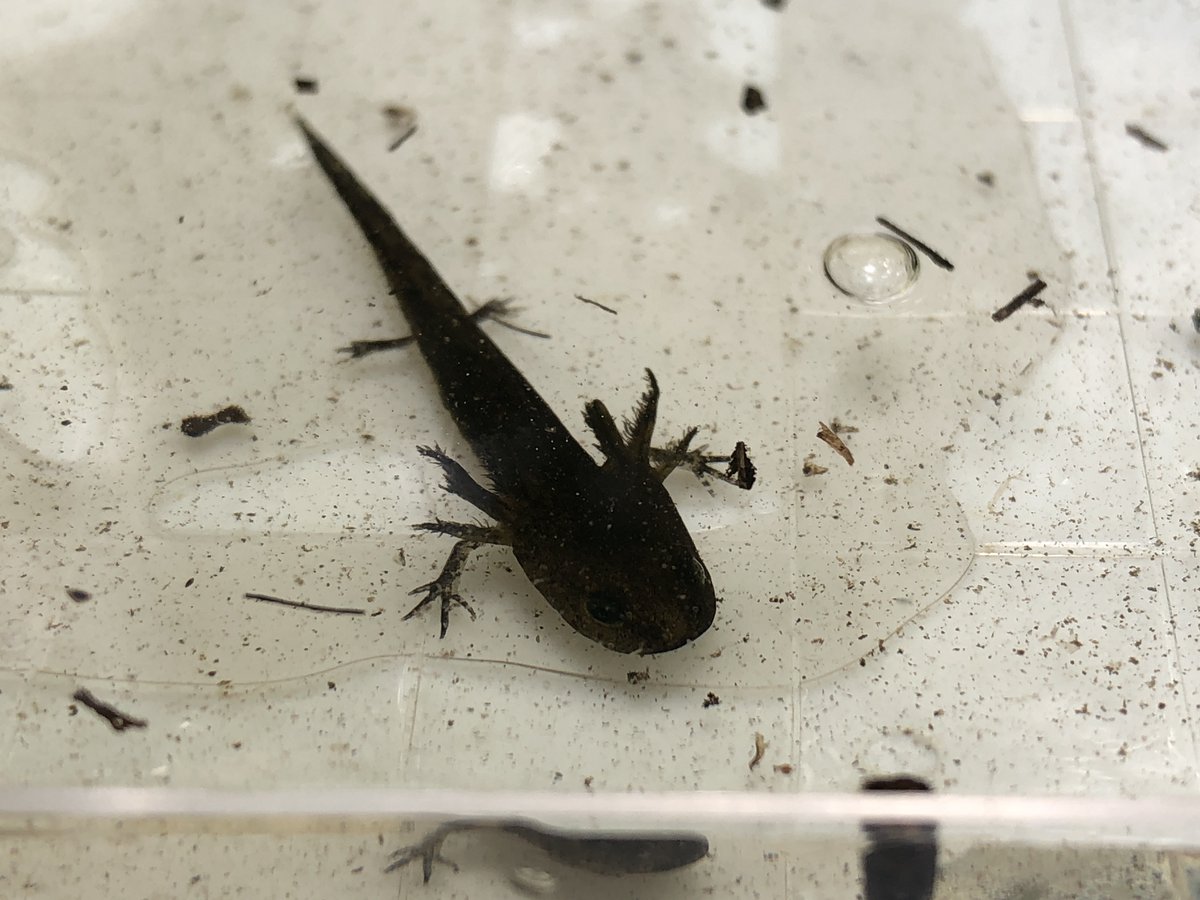
In our vernal pools still holding water Spotted Salamander and Blue-spotted Salamander larvae are growing legs and will emerge as terrestrial juveniles soon. They will then move to the upland forested habitat for the rest of the year. #VernalPools#IndicatorSpecies#Salamanders
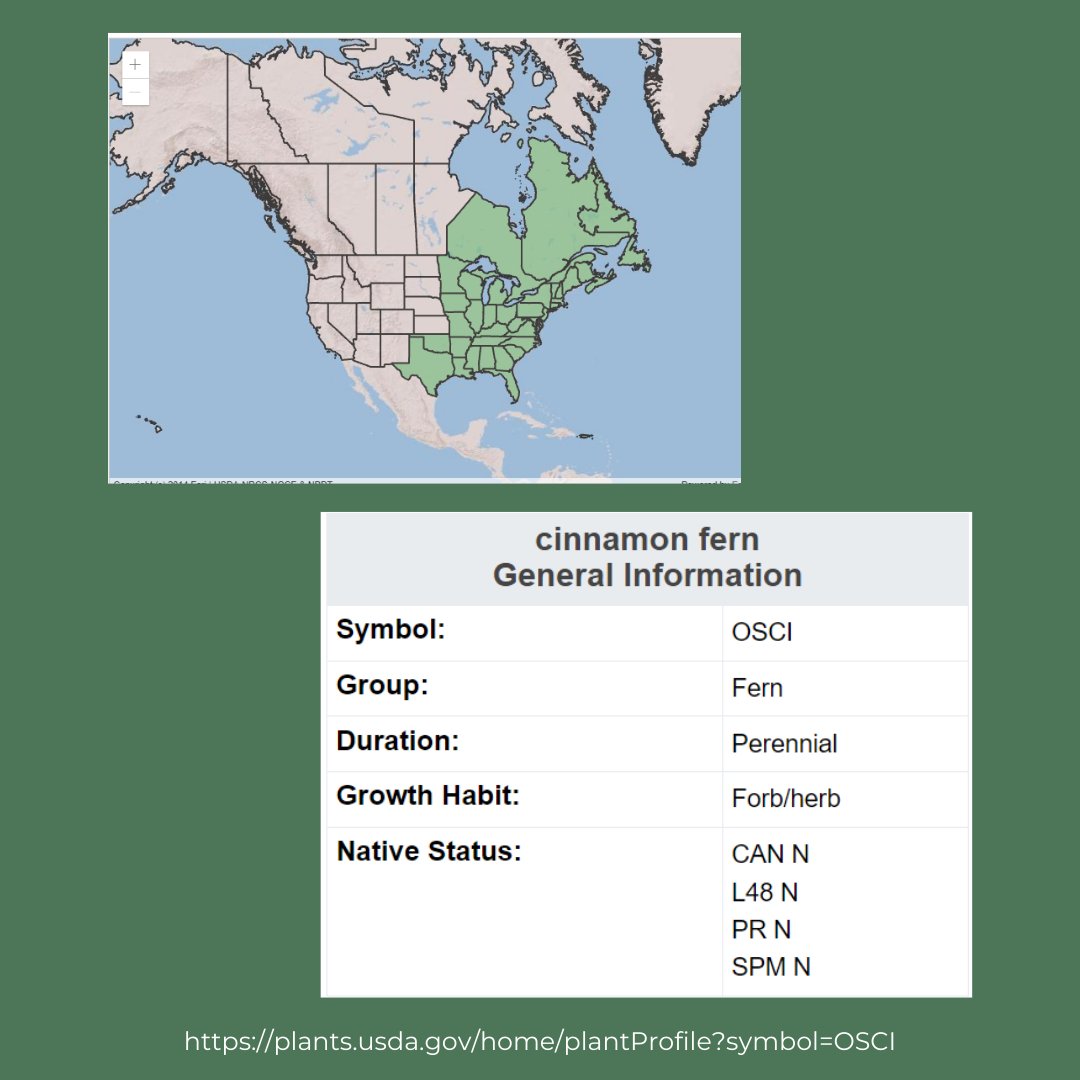
While there are no plant species exclusive to only vernal pools, there are plants commonly found in these habitats. They are usually flood-tolerant plants typically found in wetlands of the local area. A plant commonly found in a vernal pool habitat is the cinnamon fern.