Trademark, copyright, art law for creative businesses & creatives engaging in business. FOIL/FOIA work for reporters & activists. Now at Wissing Miller LLP.
@mckenziewark @CabanD22 Honestly, there are no means to control police violence, because (U.S.) policing is violent by nature. Attempts to control or re-form police violence necessarily fail (e.g., body-worn cameras) and dump more money into policing, reinforcing it as a practice used against us.
blatt: "this case involves a dog toy that...associates [jack daniel's] whisky with dog poop.
artistic relevance has nothing to do w/ confusion.
trademarks necessarily restrict speech...as a practical matter, parodies won't confuse. [so if confusion, no parody.]"
#badspaniels
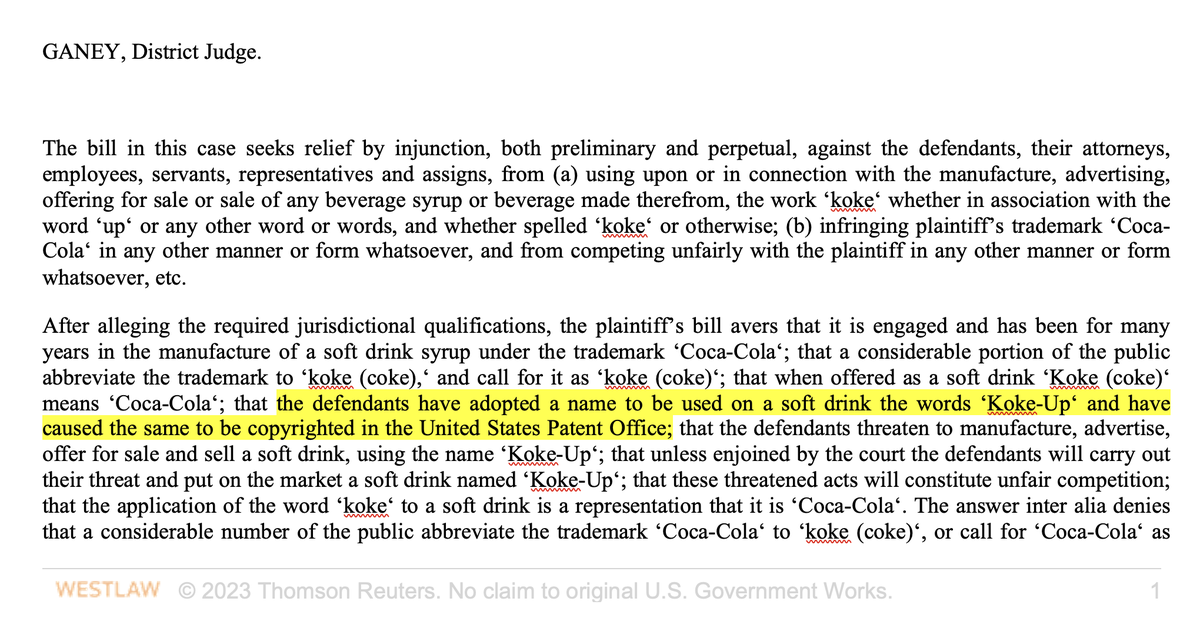
how am i supposed to convince students & journalists & the public that copyright & trademark are different things when federal court judges don't know
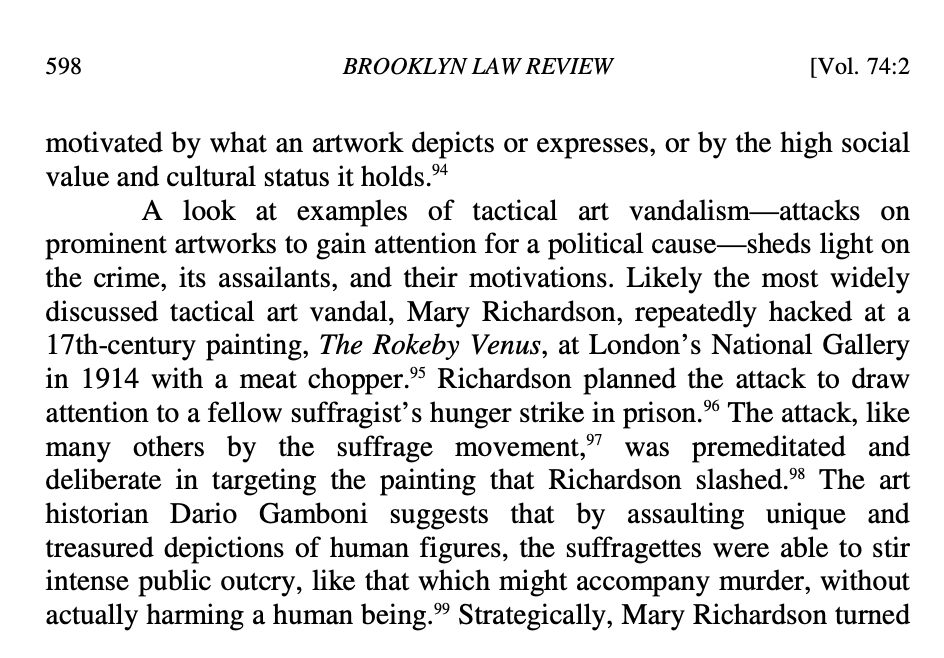
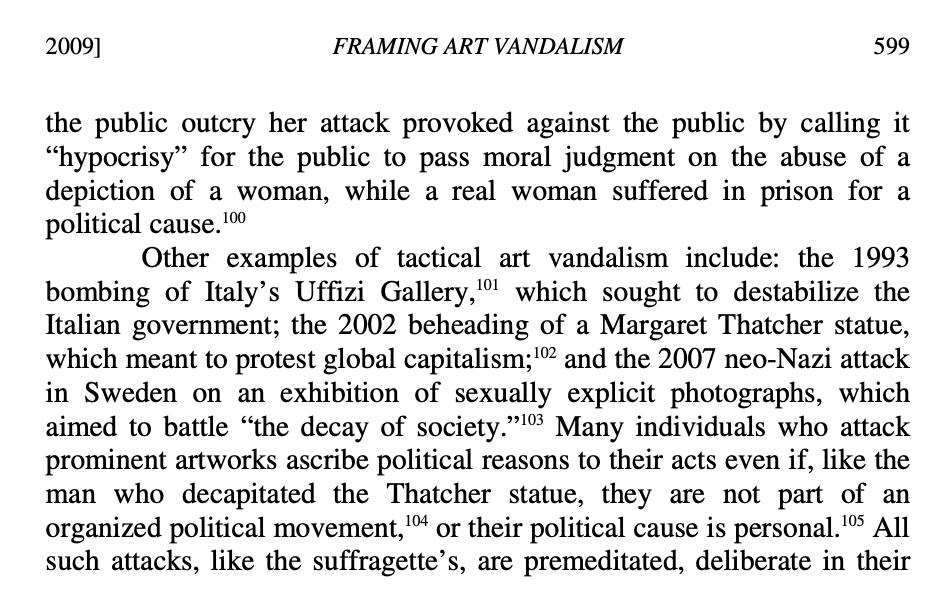
Seems like a good time to mention that the shock value of art vandalism has a long history as political protest ... including in the UK ... see "Framing Art Vandalism" for loads of examples: https://t.co/v83uhUvZj8
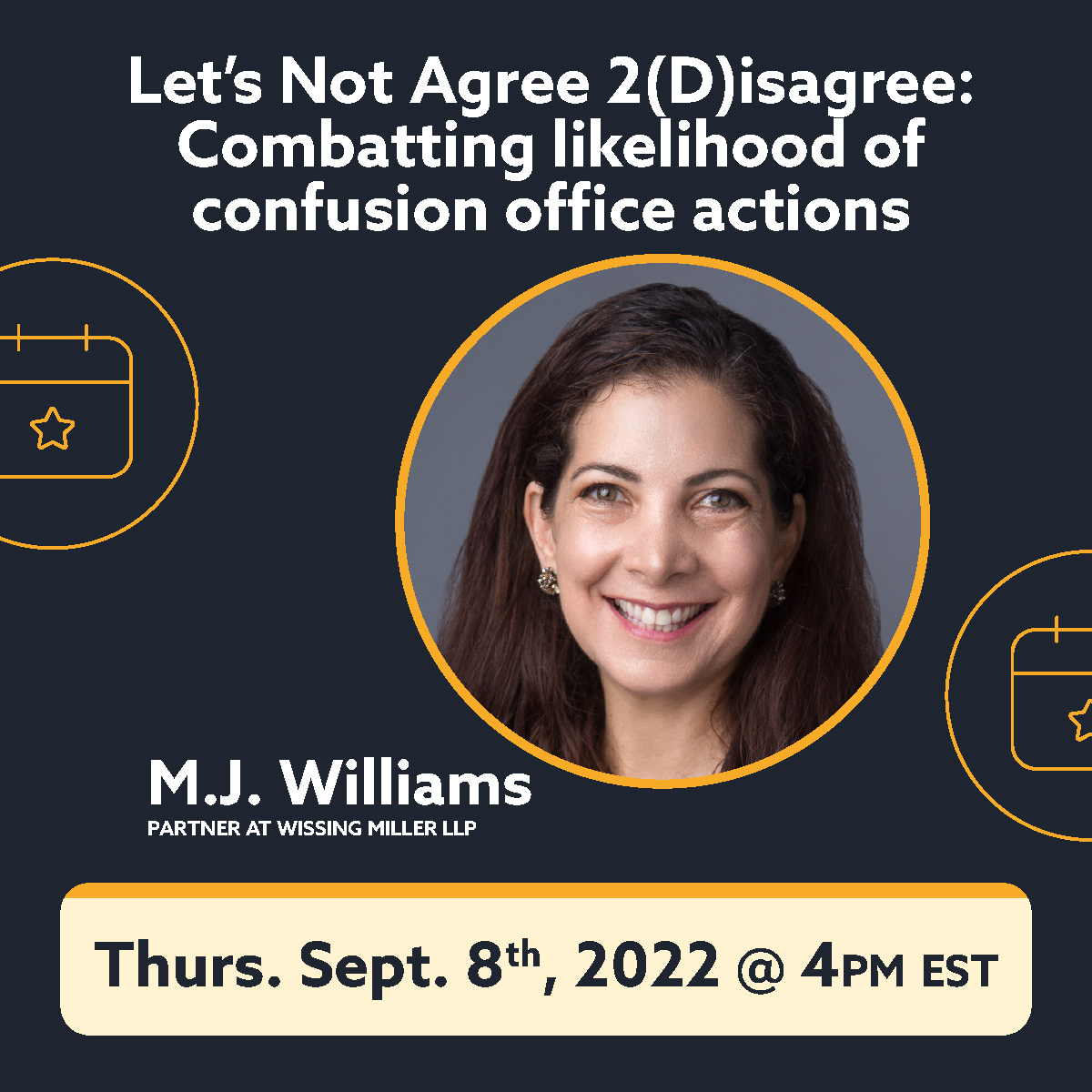
Starting soon! Don’t miss today’s CLE webinar where @MJWilliams_Law will provide you with practical solutions to overcoming §2(d) refusals. Register: https://t.co/Bqv4h8zmxz
The USPTO issues more refusals based on §2(d) likelihood of confusion than any other type of refusal. While common, these OA’s are challenging to overcome. Join our webinar with @MJWilliams_Law and learn practical solutions to §2(d) refusals. Register: https://t.co/00zDmC0wVQ
Who's coming next Thurs., Sept 8?? It'll be fun and informative.
I'll share tips from 13 years of maintaining U.S. trademark applications refused for likelihood of confusion with registered or prior-filed marks.
Register with the good folks @AltLegalHQ : https://t.co/Zwy1G8IdCm
The USPTO issues more refusals based on §2(d) likelihood of confusion than any other type of refusal. While common, these OA’s are challenging to overcome. Join our webinar with @MJWilliams_Law and learn practical solutions to §2(d) refusals. Register: https://t.co/l7bIsUE2SB
The USPTO issues more refusals based on §2(d) likelihood of confusion than any other type of refusal. While common, these OA’s are challenging to overcome. Join our webinar with @MJWilliams_Law and learn practical solutions to §2(d) refusals. Register: https://t.co/l7bIsUE2SB
Despite increasing settlement payments, encouraging outrage at taxpayer $ awarded to people harmed by NYPD creates bad incentives that lead city pols to ensure that less people receive even this totally inadequate relief ($ ≠ justice or healing).
Let’s shelve this argument?
And when the people wrongly arrested sue, the City defends the cops & pays out over $100 million in settlements each year just for the NYPD. Which, no surprise, this year's lawsuit settlements are on track to surpass the highest amounts in recent history. https://t.co/IdxsUP07ZR
This isn’t to critique any economic argument that NYPD should receive less money (or rather NO money).
But seeking to reduce payouts to people hurt by NYPD or even highlighting high settlement sums to folks, disincentivizes $ as (inadequate) relief, all while NYPD keeps NYPDing.