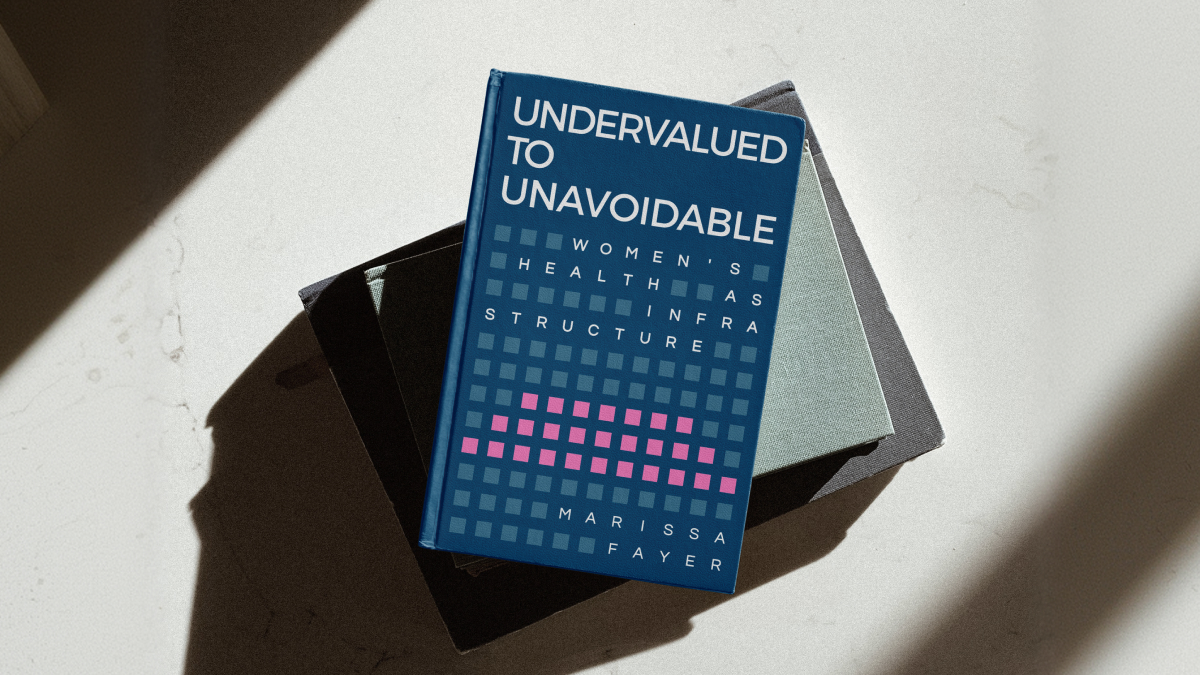
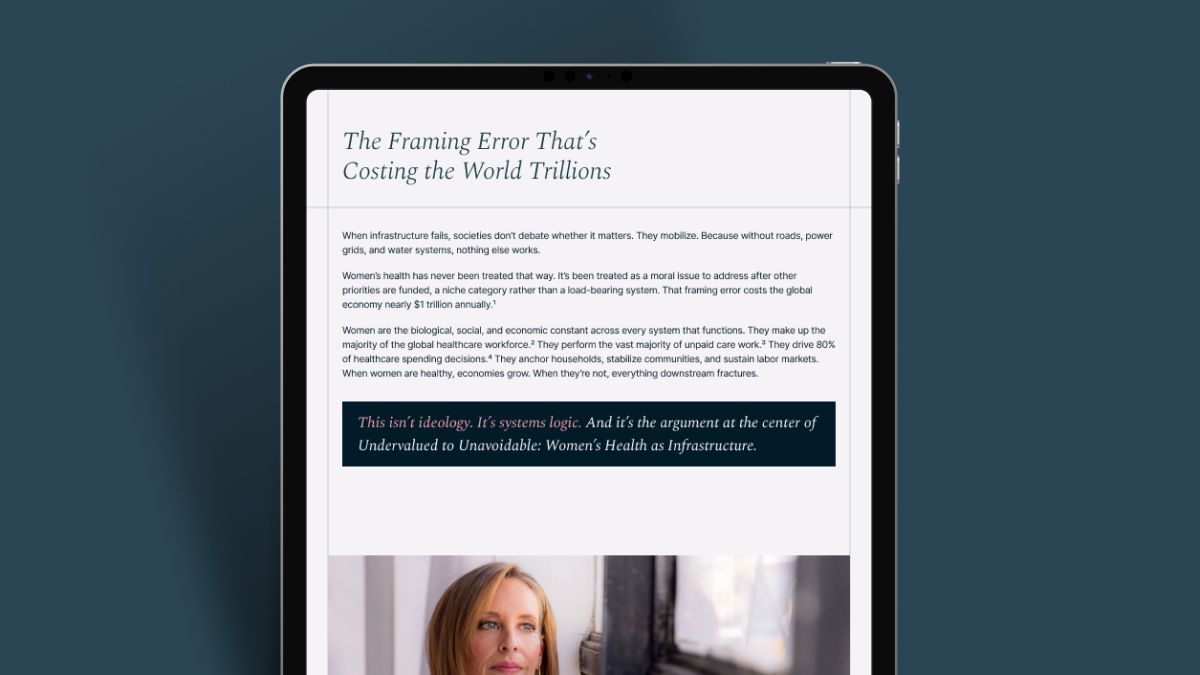
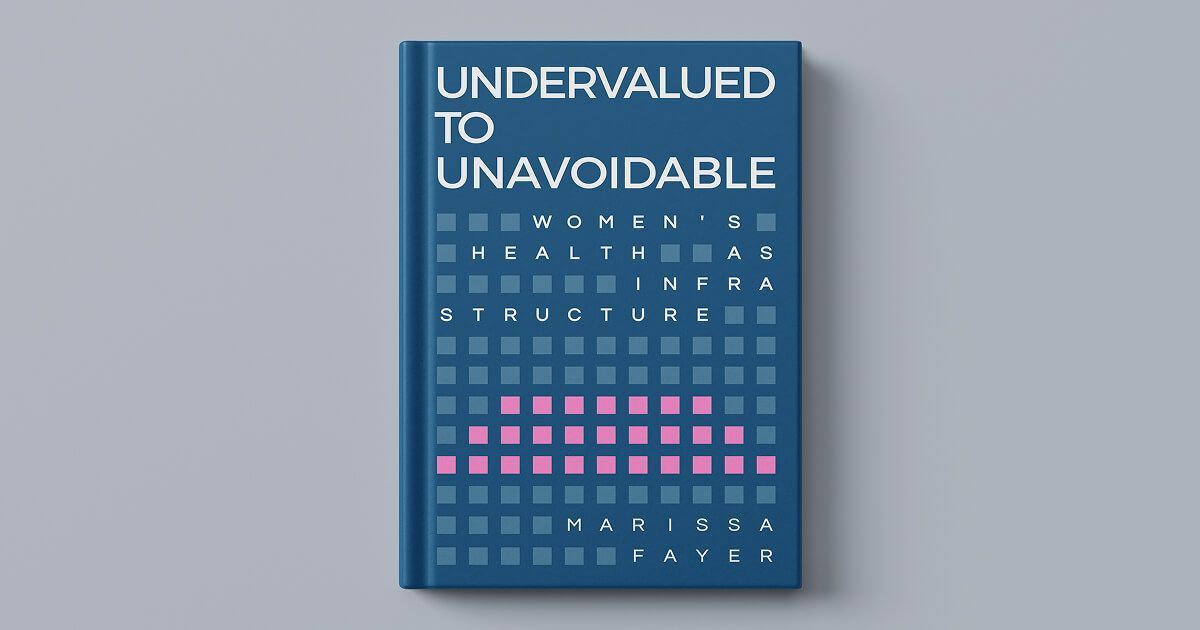
McKinsey estimates that closing the women's health gap is a $1 trillion opportunity. That's not a healthcare statistic. That's a business failure. I wrote the playbook. Preorder Undervalued to Unavoidable: Women's Health as Infrastructure: https://t.co/y4fJUD33aO
Equity can feel unfair to people who have always benefited from equality. I didn't used to say that out loud. After years in rooms where the word lands like an accusation, I think avoiding that tension is exactly why we aren't making more progress.
https://t.co/UrypLpsk0f
The data on women's health isn't missing. Awareness isn't missing. What's missing is action. I wrote this book because agreement wasn't producing outcomes, and I wanted to know why. It's the translation from values to revenue, risk, and return.
https://t.co/y4fJUD33aO
If you've been following this argument and still aren't sure whether the book is for you, the Executive Summary is out, free. It's the distilled version. The thesis, the framework, and the places it translates into a decision. Download: https://t.co/em2l7Wa7Aj
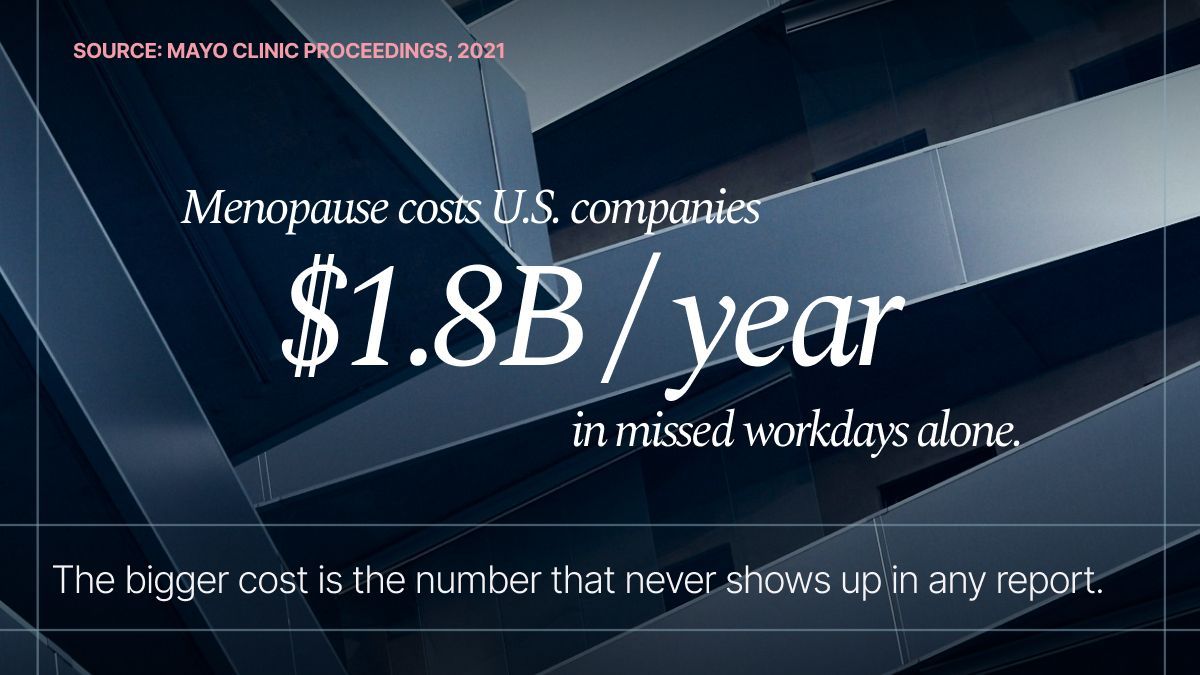
Your HRT coverage isn't the answer. It's a band-aid. Menopause costs U.S. companies $1.8B/yr in missed workdays (Mayo). The bigger cost is the 50-year-old VP who stops raising her hand for the next role, and never gets coded as menopause.
https://t.co/gKeH7rYZAD
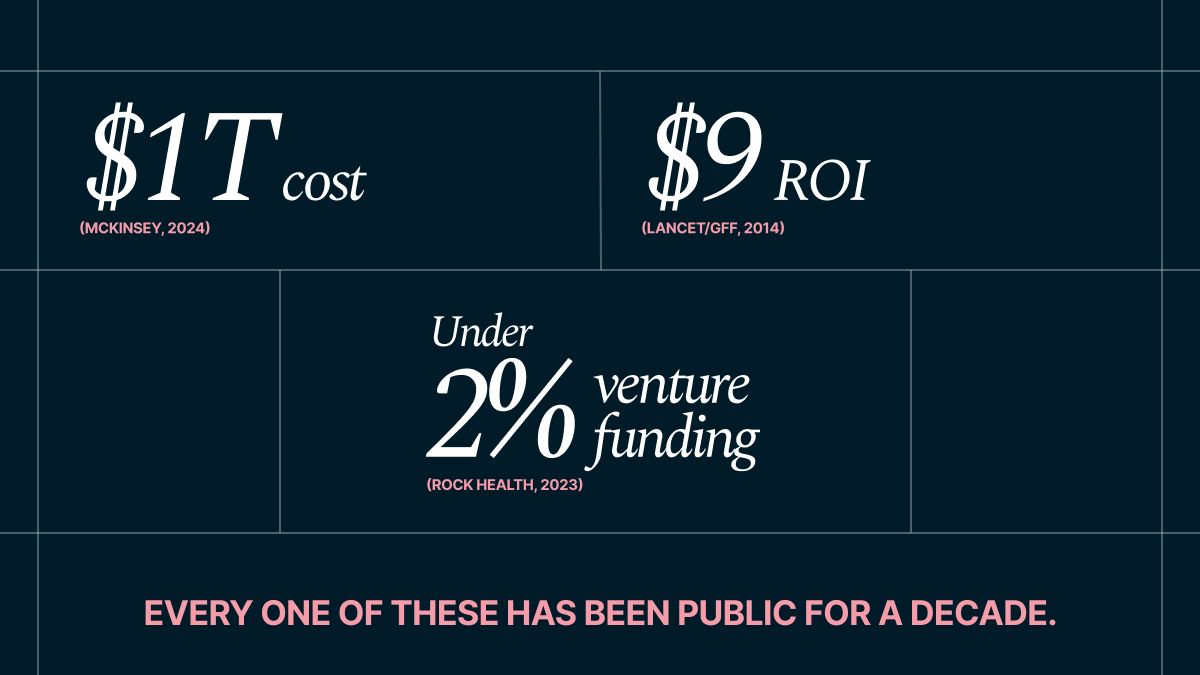
The WEF published State of Women's Health in Numbers last month. Here's the thing. None of those numbers are new. McKinsey had them in 2024. The Lancet had them in 2014. We don't have an awareness problem. We have a courage problem. https://t.co/y4fJUD33aO
I've been arguing for two months that women's health is infrastructure, not a cause. Agreeing with the argument isn't the same as operationalizing it. The Women's Health Infrastructure Scorecard shows you where your company actually stands. Ten minutes. https://t.co/p4Npyw1QFT
We're five weeks out. The book is the investment case and framework. What comes after is taking it into the boardrooms and institutions where capital allocation decisions are made. The data exists. What's been missing is the playbook. Preorder now: https://t.co/y4fJUD33aO
Today is World Women's Wellness Day. Wellness isn't a consumer product. It's the outcome of a system that actually works. The system doesn't work yet, but McKinsey estimates the investment case for building it is worth $1 trillion annually. #WorldWomensWellnessDay
I run an FDA-cleared AI diagnostics company for a condition I personally live with. I also co-founded a nonprofit that has reached more than 123,000 women across 12 countries. Same thesis, different angles. Women's health is infrastructure.
People keep asking what the book covers. Three parts: the landscape (what's broken and why, sourced to WHO/McKinsey/The Lancet), the framework (how to redesign it), and the action layer (what to do Monday morning). Preorder Undervalued to Unavoidable: https://t.co/y4fJUD33aO
First-time women's health investors say they believe in the market. Then they underwrite it like charity. Venture funding for the sector is below 2% of health investment (Rock Health, 2023). The sector doesn't need more tourists. It needs real partners. https://t.co/y4fJUD33aO
A friend in Costa Rica told me: "Equity isn't about having the newest machine. It's about making sure no one is invisible." We got a mammography machine to a region where women had stopped being screened. The mortality rate dropped tenfold.
Someone raises women's health in a boardroom. Eyes glaze. The room drifts back to revenue. The reaction isn't malicious, it's structural. The fix: stop leading with the moral argument. Start leading with the business case. https://t.co/FkblRknEx9
Today is World Health Day. Women were excluded from most clinical trials until 1993. Equal access to a system built on that exclusion is not equity. The architecture itself needs rebuilding. #WorldHealthDay
McKinsey estimates the women's health gap costs the global economy $1 trillion a year. Venture funding for the sector is below 2% (Rock Health). Women weren't even included in most clinical trials until 1993. The drag is structural and it's already priced into stagnation.
I didn't write about women's health from the outside. I've spent 25 years building inside it. There's a difference. Preorder Undervalued to Unavoidable: Women's Health as Infrastructure: https://t.co/y4fJUD33aO
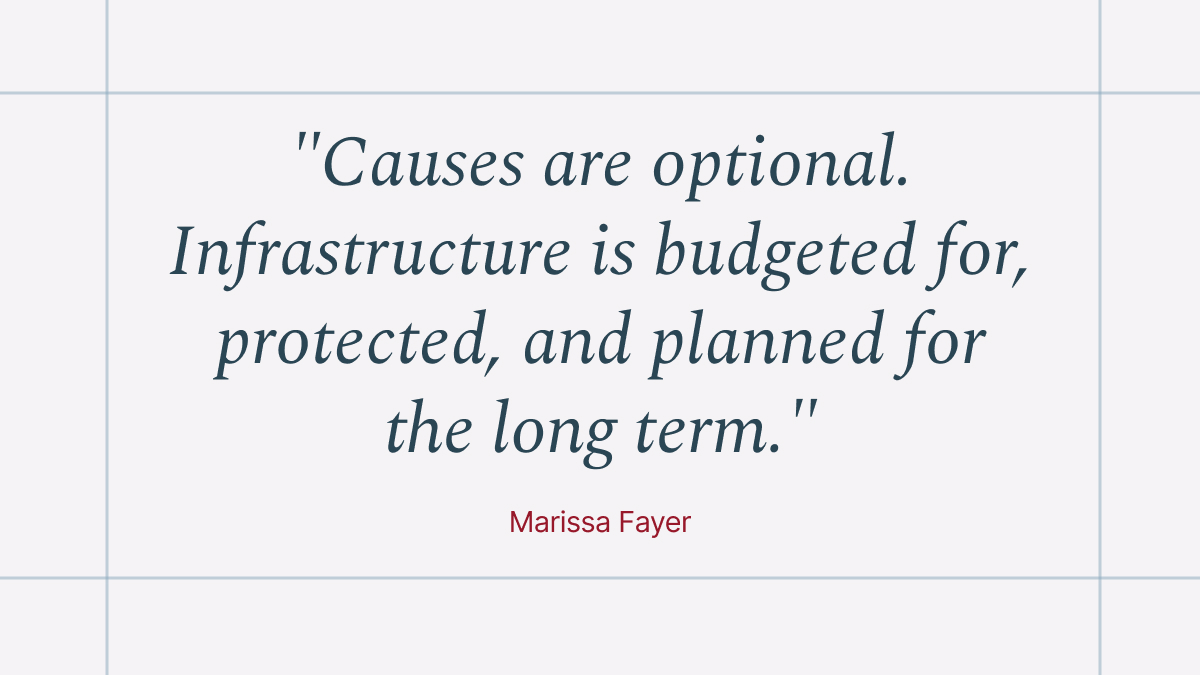
I used to call women's health a cause. Then I realized that causes are optional and infrastructure isn't. That single language shift changed every conversation I had with investors and policymakers.