I pray to God that the president-elect throws away Project 2025. I think it would be an economic disaster.
I believe the only way for a president to lead America is to lead all of America.
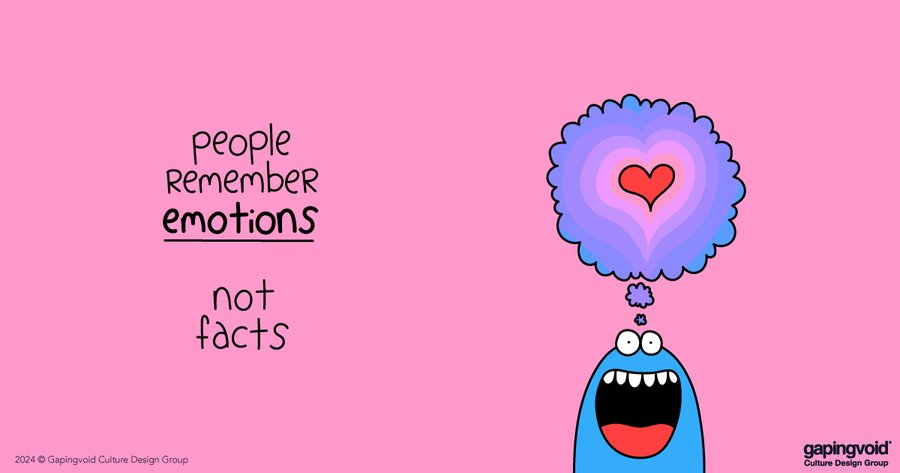
One of the things we often get wrong in health & care improvement is prioritising performance improvement (process-technical aspects) over the emotional experience of participants. We need to make consideration of emotional factors one of our highest priorities in change initiatives. This includes:
1) how we make connections with values, through emotions, to engage people in change &
2) appreciating emotions & related cognitions & behaviours surrounding events during change.
See: https://t.co/cpQsfsNVds Via @StevenHCady. Graphic: @gapingvoid
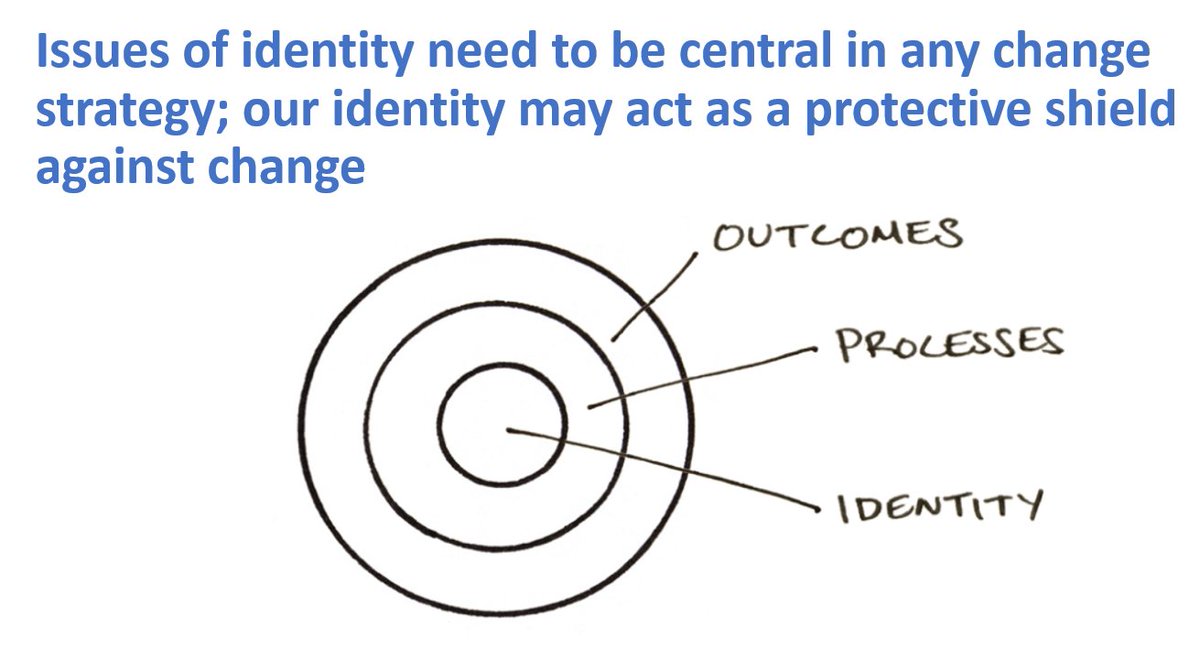
Issues of identity need to be at the centre of any change strategy. People's sense of identity can act as one of the strongest barriers against change. We form attachments to people, roles, labels, behaviours & ways of thinking. When these are threatened, we may see it as an outright attack on our identity. We resist things that challenge our perceptions of ourselves, including loss of status.
Helping people navigate the fear of losing their identity & see new possibilities emerge is crucial for successful change outcomes: https://t.co/3MTSYa8V76 By @Digitaltonto
What is the difference between systems thinking & design thinking?
Systems thinking zooms out: it's about understanding the interconnection of parts (relationships, structures, thinking, culture) within a larger whole.
Design thinking zooms in: it's about appreciating people's individual needs & combining them with what is technically feasible & economically viable to create new & better solutions.
We often create the best insights for change when we zoom in AND out, combining analytical, big-picture systems thinking with creative people-centered design thinking. A great resource from @ideo that explains this: https://t.co/X6g3gYSbQq
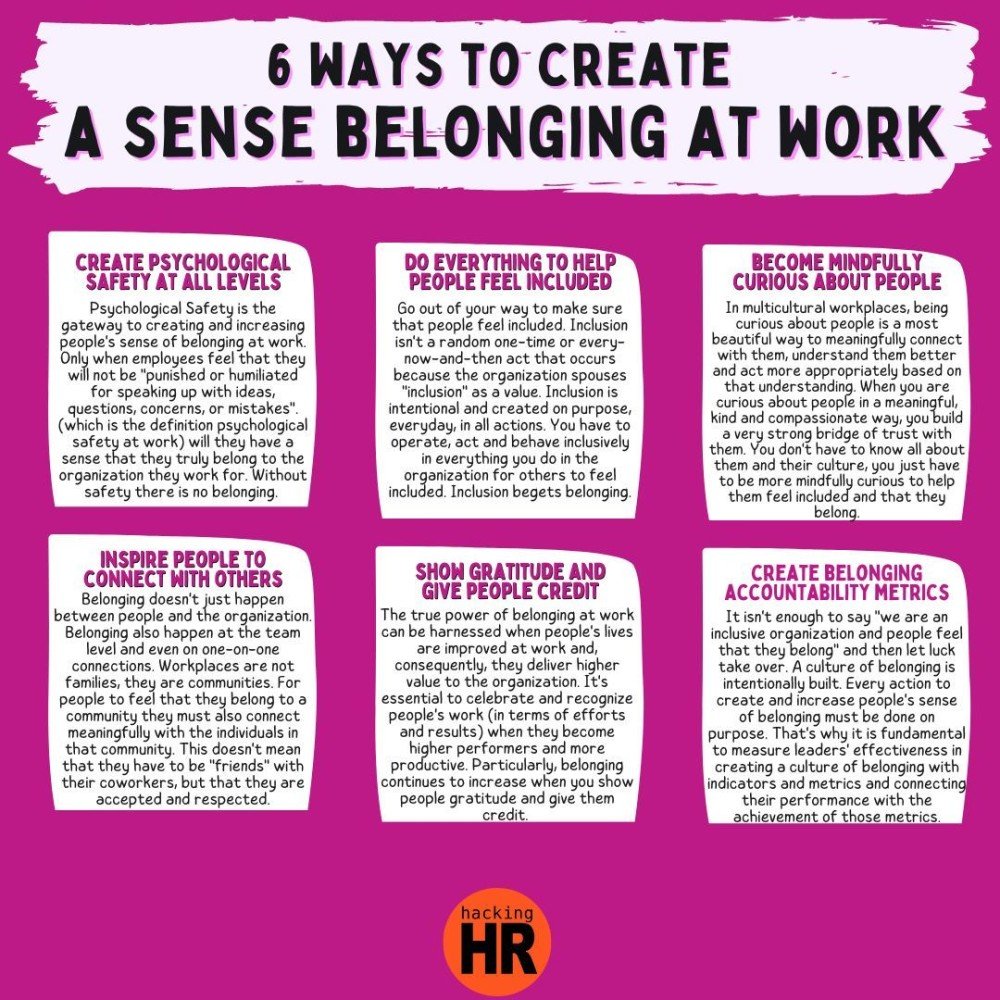
I'm preparing to record a film on "belonging at work" for an MBA module. Belonging creates a profound sense of connection & validation at work. When we feel we belong, we thrive & so do the people around us.
We feel a sense of belonging when we:
1) are seen for our unique contributions;
2) bond with the people we work with
3) are supported in our daily work & career development;
4) `feel proud of our organisation’s values and purpose.
We need to build belonging not just within our home work teams but for project teams & multidisciplinary/ cross-cutting teams. It's one of the most powerful ways to boost the conditions for better outcomes.
Content & graphic from an inspiring piece by @hacking_hr https://t.co/DNGs6moS0B
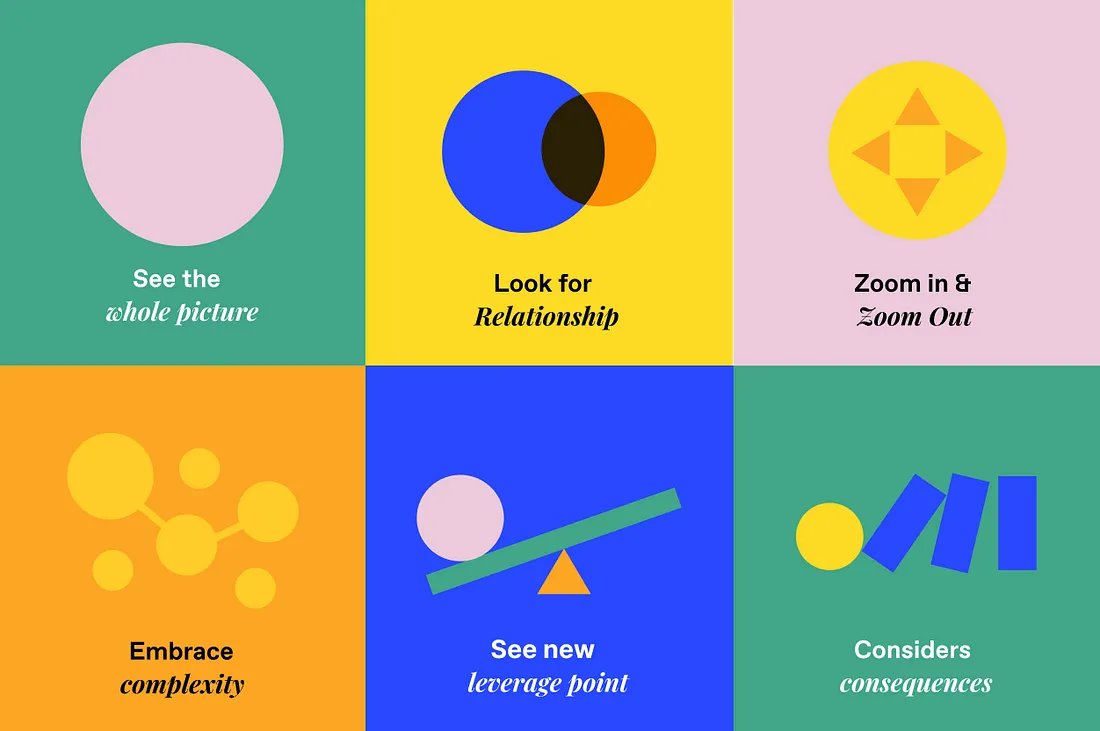
Some perspectives that can help us when we are seeking to improve a system:
1) See the whole picture rather than parts in isolation
2) Look for relationships among different parts of the system
3) Practice zooming in and zooming out to see different perspectives
4) Embrace complexity and value progress over perfection
5) See new leverage points rather than fixate on where the problem arises
6) Consider unintended consequences that may arise from an intervention
https://t.co/eVtairHZ4A By Ketut Sulistyawati from @SomiaCX
@erdocmom @drsaminaali It is hard to know what to say after recent events in Israel and Gaza. There is so much suffering in the Middle East and so much sadness and uncertainty here for Jews and Muslims 😞. Sending hugs. I wish we could all just feel safe and accepted wherever we are.
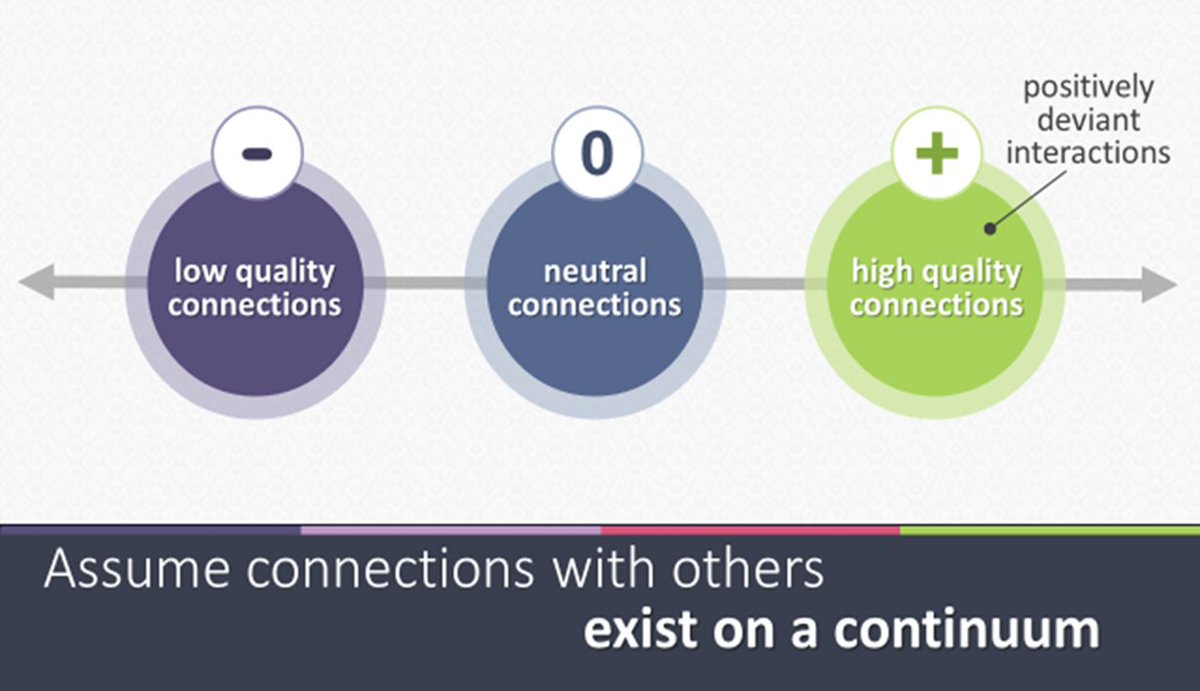
Having high quality connections with others increases our overall well-being & sense of belonging, bolsters our psychological safety & makes us & our teams more resilient. Connections are "micro-bits", moments of interaction that can be created in seconds that help shape strong working relationships. Four ways to build high quality connections:
1) "Respectful engagement": communicating respect in small moments
2) "Task-enabling": helping others succeed in what they're trying to do
3) "Trusting": small moves that signal trust
4) "Playing": creating small moments of playfulness or fun that fit with what we are doing in a momentary interaction
https://t.co/oxcKxcJsrR
Via @GreaterGoodSC
Gotta say, I am overwhelmed with admiration for my colleagues in @UCalgaryMed Endocrinology.
Our team is doing paradigm challenging & life-changing work in #diabetes. And the key to the success? They work in lock step w/ patient-partners. Heart is singing.
Quick summary: 1/5
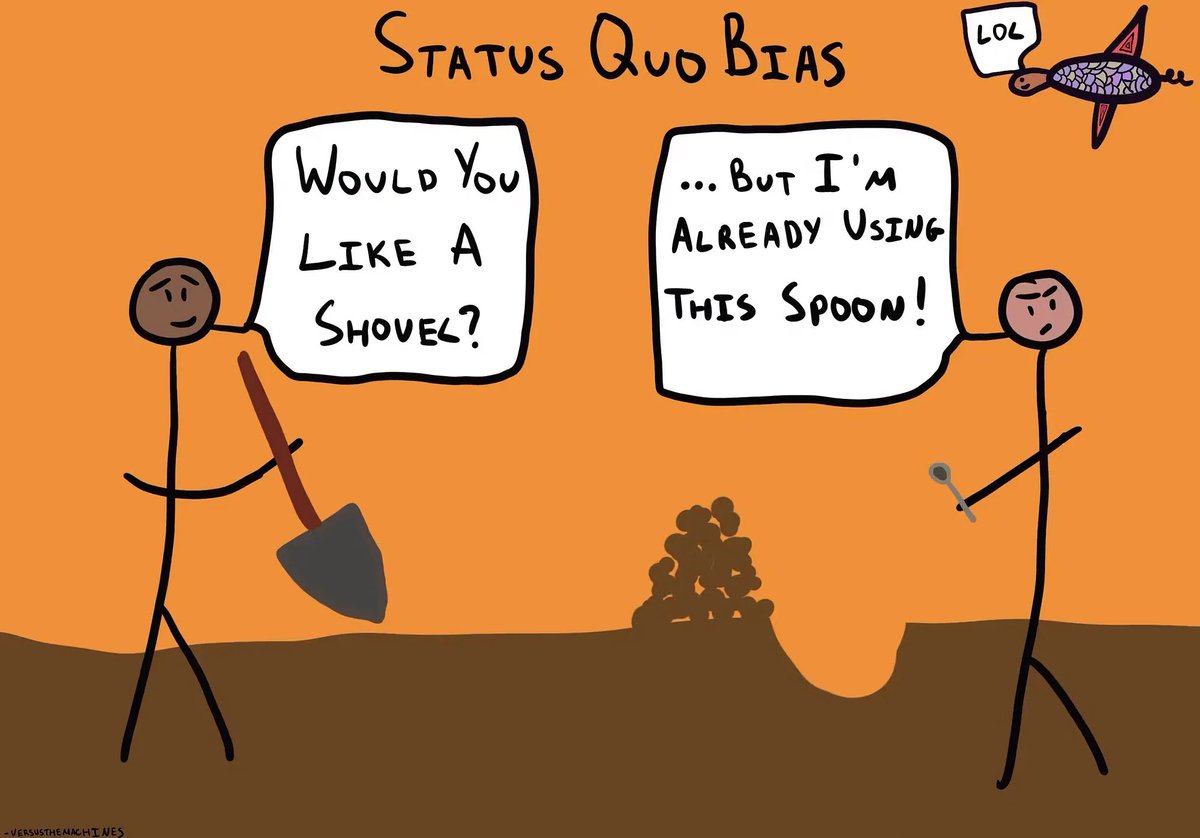
Being a leader of change means challenging the status quo. This can be tough. People have a "status quo bias". Behavioural economists tell us the fear of what might be lost is twice as strong as the hope of what might be gained. The more we are invested in something, the harder it is to abandon it. Strategies to challenge the status quo:
1) Take time to understand why/how things are as they are currently; be curious.
2) Start small, try out/test new ways of working and take things step by step.
3) Communicate your change vision effectively, backed up by data, framed in a way that resonates with people.
4) Be open to having your own ideas challenged.
5) Celebrate small wins & foster a culture of continuous improvement.
https://t.co/YQbvK3D2E0 By @ridhimagupta. Graphic: @thedecision_lab
I’ve been pretty quiet here lately.
Survival mode.
I’ve worked in an inner city hospital for two decades.
I’ve never seen it this bad before.
If you haven’t seen someone dying on our streets,
You’re averting your eyes.
Toxic opiates are the symptom of inhumane politics.
As I pulled my resident aside after a tough day doing regional anesthesia, I asked the same first question I always ask when I have clinical competency concerns,
“How are things at home?”
Most of the time the answer is “fine.”
This time the answer was “I have cancer.”
1/
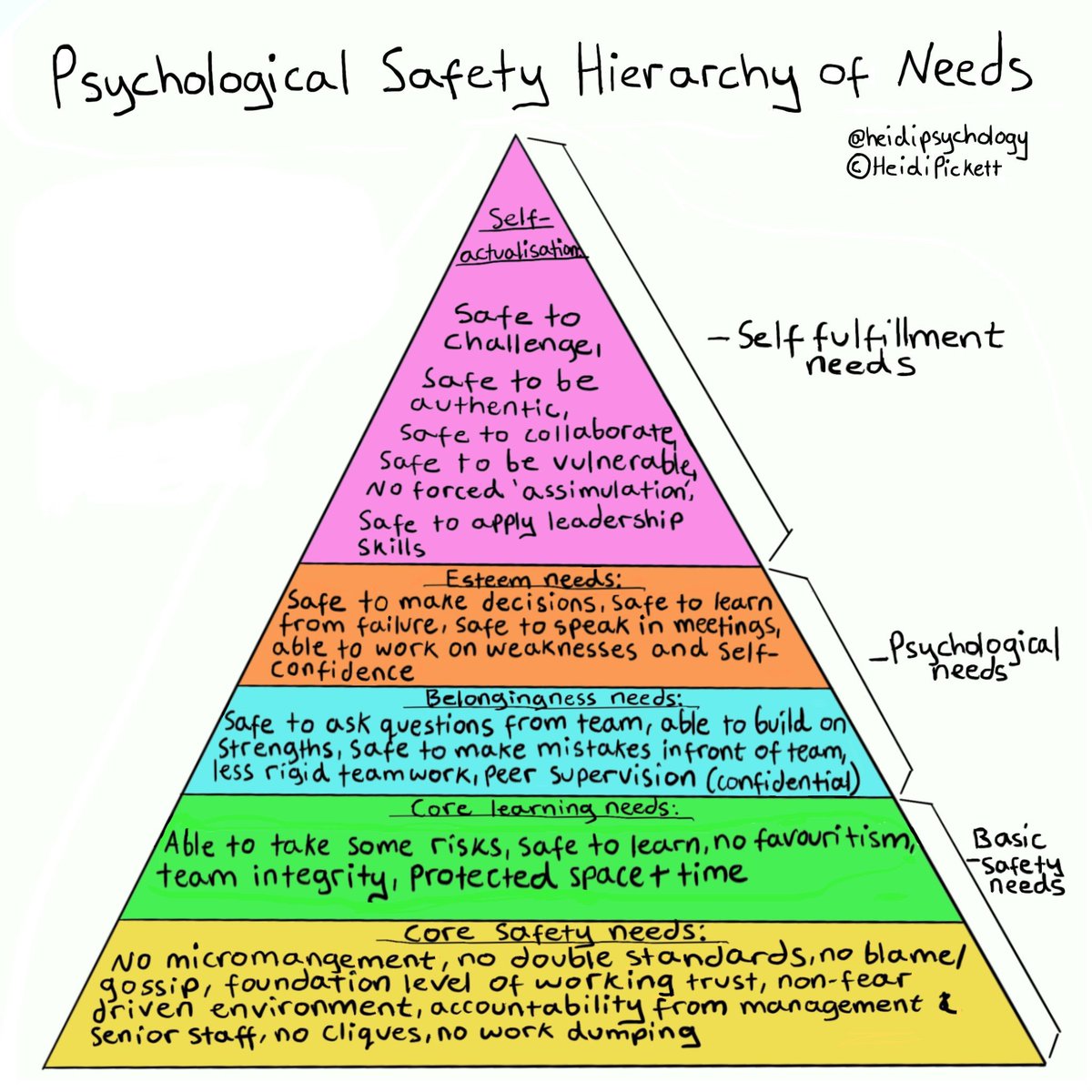
The psychological safety hierarchy of needs at work by @heidipsychology. I appreciate how Heidi has created three categories. At the base are basic safety needs like not being micromanaged. Next is psychological needs like belonging & sense of esteem. At the top is self-fulfilment needs, the ability to be our true, authentic selves. People who work at the top of their pyramid are the ones with the potential to deliver the best performance.
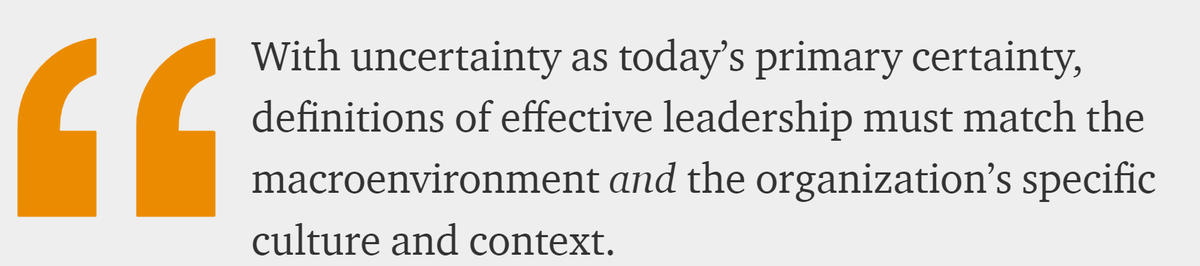
Research is defining the "foundational qualities" needed for effective leadership into the future. Five questions to ask of leaders to probe whether these qualities are present:
1) Can you lead with a compass when there’s no map?
2) Have you embraced ambiguity & uncertainty as a team sport?
3) Do you walk your talk?
4) Are you skilled at leadership through matrices?
5) Are you really who you say you are (as a person)?
https://t.co/8XBH3KKCzE From @ExCoLeadership@stratandbiz