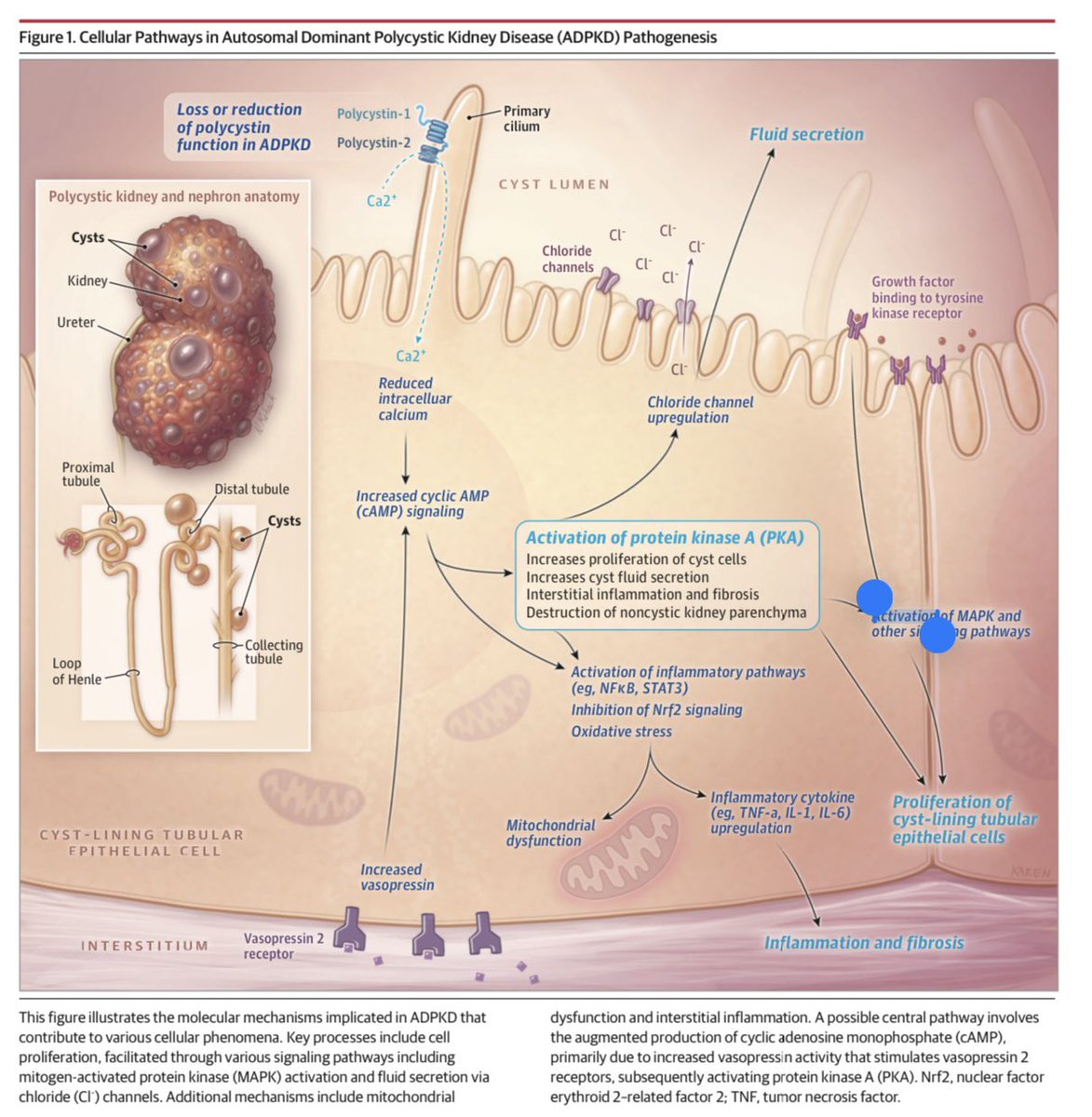
Big day — our @JAMA_current review on ADPKD is out today! 📢 Grateful to the JAMA editorial team for their partnership in shaping this into a high-impact resource for clinicians. If you manage patients with Polycystic Kidney Disease, we hope you’ll find it valuable. https://t.co/3QstgoOn2T
@MayoClinic@MayoClinicNeph@PKDFoundation@ndahl48@C_HannaMD
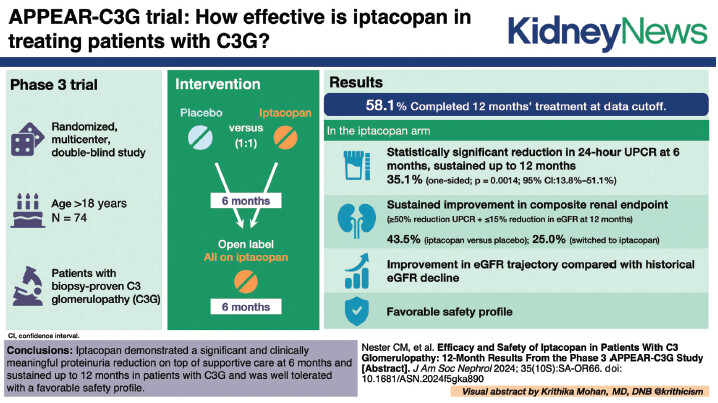
C3 glomerulopathy (C3G) is a rare form of glomerulonephritis, comprising two main subtypes. This year, we may see FDA approval of two new therapies specifically demonstrated to improve meaningful clinical outcomes in patients with C3G—something we have never had before. https://t.co/nBwVPrM9JW
@Nephro_Sparks
We are pleased to announce the publication of the KDIGO 2025 Clinical Practice Guideline for the Evaluation, Management, and Treatment of Autosomal Dominant Polycystic Kidney Disease (ADPKD). Read the news release: https://t.co/fYJJ7yupq5
This first-ever KDIGO guideline focused on a rare kidney disease provides practical tools for healthcare providers and patients to improve diagnosis, care, and treatment, addressing challenges in managing this inherited condition.
"This comprehensive guideline reflects the significant progress in ADPKD research over the last decade, from genetic insights to advanced therapies," said Guideline Co-Chair Vicente E. Torres, MD. "By addressing the complexities of diagnosis, treatment, and management, we hope this guideline will standardize care, enhance clinical practices, and help reduce the global burden of ADPKD. Our goal is that this resource will not only empower clinical decision-making but also inspire hope for patients and their families, demonstrating that meaningful progress is achievable for this challenging disease."
"The publication of this guideline represents a pivotal step forward in the care of ADPKD and people with rare genetic disorders worldwide," said Guideline Co-Chair Olivier Devuyst, MD. "It is the result of an extraordinary global collaboration among experts, researchers, and patient advocates, bringing together the best available evidence to guide care across diverse settings. This guideline is not just important for individuals with ADPKD. It also serves as a crucial template for the development of guidance for other rare genetic conditions. By providing a roadmap for consistent, evidence-based care, it addresses critical knowledge and practice gaps worldwide, offering a model for improving the lives of those with rare diseases globally."
Download the KDIGO ADPKD Guideline, Executive Summary, and Data Supplement on the guideline website: https://t.co/8owEw5VMSa
Read the guideline in @Kidney_Int: https://t.co/feuj6Pbj0D
#ADPKD
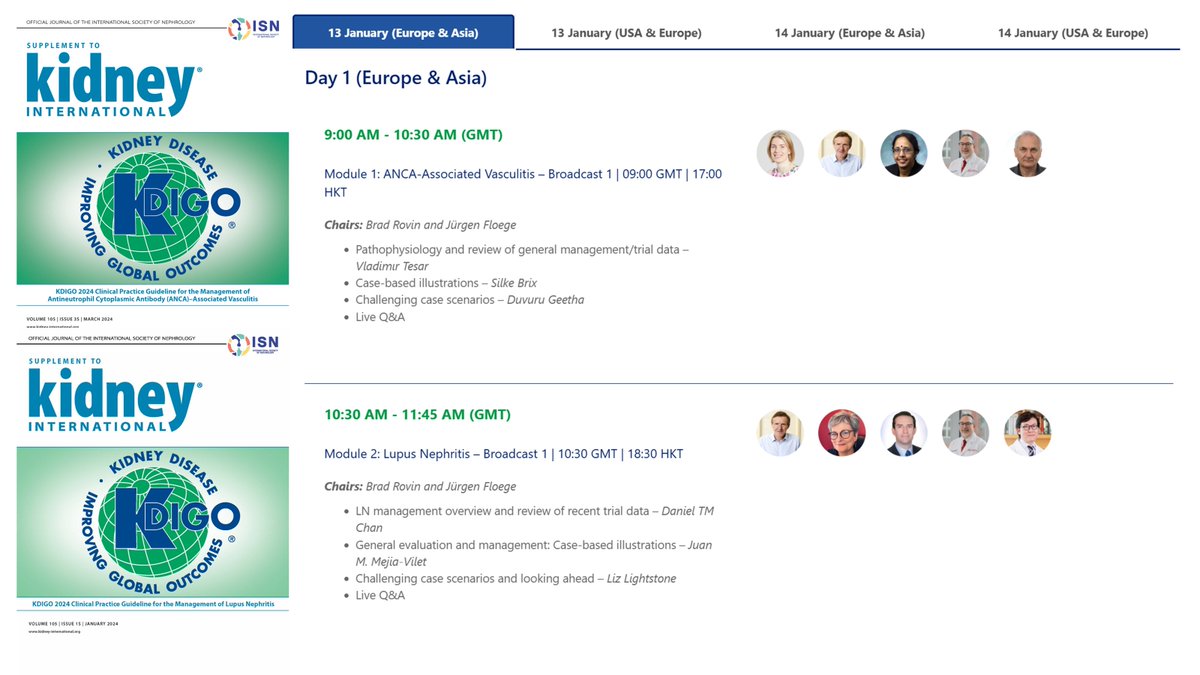
Check out #KDIGOGEMs 💎 a dynamic new program offering virtual education on the latest @goKDIGO Guidelines
#Nephpearls
Register here 👉 https://t.co/dKslZ7OBj4
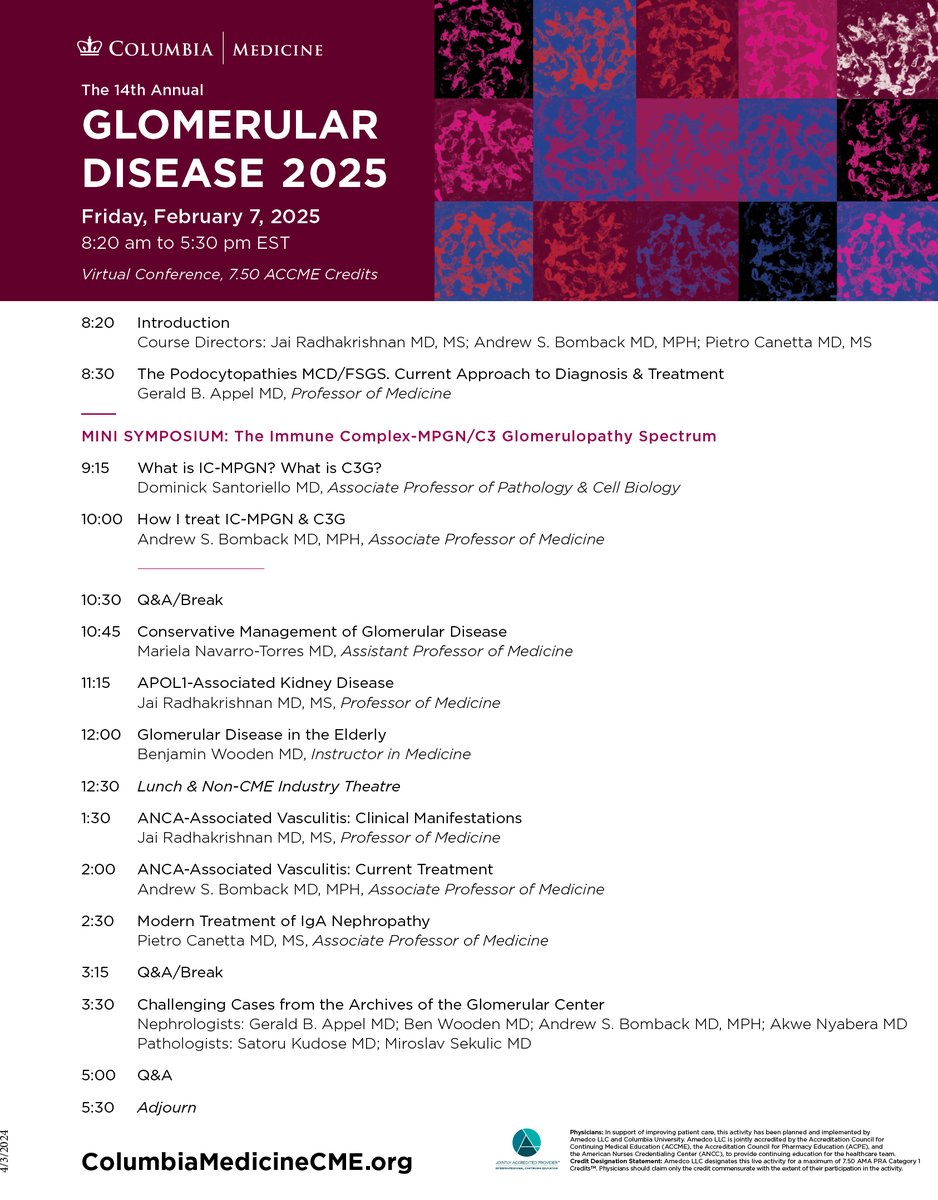
Reminder: Registration is open for the 14th Annual Glomerular Disease 2025 Conference on Friday, February 7th, 2025. Feel free to register for our virtual conference using the following link: https://t.co/e5C7wg0X6A
A surreal moment during #CCNephUpdate24. Dr. Brad Rovin casually asking a question to Dr. Richard Glassock. Dr. @AliMehdiMD moderating and Dr. Marc Pohl and Dr. Carol Langford all in one photo.
Finally. We figured out the dense deposits in dense deposit disease (DDD).
The answer is Apolipoprotein E.
You can stain for APOE & make the diagnosis of DDD in >80% cases. Without electron 🔬.
DDD was the reason I got into mass spectrometry 17 yrs ago. https://t.co/fQxitNbFYF
Join ASN in celebrating #BlackHistoryMonth! This year, ASN is excited to feature its first Black President, Deidra C. Crews, MD, ScM, FASN, MACP. @DrDeidraCrews continues to advance kidney care daily by promoting health equity and advocating for more equitable care solutions.
Check out the Top 10 Takeaways for Clinicians from the KDIGO 2024 Lupus Nephritis Guideline: https://t.co/WDAecKs377
Visit the KDIGO Lupus Nephritis Guideline website to download the guideline and for more resources: https://t.co/cB7vfXaoBO
#lupus#nephritis#lupusnephritis
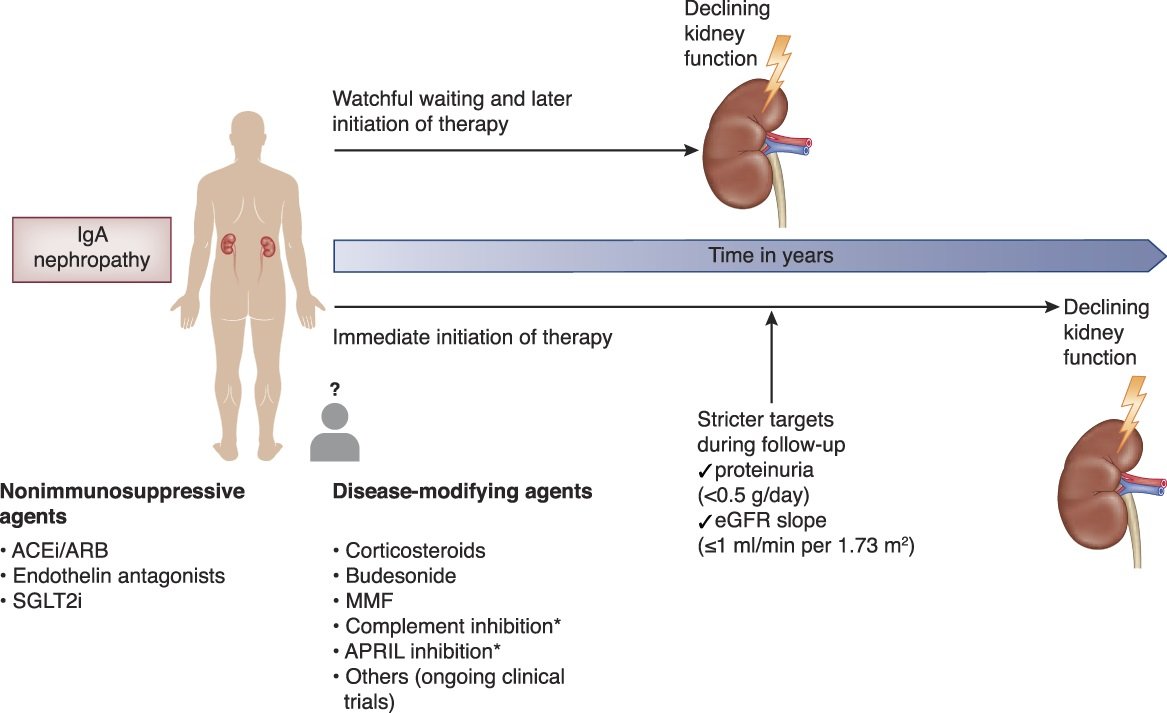
"IgA nephropathy may not be that slow progressive disease we once believed it was." This Editorial discusses the long-term effects of IgA nephropathy https://t.co/kaetPTmG25
@kdjhaveri@Joyita_4@HofstraKidney