Join us in protecting the Marsh Fritillary in Wales 🦋
The Marsh Fritillary is declining in Wales due to habitat loss, degradation and fragmentation, but together we can turn things around for this iconic butterfly.
Find out more at 👉 https://t.co/fBui7jvxyO
Beavers are experts at shaping landscapes—slowing down water, reducing flood risks, and improving water quality. With only 14% of UK rivers in good ecological condition, their return couldn’t come at a better time! 💙
Read more 👉 https://t.co/ep0aNlprW9
Buy some land to rewild! If you have savings or a house you’re willing to trade, the most rewarding, joyful and most impactful thing you can possibly do with it is to buy a piece of land somewhere, large or small, preferably of low agricultural productivity, with or without a building, and set about restoring it to vibrant nature. You’ll change your life forever. Do it do it 🦫
Welcome back, beavers. 🦫
We are thrilled to support the Government’s decision to allow the reintroduction of beavers into the wild in England.
https://t.co/QCZz1sejW2
Beaver clips @BeaverTrust and Alan Puttock (University of Exeter).
30 years ago I brought the first Eurasian beavers back to Britain from Poland. More followed in later years from Bavaria and Norway. At times is seemed a near hopeless dream. Very few helped in the beginning. Now they are officially back with widespread support. Hooray !!!
Remember the 40,000 bluebell seeds we manually sowed where we had gaps on our woodland floor? This is them waking up en masse 🫠
They won’t flower for up to 5 years, but the process is working. Another 40,000 to follow this year if my back can stand it
The natural model of a drive in and primarily the basis of survival for bees, bumblebees and insects and thus also for humanity. Without the immeasurable and invaluable work of our little helpers, things would look bad for us. Such places are irreplaceable for biodiversity.💚🍀💚
The forest floor is inhabited by a large number of soil organisms that exhibit a great diversity of species. These are, for example, fungi, bacteria, insects and worms, to name but a few. We need more forests again after we have destroyed 50% of the forests in the last 100 years.
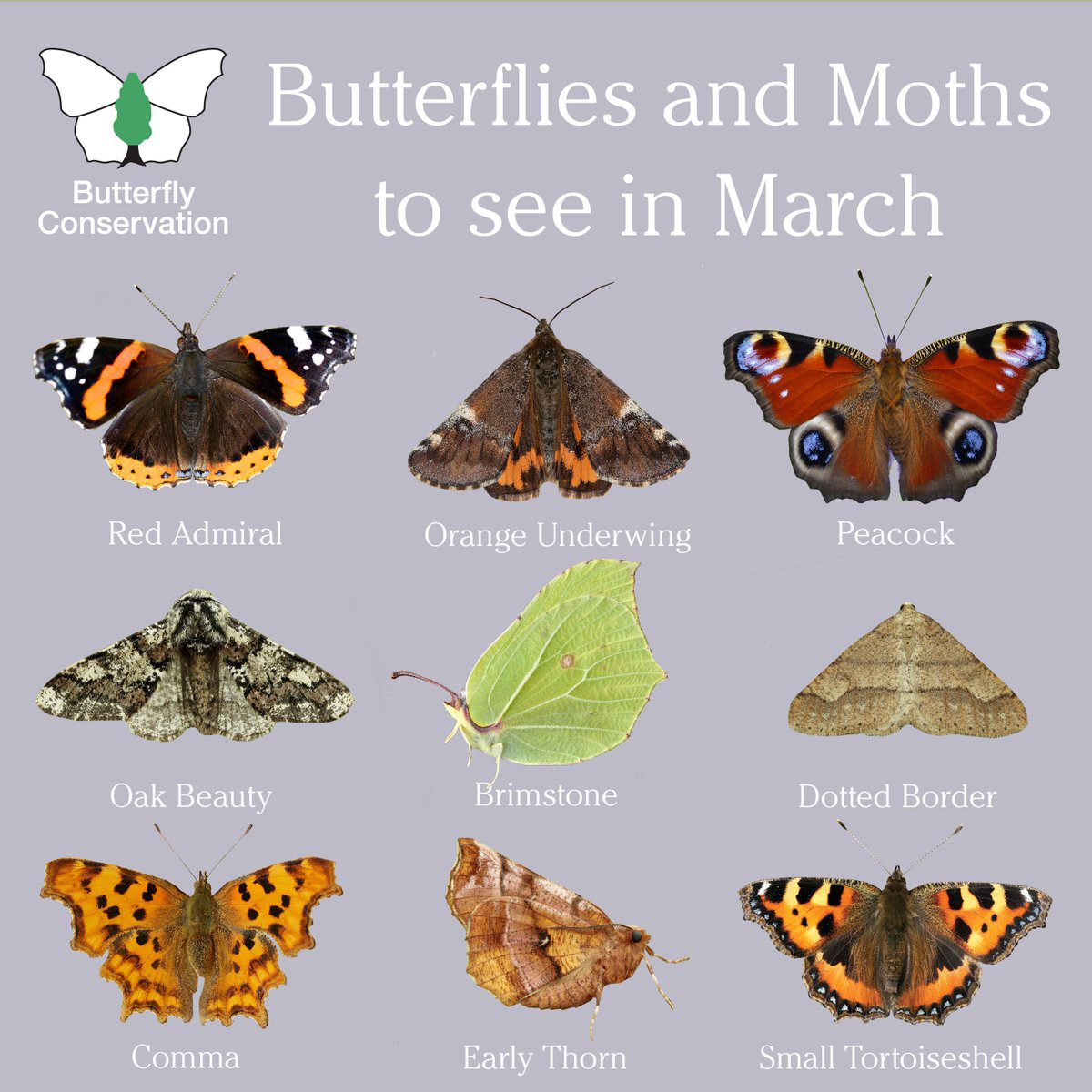
Spring is on its way! Look out for these butterflies and moths in your gardens and local green spaces 🦋🌷🌱
Discover more species and tips on how to attract them with our free monthly e-newsletter 👉 https://t.co/DowrmmQEcb
#SaveButterflies#MothsMatter
Working towards our platinum award @woodlandtrust we took photos of the same item in the school ground but from a different view - insect view, eye level view and birds eye view #greentreeschoolsaward
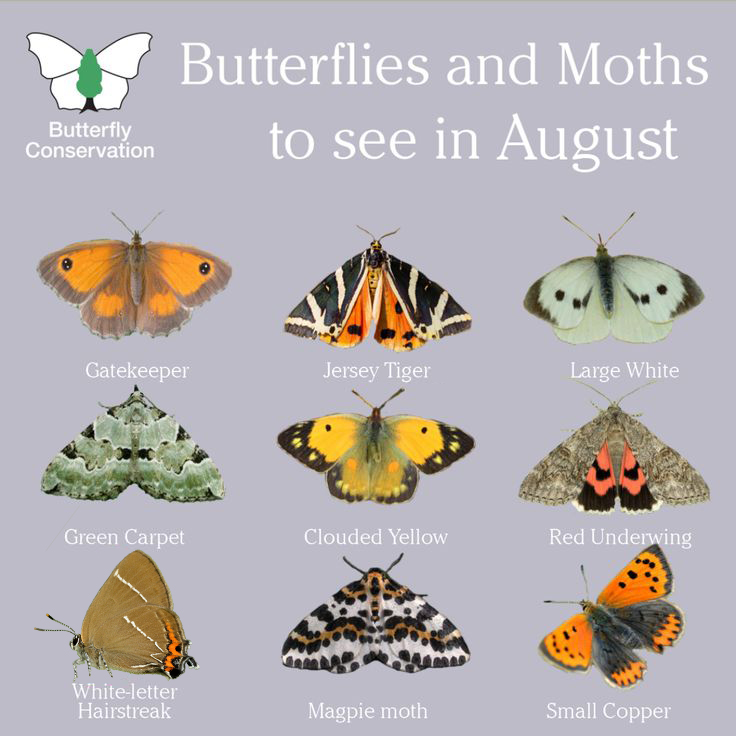
New month, new butterflies and moths to look out for in your gardens and local green spaces! 🌷🌱🦋
Discover more UK species with tips on how you can help them by signing up to our monthly enewsletter 👉 https://t.co/kb39EdtLQY
#SaveButterflies#MothsMatter
August is the last month to see all of the Big Eight🎱
Of the UK’s 24 bumblebee species, these eight are the most common🐝
What bumblebees have you spotted recently?👀
🖍️Keep your children buzzy this summer with our NEW Bumbling Explorers activity pack👉https://t.co/iHfYKgrFSB
Today is #WorldNatureConservationDay 🌍🦋
The importance of having nature in our lives has never been clearer, but the crisis facing nature is huge. It can feel overwhelming but there are ways we can all work to restore it.
📷: Tim Melling
Somewhere along the way we lost sight of the fact that when we harm nature, we harm ourselves. We need to return to our roots and protect what we have and rebuild what we have destroyed. Nature is priceless.💚🌿☘️🌱🌳🌲🍀💚
How could such a beautiful creature have evolved, and how could we be destroying the habitats and the nettle beds it needs to survive. Such an iconic native species