MICMAC is a research project funded by the European Media and Information Fund (EMIF) to help reduce the negative impact of online disinformation in Europe.
"Journalistic independence demands a willingness to follow the facts, even when they lead you away from what you assumed would be true"
Watch @nytimes AG Sulzberger Reuters Memorial Lecture or read the full text https://t.co/CU1dBJAMpJ
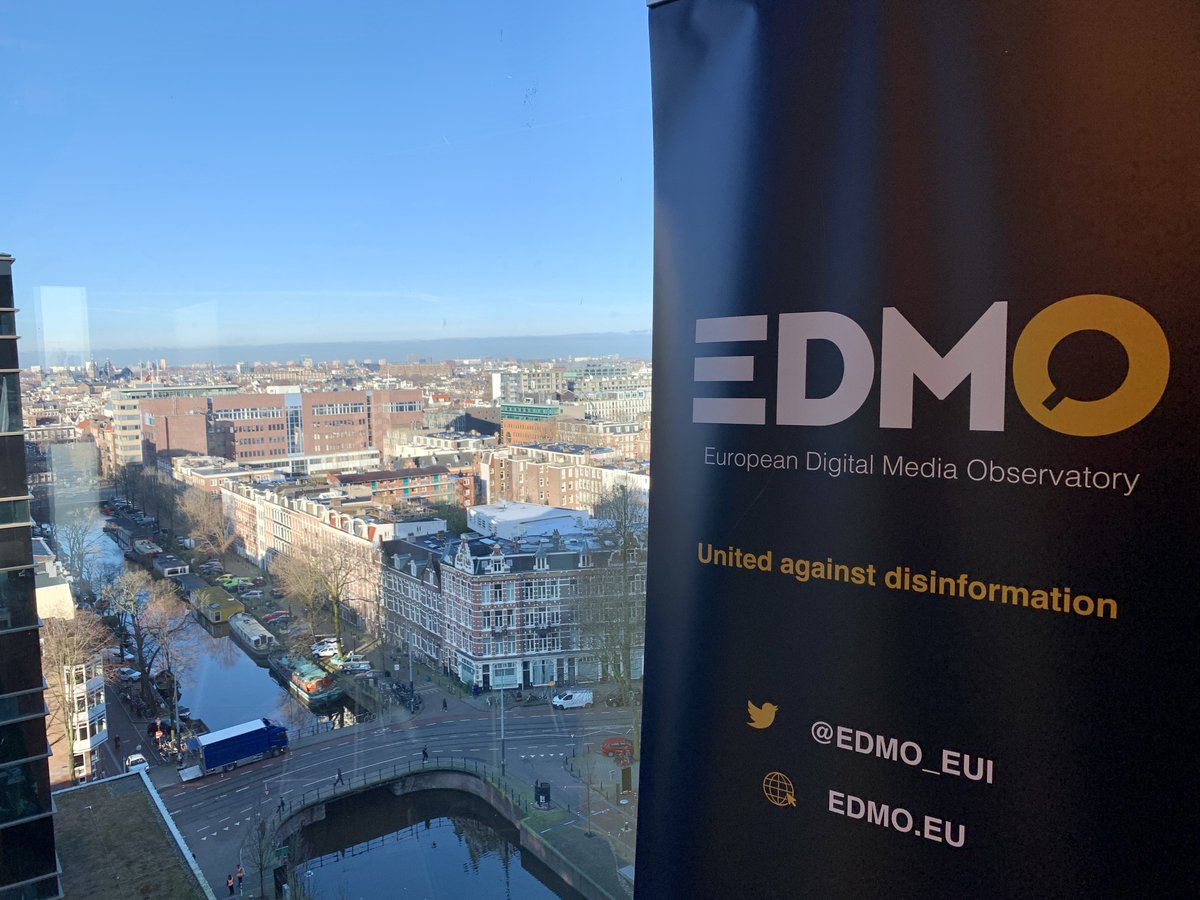
Welcome back! A beautiful 2nd day of #EDMOsc24 at @UvA_Amsterdam just started. Our first sessions this morning:
7️⃣Characterising #Disinformation: Trends, Topics and Narratives
8️⃣Dealing with Disinformation: Educational Approaches and Counterstrategies
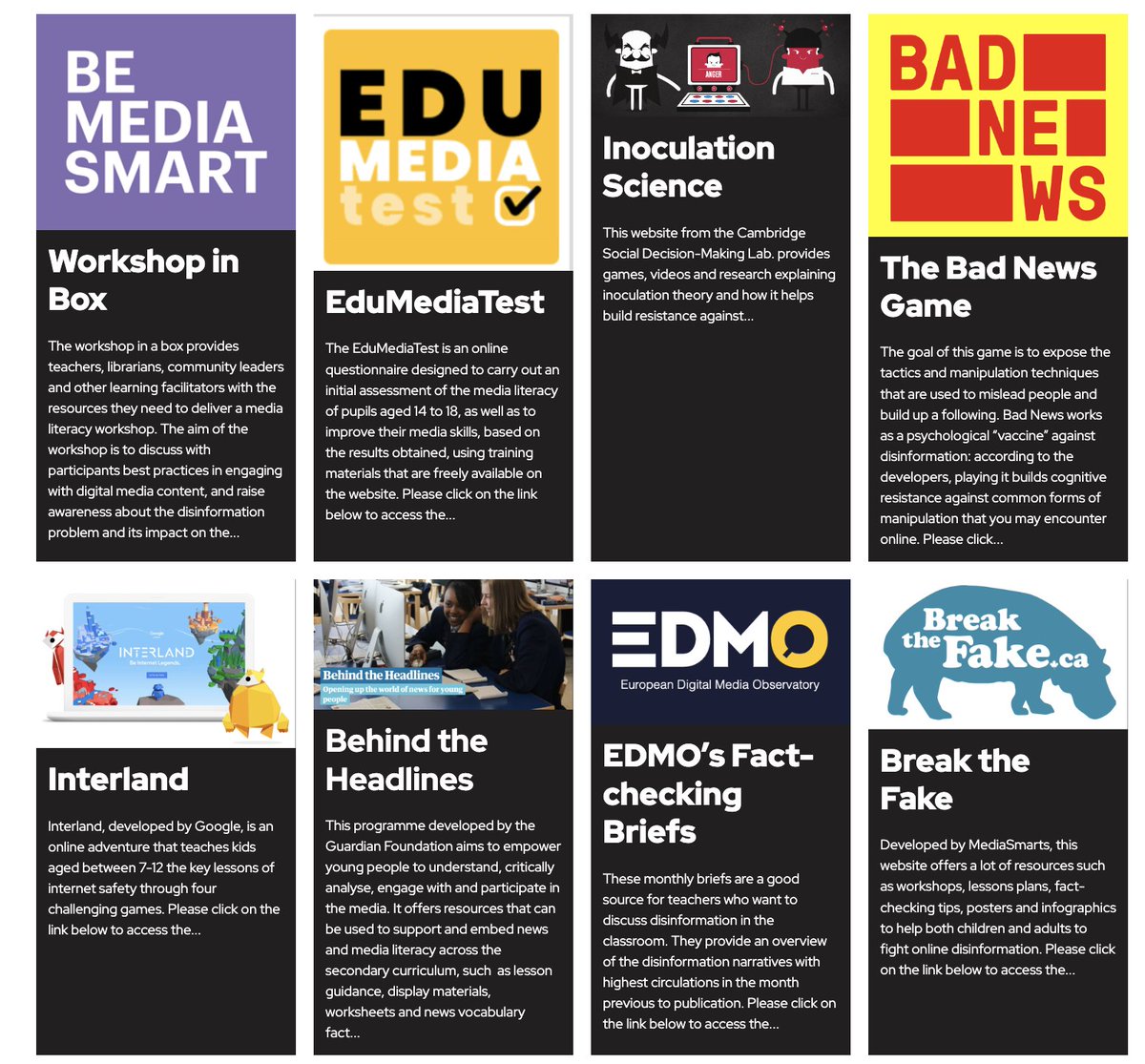
Calling all schools! #Didyouknow next week is Global Media Literacy week? Use some of these great resources in the classroom to explore media and information literacy: https://t.co/F6oD0S5dnK #BeMediaSmart
NEW on our website
An interview by @eduardosuarez with BBC Verify expert @Shayan86 on debunking Israel-Hamas war visuals: "The volume of misinformation on Twitter was beyond anything I’ve ever seen"
Read the piece below
https://t.co/zr6QzTvOFM
A year in review: @dw_innovation's @annasschild looks back on one year of the vera:ai project, what has been achieved and where we are heading.
Against #disinformation together, supported by #ArtificialIntelligence!
https://t.co/dUyaScWwyV
🔍Did you know? People often seek information that aligns with their beliefs. Let's break this cycle!🚫 #MICMAC is all about fostering critical thinking🧠
Join us in the journey to challenge disinformation and promote responsible digital media use. #InformationLiteracy#FactCheck
La desinformación como nuevo espacio para la acción educativa: https://t.co/HA9oXBJIVN
Descubre cómo estamos trabajando desde @usal en el proyecto MICMAC https://t.co/Bz27jbfB0S and follow us @MMdisinfo
🗺️ The August edition of the #EDMOeu Best of Fact-checking Map is live!
👀 Go check out the best fact-checking content produced by the @EDMO_EUI Hubs!
#factchecking#disinformation
https://t.co/pznUVeu3mE
There are lots of different types of false info, including:
🧐Fabricated content;
🎲Manipulated content;
🥸Imposter content;
☢️Misleading content;
📰False context of connection;
😜Satire and parody.
Source: House of Commons Select Committee on Culture, Media, and Sport (2018)
Fake news deliberately spreads false information, negatively impacting vulnerable individuals who may believe distorted views of the world. Our project focuses on safeguarding people through media & info literacy training. Learn more and join our pilot training program...
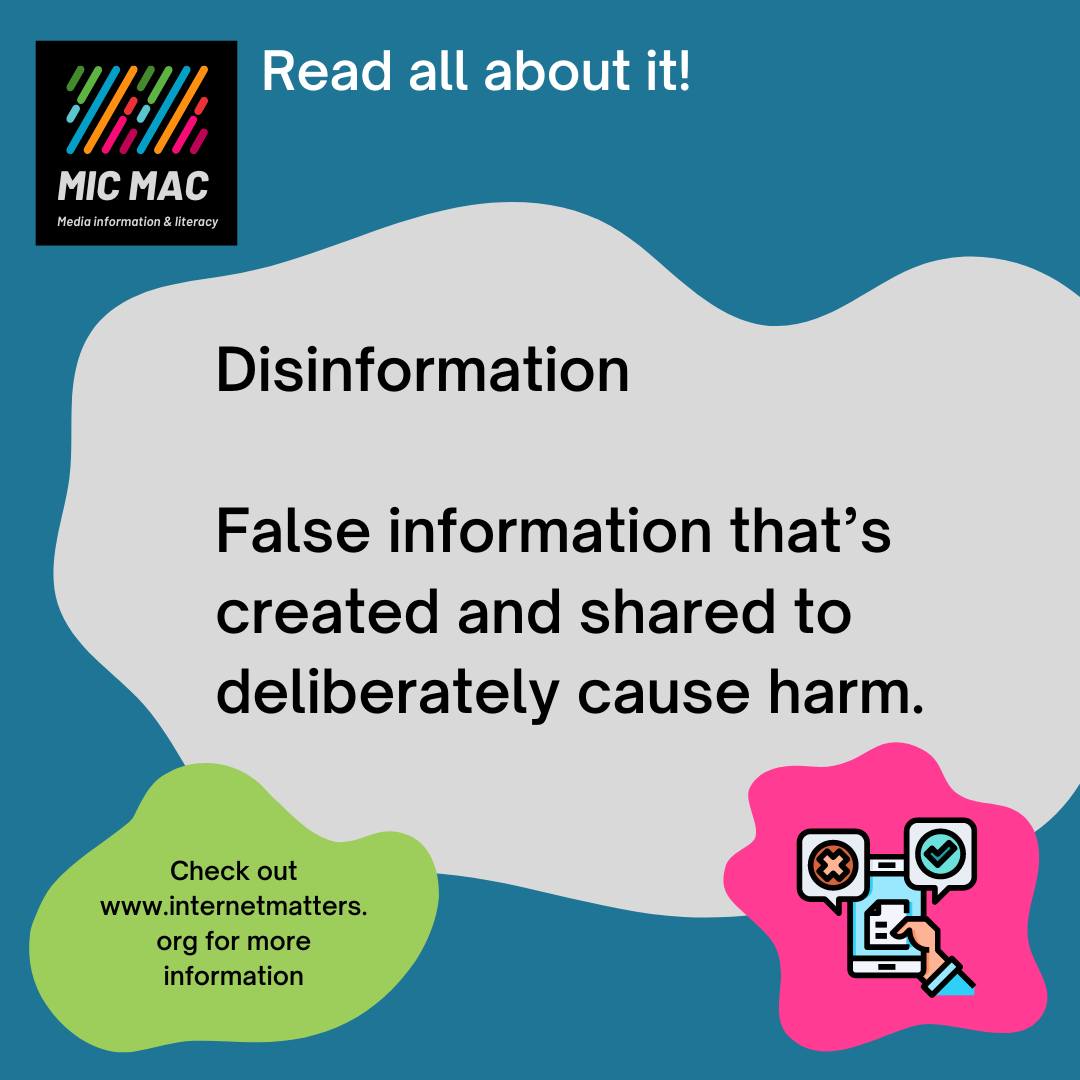
...whereas disinformation is false info that's been created and shared to deliberately cause harm. Thanks to Internet Matters @IM_org for these definitions.
Follow us and check out our website, https://t.co/ZJXXAQXfGL for more information.
When is it #misinformation vs #disinformation? Misinformation is considered to be misleading information created or disseminated without deliberate intent to cause harm...
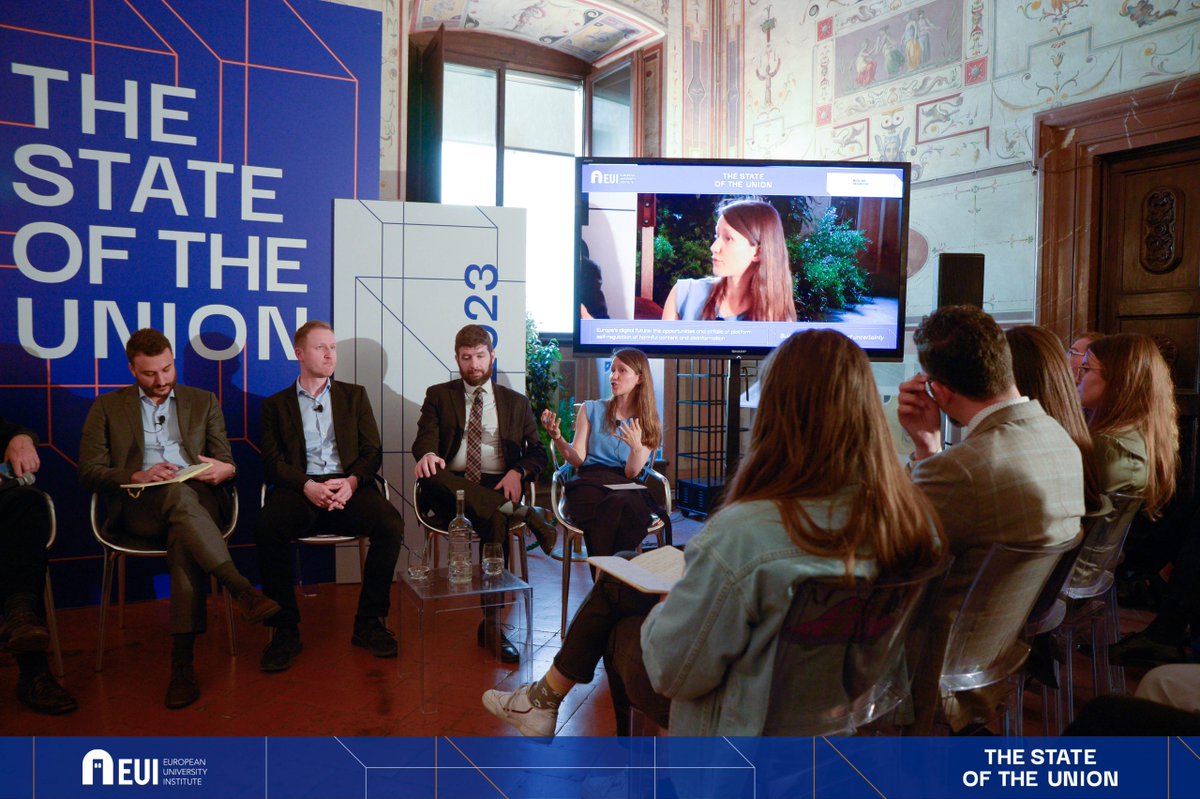
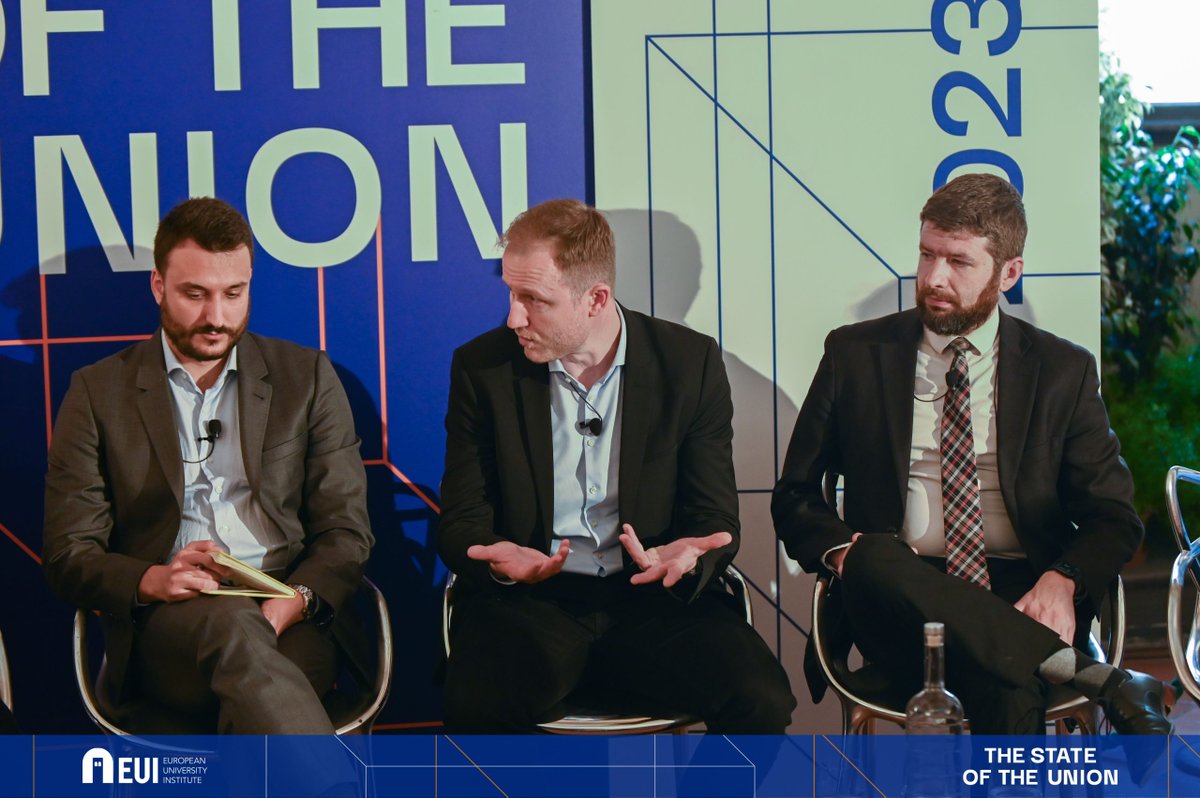
Did you catch our session "Europe's Digital Future" at the @EUISoU?
🗣️You can rewatch speakers discussing online platforms regulation and management of harmful content and #disinformation in Europe
📺https://t.co/mcu7VM2qWO #SOU2023
MICMAC is an 18 month project funded by the European Media and Information Fund @EMIF_Fund. The project goal is to help reduce the negative impact of online disinformation in Europe through M&IL training. Follow us here to keep track of our latest research activities. #disinfo