Por si no lo sabíais no me llamo Manué 🤣
Esta es mi cuenta de cosinas militares. Soy Jesús María López de Uribe (@UribeX para los amigos) y también tengo un blog (algo abandonado) de esto👇
https://t.co/qb3J1tzy3D
Pues eso, que paso de vez en cuando por aquí y comparto cosas 😜
Preparations are underway for our Remembrance Day service and local flyovers.
Can’t make it out to the museum? Watch/stream live on @CHCHTV TV or stream on their YouTube channel at 10:30 am.
Lest we forget.
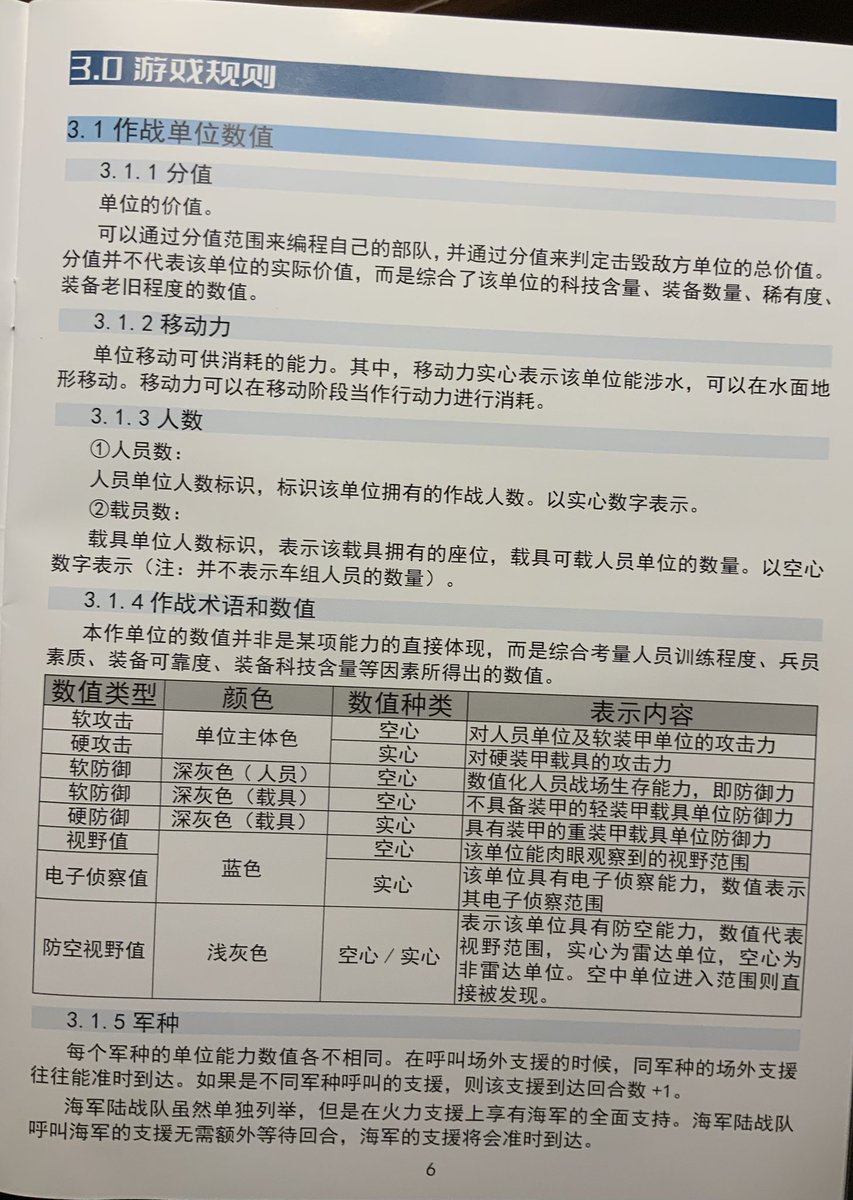
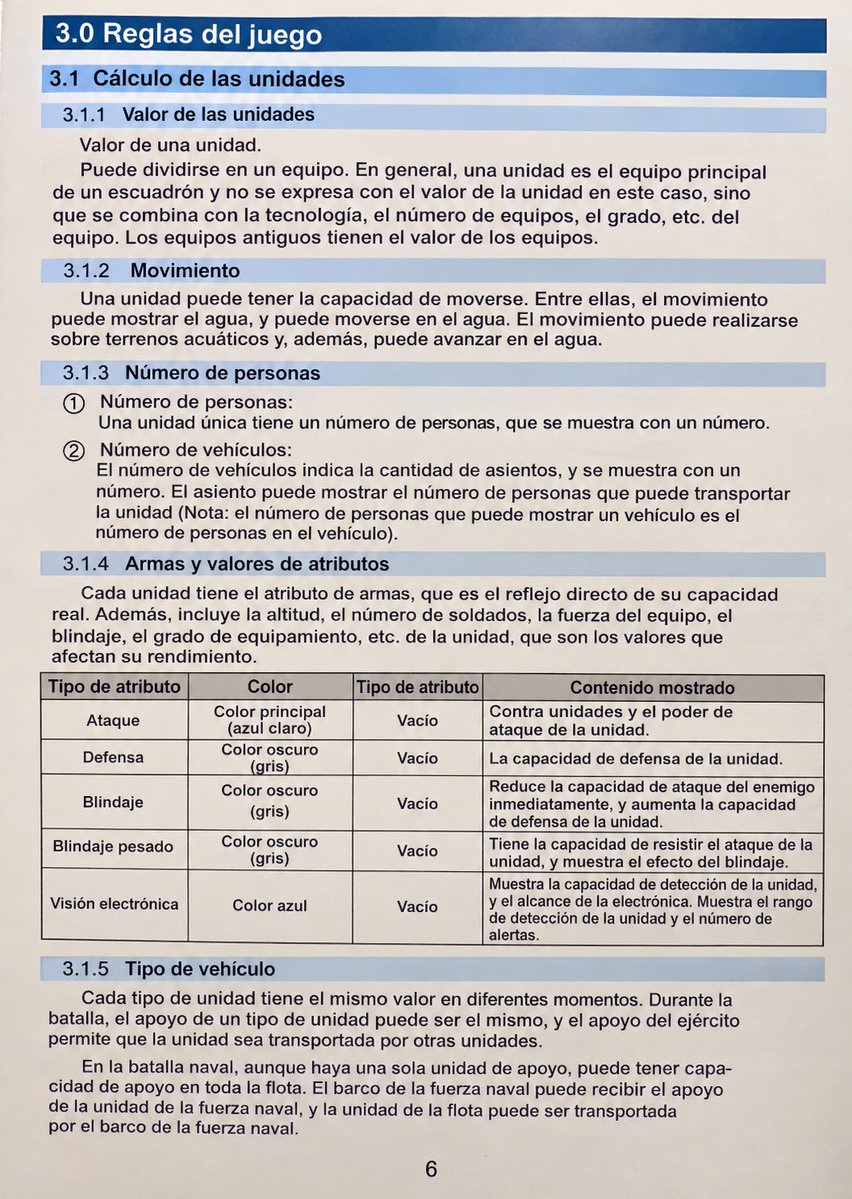
Y hablando de IA y wargame, la Inteligencia Artificial es tu amigo indispensable si tienes la chaladura de jugar wargames chinos o japoneses o polacos… Una foto y una simple solicitud de traducción respetando el formato de la imagen y …magia.
On the night of Nov 11, 1940, twenty-one obsolete biplanes flew off a single British aircraft carrier and did something many experts believed was impossible. In less than an hour, they knocked half of Italy's battle fleet out of the war. Thirteen months later, the Japanese copied it at Pearl Harbor.
In the fall of 1940, Britain stood alone against Germany and Italy. In the Mediterranean, everything depended on convoys getting through to Malta and Egypt. And sitting in the middle of the sea was the Italian Navy, with six battleships, including two brand-new, fast, powerful ones.
The Italian fleet rarely came out to fight. It didn't need to. As long as it sat in its fortified base at Taranto, in the heel of Italy's boot, it was a constant threat.
The idea of attacking it from the air was not new. Rear Admiral Lumley Lyster had drawn up a plan years earlier, during an earlier crisis with Italy. In 1940 he joined Admiral Andrew Cunningham's Mediterranean Fleet with a new armored carrier, HMS Illustrious, and the plan came back to life.
Everyone knew the risks. Taranto was ringed with anti-aircraft guns. Barrage balloons floated over the harbor to tangle low-flying planes. Anti-torpedo nets protected the battleships. And the harbor was shallow, only about 40 feet deep in places. Torpedoes dropped from aircraft normally plunged much deeper than that before leveling off. Most experts believed they would simply bury themselves in the mud.
The British solved the problem with wire and ingenuity. Their torpedoes were fitted with drums and cables that kept them from diving too deep after they hit the water. Some were also fitted with magnetic pistols, designed to explode under a ship's hull, which meant they could run beneath the anti-torpedo nets.
The aircraft that would carry them was the Fairey Swordfish. It was a biplane made of fabric stretched over a metal frame, with open cockpits and a top speed of about 140 miles per hour. Crews called it the Stringbag. Even in 1940, it looked like a relic. To give them the range for the mission, an extra fuel tank was squeezed into the middle cockpit, so most planes flew with two men instead of three.
The attack was set for Oct 21, Trafalgar Day, with two carriers. Then a fire in Illustrious's hangar destroyed and damaged several aircraft, and the old carrier HMS Eagle was too damaged to go. The operation was delayed. In the end, Illustrious went alone, carrying some of Eagle's planes and crews.
Reconnaissance planes flying from Malta photographed the harbor day after day. On Nov 11, the photos confirmed it: all six Italian battleships were at anchor. Bad weather had also torn loose many of the barrage balloons.
That night, about 170 miles from Taranto, the first wave of 12 Swordfish took off from Illustrious. A second wave of nine followed about an hour later.
The Italians knew something was coming. A British flying boat had been spotted over the harbor earlier that evening, and the defenders were on alert. When the Swordfish arrived just before 11 p.m., the sky lit up with anti-aircraft fire.
Some of the planes dropped parachute flares to light up the harbor. Others went after oil tanks, cruisers and the seaplane base with bombs. The torpedo planes came in last, gliding down and leveling out just above the water, weaving between the remaining balloon cables in the dark while shells and tracers poured at them from ships and shore batteries.
The leader of the first wave, Lieutenant Commander Kenneth Williamson, put his torpedo into the battleship Conte di Cavour. Moments later, his plane was shot down. He and his observer survived and were taken prisoner.
Torpedo after torpedo found its mark. Three hit the brand-new Littorio. One hit Conte di Cavour. In the second wave, another hit Caio Duilio.
Then the Swordfish turned and flew back into the night, heading for their carrier.
When the sun came up over Taranto, Conte di Cavour was resting on the bottom of the harbor. She was never fully repaired and never fought again. Littorio had settled with her decks almost awash. Caio Duilio had to be run aground to keep from sinking. Both were out of the war for months. Cruisers and shore installations had also been hit.
The British lost two Swordfish. Two airmen were killed and two captured.
In a single night, the balance of naval power in the Mediterranean had shifted. The Italian Navy pulled its remaining battleships out of Taranto and moved them farther north, away from British reach. Churchill announced the news to Parliament, calling it a crippling blow to the Italian fleet.
Admiral Cunningham later said Taranto should be remembered forever as proof that naval aviation had become the Navy's most devastating weapon.
Not everyone took the lesson to heart.
An American naval officer had been aboard Illustrious to observe the raid. He wrote up a detailed report on how the British had done it, including the shallow-water torpedoes. His report attracted little attention in Washington.
The Japanese paid much closer attention. Japanese naval planners studied every detail of Taranto: carrier planes, a fleet at anchor, a shallow harbor, torpedoes modified to run in shallow water. One of the officers who planned the attack on Pearl Harbor, Minoru Genda, studied it closely.
On Dec 7, 1941, more than 350 Japanese carrier planes came in low over another shallow harbor full of anchored battleships.
The Swordfish weren't finished either. Six months after Taranto, another Swordfish torpedo jammed the rudder of the German battleship Bismarck, leading to her destruction.
Twenty-one slow, outdated biplanes had shown the world that the battleship's age was ending. It took a while for everyone to believe it.
1/3 Ten egzemplarz Focke-Wulf Fw 190 A-5 (nr seryjny 151227) jest najbliższy oryginałowi na świecie, a to jest w 100% zasługą bezkompromisowego podejścia (i budżetu) Paula Allena współzałożyciela firmy Microsoft. Wyciągnięty w 1989 roku z lasu pod Petersburgiem
💢The Oder front, early February 1945.
Soviet troops have reached the river and established bridgeheads on its western bank. German forces counterattack, trying to drive them back across the last major river barrier before Berlin.
This footage captures a remarkable concentration of German equipment: Sturmgeschütze III (Assault guns at the beginning of the footage) brand-new Panther Ausf. G tanks, Sd.Kfz. 251/21 half-tracks mounting triple antiaircraft guns, 88mm guns firing at ground targets, assault rifles StG-44, Panzerschrecks, Panzerfausts, and Jagdpanzer 38(t) tank destroyers.
Look closely at the Panthers. Their striking diagonal camouflage uses the familiar German three-color combination of dark yellow, olive green, and reddish brown - colors hidden here by the black-and-white film.
These tanks belong to the 25th Panzergrenadiere-Division, fighting around Ortwig in the Oderbruch.
Watch the infantry sheltering behind the cemetery wall as a Panther passes. Look at the bandaged men, the mud, and the soldiers riding into action on the tanks.
The newsreel also includes men of SS-Fallschirmjäger-Bataillon 600, formerly 500, serving on the Oder front. On May 25, 1944, the earlier battalion had landed by parachute and glider at Drvar, Yugoslavia, during Operation Rösselsprung, an attempt to capture or kill Tito. Tito escaped, and the raid failed in its central objective.
Now, the unit is fighting on Germany’s doorstep.
The footage combines scenes from different locations. The SS paratroopers and the Army Panthers should not be mistaken for a single formation.
Taken from Die Deutsche Wochenschau No. 752, the film ends with the narrator insisting that Germany will force a decisive reversal in Europe’s fate. But despite repeated counterattacks, the Germans failed to eliminate the Soviet bridgeheads. In April, the offensive against Berlin would begin.
Follow @Vanguard_WW2 for the history behind the footage.
A medida que el escenario geopolítico mundial se calienta, aparecen más y más opiniones en defensa de un escolta barato y sencillo de producir, cuya ventaja es poder tenerlos en grandes números, a pesar de que sus capacidades individualmente sean limitadas. Menos celdas y más cascos.
🤔¿Existió realmente Pelayo?
Responde @josesotohistor1, autor junto a Francisco Aguado del libro ‘Pelayo. El rey rebelde’
▪️Ya en librerías
▪️Capítulo de descarga en nuestra tienda online
🔗 https://t.co/6xlQDZ1r50
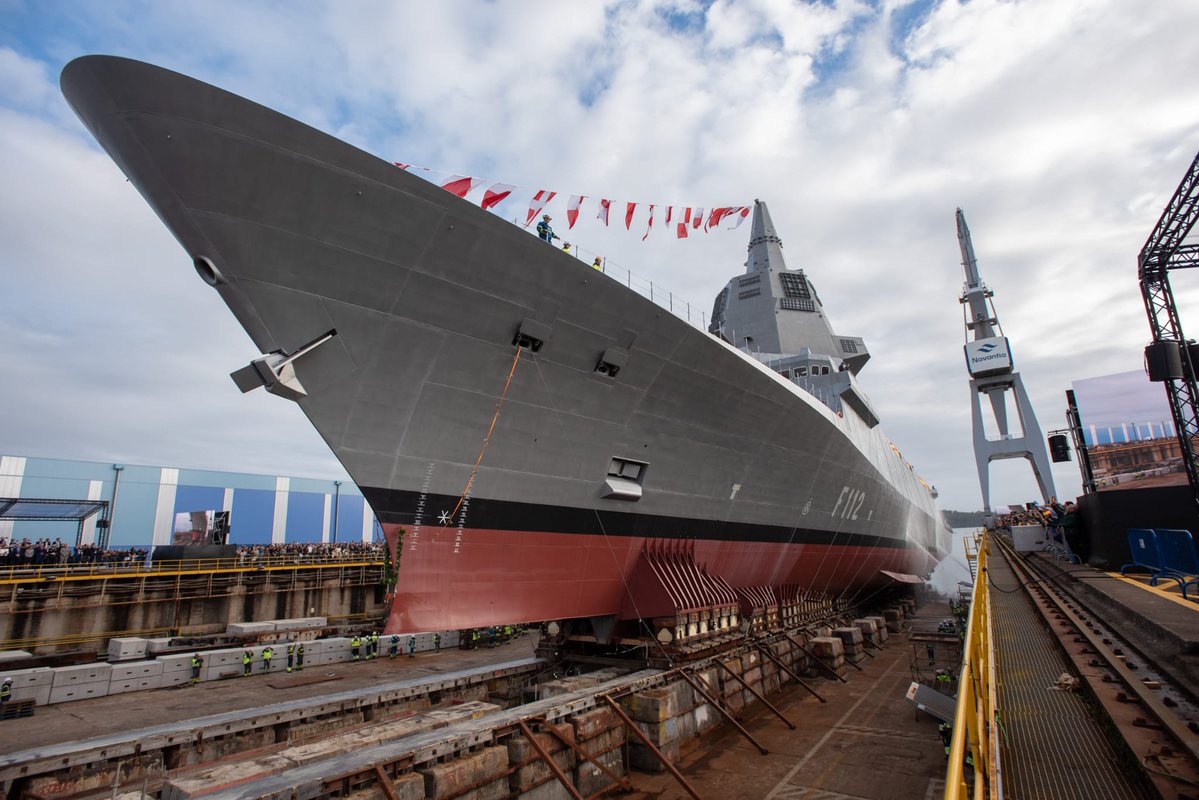
💯Día histórico para el futuro de la Armada.
🎖Hoy se ha botado la fragata F112 'Roger de Lauria'.
⚓️Un nuevo hito de la clase F110 y la industria de Defensa nacional @NavantiaOficial .
The first real fight between American-crewed Sherman and German Panther tanks happened at Arracourt, in September 1944. The Germans were trying to keep Devers' 6th Army Group coming up from southern France to link up with Bradley's 12th Army Group. My father-in-law was in the 6th Army Group (Private First Class Hall, 103rd Infantry Division).
The point of the German attack was to keep the two US Army Groups separated long enough so their troops in western France could escape. The attack was aimed straight at Patton's Third Army. This happened during Market Garden, Montgomery's failed "airborne carpet" in Belgium & Holland. That part is important because it meant all the fuel & ammo was going to Montgomery, and Patton was starved of supplies. For a while his artillery was ordered to fire only 1 shell each day to save ammo.
The German strike force was commanded by East Front veterans. They fielded 3 panzergrenadier divisions, 3 panzer divisions, and 6 independent panzer brigades. Don't dismiss the brigades - a Wehrmacht independent panzer brigade had the same number of tanks as a whole panzer division - it just had less support units.
Now, the Panzer Brigades is where they kept the Panthers. Each brigade had 50-90 vehicles. In addition to Panthers, they also had a few jagdpanzer IV/70s (same gun, worse chassis).
The 4th Armored facing them didn't have the cool new 76mm Shermans that you see in the movie Fury, they only had old 75mm short barreled. They did have a battalion of 36 M18 Hellcat tank destroyers.
Fun fact: the US 4th Armored was commanded by General Abrams. Yes, THAT General Abrams.
1/3
Hedonismo aeronáutico
El malogrado #Yakolev Yak-141, auténtico prodigio de ingeniería y primer avión VTOL supersónico.
Destinado a sustituir al limitado Yak-38 de las cubiertas de los portaviones Clase Kiev para dotar a la Armada Roja con un caza de altas prestaciones
#ColdWar
LO QUE NO SE VE. Las subdirecciones dependientes de Instituto de Historia y Cultura Militar cuentan con un espectacular equipo de profesionales responsables entre otras tareas de restaurar y mantener en perfecto estado un material de incalculable valor. #IHCM#CulturadeDefensa