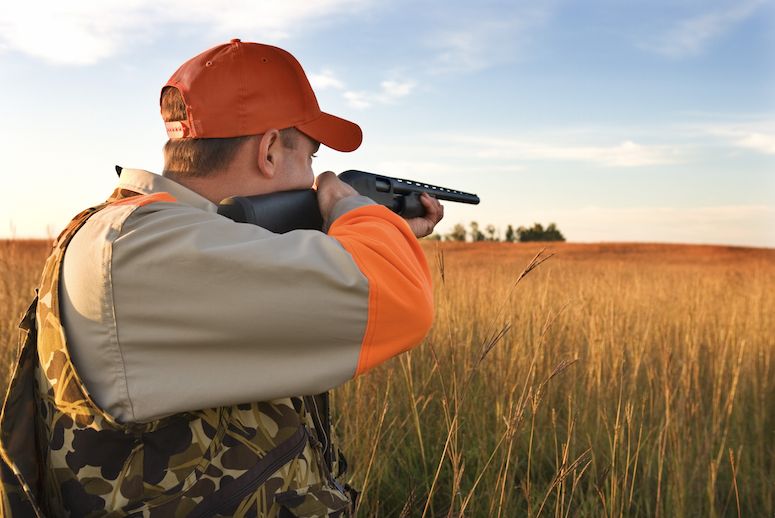
Discover, explore, hunt and enjoy Minnesota's diverse wildlife and the forests, prairies, woods and wetlands they inhabit on 11 million acres of public land.
We're merging with our former Minnesota Fishing account, now rebranded as Minnesota Fish & Wildlife! We can't wait to cover more of the fish and wildlife topics you enjoy. Make sure you're following @mnfishwildlife to keep updated!
The ruby-throated hummingbird is the smallest bird in Minnesota. They're migrating south right now to spend their winter in Central America. @MCVmag https://t.co/FNWn2m6UaA
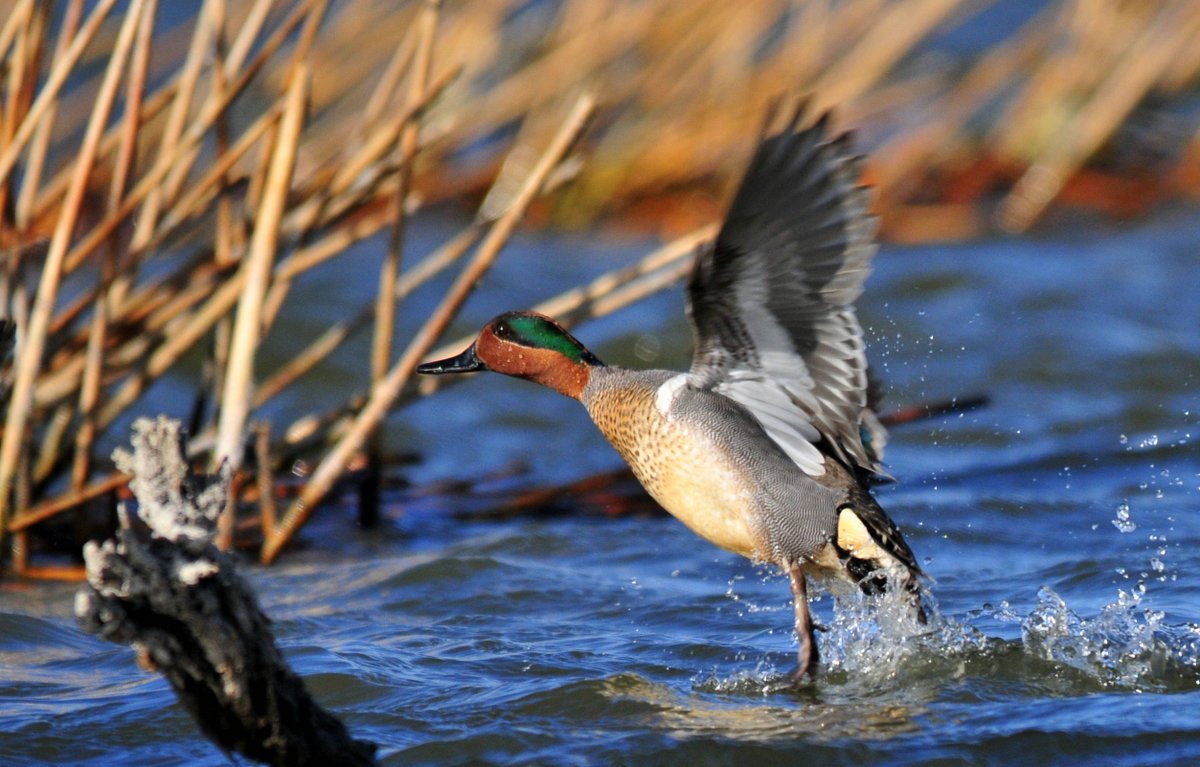
Planning to hunt waterfowl this fall? Make sure to take some precautions to prevent the spread of avian influenza (bird flu): https://t.co/lnli3wt9Ox.
📸 U.S. Fish and Wildlife Service
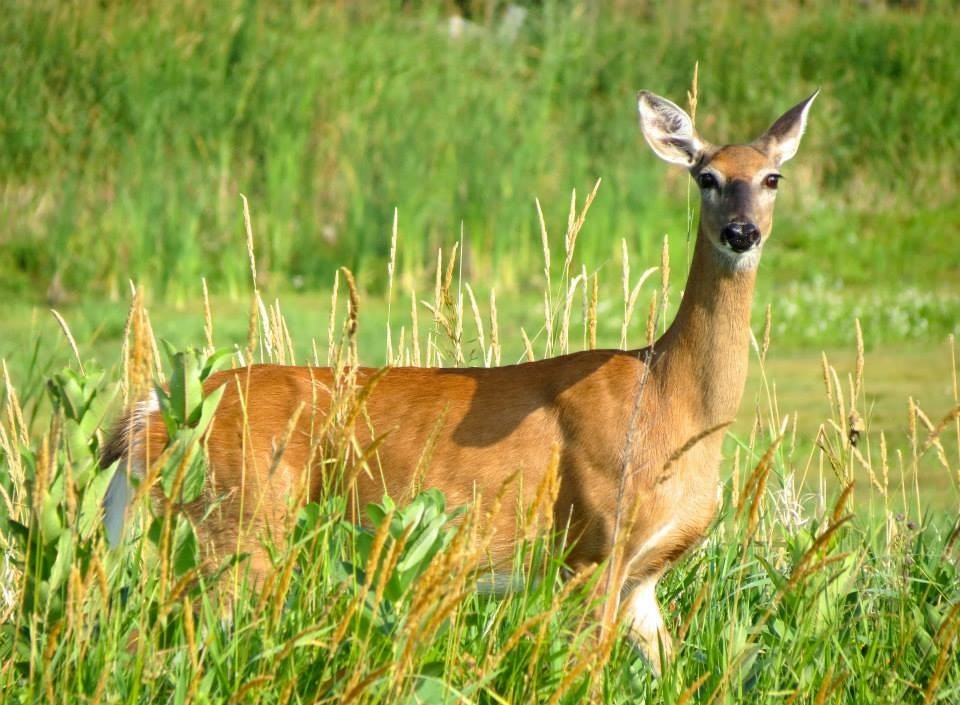
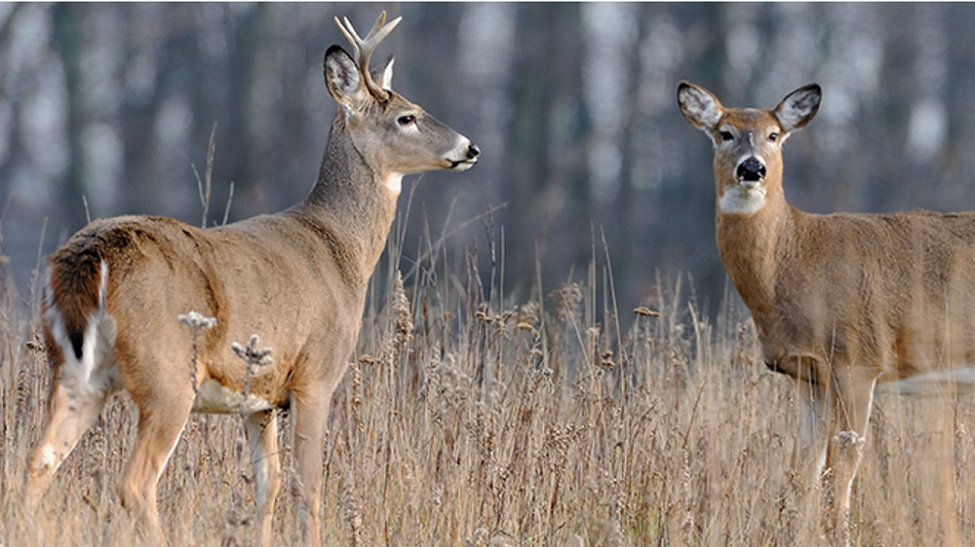
Purchase your license by Sept. 8 to get into the antlerless lottery! 🦌 Certain deer permit areas are designated as lottery, find out which on our interactive map: https://t.co/Oshacr8crC. Details about the antlerless lottery are available on pg. 66 in the hunting regulations.
DNR’s deadline for comments on its updated wolf management plan draft are due Aug. 8 by 4:30 p.m. Comment one of three ways: https://t.co/zRBK4hktvw
📲 Online
📨 By Email
📬 By Mail
Photo courtesy of pserani01, iNaturalist.
2022 deer licenses are now available for purchase! 🦌 Buy online (https://t.co/R8Xv3oTEnS), in-store (https://t.co/z1R5YWjj2g) or by phone at 1-888-665-4236.
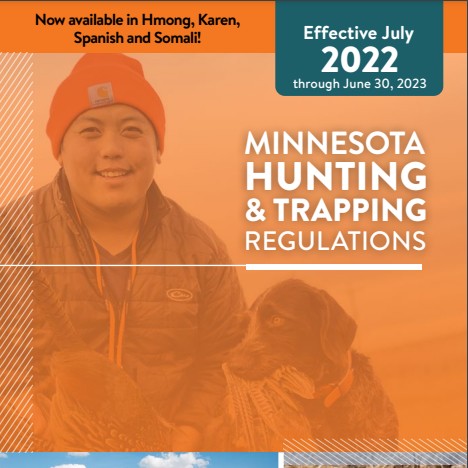
The English version of the 2022-23 Minnesota hunting and trapping regulations is available online: https://t.co/h0p1WY1dBV. Printed copies will be available later this month, and translated regulations are in the works.
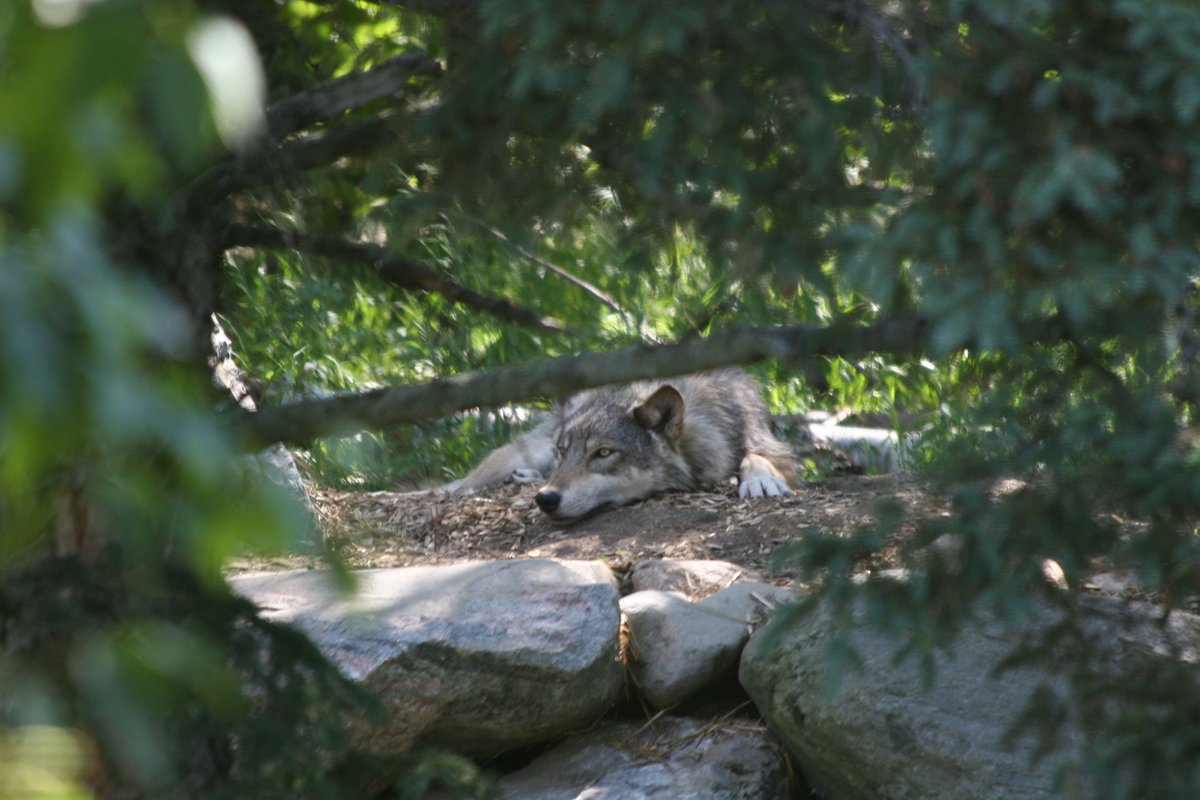
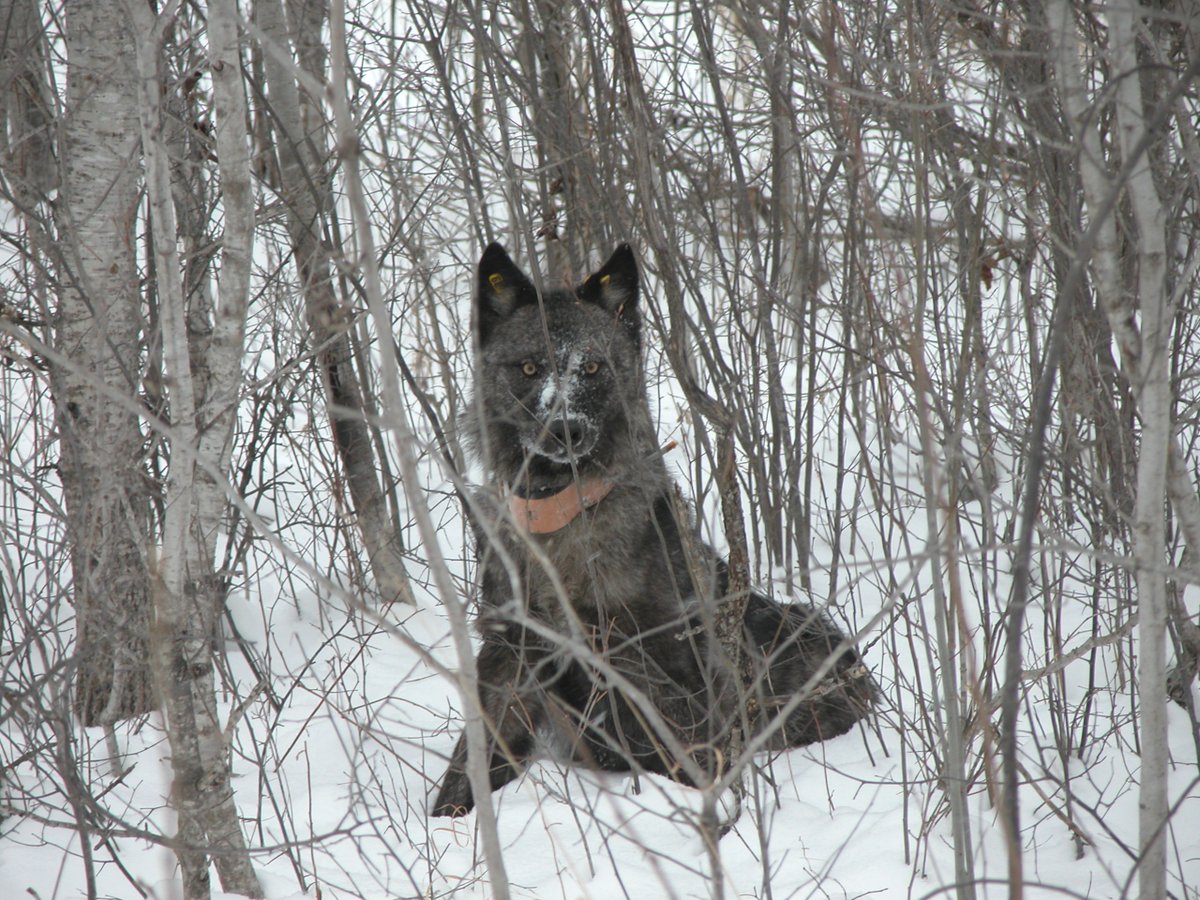
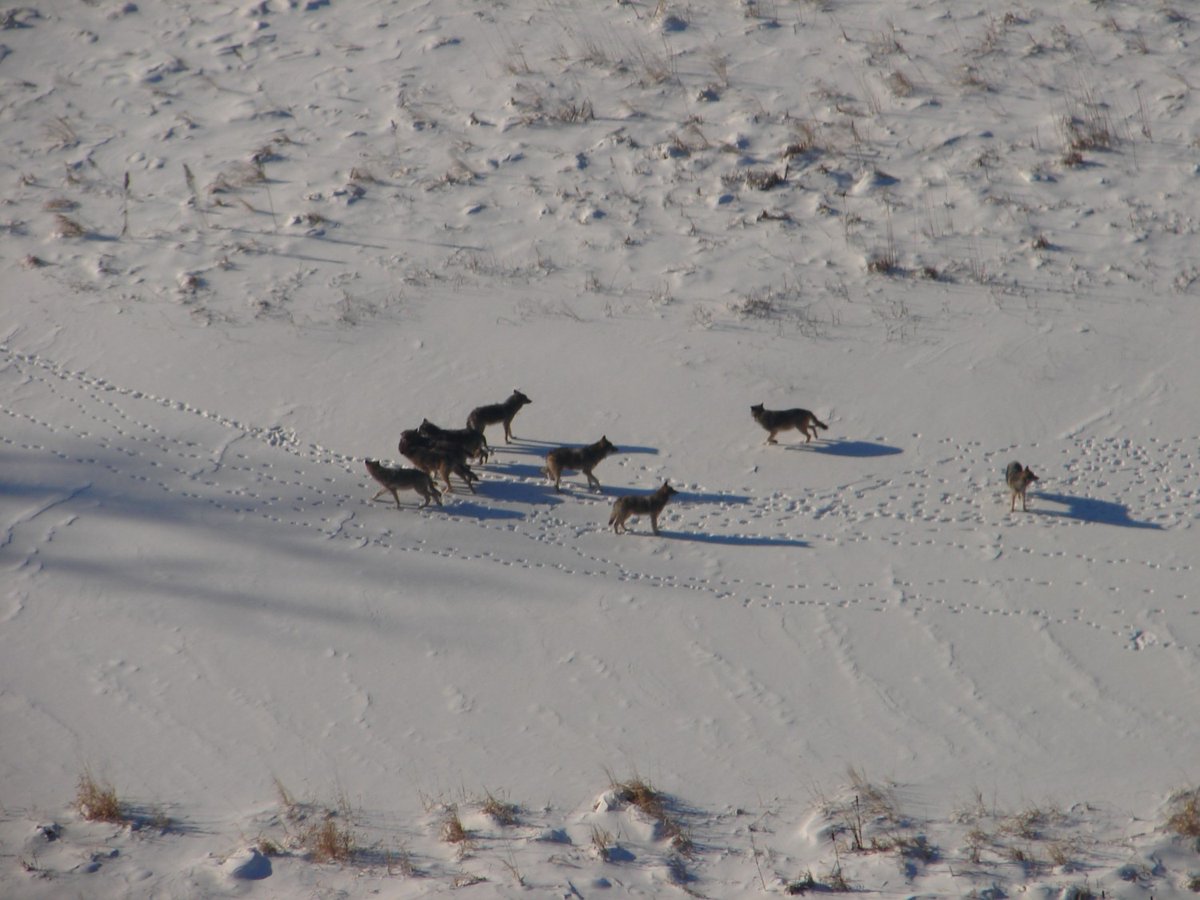
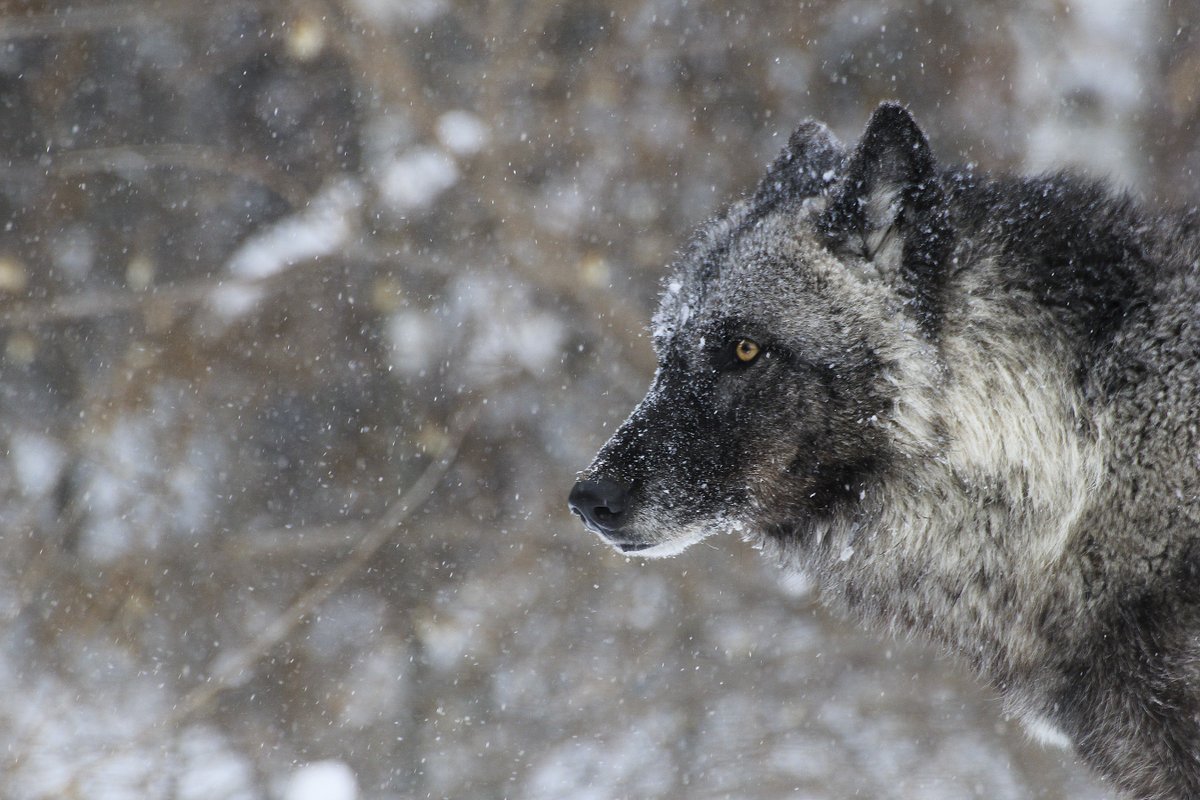
This wolf's sporting a collar🐺Since 2012, Minnesota DNR has conducted an annual wolf population estimate, based on average territory size and pack size of radio-collared #wolves. DNR also uses trail cameras, den checks and track surveys to monitor this elusive carnivore.
Since the late 1970s, Minnesota's wolf depredation management program, led by @USDA has helped address the impacts of wolves killing or injuring livestock and pets. Learn more about the program and its costs on page 13 in our wolf management plan draft: https://t.co/zRBK4hC4n4.
Livestock producers use several methods to make their animals harder to hunt than wolves' natural prey, such as fladry pictured here. Learn more about how producers are protecting their livestock non-lethally in our wolf management plan draft (pg. vii): https://t.co/zRBK4hC4n4.
🚨 Friendly reminder to start buying ammo now! 🚨 Hunting season will be here before you know it, and we don't want you to miss out on a season due to lack of ammunition.
Review our website for other tips to prepare for upcoming seasons: https://t.co/vUxiktCtQJ.
All Minnesotans have a say in how wolves are managed, and DNR has a responsibility to collect those opinions and create a plan informed by them and the best available science. Learn more about the draft plan at a webinar on Wednesday, July 13 at 6 p.m.: https://t.co/iR0FwCX6C9.
In the mid-1970s, Minnesota was the last stronghold for gray wolves in the lower 48 states. We're excited to share Minnesota's updated wolf management plan draft with you! Learn more: https://t.co/Xa8v7lUXNY. 🐺
📷 International Wolf Center
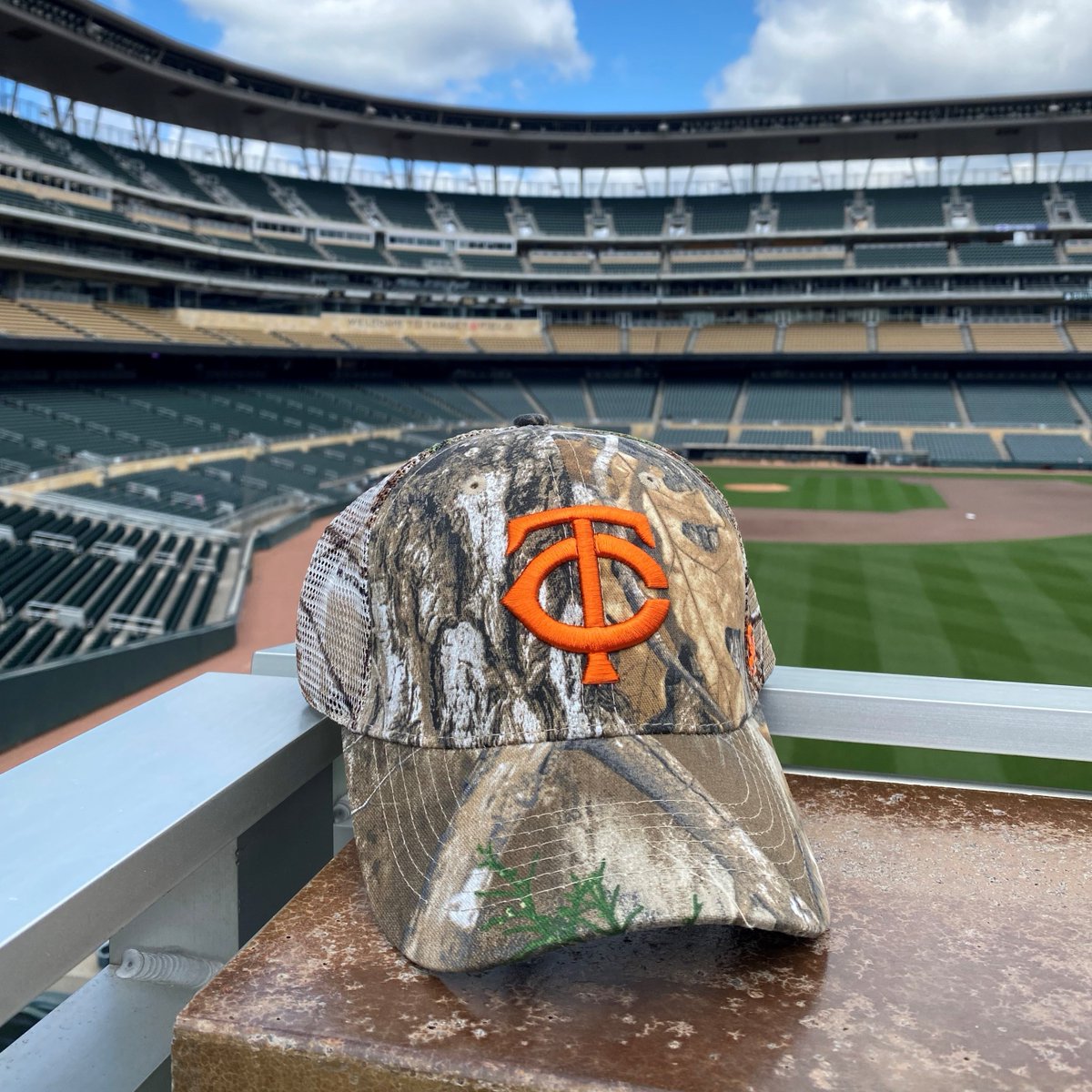
Join us for DNR Days at the Twins this weekend! Anyone with a 2022 hunting or fishing license can take home a free, special edition camo Twins cap. Purchase your game tickets via the link to get this special deal: https://t.co/0Ir5FLl7Kq️ ⚾️
Who says research can’t be interesting (or cute)? 🥹
DNR wildlife biologists just completed collaring 80 newborn fawns. The collars have GPS transmitters on them that track newborn fawn movement, dispersal rates, survival rates and habitat preferences. Learn more:
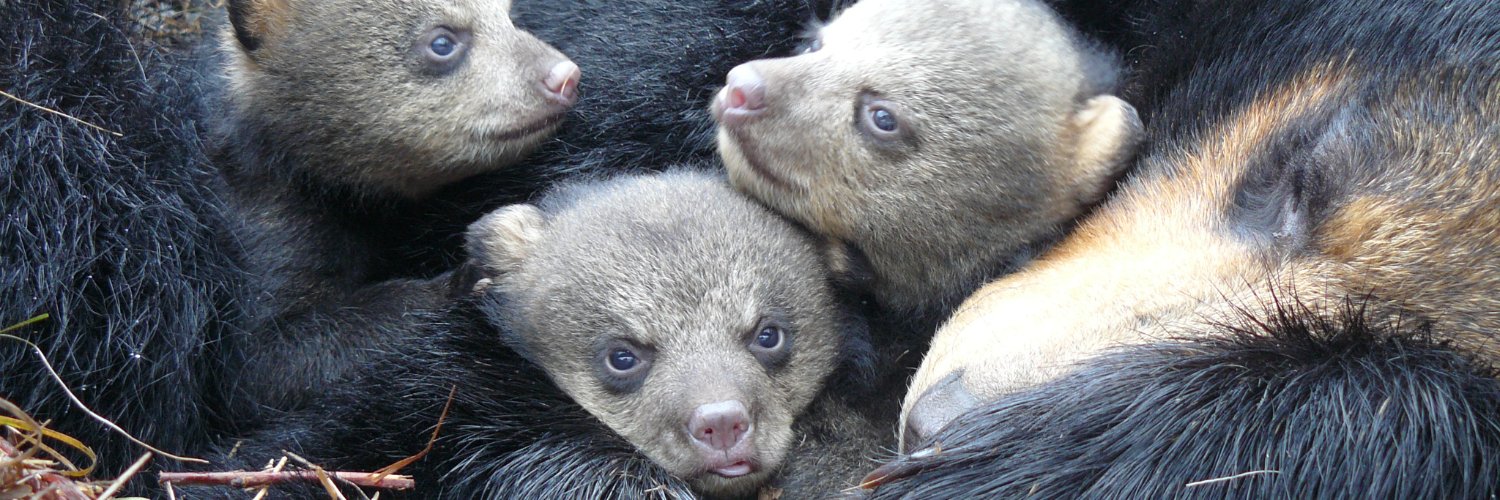
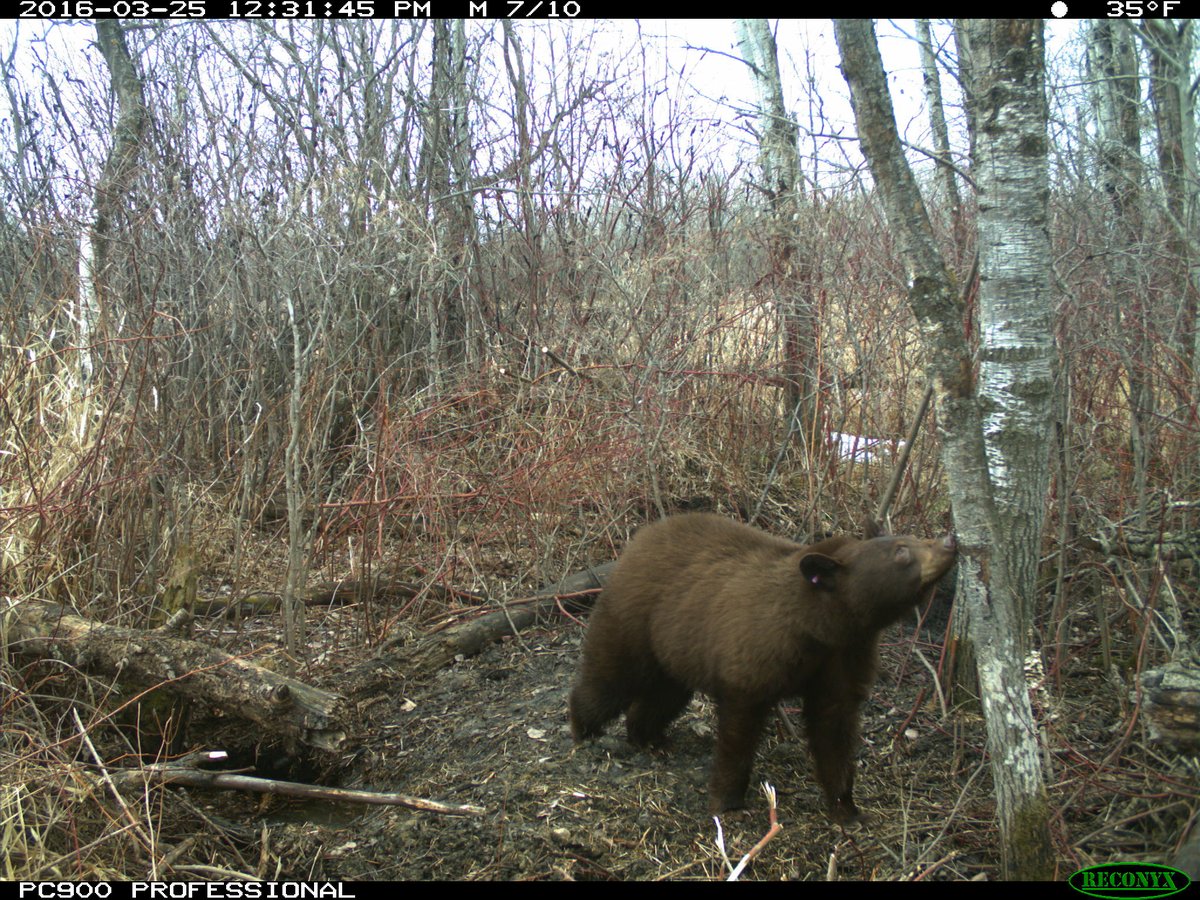
Did you know black bears aren't always black? While most of Minnesota's black bears are black (93%), it's not unheard of to see a chocolate (5%), cinnamon (1–2%), or even (very rarely) a white black bear.