Good news! My article received enough downloads to be a #topdownloadedarticle in its journal.
Thanks to all my co-authors and everyone involved in the investigation which led to the first direct detection of a twin-vortex mechanism in Saturn's upper atmosphere!
Best birthday present ever...our #hst30 Hubble proposal got APPROVED! We'll be observing the Ice Giants to increase the science output of JWST! My first proposal as PI to be accepted! https://t.co/NnOA5uUY45
By chance, I just found these beautiful cheatsheets for Matplotlib with Python: https://t.co/uSZECCYIUa
Might be useful for those of us who struggle remembering how to get Matplotlib to do what we want...
The book, Mothers in Astronomy, contains stories from an international group of mother astronomers. Among other things, the editors hope this will amplify the voices of mother astronomers and create a collective sense of empowerment. See their website: https://t.co/gGRCUvb5h7
I finally submitted my thesis earlier today.
It's exactly 4½ years to the day since I started my PhD and what a few years it's been!
Felt anticlimactic after handing in ~40k words resulting from nearly half a decade of work, but it is definitely a weight off my shoulders!
@littleNASA Thanks, Razzia!
Indeed - I can never sit still for too long so I'm sure that next step forward will likely be taken in the not too distant future...
Hope you're keeping well!
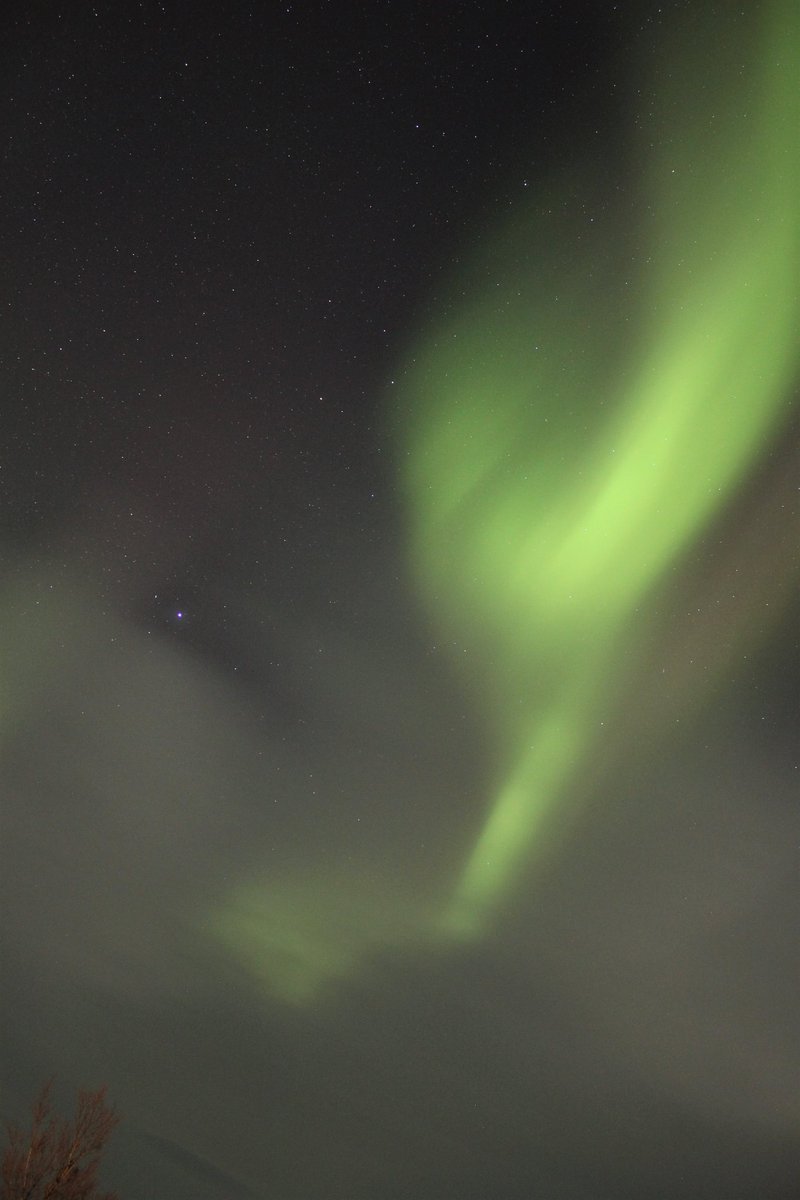
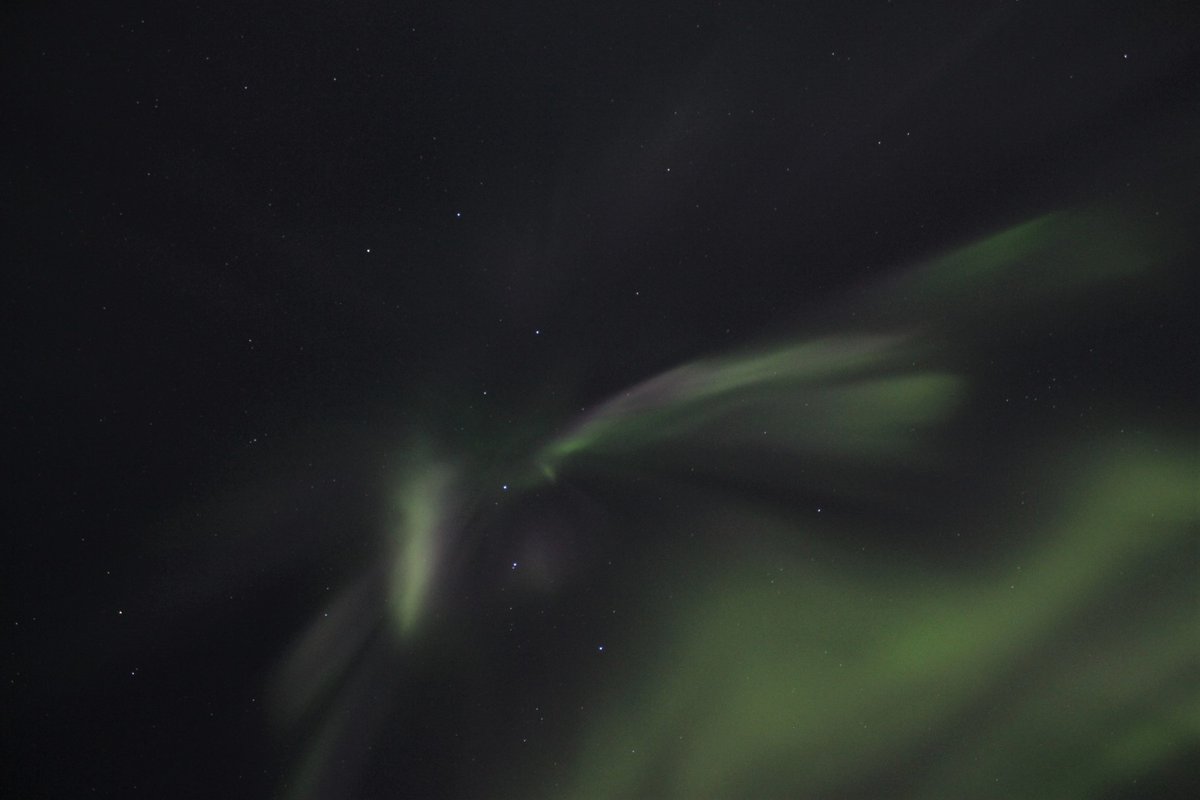
Lovely equinox aurora last Sunday! At the start of the night the solar wind conditions didnt look that promising but we got lucky 🌌🌟 it's a known effect that geomagnetic activity increases around the equinoxes so it was fun to see the aurora on equinox itself!
Last Saturday the Earth was hit by CME and I was lucky enough to be in Abisko! Ironically the night started with the aurora being too far south for us to see and we had to wait until around midnight for the aurora to come back north, but it was worth the wait!
They detect the proposed ionospheric twin-vortices that are considered to be responsible for the periodicities witnessed throughout Saturn’s planetary and magnetospheric environments in the ion flows.
Chowdhury et al. investigate ion flows in the search for a signature of the twin-vortex mechanism in the planet’s upper atmosphere that was purported to drive the observed periodicities in the magnetic field at Saturn.
This weather system was originally proposed by Chris Smith in a paper in Monthly Notices of the Royal Astronomical Society in 2011 (doi:10.1111/j.1365-2966.2010.17602.x) – and it is these modelled flows that we show here.
This set of two vortices rotate around the pole of the planet, driving currents within the ionosphere, which then reach out into the surrounding magnetosphere, producing the bright aurora and magnetic field changes observed by Cassini.
Shown here is an example of the type of winds within the upper atmosphere that are driving the ionosphere to move in the way observed in this new paper.