board-certified neuropsychologist by day🧠darkwave dance sensation by night🪩🖤🥀 Parkinson’s disease and dementia with Lewy bodies researcher💓metal maniac🤘🏻
Myths related to DBS remain common, despite evidence about its relative safety. Dr. Chengyuan Wu and Dr. Delaram Safarpour discuss their recent studies on DBS risk compared to other common procedures and expert consensus recommendations for DBS referrals. https://t.co/Ec0DrsZV52
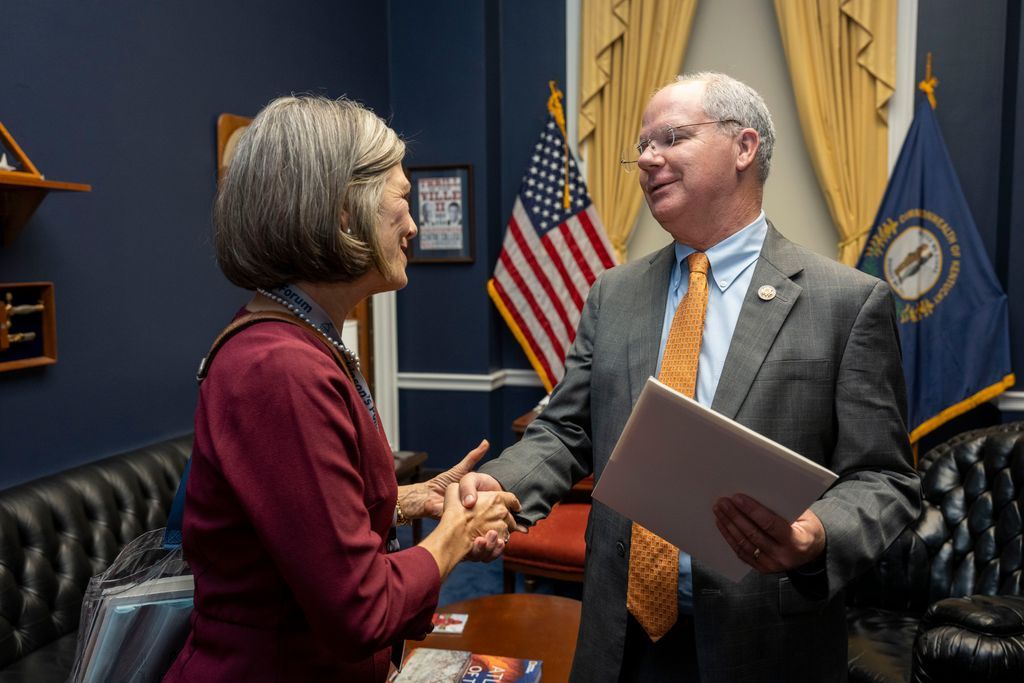
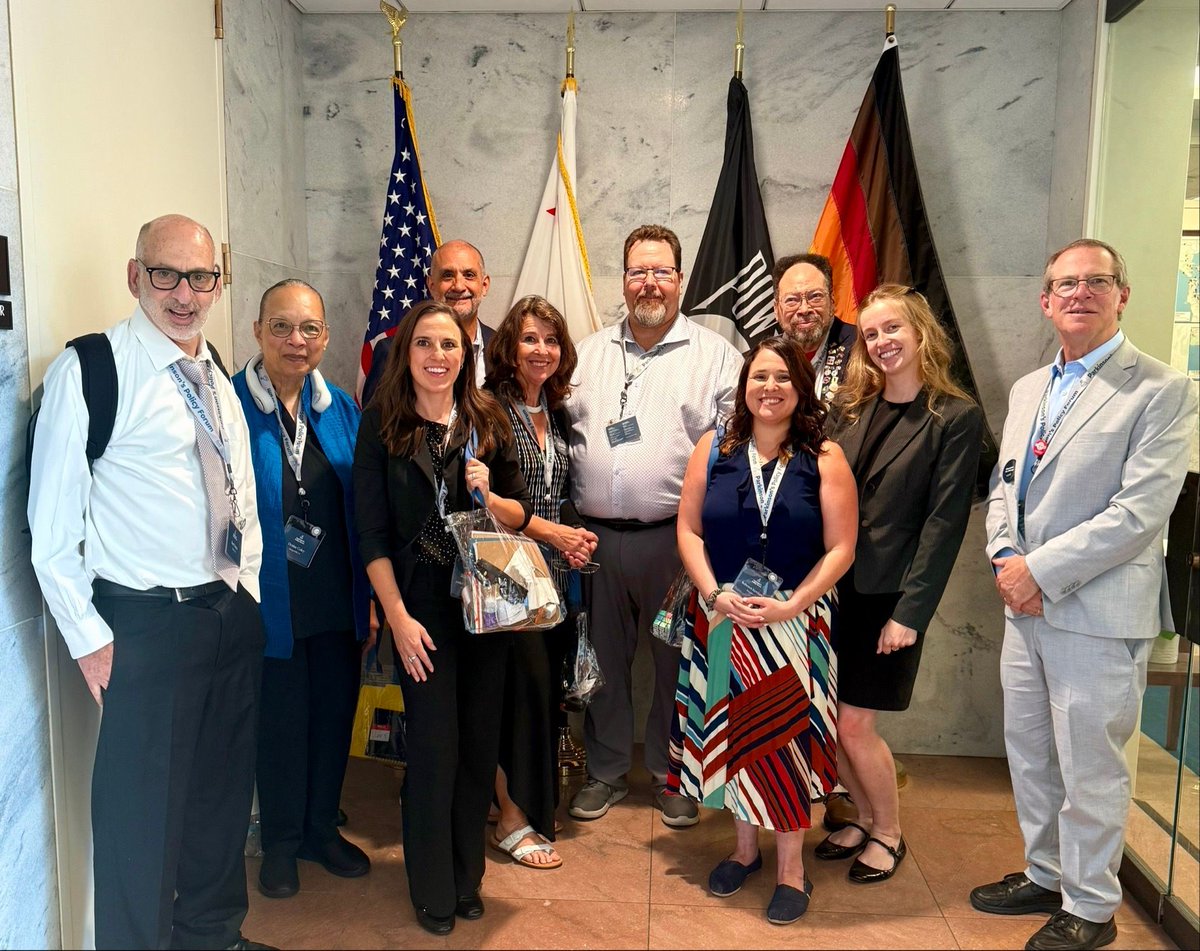
Proud to be back in DC with @alzMNND, @alzassociation, and @ALZIMPACT advocating for the bipartisan #ASAPAct to cover blood-based tests, #AADAPT Act to expand provider education, and increased federal investment in dementia research and support programs💜 https://t.co/L5dTvWCHun
🚨 Short videos focused on different aspects of thinking abilities that can be impacted in Lewy Body Disease, along with practical tips for daily functioning
LBDA’s latest Lewy Learning Center course, Unpacking Cognition in Lewy Body Dementia, is now available. This course will help you better understand and address the cognitive changes associated with #Lewybodydementia.
Unpack cognition at your own pace: https://t.co/dRx9fonik5
Join Dr. Matt Barrett of Virginia Commonwealth University for “Making Sense of Medications in Lewy Body Dementia,” to learn about commonly used medications in LBD, why certain drugs may be helpful, and which ones should be avoided.
📆 May 20 at 1pm ET
🔗 https://t.co/vpHFx4DKBb
Parkinson’s is not a $50 billion problem, it is an $82 billion crisis. Economic burden means the total cost of a disease including medical care, lost work, caregiving and everyday life expenses. A new report led by the The Michael J. Fox Foundation in partnership w/ APDA and Parkinson's Foundation shows just how dramatically we have underestimated the true cost of Parkinson’s and related disorders in the United States.
Key Points:
- The total economic burden of Parkinson’s disease and atypical parkinsonism in 2024 is estimated at over $82 billion annually, far exceeding prior estimates near $50 billion.
- Costs extended far beyond medical care and included indirect costs like lost income and productivity as well as non-medical costs such as home modifications, transportation and caregiving.
- Care partners contribute substantially to the economic burden, with billions of dollars in lost wages and productivity tied to caregiving responsibilities.
My take: This is a wakeup call. Parkinson’s is not just a neurological condition, it is an economic and societal challenge affecting families, communities and health systems. We have been undercounting the true impact for years. When we include care partners, lost productivity and real world expenses, the numbers tell a much bigger story.
Here are 5 points that resonated w/ me:
1- Parkinson’s is a whole family disease and the costs extend far beyond the individual living w/ the diagnosis.
2- Non-medical costs such as transportation, housing and daily support are major drivers and have been underestimated.
3- Care partners are carrying a hidden economic burden that must be recognized and supported.
4- Government programs shoulder a large portion of the cost, highlighting the need for policy level solutions.
5- If we do not act on prevention, access and better treatments, these costs will continue to rise rapidly over the next decades.
https://t.co/XGMY8JyB0q @MichaelJFoxOrg@APDAParkinsons@ParkinsonDotOrg
I am a constituent in Minnesota’s 5th district and I encourage Rep @IlhanMN to cosponsor HR 6130 Alzheimer’s Screening and Prevention Act (ASAP ACT) which has bipartisan support to expand Medicare coverage of blood-based dementia screening tests
@ALZIMPACT https://t.co/SUs7GCUFas
“We need ASAP A.S.A.P.” @RobertEgge in his closing remarks urges the passage of the bipartisan #ASAPAct so Medicare can cover routine Alzheimer’s blood tests. Add your voice today: https://t.co/YKdZKUl7eT.
Hello #NeuroTwitter 👋
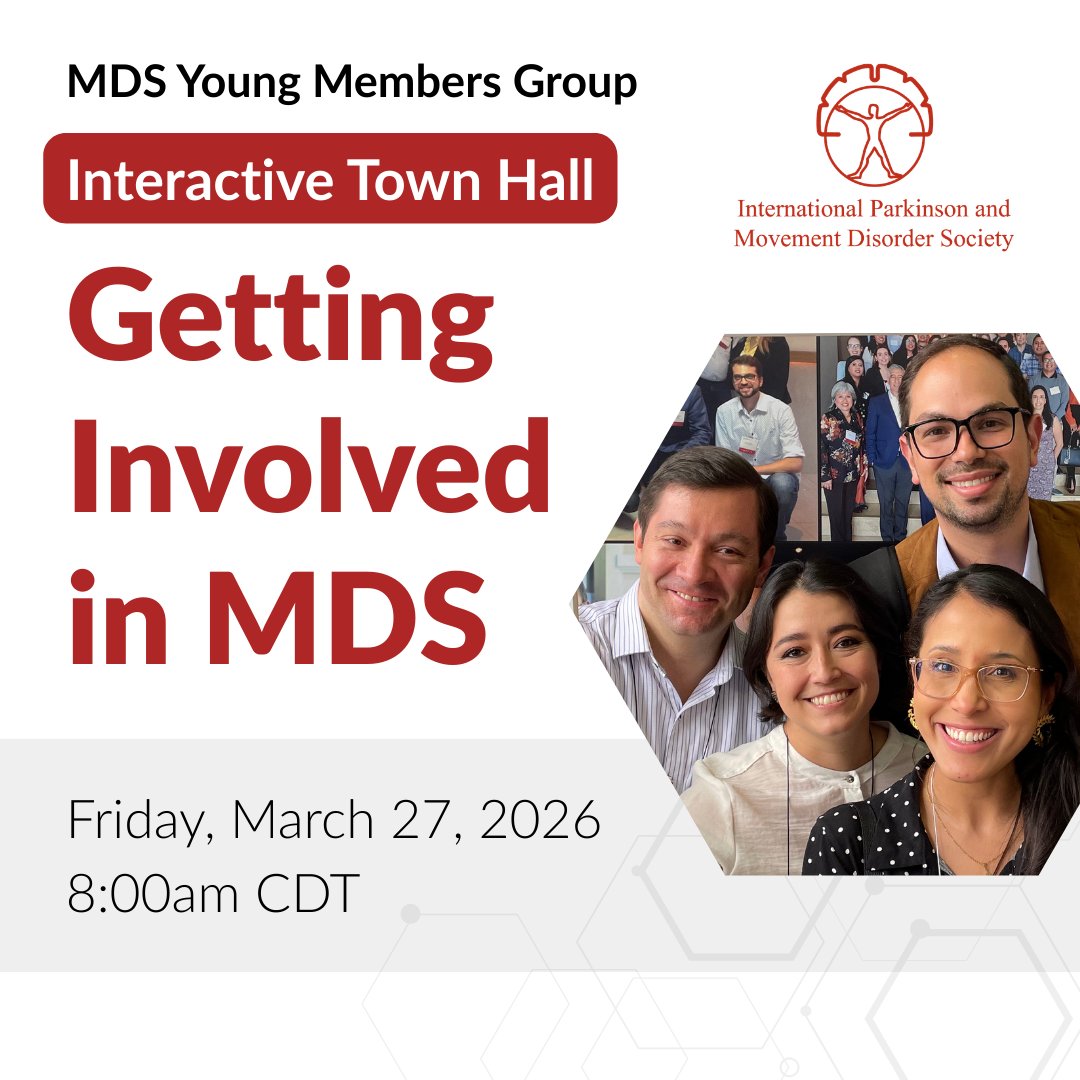
A reminder that the first MDS Young Members Town Hall will take place on March 27 | 9 AM EST!
An incredible chance for trainees to connect and get involved with the @movedisorder
See you there!
Register:
https://t.co/rch6JyKum4
@AANmember @TheNewANA1
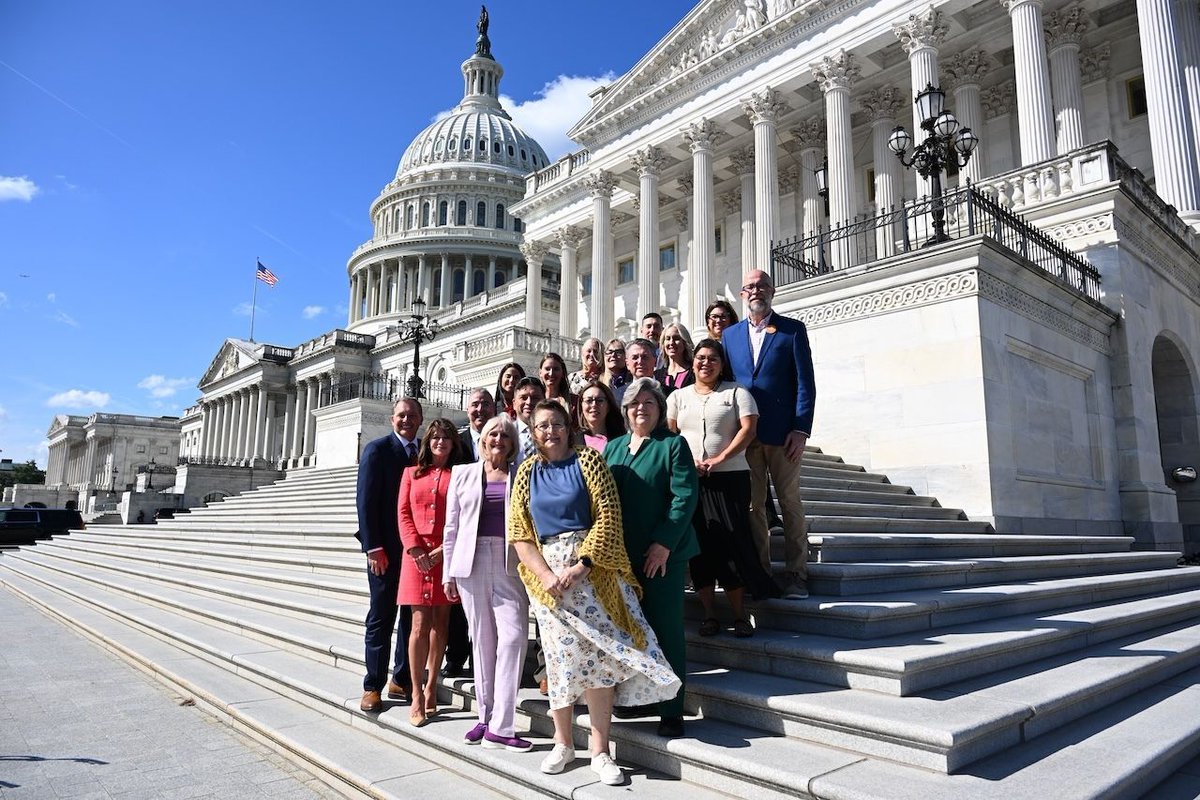
Tomorrow, more than 300 Parkinson's advocates will join us in Washington D.C. for the Parkinson's Policy Forum! Advocates are traveling from all 50 states to meet with their members of Congress, share their stories and talk about why we need our government to prioritize brain health research for the millions of Americans living with diseases like Parkinson's.
To our advocates at home, you can get involved by contacting your members of Congress from wherever you are. Visit https://t.co/hpoHu7NRRf for an email template and directions to get connected to your representatives.
Make sure to follow along this week to follow the action! #PDPolicyForum
Here is a look back at our event last year!
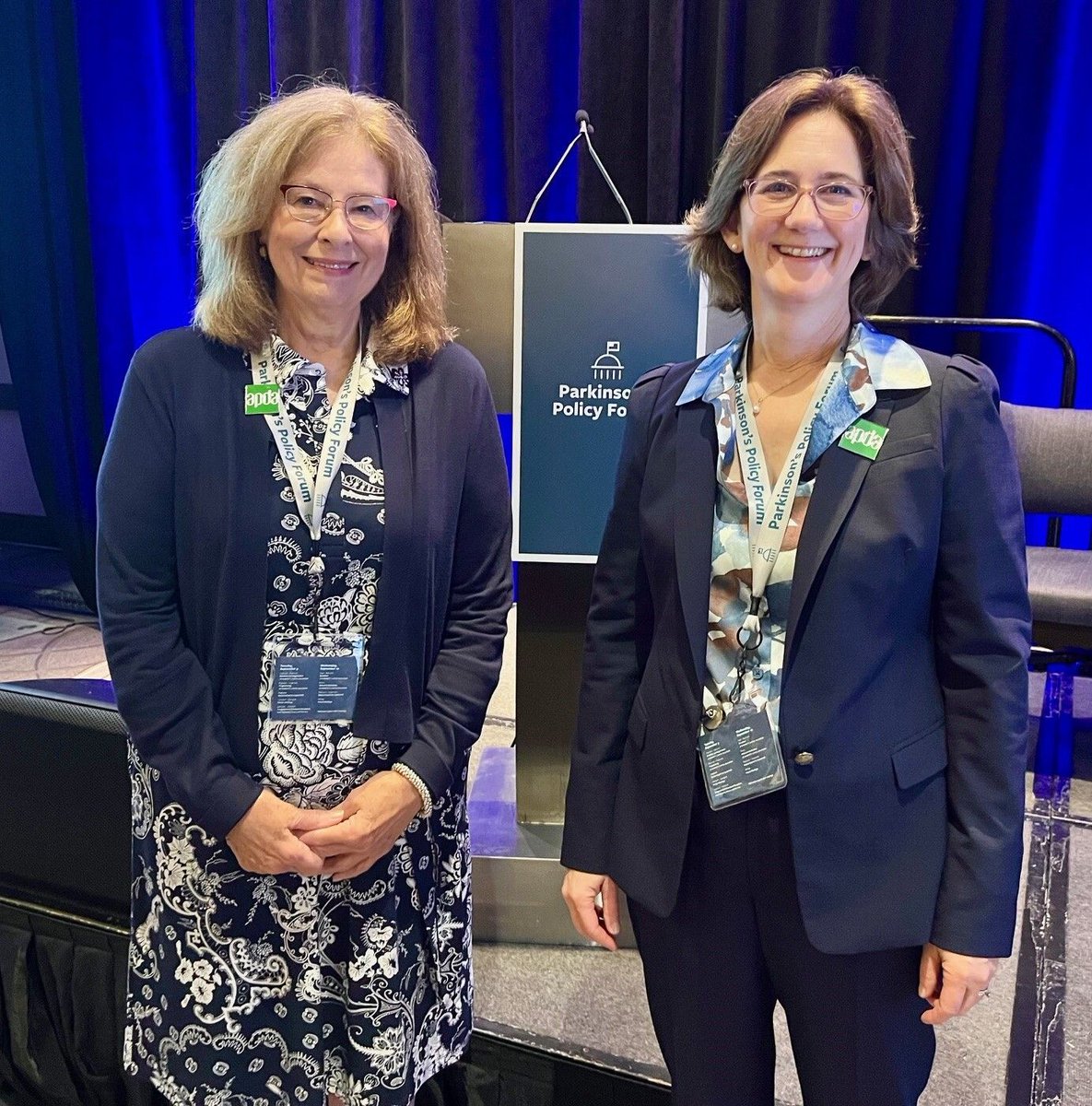
Thrilled to be back on Capitol Hill for the Parkinson’s Policy Forum! Honored to serve as the Minnesota State Lead
We urge Congress to co-sponsor the HEALTHY BRAINS Act and fund $600 million for NIH research on Parkinson’s, Lewy body dementia, and atypical Parkinsonian disorders
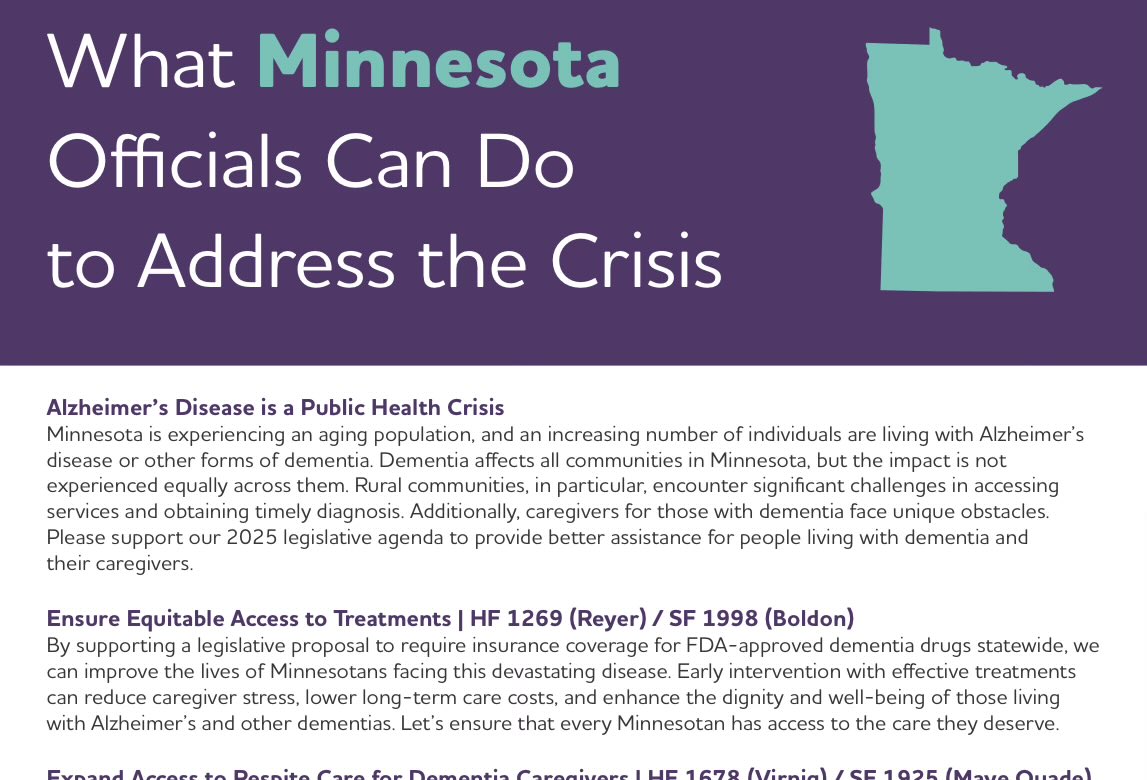
Spent the day at the MN Capitol with @alzMNND and fellow advocates supporting the legislative proposal SF1998/HF1269 to ensure equitable access to FDA-approved dementia treatment in Minnesota.
Thank you, Senator @ZaynabMMohamed for your time and support! #MN63#endalz
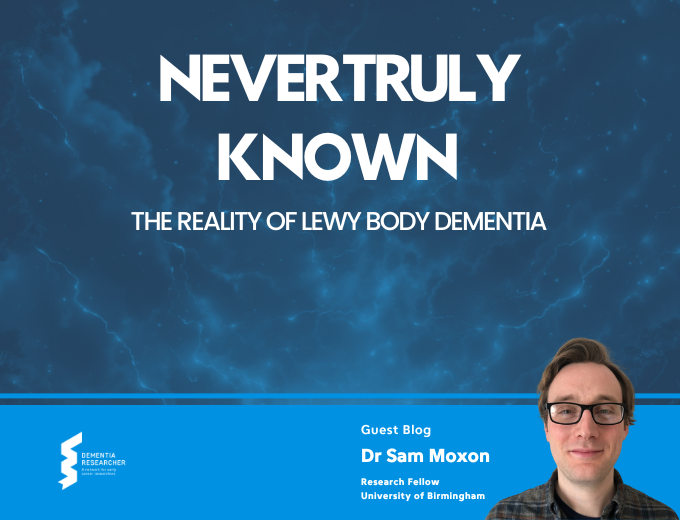
Lewy body dementia rarely follows a clear path. In this guest blog, @DrSamMoxon shares why uncertainty is often the hardest part for families.
Our last and important blog for our LBD focus week.
https://t.co/TDFS1A6AZc
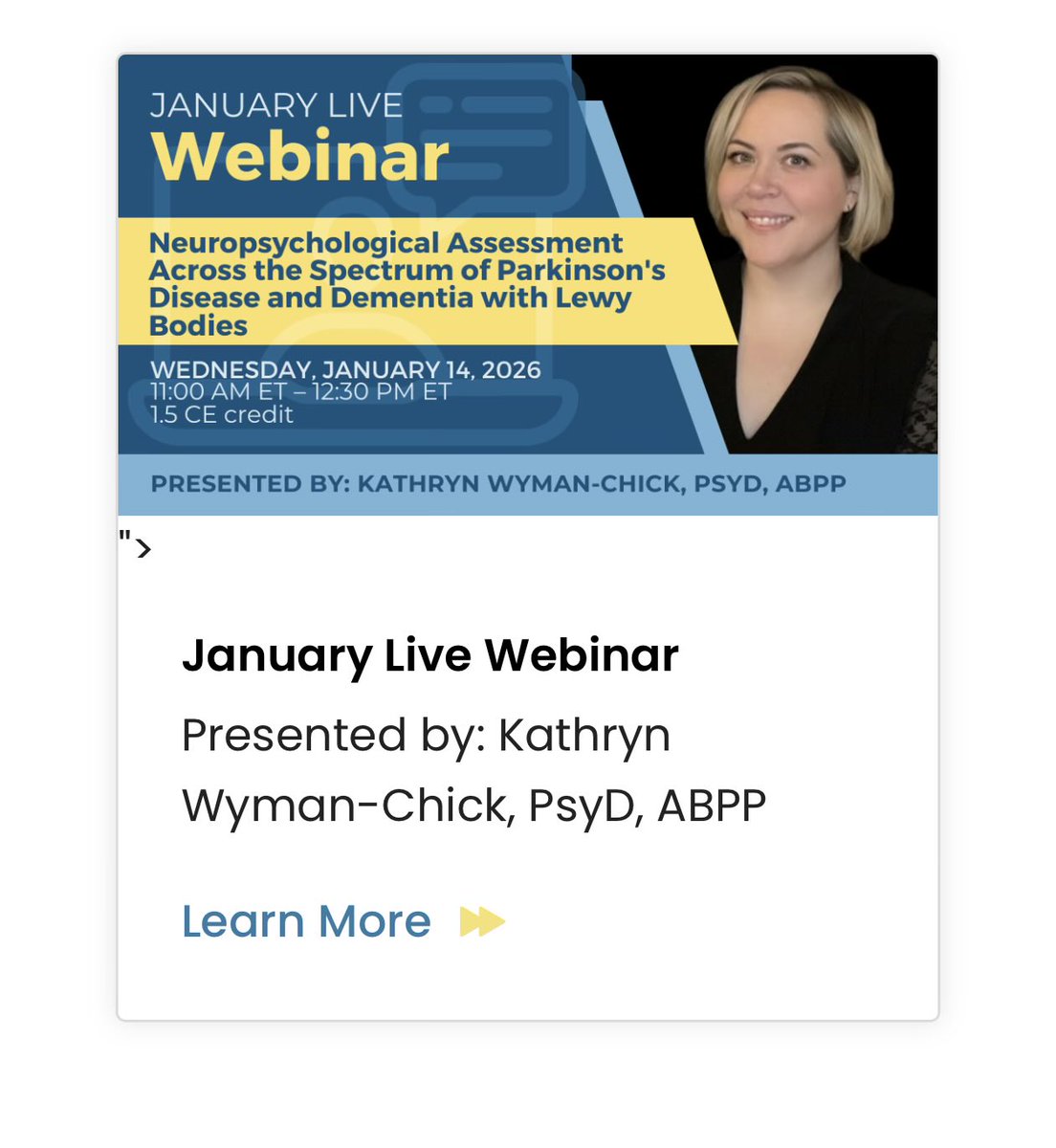
Join me tomorrow for the National Academy of Neuropsychology’s January Live Webinar on Parkinson’s disease and dementia with Lewy bodies. 1.5 CE credits @NANneuropsych ✨🧠✨
Register here
https://t.co/ycaLSeHG93
By 2050, Alzheimer’s & dementia could cost the U.S. nearly $1 trillion. Investing in research today means better outcomes in the future. Add your voice to the bipartisan call to increase research funding at the NIH by an additional $113.485 million. https://t.co/V8ikaNFbiD
The ILLUMERA Study is a clinical research study testing an investigational medication designed to help reduce hallucinations and delusions in people with #Lewybodydementia, including both DLB and PDD.
Learn more about the study today: https://t.co/SVsgqgo5d1
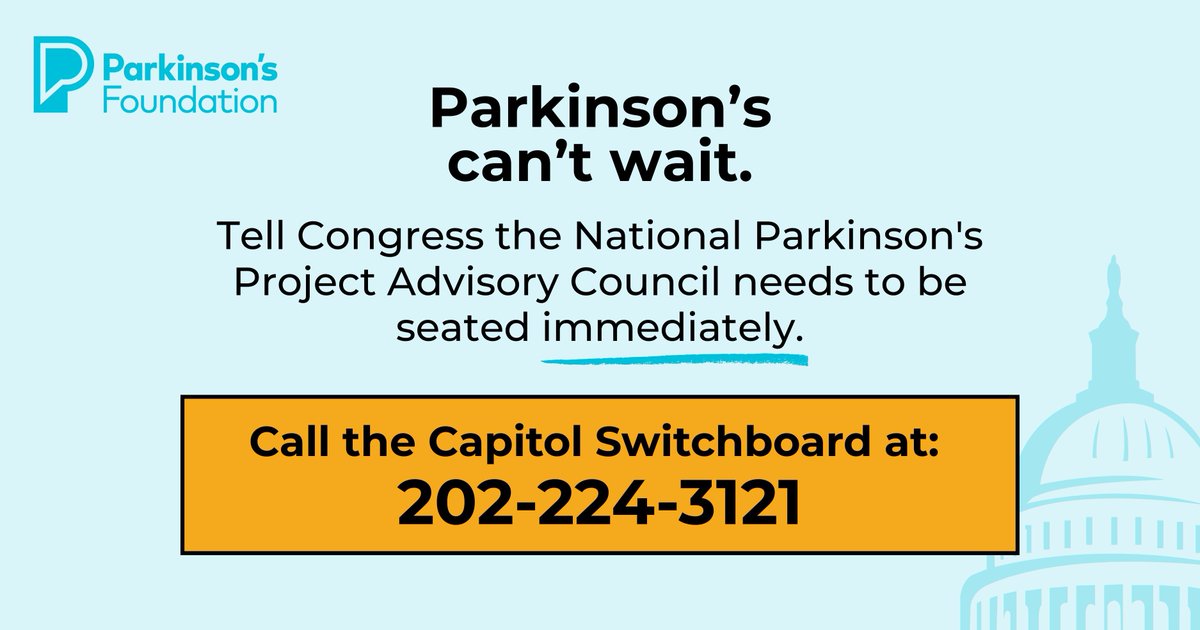
Congress passed the National Plan to End Parkinson’s with overwhelming bipartisan support in 2024—but since then, progress has stalled. The National Parkinson’s Project Advisory Council has still not been seated, and the project is already behind on its first statutory deadline.
Today, the Parkinson’s Foundation and our partner organizations called on Secretary Kennedy to end the delays and seat the Advisory Council.
You can take action too: Call the Capitol Switchboard at 202-224-3121 to be connected directly to your member of Congress and ask them to press the Dept. of Health and Human Services to immediately seat the National Parkinson's Project Advisory Council. #WhereIsThePDPlan
The @MayoClinic is hosting a professional education event in collaboration with @LBDAssoc focused on Lewy Body Dementia (1.5 CME). It will take place 11:30-1:30 on Fritz Lewy’s birthday (January 28th) in Rochester MN. A live, virtual option is available!
https://t.co/cDszMMGl9L
At this very moment, you or someone you know is living with #Lewybodydementia. Monthly giving sustains crucial support services for families, providing access to trusted guidance and meaningful connections in safe spaces all year long.
Become a supporter: https://t.co/i3Rophomvu
Still deciding on a New Year’s resolution? You can join the fight to #ENDALZ as an advocate. By sharing your story, you can help those impacted by dementia get the quality care and support they need. https://t.co/jCAGYhjYua