Curiosity, knowledge, and openness fuel my journey. MSK health advocate, lifelong learner, proud father, and the world's most average runner.🏃♂️🏋️♂️📖
Check out this talk by the inimitable Chris Fields:
https://t.co/CaybamXwkk
on Interesting Behavior - physics, cognitive science, what more could you ask for.
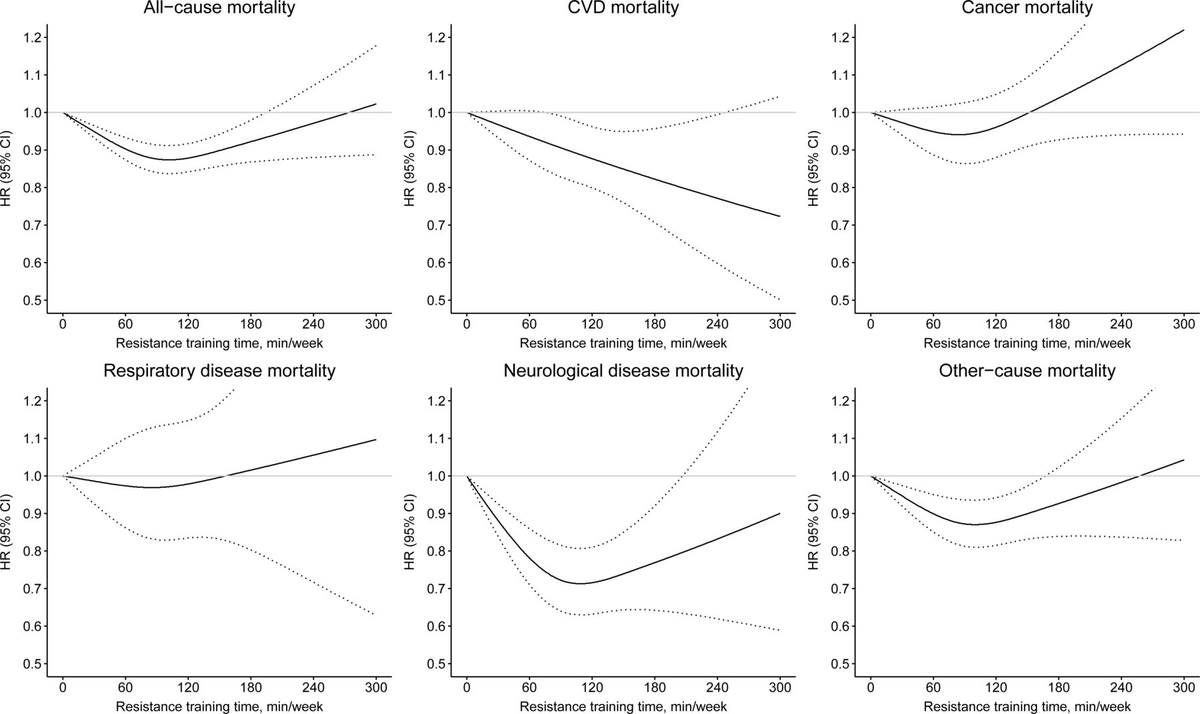
Strength training for 90-120 minutes per week is associated with up to a 30% lower risk of death from all causes, CVD, cancer, and neurologic disease.
That seems to be the upper limit - no additional benefit was observed above 120 minutes of strength training per week.
These benefits were independent of total aerobic activity, but combining strength training with ~5-15 hours of moderate-to-vigorous-intensity aerobic activity reduced all-cause mortality risk by 45%!
Clear message here is: "do both."
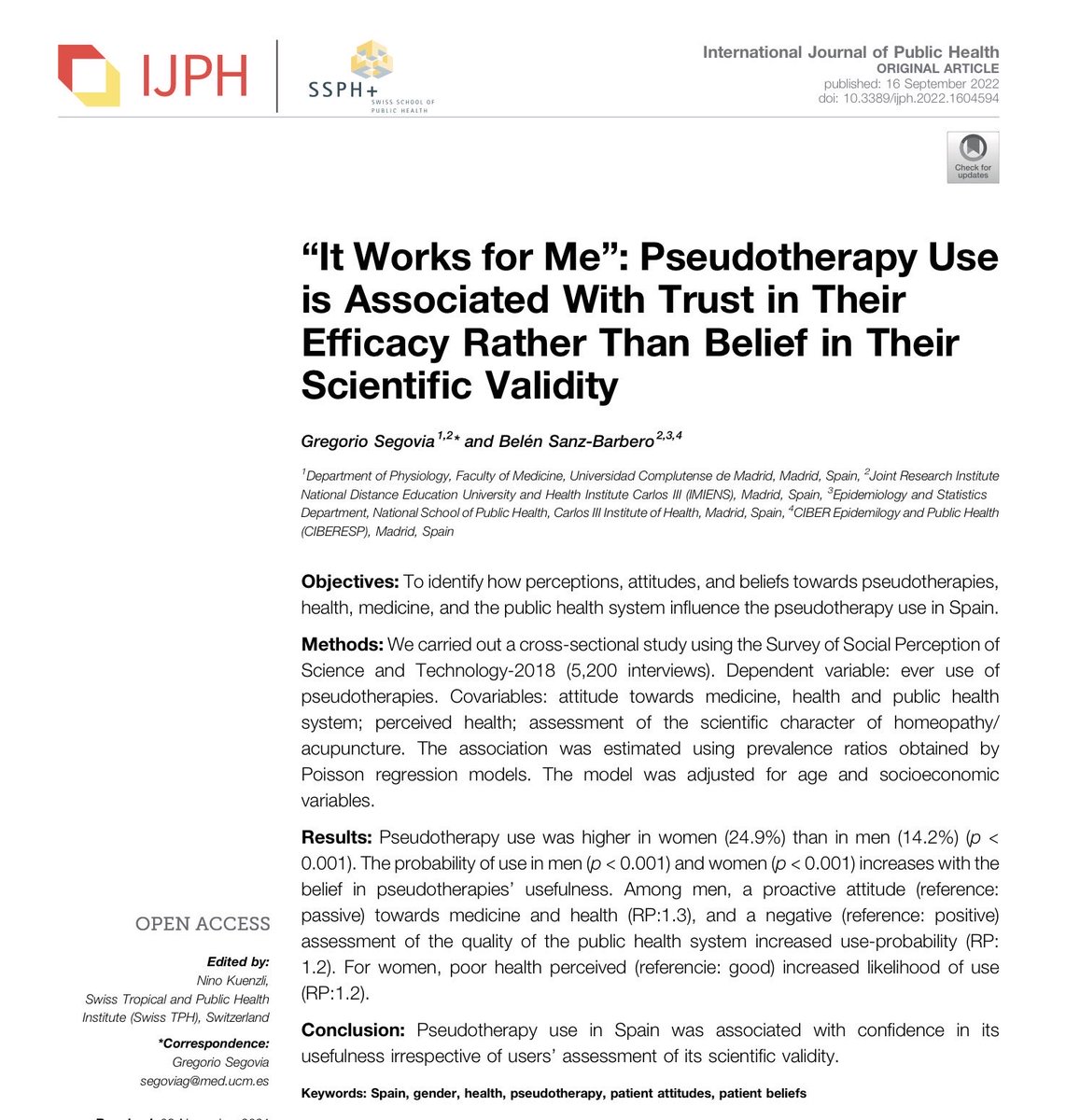
“It Works for Me”: Pseudotherapy Use is Associated With Trust in Their Efficacy Rather Than Belief in Their Scientific Validity
https://t.co/24I2U0Y8sE
Pseudotherapy use was associated with confidence in its usefulness irrespective of users’ assessment of its scientific validity.
Finings of an exhaustive review of alcohol effects on 20 health outcomes from 843 studies
https://t.co/Xnzg1LGpGp
—"Current evidence does not support a universally
applicable threshold for alcohol consumption that maximizes health for all."
Associations:
—Increased risk of 10 cancers, pancreatitis, cirrhosis, tuberculosis, atrial fibrillation, pneumonia
—Decreased risk of ischemic heart disease, Type 2 diabetes, Alzheimer's disease, ischemic and hemorraghic stroke (with low-moderate intake)
"Our findings should not be interpreted as endorsing alcohol consumption for health benefits."
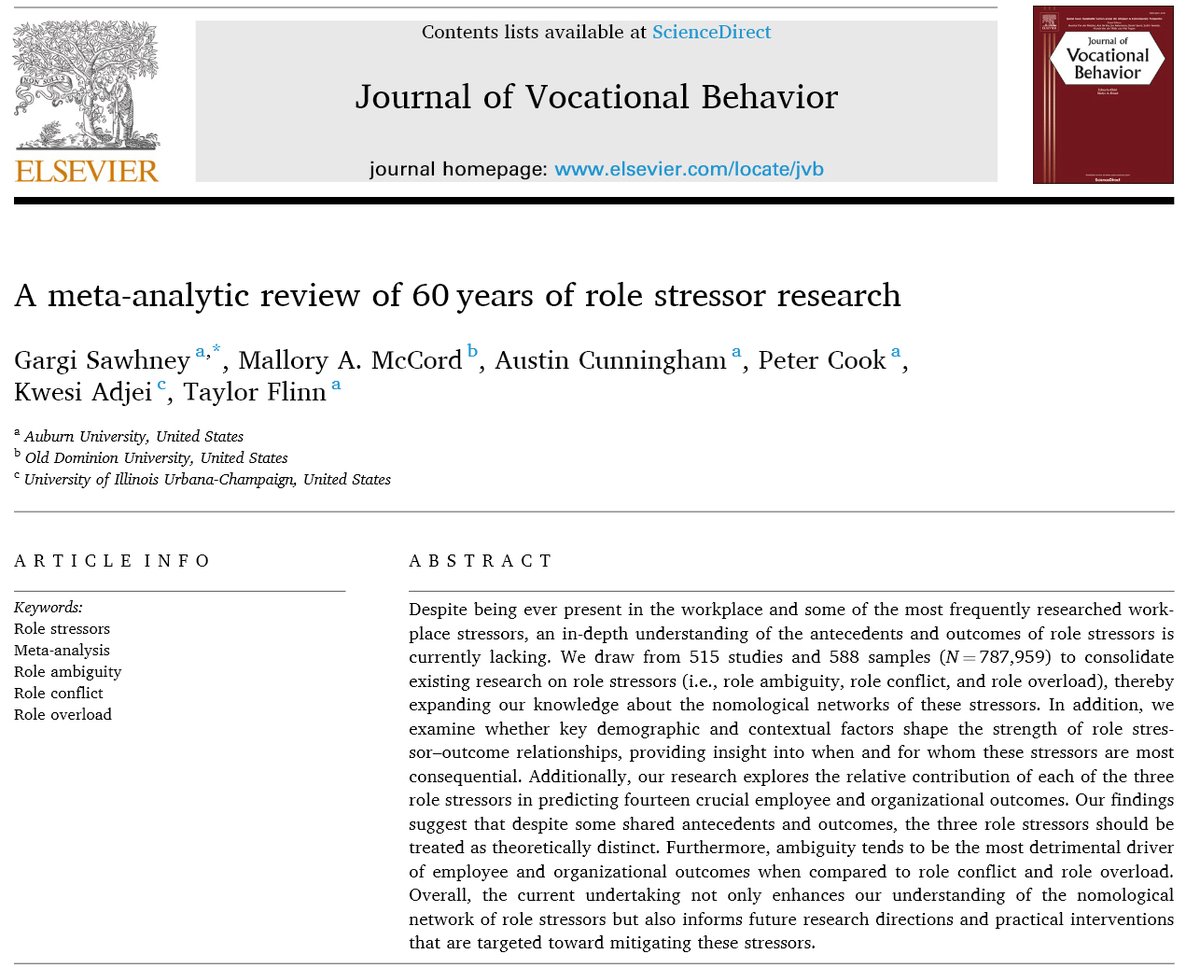
Not knowing what to do is as stressful as having too much to do.
515 studies, 787k people: Role ambiguity and role conflict are at least as detrimental to well-being and performance as role overload.
Setting clear, consistent expectations is a foundation of good leadership.
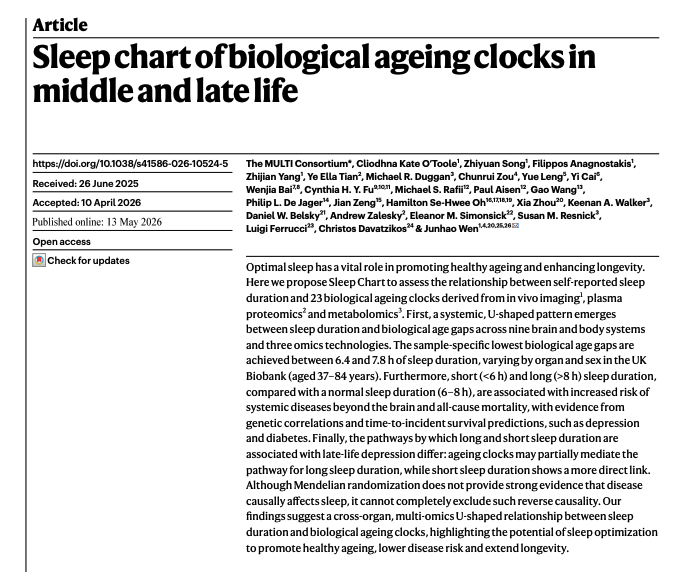
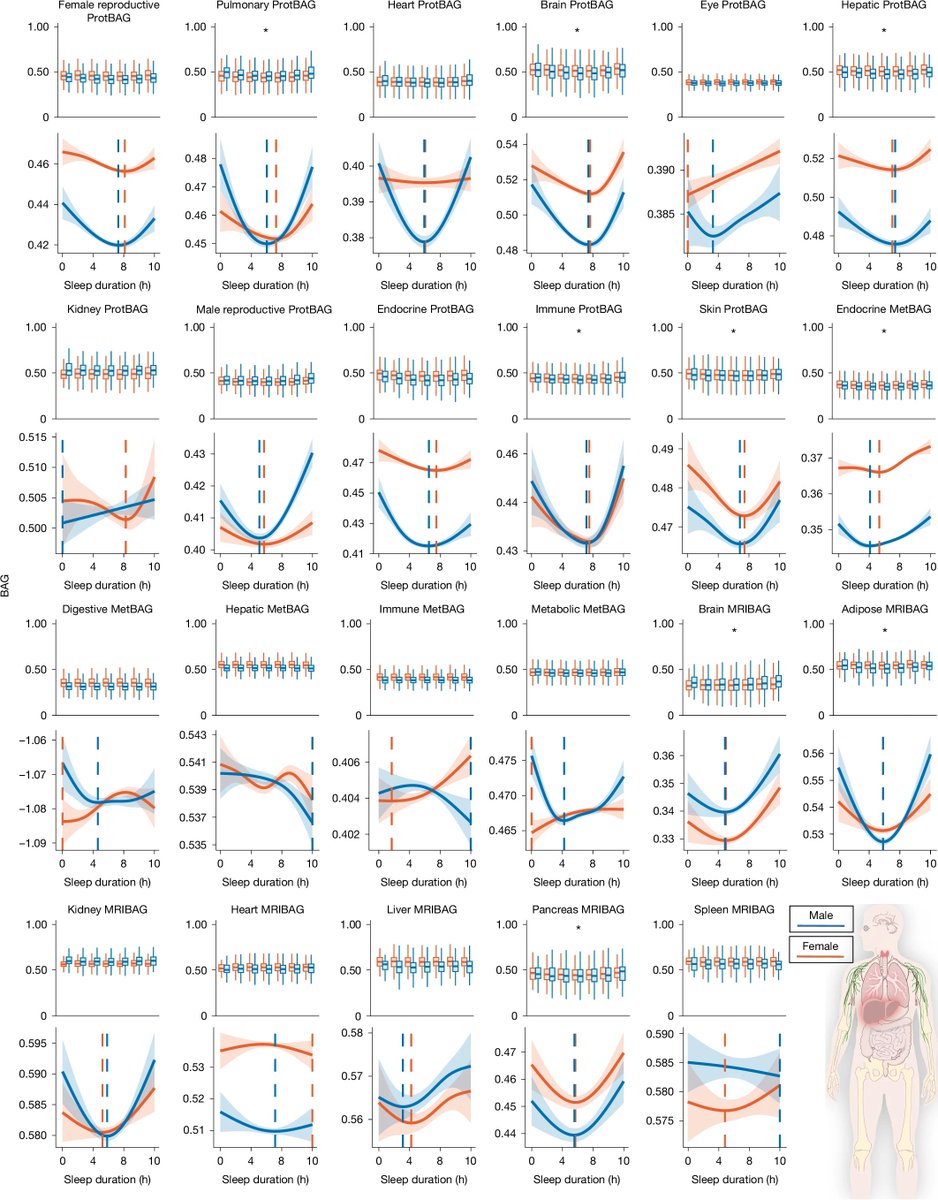
The sleep "sweet spot" for biological aging isn't 8 hours per night.
6.4-7.8 hours was associated with the lowest biological age gaps across 23 organ-specific clocks including the brain, liver, pancreas, skin, and adipose tissue.
Short (<6 hours) and long (>8 hours) sleep were both associated with higher biological aging, but likely for different reasons.
Short sleep may directly cause aging, while long sleep may reflect underlying disease or pathology - something that causes someone to require more sleep due to fatigue, recovery, or poor sleep quality.
New @AnnalsofIM
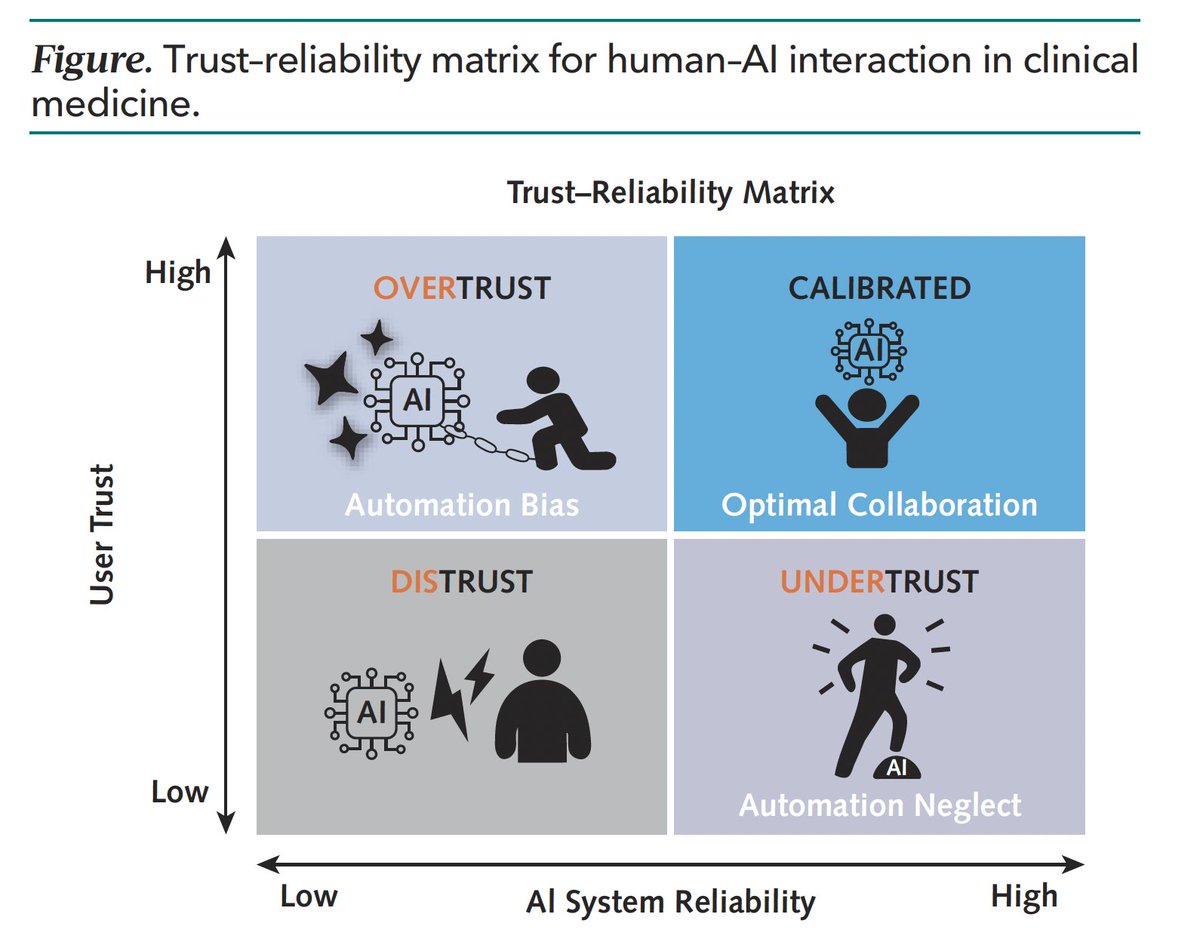
"The Human Factor in Clinical AI: Why Technology Alone is Not Enough"
Gets into the trust issue and concludes: 'The most important question in medical AI may not be “how accurate is the algorithm?” but rather “how do we calibrate the relationship between clinician and machine?'
https://t.co/n4ijxrm7o9
Just 10 minutes of cycling improved executive function reaction time by 20-27 ms, making participants ~7-10% faster on the task.
Executive function is your brain's ability to control attention and make the right response instead of the automatic one.
Even a little bit of exercise can make you mentally sharper.
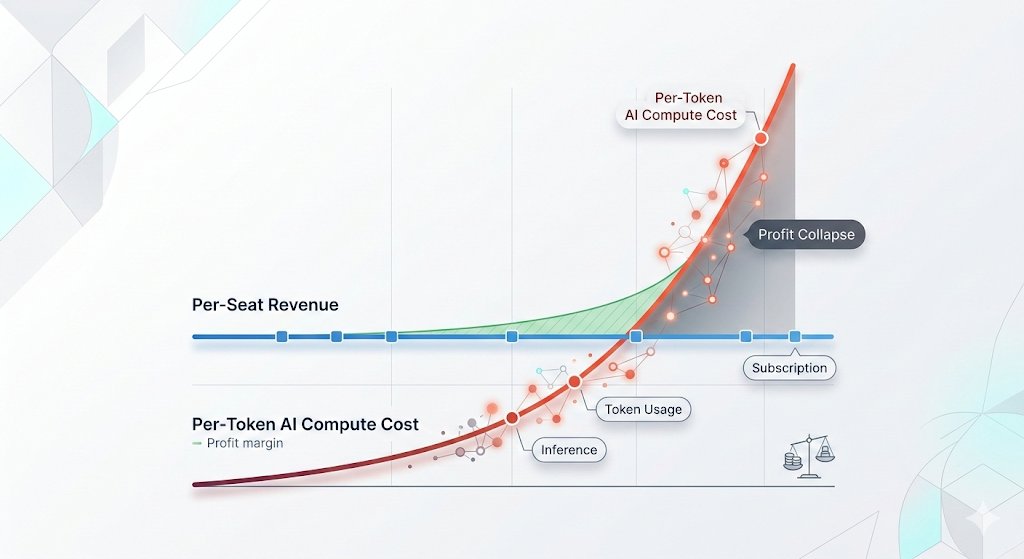
🦔Microsoft canceled its internal Claude Code licenses this week after token-based billing made the cost untenable, even for a company with effectively infinite cloud resources. Uber's CTO sent an internal memo warning the company burned through its entire 2026 AI budget in just four months. American AI software prices have jumped 20% to 37%, and GitHub (owned by Microsoft) is dropping flat-rate plans for usage-based billing across its products.
My Take
The AI subsidy era is ending in real time. The same company that put $13 billion into OpenAI and built the Azure infrastructure powering most of Anthropic's compute just looked at the bill from a competitor's coding tool and decided it was not worth paying. That is not a productivity failure on Anthropic's end. Token-based pricing is forcing every enterprise customer to confront the actual cost of running these models at scale, and the number turns out to be far higher than the flat-rate experiments suggested.
This ties directly to my Gemini Flash post yesterday. Anthropic, OpenAI, and Google all raised effective prices in the last six months. Enterprises that built workflows assuming AI costs would keep falling are now watching annual budgets evaporate in months. Two outcomes look likely from here. Either enterprises scale back AI usage to fit budgets, which slows the revenue ramp the labs need to justify their valuations ahead of IPOs, or the labs cut prices and absorb the losses, which makes the unit economics worse at exactly the wrong moment. Both paths land in the same place, the numbers stop working, and somebody has to take the writedown.
Hedgie🤗
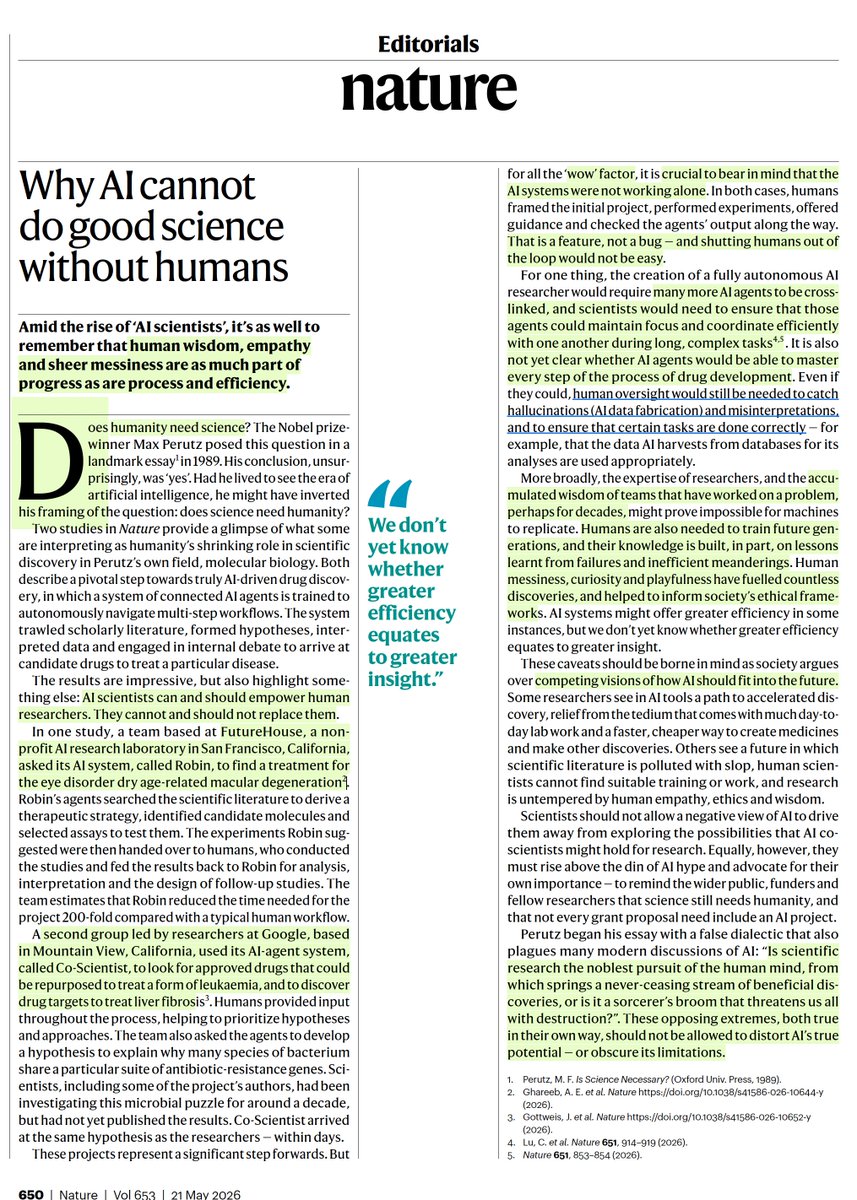
Important editorial @Nature on the new "AI-scientist" papers
"AI scientists can and should empower human
researchers. They cannot and should not replace them."
https://t.co/CZQUrMV8D1