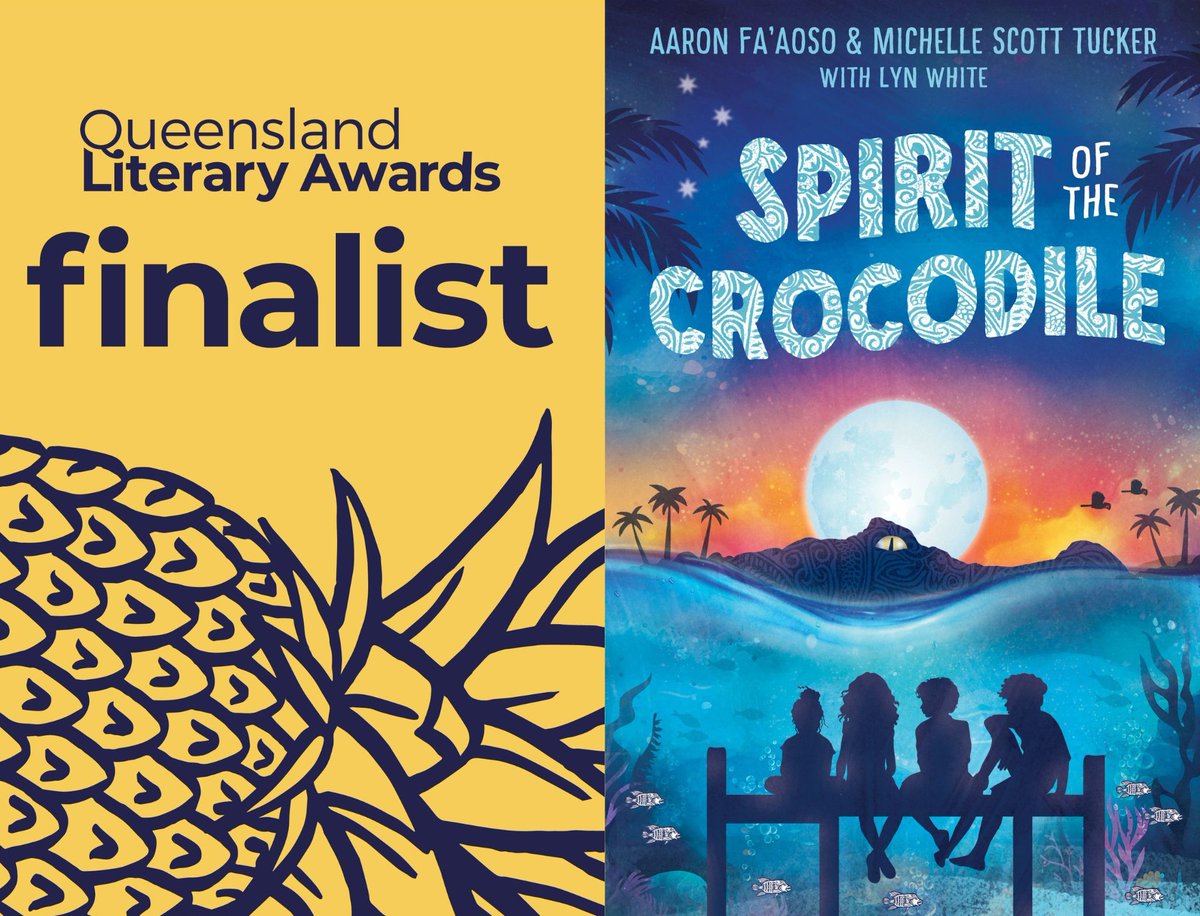
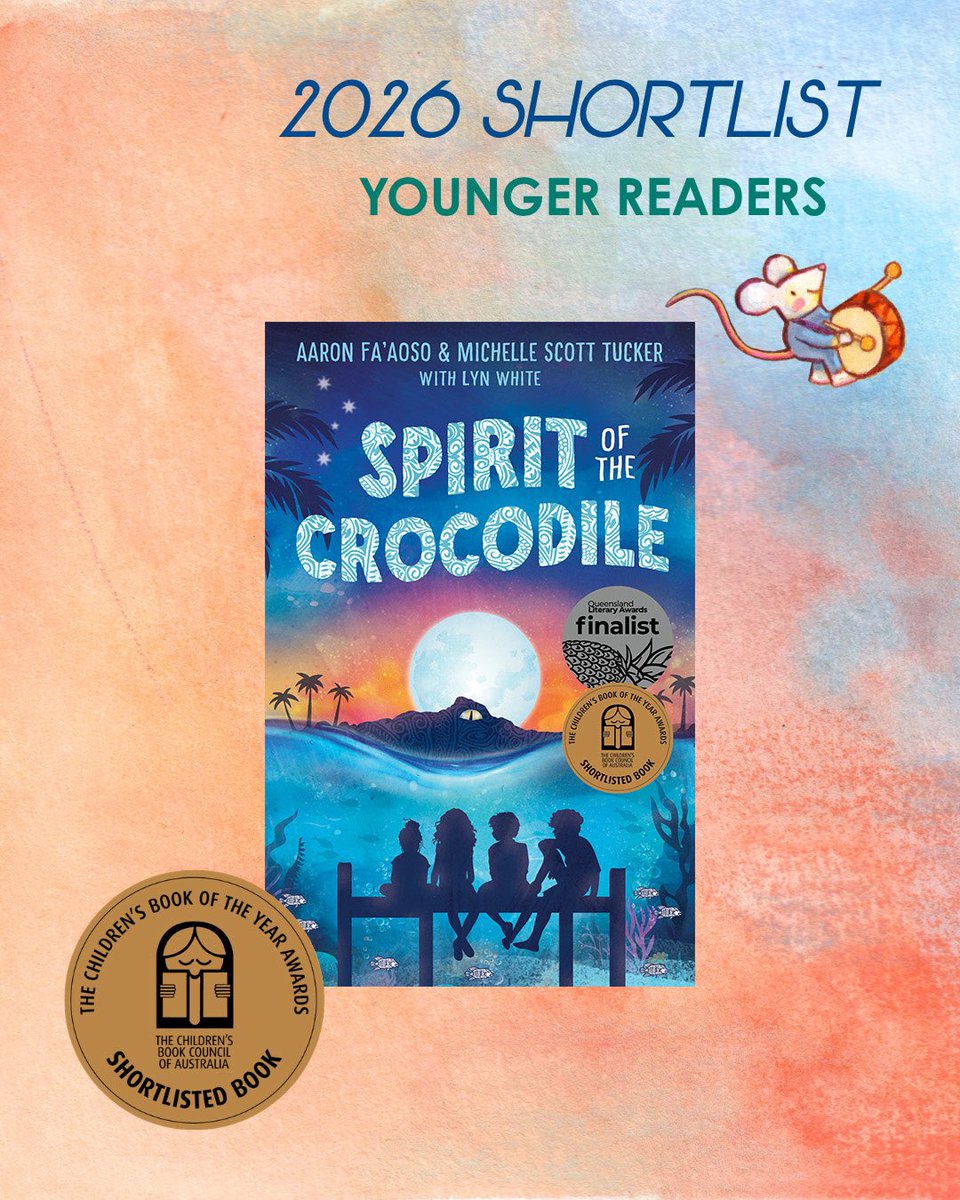
Author. Also gardens, mainly faffs. Working on Louisa Lawson biography SPIRIT OF THE CROCODILE (A&U 2025) SO FAR, SO GOOD (2022) ELIZABETH MACARTHUR (Text 2018)
What an honour. Winners announced on Friday.
For more info about the book, and about the Torres Strait, and about our collaboration, try my website - deets in the bio.
@AllenAndUnwin#middlegrade#amreading#AaronFaAoso
At 130,000 words, I've nearly finished the first draft of my biography of Australian feminist Louisa Lawson. Still have to write an epilogue & edit those words to fewer than 100,000. But today I wrote about her death in 1920 & it feels like a milestone. #biography
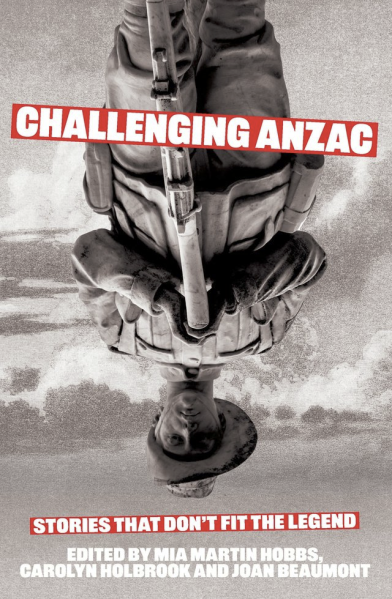
In time for Anzac Day: a new book, Challenging Anzac: Stories That Don't Fit the Legend (NewSouth) edited by Mia Martin Hobbs, @SigmundMarx and Joan Beaumont. My chapter is 'Bolshevik Anzac: the politics, celebrity and mythology of Hugo Throssell VC'.
@SamCannonArt Australian here. I think your garden birds (and your pictures) are extraordinarily beautiful. They all look rare and precious to me. And probably vice versa? I don’t love sulfur crested cockatoos, for example, although I see them daily 🤣🤣
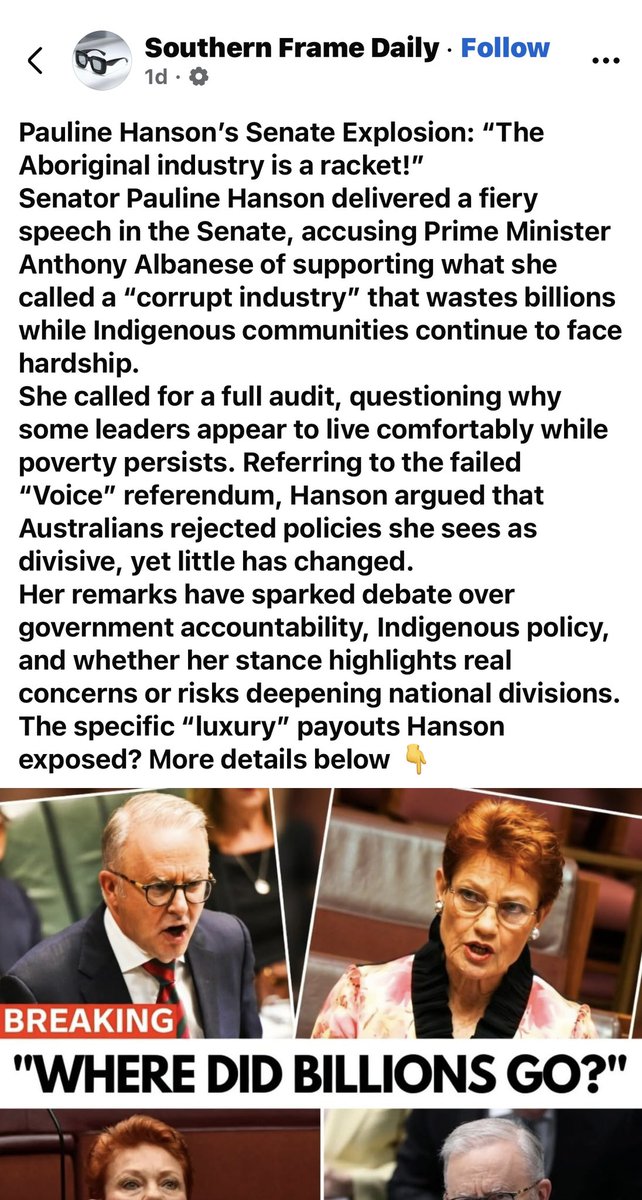
Here she goes again — kicking our most vulnerable to maintain the grievance and rage that appeals to her base. She’s back to Aboriginal people this week.
…
Let’s fact-check the “$30 billion Aboriginal industry racket” claim, because it’s one of the most persistently dishonest figures in Australian political debate.
Of that $30 billion, 81% is mainstream expenditure — hospitals, schooling, welfare — available to all Australians. The Productivity Commission confirmed only $5.6 billion is Indigenous-specific funding. Not $30 billion. $5.6 billion.
And that $5.6 billion in targeted funding exists for exactly the same reason the government funds free bowel cancer screening for Australians over 45, free breast cancer screening for women over 50, and prostate cancer campaigns for men. Because when a specific group dies at catastrophically higher rates from preventable causes, you direct resources accordingly. That is not a racket. That is what taxes are for. It is the entire basis of preventive health policy in this country.
We don’t argue about those campaigns. Nobody calls BreastScreen a racket. Nobody demands prostate cancer funding be scrapped on the grounds that women don’t get it.
Apparently we only argue about it when it’s the colour of the prostate being examined. Or the colour of the breasts being screened.
The data on why Indigenous health funding exists is not subtle.
68% of deaths among Indigenous Australians are preventable. That is 2.3 times the rate of preventable deaths among non-Indigenous Australians. Indigenous Australians die from rheumatic heart disease at 20 times the rate of other Australians. In the Northern Territory, over 50 times. Indigenous children aged 5 to 15 are 55 times more likely to die from it than other Australian children. This is a disease effectively eliminated in the rest of Australia decades ago. It still kills children here. It is entirely preventable.
So here is the only question that matters: why are we having a public argument about the money being spent to prevent children dying, instead of the fact that children are dying?
There is only one answer. It is the colour of the children.
And even with that targeted spend, the funding still falls short of what need-based modelling requires. NACCHO and Equity Economics put the current annual health funding shortfall at $4.4 billion. The argument that this is too much money is being made while the actual problem is that it is not enough — and has never been enough.
Here is the deeper problem with calling it “Aboriginal money.” That label makes the spending visible and politically vulnerable in a way that mainstream funding never is. It gives politicians licence to frame an entire cultural identity as fraudulent — not a program, not a contractor, not a bureaucracy, but the people themselves. And it gives successive governments the cover to keep underfunding, because cutting “Aboriginal money” is easier to justify politically than cutting hospitals.
The racket framing does not follow the money. It follows the people.