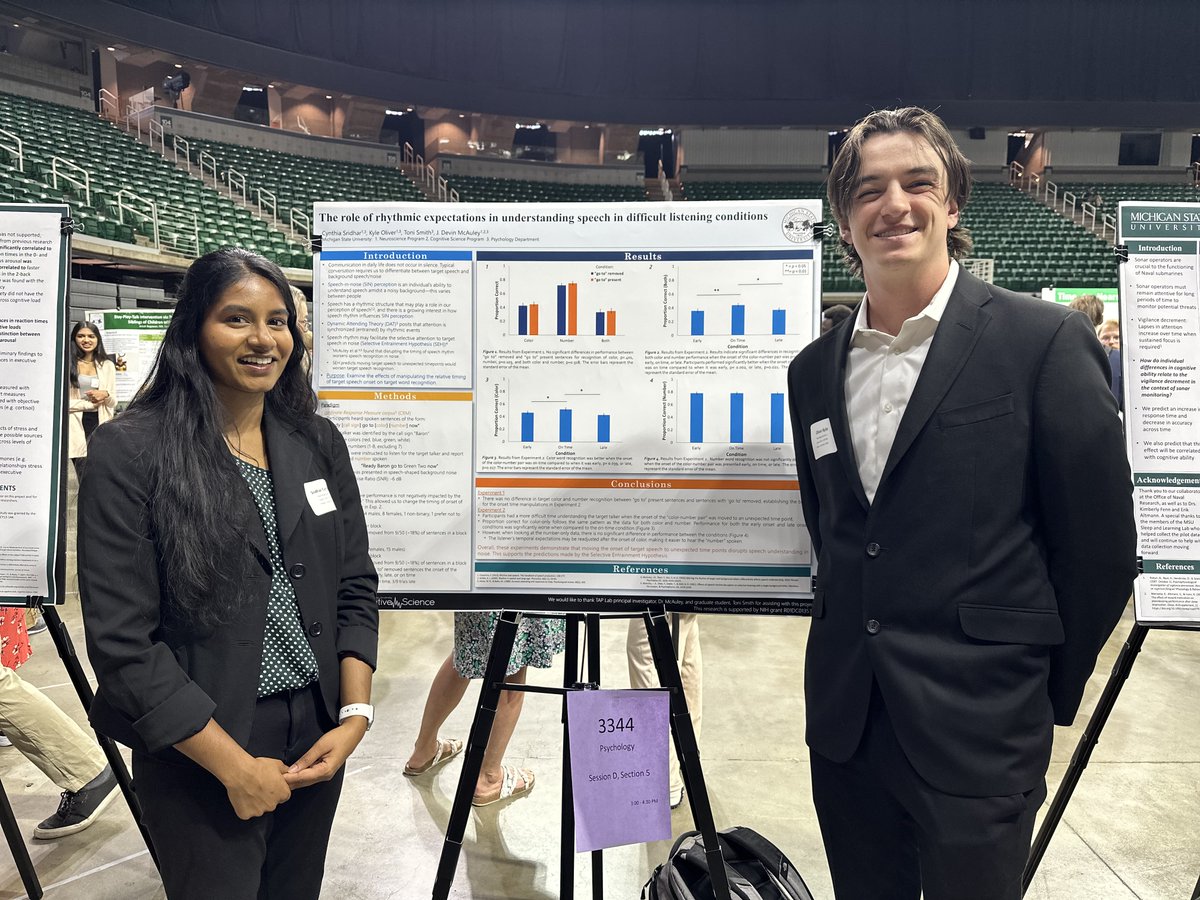
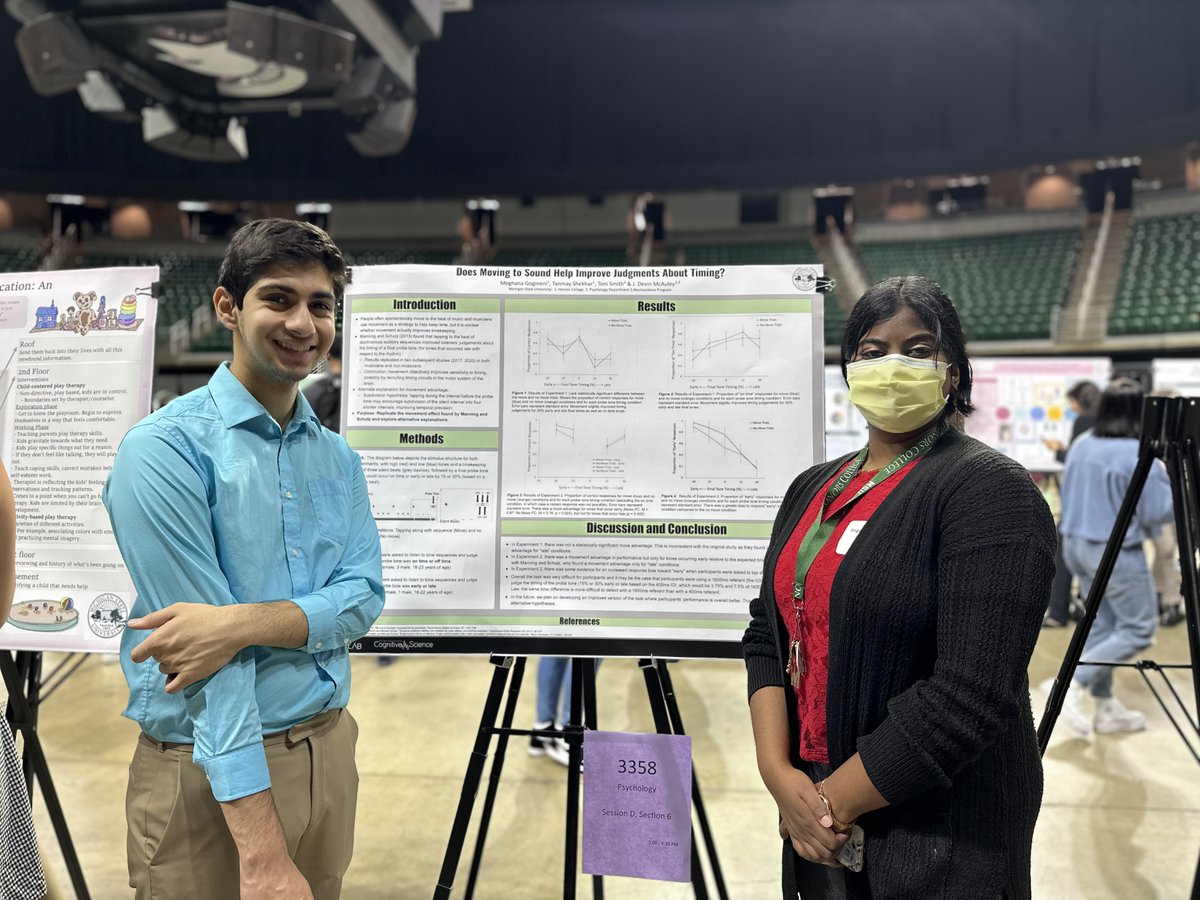
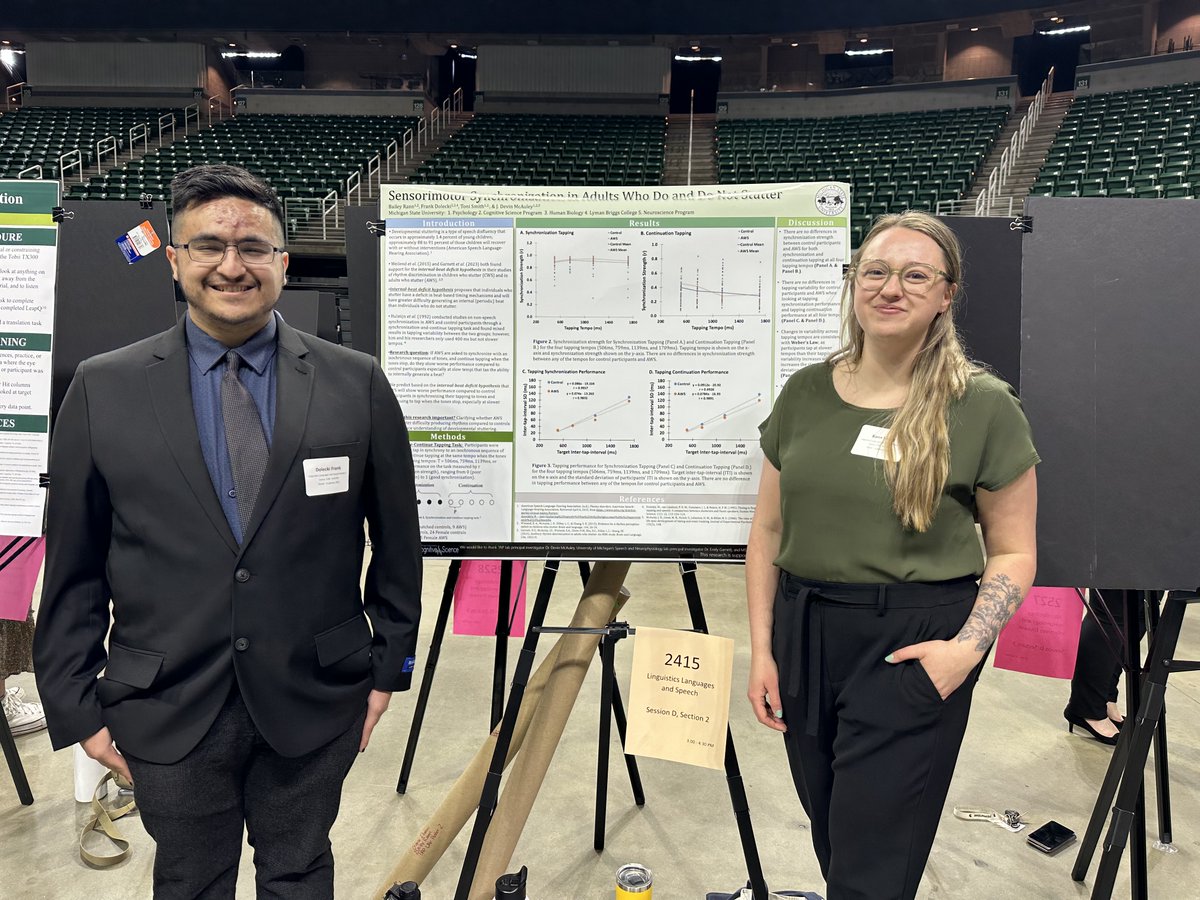
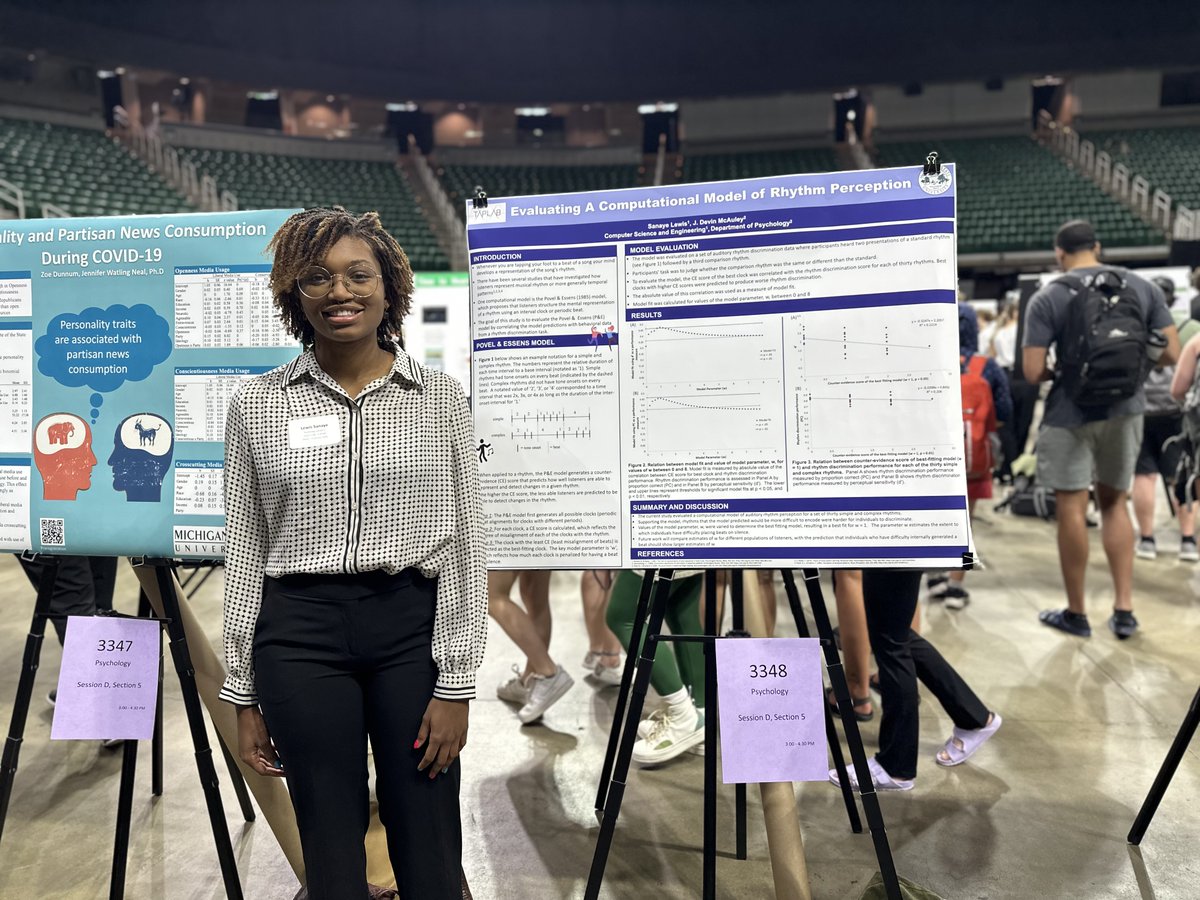
Interested in new research and would like to contribute your data? Visit https://t.co/UoMtBFwpTD and check out our preferred tempo and narrative listening studies. Help in data collection and explore data from around the world!
#MusicMonday Researchers from the University of New South Wales investigated the seeming 'paradox' of how sad music can actually be very pleasurable and enjoyable to listen to. Read more at https://t.co/WMT47QGIfj
#MusicMonday This January, researchers out of KAIST, led by Professor Hawoong Jung, found than an artificial neural network spontaneously developed music-selective neurons. Read more at https://t.co/wrSr51REuw
#MusicMonday Research led by John Kounios at Drexel University investigated the neurological activity that leads Jazz musicians to enter a 'flow' state when improvising music. Read more at https://t.co/inVav5ZZ9i
#MusicMonday Recently, researchers out of UC San Francisco created a detailed auditory cortex activity map from people listening to melodies. Read more at https://t.co/NnzAN7BUHt
#MusicMonday Researchers at the University of Turku recently found music evokes comparable body sensations across cultures, further demonstrating music's universally powerful emotional impact. Read more at https://t.co/S2SJsjnk3d
#MusicMonday Researchers at Radboud University recently investigated the characteristics of stress-relieving music. They found there was a couple of shared features, rather than a specific genre, that led to music being more stress-relieving. Read more at https://t.co/itk8uv6vQL
#MusicMonday New research out of the University of Tsukuba found that the combination of "groove rhythm music" and aerobic exercise can significant increase executive brain function. Read more at https://t.co/QKe2K3Mjwq
#MusicMonday Researchers from Queen Mary University of London and the ISI Foundation in Turin, Italy used machine learning to reveal a link between the music people listen to and their morality. Read more at https://t.co/OK5XSRIYhA
#MusicMonday Researchers at the University of Amsterdam found that newborn babies have an innate beat perception ability, separate from other statistical learning abilities. Read more at https://t.co/gea0ZaoK97
#MusicMonday A recent study published in Frontiers of Neurology examined the effect of viola music on epileptic patient's brain waves. Read more at https://t.co/iRP37lZsVr
#MusicMonday Researchers at Yale published a study investigating how people across cultures categorize music samples. Fascinatingly, people across cultures were very similar in their identification of songs into genres except for love songs. Read more at https://t.co/0EII4w1NPy
#MusicMonday New research conducted by Damien Marie and colleagues, explored the possible cognitive function improvements music intervention can have for older adults. Read more at https://t.co/NC6nAZAC4f
#MusicMonday In an article published in the journal PLOS Biology, researchers detail their work partially reconstructing the Pink Floyd song, "Another Brick in the Wall, Part 1", by recording the brain activity of the experimental participants. Read more https://t.co/lIpRVNuT3m
#MusicMonday Researchers at the University of Barcelona have found that pregnant women who sing or listen to music through speakers give birth to babies that have improved neural sound networks. Read more at https://t.co/ab6pRbrQvY
#MusicMonday A new book authored by University of Wollongong researchers, Dr. Timothy Byron and Dr. Jadey O'Reilly, looks into what makes pop songs so catchy. Read more at https://t.co/SpWh3UPIwk
#MusicMonday Researchers at Johns Hopkins University investigated whether a music intervention could help lessen the motor symptoms associated with Parkinson's disease. Read more at https://t.co/ENzbYSYlGE
#MusicMonday A comprehensive research synthesis from the University of Vienna, based on all available scientific literature, showed that there is no reliable evidence for such a beneficial effect of Mozart’s music on epilepsy. Read more at https://t.co/CA2hloyKwg
#MusicMonday Research out of the Indian Institute of Technology has found a link between listening to sad music and increased emotional processing in the brain when recalling sad memories. Read more at https://t.co/nkgh1Vz5ak