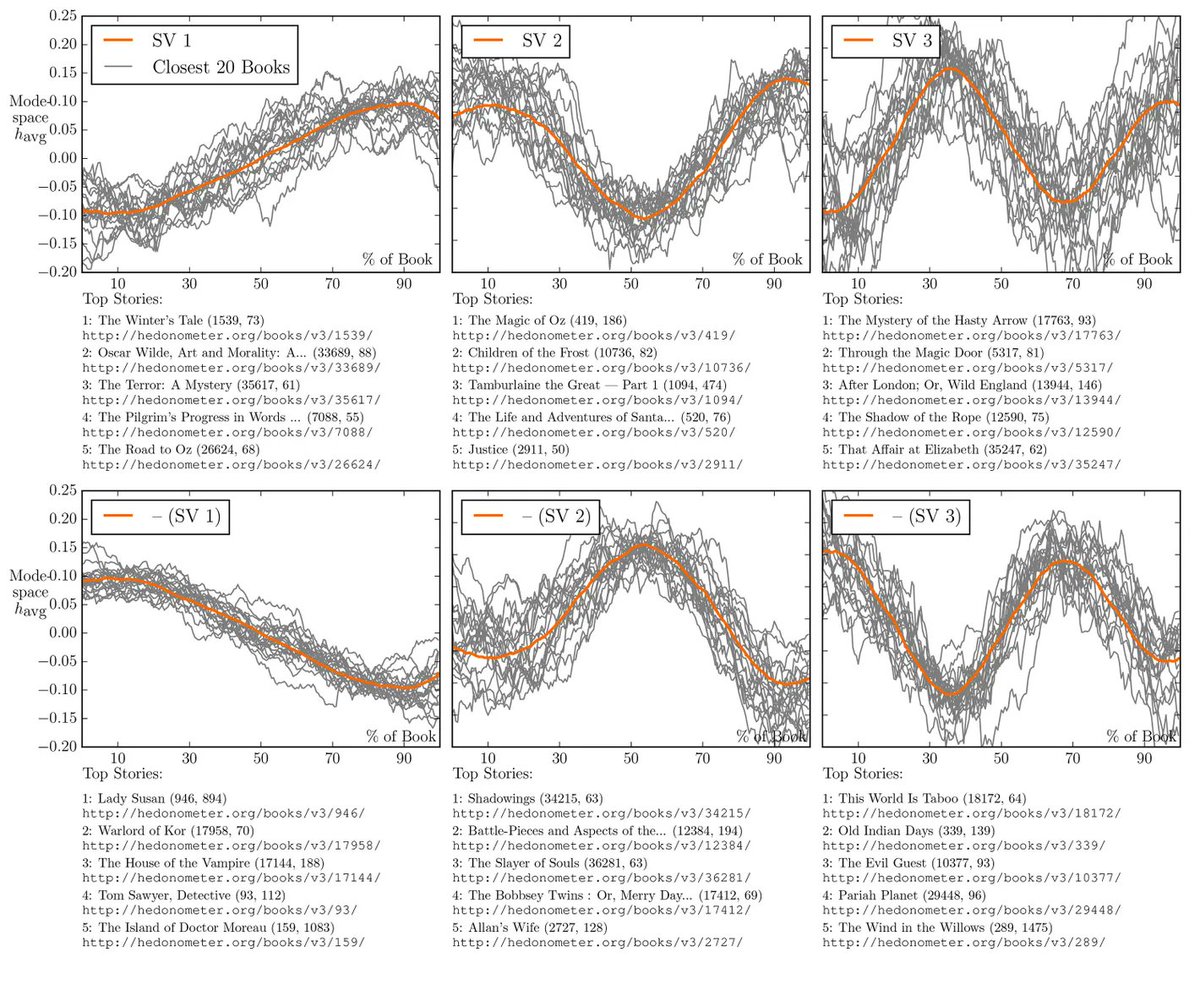
In 2016, researchers at the University of Adelaide tested Kurt Vonnegut's theory that, "There’s no reason why the simple shapes of stories can’t be fed into computers."
They took the emotional arcs of 1300+ novels from Project Gutenberg, turned that into data, used modern tech to analyze the emotional arcs, and then identified 6 patterns seen over and over again in western storytelling.
Here they are:
1. Rags to Riches (rise)
Your classic underdog tale. A humble, hardworking peasant climbs the mountain to pull the sword from the stone.
• Rocky
• King Arthur
• The Pursuit of Happiness
2. Riches to Rags (fall)
Maybe the saddest story of them all. A journey from the highest of highs to the lowest of lows.
• King Lear
• Citizen Kane
• Scarlet Letter
3. Man in a Hole (fall then rise)
A character’s doing fine, gets herself into a huge problem, but figures out how to overcome it. They often end up better than they started.
“You see this story again and again,” Vonnegut says. “People love it, and it is not copyrighted.”
• The Martian
• The Hunger Games
• Shawshank Redemption
4. Icarus (rise then fall)
The hero goes on a meteoric rise up New York (or some other) society, calls everyone “old sport,” and throws the wildest parties in town. Then reality sets in, and he realizes he’s too close to the sun.
• Macbeth
• Great Gatsby
• Death of a Salesman
5. Cinderella (rise then fall then rise)
I’ll leave this description to Vonnegut:
“We’re gonna start way down here. Worse than that, who is so low? It’s a little girl… the shoe fits, and she achieves off-scale happiness.”
• Red Rising
• Slumdog Millionaire
• The Count of Monte Cristo
This is my personal favorite.
6. Oedipus (fall then rise then fall)
Up until the ~70% mark of the story it looks like things are sunshine and rainbows. Walter White goes from high school teacher to king of the drug lords, if you will. Then all goes wrong. The original fall is often not their doing while the final fall is.
• Hamlet
• Gone Girl
• Breaking Bad
My 3 takeaways:
1. Rags to Riches, Oedipus, and Cinderella rank as the three most popular with consumers. AKA, those books sold the most copies.
2. When you think through a story, give it an emotional shape. Literally draw it.
X axis: Time
Y axis: Ill fortune to good fortune
You might be surprised how much it helps you craft your plot (I was shocked).
3. Vonnegut was a damn genius.
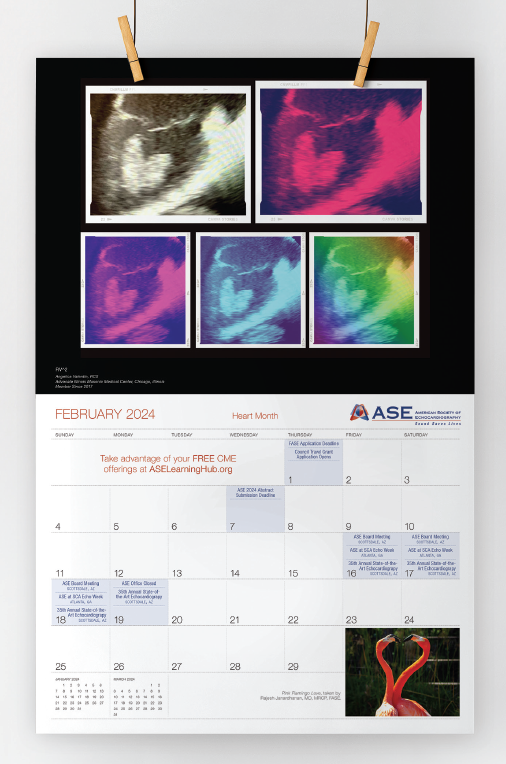
Attention all @ASE360 Members: It’s time to vote for your favourite images for the 2024 Image Calendar.
See here for how-to-vote details: https://t.co/VpQ2gzPnef
Voting closes Wednesday, September 13, 2023.
Remember that you may 👍 as many images as you’d like!
#echofirst
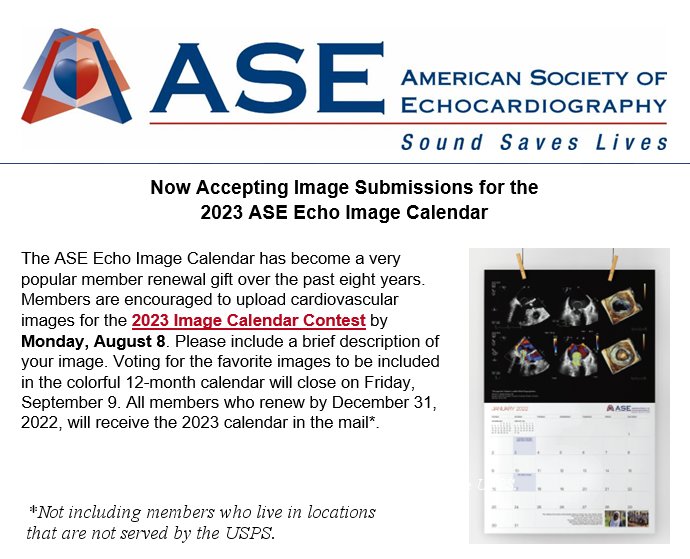
It’s that time of year again! @ASE360 is accepting images for the Image Calendar Contest for 2023: https://t.co/VpQ2gzPnef
Winning images will be featured in a colorful, 12-month.
Submissions close Monday, August 8, 2022 (competition open to ASE members only).
#echofirst
Presenting my Capstone today @JohnsHopkinsSPH to finish my Masters in Public Health degree! Thanks to Dr @ErinMichos for helping as my capstone advisor #MPH
After Harold Baines was diagnosed with heart and kidney failure, only a dual transplant could save his life.
114 days later, Harold was able to leave the hospital thanks to a donor family and Johns Hopkins Medicine. We are forever grateful. ❤️
Wanted: We are now accepting applications for student sonographers. Please check out our nationally recognized cardiac sonographer training program and how to apply: https://t.co/LnUeO7msli
It's that time of year again for @ASE360 members to submit images for the Image Calendar Contest 🥳
https://t.co/VpQ2gA6qgf
Remember members who renew before Dec 31 get a free calendar 👏
https://t.co/KIQpDSJnJ9
#echofirst
In a brief research communication by Addetia @robertomlang et al. (https://t.co/LbrAKJmOZm), the added value of #UEAs in localization of outflow graft-acceding anastomoses + determination of velocity for LVADs is discussed. #EchoFirst@ASE360