Dostal jsem fér otázku, dám fér odpověď. Již dlouho jsem se nesnažil o argumenty čistě z pravicové pozice, takže k @eva_decroix a datové schránky:
1. Datová schránka není služba, je to povinnost. Doručená zpráva se považuje za přečtenou fikcí doručení po 10 dnech. Stát tím přenáší riziko na občana: patnáctiletému může „doručit” exekuční výzvu nebo platební rozkaz, a on o tom nemusí vědět. To není digitalizace, to je rozšíření donucovací moci státu na děti.
2.Pravice nezavádí povinnosti tam, kde nejsou potřeba. Kolik patnáctiletých vede řízení se státem? Prakticky nula. Zavádí se plošná povinnost pro statisíce lidí kvůli nulové reálné potřebě. To je přesně ten typ regulace, kterou ODS jinde kritizuje.
3. Nezletilý nemá plnou svéprávnost, ale schránku by měl povinně. Právně nemůže sám uzavřít smlouvu, ale stát mu bude oficiálně doručovat. Kdo za něj odpovídá? Rodiče? Pak je to schránka navíc pro rodiče, ne digitalizace mladých.
4. ”Zvyknou si” je argument sociálního inženýrství, ne pravicové politiky. Stát nemá občany vychovávat plošnými povinnostmi. Kdo schránku chce, zřídí si ji dnes za pět minut zdarma. Dobrovolnost je pravicové řešení a to stejně jako zbytečná povinnost zaváděná pro pohodlí státu.
5. Efektivita státu se nezvyšuje tím, že stát přinutí občany k nástroji, ale tím, že nástroj bude tak dobrý, že ho lidé chtějí. Přesně opačná logika než u fungujících služeb.
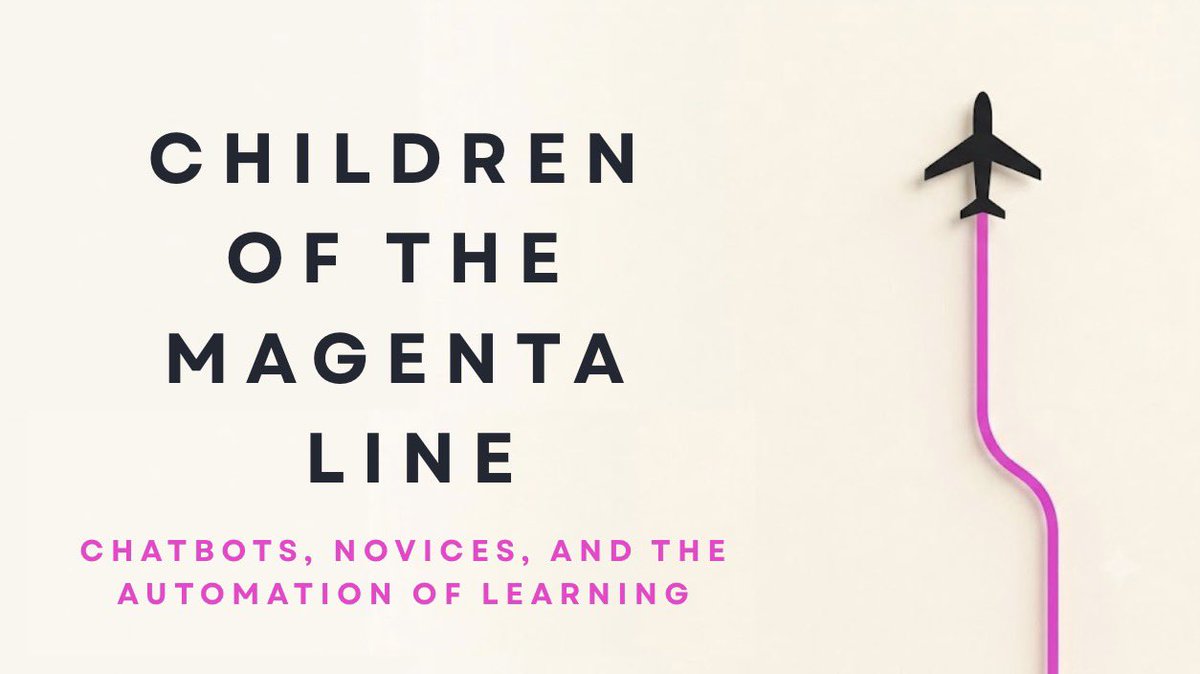
In 1985 the psychologist Daniel Wegner noticed something about couples that anyone who has been in a long partnership will recognise. Over time, two people stop each holding all of their shared knowledge and begin, (seemingly without ever deciding to) to divide it.
No child is born able to read. The brain ships with no reading region at all. It builds one, and the construction runs on the exact effort AI removes.
Learning to read physically repurposes a patch of visual cortex. A spot in the left fusiform gyrus starts out tuned to objects and faces. Through months of effortful decoding, a 6-year-old converts it into the visual word form area, the region every literate adult uses to recognize words on sight. Stanislas Dehaene mapped it and called it neuronal recycling. Pre-literate kids show no special response to letters there. It shows up only as they struggle to read.
The struggle is the build signal. When a child strains to sound out a word or hold a sum in working memory, focus chemicals like acetylcholine and norepinephrine flag that circuit as worth keeping. Effort is how the nervous system marks which synapses to strengthen. Low effort, no marker.
Errors carry the same signal. The brain learns from the gap between what it predicted and what turned out true. Each wrong guess followed by a correction releases the dopamine that drives the rewire. Fluent, instant output produces almost none of it.
The wiring locks in later, during deep sleep, when the circuits tagged that day get consolidated. Only the ones that fired hard enough to get tagged. A child who never strained tagged nothing to keep.
Hand that child a model that returns the sentence or the answer on demand, and the strain, the errors, and the prediction gap vanish at once. The worksheet looks finished. The cortex that should have rewired underneath it never fired.
The window is the urgent part. The tissue reading recycles is where childhood plasticity peaks, and ages 6 to 13 are when that repurposing is cheapest. Miss the reps then and the same wiring costs far more to build later, if it builds at all.
Norway is the country that already ran the opposite experiment. In 2016 they gave a tablet to every 5-year-old, went all in on screens in class, and watched the results for a decade. Now they're pulling AI out for ages 6 to 13 and funding paper books again. A government reading its own data ahead of the curve.
The biology is identical in every country. Norway just moved on it first. Watch how fast others follow.
A must read (or must listen): https://t.co/2uGt1XhA8V . A dystopian but unfortunately surprising convincing of what could happen if Europe does not catch up on AI. It moved my prior. (and it is, despite the gloomy conclusions) a fun read.
In our country, it was said that, apart from the mayor, the most respected people in the village were the priest, the doctor and the teacher. What can a teacher rely on today if he is to become a worthy opponent of technology? A personal example in accordance with the Ten Commandments supplemented by the Four Agreements? Or something else? And will that be enough?
Last year I built a Chrome extension, a coaching feedback tool, a data dashboard, and a phonics game. I'm not a developer. AI coding handled the build.
The barrier to building custom software just dropped to near zero. Educators who realize this have an enormous advantage.
Every time someone says "AI will replace teachers" I want to ask, have you ever met a child?!
Children need humans who notice bad days, adjust their tone, remember what was said three weeks ago. The real threat to teaching is burnout and bureaucracy in the system.
Fun is fine. But engagement means cognitive investment. A student wrestling with a hard problem because they care about the answer, not because it's entertaining. When we confuse engagement with entertainment, we end up with gamified worksheets and participation points.
Every decade education picks a new villain. Nation at Risk. TV. NCLB. Video games. Common Core. Social media. Now screens.
We wage war, write policy, hold conferences, then move on without addressing the underlying issues that created the problem and a pattern keeps repeating.
@BartaArcheolog Oslovit dnes Vysočinu v Jihlavě mělo cenu. Díky za to!
Vysočinu, která nedávno přišla o lesy (a víme proč). Proto máme https://t.co/44sZyr9LXh, proto bychom rádi tlumočili Zákony v podobě stravitelné pro středoškoláky. Třeba nějakého autora adaptace najdete.
🇪🇺 EU Vice-President Henna Virkkunen warns VPNs will be addressed under upcoming online age and identity verification rules.
“VPN… must not allow the system to be circumvented,” she said, responding to concerns users could bypass the new EU age and ID system.
Follow: @europa
🚨🇪🇺 The European Commission is about to steal your search history in one of the largest forced data grabs in the history of the open internet, and almost nobody is talking about it.
The scope is staggering:
🔴 Every query you type
🔴 Every voice and photo search
🔴 Every autocomplete you accept
🔴 Your language, your device
🔴 Your country pinned to a ~3km² grid
🔴 Every result you saw, every link you hovered
🔴 Every click and scroll
🔴 The full chronological order of your search sessions
Meaning the European Union now knows your:
🔴 Health symptoms
🔴 Pregnancy
🔴 Sexual orientation
🔴 Political views
🔴 Religious beliefs
🔴 Financial distress
🔴 Legal trouble
🔴 Addictions
🔴 Affairs
Under the proposed measures for DMA Article 6(11), Google would be ordered to ship the daily search behaviour of hundreds of millions of Europeans to multiple third parties through a daily API feed. Any approved "online search engine," AI chatbots included, would get five years of access.
The things people only ever type when they think no one is watching. All of it now scheduled to flow daily into an open-ended list of third parties scattered across the European Union.
Brussels promises "anonymisation." The reality is a thin technical veneer that has been broken in academic literature again and again for over a decade. Search behaviour is a fingerprint. Stripping a name does not change that.
Mass data leaks become inevitable. Every new beneficiary is a new attack surface, and every annual audit is a year of silent exposure between checks. The 2025 Discord vendor breach already showed how fast 70,000 government IDs can leak through a single weak link. Now imagine that link holding Europe's search history.
Surveillance without consent becomes the default. Hundreds of millions of EU citizens never agreed to have their queries packaged and shipped to companies they have never heard of. The legal fiction of "anonymisation" cannot manufacture consent that was never given.
Behavioural search data is a goldmine for phishing, blackmail, social engineering, and corporate espionage.
Foreign intelligence services get a back door without effort. They do not need to breach Google. They only need to compromise the weakest name on the beneficiary list. One insolvent startup. One compromised contractor. One approved entity quietly acquired by a hostile state.
In the name of "competition," the EU is about to manufacture a permanent, distributed, daily-refreshed copy of Europe's collective search history. A surveillance dataset Brussels itself would never approve if any other government tried to build it.
The public consultation closes Friday, May 1, 2026 at 23:59 CEST. The final binding decision lands July 27, 2026.
After that, the door does not close again.
Tag your MEPs! File a response! Make noise!
Mil Mi-8 over Чорнобиль. Helicopters began dropping sand, boron (boron carbide), lead, clay, and dolomite on the Chernobyl reactor on April 27, 1986 – the day after the explosion on April 26. [used part of the 3D model for Chernobyl Ventilation Stack on 3dsky-org/3dmodels/s..ck_vs_2_newly_built]
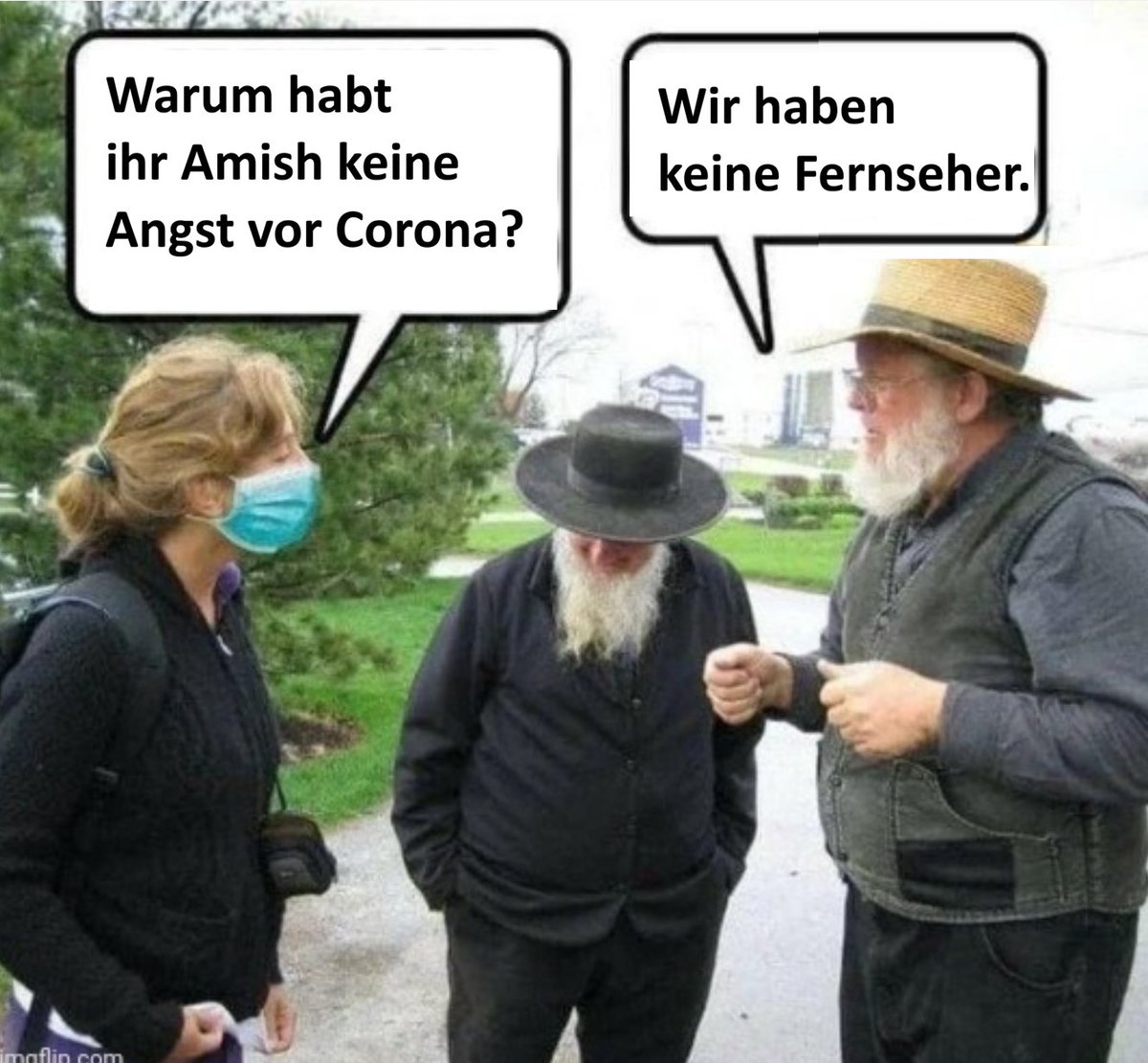
Dieser Cartoon trifft es sehr gut. Ohne Fernseher lebten die Amish wie gewohnt weiter und beteiligten sich nicht an der Gates-Epstein-Seuche. Bei uns verschwand sie erst nach Ausbruch des Ukrainekriegs.


![MTbeein's tweet photo. Před 82 lety, poblíž Saint-Lô, Normandie. [1:72, Sd.Kfz. 161/2 Pz.Kpfw. IV Ausf. H od UM + US truck crew WW II (3 fig.) od CMK] https://t.co/ik6GUsdFOA](https://pbs.twimg.com/media/HMZPSTTXgAAZV0Y.jpg)
![MTbeein's tweet photo. Před 82 lety, poblíž Saint-Lô, Normandie. [1:72, Sd.Kfz. 161/2 Pz.Kpfw. IV Ausf. H od UM + US truck crew WW II (3 fig.) od CMK] https://t.co/ik6GUsdFOA](https://pbs.twimg.com/media/HMZPLkaWAAAINHP.jpg)
![MTbeein's tweet photo. Před 82 lety, poblíž Saint-Lô, Normandie. [1:72, Sd.Kfz. 161/2 Pz.Kpfw. IV Ausf. H od UM + US truck crew WW II (3 fig.) od CMK] https://t.co/ik6GUsdFOA](https://pbs.twimg.com/media/HMZPGWvX0AA19Fu.jpg)



![MTbeein's tweet photo. Mil Mi-8 over Чорнобиль. Helicopters began dropping sand, boron (boron carbide), lead, clay, and dolomite on the Chernobyl reactor on April 27, 1986 – the day after the explosion on April 26. [used part of the 3D model for Chernobyl Ventilation Stack on 3dsky-org/3dmodels/s..ck_vs_2_newly_built]](https://pbs.twimg.com/media/HG0Ic-Qb0AAQFcW.jpg)
![MTbeein's tweet photo. Mil Mi-8 over Чорнобиль. Helicopters began dropping sand, boron (boron carbide), lead, clay, and dolomite on the Chernobyl reactor on April 27, 1986 – the day after the explosion on April 26. [used part of the 3D model for Chernobyl Ventilation Stack on 3dsky-org/3dmodels/s..ck_vs_2_newly_built]](https://pbs.twimg.com/media/HG0Ic9_aUAEYReU.jpg)
![MTbeein's tweet photo. Mil Mi-8 over Чорнобиль. Helicopters began dropping sand, boron (boron carbide), lead, clay, and dolomite on the Chernobyl reactor on April 27, 1986 – the day after the explosion on April 26. [used part of the 3D model for Chernobyl Ventilation Stack on 3dsky-org/3dmodels/s..ck_vs_2_newly_built]](https://pbs.twimg.com/media/HG0Ic95agAA9ElH.jpg)





![MTbeein's tweet photo. Před 82 lety, poblíž Saint-Lô, Normandie. [1:72, Sd.Kfz. 161/2 Pz.Kpfw. IV Ausf. H od UM + US truck crew WW II (3 fig.) od CMK] https://t.co/ik6GUsdFOA](https://pbs.twimg.com/media/HMZPWMZXkAA5Hs8.jpg)


![MTbeein's tweet photo. Mil Mi-8 over Чорнобиль. Helicopters began dropping sand, boron (boron carbide), lead, clay, and dolomite on the Chernobyl reactor on April 27, 1986 – the day after the explosion on April 26. [used part of the 3D model for Chernobyl Ventilation Stack on 3dsky-org/3dmodels/s..ck_vs_2_newly_built]](https://pbs.twimg.com/media/HG0Ic-RbEAAoJpx.jpg)