Sprague’s pipits usually sing their beautiful descending song high above the prairie, but we were lucky to hear this one singing from the ground.
These grassland birds need native prairie with the right mix of grass height and litter for nesting. #grasslands#ranching
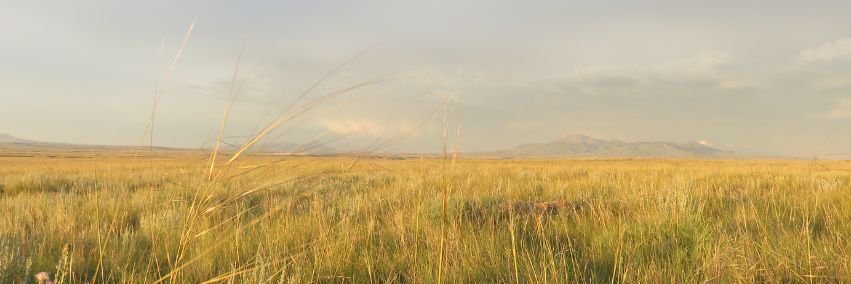
Native grasslands are nature’s sponge. Beneath the prairie lies a vast network of roots that helps rainfall soak into the soil, reducing runoff and erosion while storing moisture for plants and wildlife long after the clouds have passed. #ABGrasslands
Prairie falcons nest on cliff ledges and in crevices across the prairies, often using minimal nest material. They’ll also reuse abandoned nests of other cliff nesting birds, as likely shown here. Fiercely territorial, they defend their nests with loud calls and dive-bombing.
🐝 Happy #WorldBeeDay! Alberta is home to 375+ species of native bees, many of which nest in prairie soils and plant stems. These pollinators are vital to healthy grasslands and ecosystems across Southern Alberta.
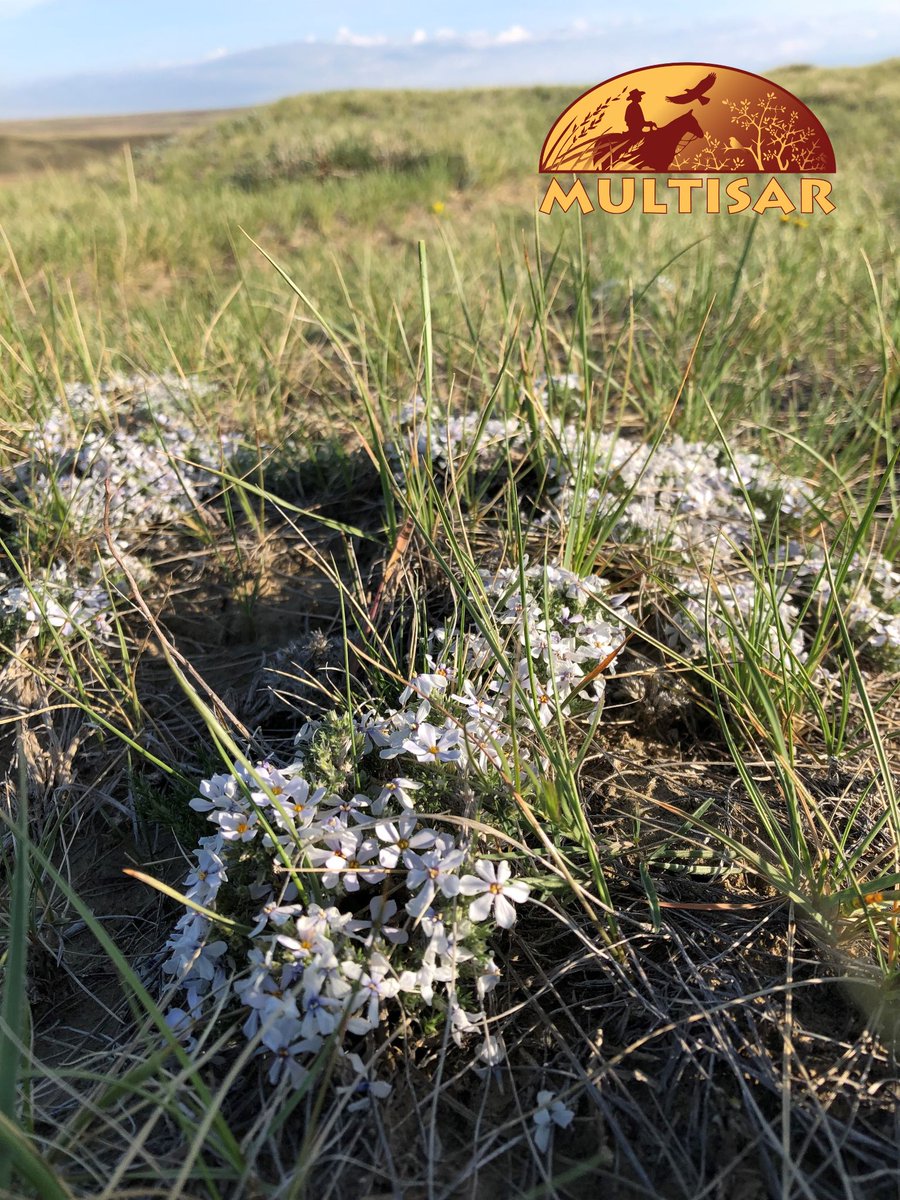
Moss phlox is one of southern #Alberta’s earliest blooming wildflowers. Its white flowers can appear as early as April, often lasting into June. Found in native grasslands, it often grows on exposed sites, where its mat-like growth helps hold soil in place on vulnerable slopes.
Happy #EarthDay! Rangelands are powerful, overlooked climate solutions—storing water, capturing carbon, supporting biodiversity, and sustaining livelihoods. In the International Year of Rangelands & Pastoralists, let’s recognize the people and landscapes that keep them thriving.
The long-billed curlew is North America’s largest shorebird and an iconic sound of the prairie. Well-managed grazing helps create the habitat they need. Unfortunately, in Canada, they’re at risk due to loss of our native grasslands. #worldcurlewday#grasslands#speciesatrisk
It’s #BatAppreciationDay! 🦇All of Alberta’s bats are insectivorous, helping control pests like cutworms, tent caterpillars, and mosquitoes. Bats provide an estimated $23B/year in pest control in the U.S. Learn more: https://t.co/2lbIPhwG3d
Prairie crocuses are one of Alberta’s earliest wildflowers and are blooming now across southern Alberta! These purple blooms signal warmer days ahead. Find them in dry, open native grasslands. #spring#Alberta#grasslands
In 1947, Canada proclaimed the week of April 10 as #NationalWildlifeWeek in honour of Jack Miner—a time to celebrate and conserve native species.
In #Alberta, ~75% of #speciesatrisk depend on grasslands. Cattle producers play a vital role in stewarding these habitats.
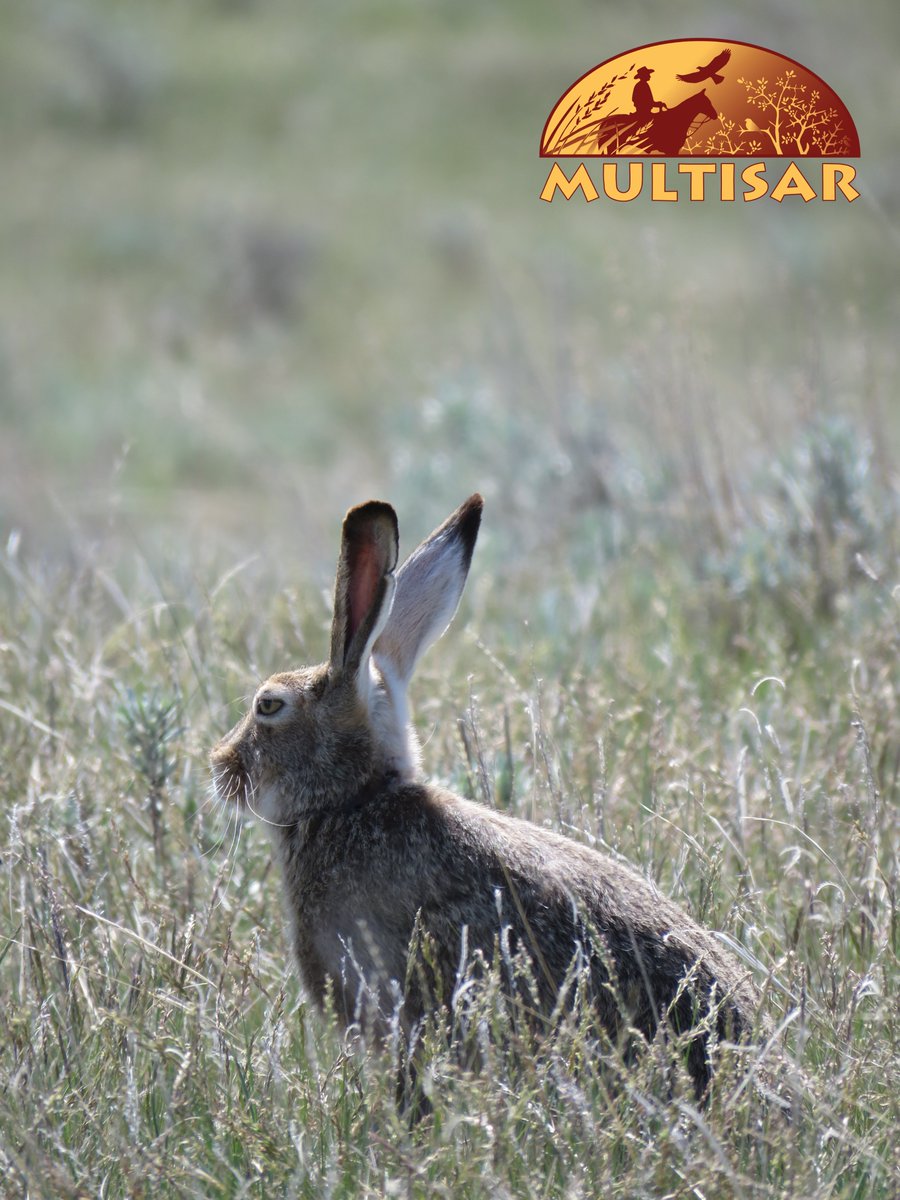
Think there’s just one Easter Bunny? 🐰
Southern Alberta has two. The Nuttall’s cottontail (rabbit) & the white-tailed jackrabbit (hare).
Different size, speed, and even winter colour, but both built for prairie life. #grasslands#albertawildlife
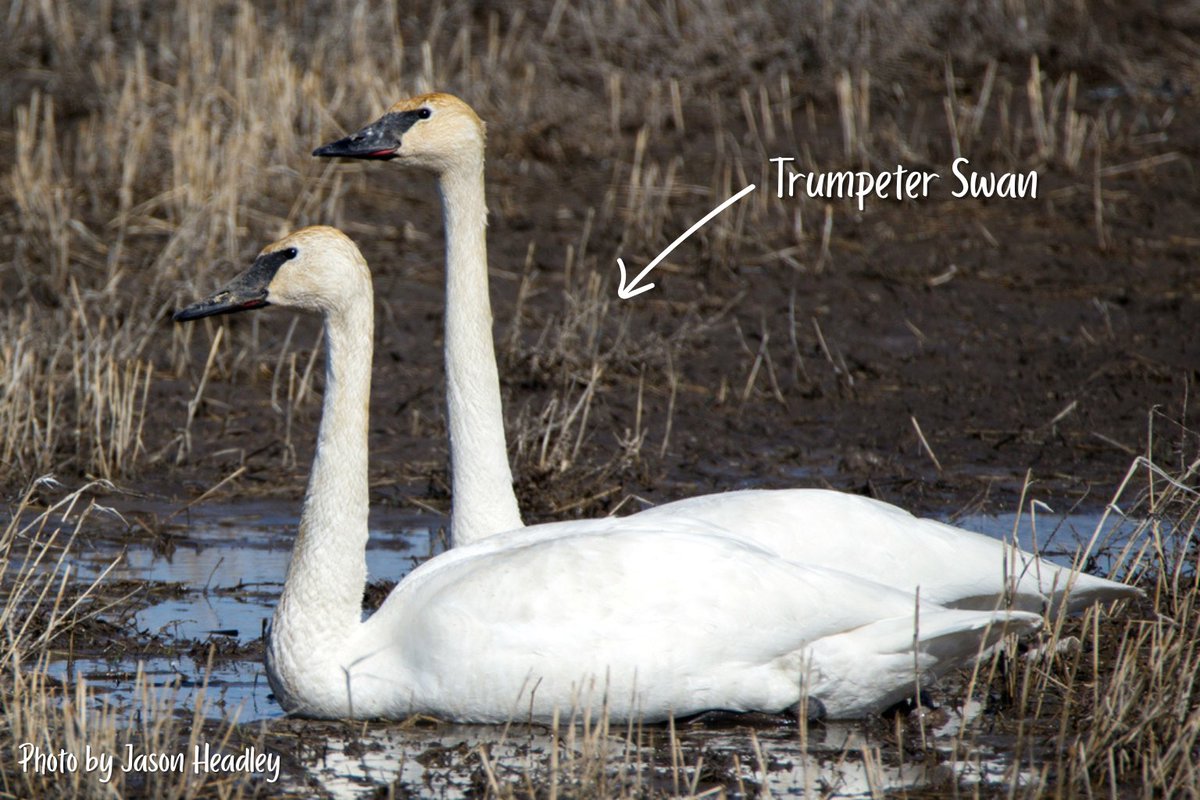
Swans are returning to southern Alberta! Look for two species: trumpeter (larger, all-black bill) and tundra (smaller, yellow patch near the eye). Trumpeters breed here, while tundras are just passing through on migration. Watch for them on open water and fields!
#springmigration
Sparrows are small, typically brown songbirds with surprisingly rich, musical songs. In southern #Alberta, many are grassland specialists, nesting on or near the ground and relying on native prairie. Turn up your volume and listen to their distinct songs! #worldsparrowday
Western meadowlarks are arriving in southern Alberta! Often back before the snow melts, their bright yellow chest, black “V”, and melodic song are one of the surest signs that spring has arrived on the prairies. #WesternMeadowlark#PrairieSpring#AlbertaNature#NativeGrasslands
Save the date! The Southern Alberta Grazing School for Women takes place July 22–23 at the Cassils Community Centre near Brooks. Two days of hands-on learning, networking, and grazing know-how with an inspiring community of women who care about the land. Details coming soon!
Snow may still cover parts of southern Alberta, but ferruginous hawks are already returning from their southern wintering grounds. Their arrival is perfectly timed with the emergence of Richardson's Ground Squirrels (gophers), their primary prairie prey. #grasslands#alberta
Winter is a great time to add fence reflectors to reduce wildlife collisions & entanglements. They help sharp-tailed & greater sage-grouse avoid low-light lek collisions and make top wires more visible for jumping ungulates. #grasslands#alberta
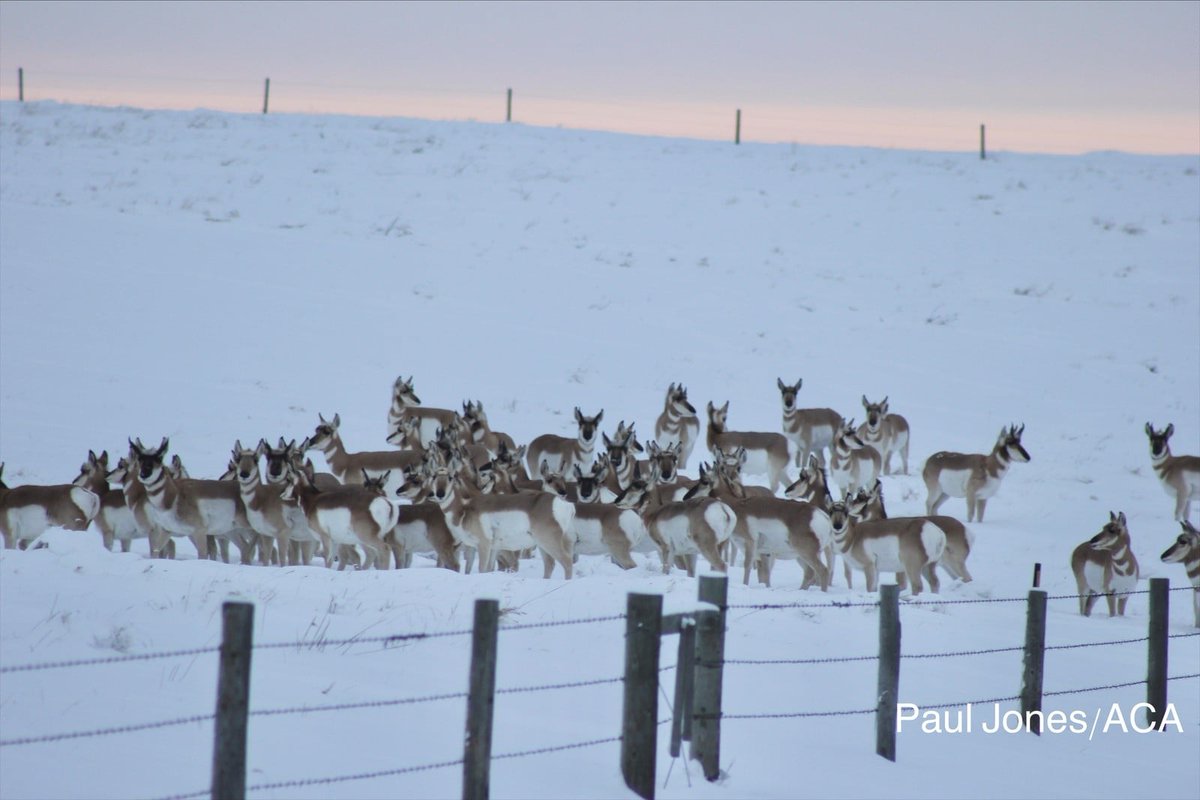
Snow drifts can block pronghorn from passing under fences. Leaving gates open, if fields aren't in use, can help pronghorn move freely and avoid getting trapped. Thanks to landowners and producers who help keep wildlife moving safely across the landscape
#WildlifeFriendlyFencing