I wish we could see such shelves along our rural roads. They are more than just places to share—they are symbols of trust, kindness, and the community spirit that brings people closer together.
#Honesty#selfworth#Strength
Along rural roads in Ireland, small honesty shelves quietly offer fresh produce to passing travelers. Eggs, bread, and fruit are placed out in simple displays, with no staff present to manage the exchange.
People take what they need and leave payment behind, relying entirely on trust rather than supervision. The system works through mutual respect, where both the seller and buyer participate in keeping it fair.
Over time, these shelves become part of the landscape’s rhythm. They show how simple trust can sustain everyday transactions turning a roadside stop into a shared understanding between strangers.
Everyone dislikes VIP culture—until they find themselves in a position to benefit from it.
Why does this happen? Is VIP culture imposed by institutions, or sustained by society itself?
I discuss these questions and more in my conversation with The Open Question. https://t.co/jDmjRHhXAc
Sad news. Subhash Kashyap, to look after Politics & Governance, was part of the team when we started the Observer Research Foundation in Delhi, with RK Mishra as the Chairman. A wise man gone. Om shanti 🙏
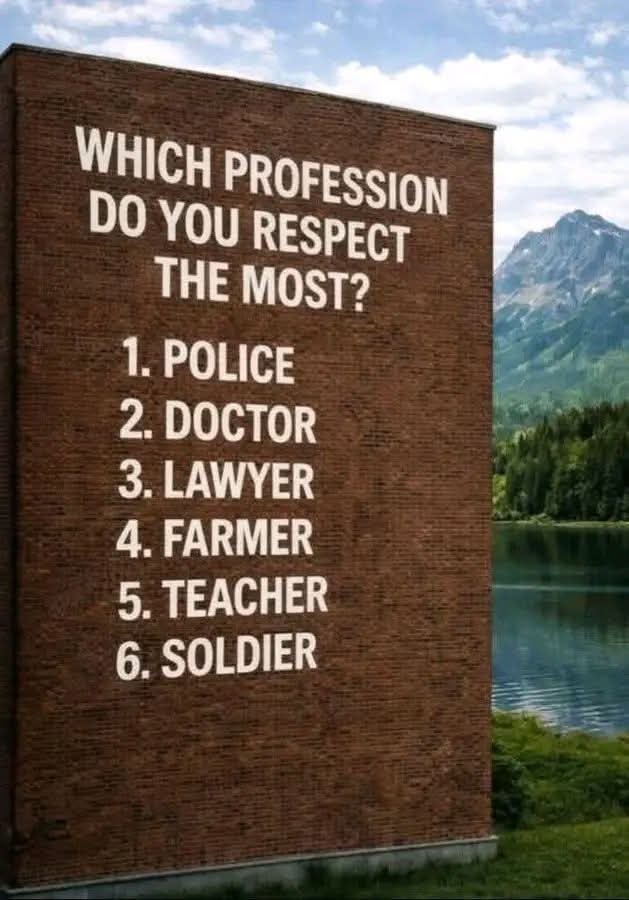
Farmer. He produces food which is essential for survival. Other professionals are needed for the growth and stability of the human societies.
#Farmer#Development#Service
There may be a sociological component in this situation. Many people feel uncomfortable doing menial jobs in their own place.
#Dignity#Labour#Wages#Society
ఆంధ్రప్రదేశ్ లో విచిత్రమైన పరిస్థితి. హైటెక్ ఉద్యోగావకాశాలు ఎక్కువగా లేవు. మిగతా ఉద్యోగాల్లో మెజారిటీ ఉద్యోగాలకి (బ్లూకాలర్) కార్మికులు దొరకట్లేదు.
కార్మికులు కావలెను | shortage-of-workers-in-all-industries-for-four-months https://t.co/DcBrDlGjWZ
No praise is good enough for this hero duo Riyazuddin and son who emptied their shop of mattresses to spread them on ground - to cushion the fall of people jumping off from the burning hotel in Malvia Nagar. What an act of humanity and quick thinking. In that chaos to think straight and save lives - this hero deserves full compensation by MCD and commendation by the govt and also a public felicitation at a prominent place in Delhi @LtGovDelhi@gupta_rekha
🇳🇴🇵🇸 A Norwegian doctor who worked as a volunteer in Gaza speaks about the Palestinian people:
"If you go to Gaza today, the families, even in the tents, will make you a meal."
Un jour, un petit garçon rentre de l’école avec une lettre à la main, qu’il tend à sa mère en disant : « Mon instituteur m’a demandé de te donner cette lettre… mais uniquement à toi. »
Sa mère l’ouvre, la lit en silence… puis ses yeux se remplissent de larmes.
Elle prend alors une grande inspiration et lit la lettre à voix haute pour son fils : « Votre fils est un génie. Notre école est trop limitée pour lui et nous n’avons pas les moyens de lui offrir l’enseignement qu’il mérite. Veuillez l’instruire vous-même. »
Touchée, elle prend la décision de lui faire l’école à la maison.
Les années passent. Le garçon grandit… et devient l’un des plus brillants inventeurs de son siècle.
Il offrira au monde l’ampoule électrique, le phonographe, le télégraphe, la caméra, et bien plus encore.
Bien des années plus tard, après la mort de sa mère, il tombe par hasard sur une vieille boîte remplie de souvenirs. À l’intérieur, une lettre soigneusement pliée.
C’est celle que l’instituteur lui avait remise enfant.
Il la déplie, la lit… et découvre avec stupeur ces mots : « Votre fils est un incapable. Il est mentalement déficient. Nous refusons qu’il revienne à l’école. »
Cet enfant, c’était Thomas Edison.
Il pleura pendant des heures.
Puis il écrivit dans son journal :
« Thomas Edison était un enfant jugé déficient… qui, grâce à une mère exceptionnelle, est devenu un génie. »
C’est là une magnifique illustration de ce qu’on appelle l’effet Pygmalion : le regard que l’on porte sur un être humain peut transformer son destin.
काशी की विश्वनाथ गली में आज भी एक पीले दरवाज़े के पीछे स्याही की महक ठहरी है।
वहाँ पंडित हरिशंकर त्रिपाठी बैठते थे, शहर के आख़िरी चिट्ठी लिखने वाले।
- न कंप्यूटर,
- न प्रिंटर,
- बस एक चौकी, %
- पीतल की दवात,
- बाँस की कलम
और चश्मे के पीछे झाँकती, थकी आँखें।
लोग कहते, "पंडित जी, अब कौन चिट्ठी लिखता है? फोन कर दो न!"
वो हँसकर कहते, “बेटा, फोन बात पहुँचाता है, चिट्ठी बात को रोककर रखती है।”
◆ पहली चिट्ठी
2006 के सावन में, जब *अस्सी घाट* पर पहली बार मोबाइल रिचार्ज की दुकान खुली थी, एक ग्यारह साल की लड़की भीगी चोटी लिए आई थी। नाम था- अप्पू। असली नाम- अपर्णा मिश्रा।
“बाबा, बाबूजी को चिट्ठी लिखनी है। वो सूरत में कपड़ा मिल में हैं।”
हरिशंकर ने पूछा, “क्या लिखवाओगी?”
अप्पू ने थोड़ा सोचा, “लिखो कि आँगन का बेल पक गया है, और मैं रोज़ शाम को बाबूजी की खड़ाऊँ चौखट पर रख देती हूँ, ताकि लगे वो गंगा नहा के अभी आएँगे।”
पंडित जी ने वही लिखा, धीरे- धीरे। नीचे अप्पू से गोल-गोल अक्षरों में नाम लिखवाया।
वो चिट्ठी सूरत पहुँची।
तीन हफ्ते बाद जवाब आया और अप्पू फिर आई।
फिर हर महीने...।
*****
समय सरकता रहा...।
******
आज शाम, वैशाख की लू में जब घाट पर धूप तप रही थी, अपर्णा, जो अब BHU में संस्कृत की असिस्टेंट प्रोफेसर थी, उसी पीले दरवाज़े पर लौटी।
दरवाज़ा बंद था!
बगल की पान वाली अम्मा ने बताया,
पंडित जी पिछले माघ में चले गए।
चौकी खाली थी,
बस कोने में एक स्टील का बक्सा रखा था।
उस पर खड़िया से लिखा था:
“अप्पू बिटिया के लिए।”
अपर्णा ने खोला। अंदर कार्बन कागज़ों की गड्डियाँ थीं।
हरिशंकर हर चिट्ठी की नकल अपने पास रख लेते थे।
पहली नकल — “बेल पक गया है...”
दूसरी — “बाबूजी, दीवाली पर मत आना, अम्मा कहती हैं टिकट महँगा है, पर मैं अपनी चाँदी की पायल बेच दूँगी, आप आ जाओ।”
दसवीं — “बाबूजी, मैं दसवीं में फर्स्ट आई।”
बीसवीं — “बाबूजी, अम्मा को दमा बढ़ गया है।”
पचासवीं — “बाबूजी, आज मेरी नौकरी लगी, BHU में। आपकी खड़ाऊँ अब भी चौखट पर है।”
हर नकल के नीचे पंडित जी की छोटी टिप्पणी:
“लिखते समय चुप हो गई थी। दवात में गंगाजल मिलाया।” या “आज बहुत हँसी, बोली बाबा, इस बार मिठाई लाऊँगी।”
सबसे नीचे एक बंद लिफाफा था, जिस पर लिखा था — “मेरे बाद पढ़ना।”
अंदर पंडित जी की काँपती लिखावट:
"बिटिया,
मैं चिट्ठी लिखने वाला हूँ, पर एक चिट्ठी मैंने छुपाई। 2011 में तुम्हारे बाबूजी का आख़िरी पत्र आया था, सूरत के सरकारी अस्पताल से। उन्होंने लिखा था, अगर मुझे कुछ हो जाए तो अप्पू को मत बताना, वो पढ़ाई छोड़कर आ जाएगी। मैं हर महीने मनीऑर्डर भिजवाता रहूँगा, तुम बस मेरी तरफ से जवाब लिखते रहना, जैसे मैं ठीक हूँ।"
मैंने पंद्रह बरस तक तुम्हारा बाबूजी बनकर उत्तर लिखे। मुझे क्षमा करना। पर देखो न, तुम पढ़ीं, अब तुम पढ़ाती हो, तुम्हारी अम्मा ने तुम्हें टूटने नहीं दिया।
कभी-कभी एक झूठ, सच से ज़्यादा जीवन देता है।
अब यह बक्सा तुम्हारा है। चाहो तो गंगा में प्रवाहित कर देना, चाहो तो कक्षा में पढ़ाना।
अपर्णा की आँखों से आँसू टपके और दवात की सूखी स्याही फिर गीली हो गई!
◆आख़िरी चिट्ठी
उस रात अपर्णा ने पीला दरवाज़ा फिर खोला। चौकी पोछी, दवात में नई स्याही घोली। गली के बच्चे झाँकने लगे।
उसने पहली चिट्ठी खुद पंडित जी के नाम लिखी:
“बाबा, आज समझा कि चिट्ठी पहुँचती नहीं, रुकती है। आपने मेरे बाबूजी को पंद्रह साल तक मेरे पास ज़िंदा रखा। अब मैं आपकी चौकी ज़िंदा रखूँगी। हर शनिवार शाम दो घंटा, जो भी आएगा, मैं उसके लिए चिट्ठी लिखूँगी, बिना पैसे। बस एक शर्त, वो उसे पढ़कर सुनाएगा, ताकि शब्द हवा में ठहरें।”
उसने चिट्ठी मोड़कर दवात के पास रख दी।
अगले शनिवार एक ज़ोमैटो वाला आया, हेलमेट हाथ में, “दीदी, गाँव में दादी को मैसेज भेजना है, लिख दोगी?”
अपर्णा हँसी, “बैठो। पहले बताओ, दादी क्या बनाती थीं?”
लड़का बोला, “बाजरे की रोटी और गुड़।”
उसने बाँस की कलम डुबोई और लिखना शुरू किया — “दादी, काशी में आज लू है, पर तुम्हारे हाथ की बाजरे की रोटी की याद आते ही पसीना भी मीठा लगने लगता है...।”
बाहर शंख बजा, घाट पर आरती की घंटियाँ बजीं और अंदर पीले दरवाज़े के पीछे कलम कागज़ पर चलती रही।
कभी-कभी शहर बदल जाते हैं,
पर
कुछ दरवाज़े जान-बूझकर पुराने रखे जाते हैं, ताकि लौटने पर स्याही की महक हमें नाम से पुकार ले।
*गंगा शरण सिंह*
Virtually every person Israel have ever killed was murdered with a US or European weapon.
What does that say about the West?
Uncomfortable question and the answer even more so.