During a Special Interview with JIS Chief Executive Officer (CEO), Giovanni Dennis, at ODPEM’s offices on July 21, Director General (DG), Commander Alvin Gayle, said that the agency has accepted the gaps identified by the Auditor General, and is working to close them.
“It does give us some strategic insight into the underbelly of our own operations… So, we are able now to, relying on those reports and other things that we have seen for ourselves, build better as we go forward for future operations,” Commander Gayle said.
#OPMJA #JISNews #StayInformed #JISUpdates
Jamaican Diaspora: An interesting map, but it doesn’t give the full picture. The numbers presented correspond to residents of those countries born in Jamaica. Missing are their descendants, and Jamaicans living in other countries, most significantly tens of thousands in Caribbean neighbours. #Jamaica #Caribbean
Outgoing Bank of Jamaica Governor Richard Byles says serving his country through the central bank has been among the most satisfying experiences of his life.
https://t.co/sbfmk7Aq5q
American gospel singer JoZee says that, amid the challenges facing the world today, the word of God and His message remain as relevant as ever.
Read more: https://t.co/B8wWPAmD0r #GLNRFeatures
Need legal advice?
The Legal Aid Council will host its Virtual Legal Aid Zoom Session on Monday, May 18, 2026, from 9:30 a.m. to 12:00 p.m.
Members of the public are invited to register by Thursday, May 15, 2026.
Scan the QR code on the flyer to register.
https://t.co/XxdImOmgbI
#MJCA #LegalAid #AccessToJustice #JusticeForAll
Jamaica is among the most electorally stable democracies in the Western Hemisphere.
That's according to a report on Development and Democracy in Latin America and the Caribbean done by the United Nations Development Programme, UNDP.
READ MORE HERE: https://t.co/35Roq0nLvD
Proper forms of address reflect respect for the Office, an understanding of protocol, and a commitment to professionalism in both written and spoken communication. These helpful reminders outline how to properly address Their Excellencies in formal correspondence, introductions, and public references.
#GovernorGeneralOfJamaica #Protocol #TheirExcellencies
100 years of life. A lifetime of service.
Today, we celebrate Dr. Mavis Gilmour on her 100th birthday. Before entering Parliament, she was a pioneer in medicine as the first woman surgeon in the Caribbean. This background in healthcare preceded a long career in public office focused on building national institutions.
As Minister of Education and later Minister of Social Security during the 1980s, Dr. Gilmour led the expansion of the Jamaican school system and managed the country's social safety nets. Her work included advancing consumer affairs and social protection programmes to support people across our island.
From the operating theatre to the Cabinet, her journey has been defined by "service above self." Today, Jamaica recognizes her contributions to our national systems and celebrates a full century of her impact.
Happy 100th Birthday, Dr. Gilmour.
Origins of Jamaican Jerk: Taíno Tradition and Maroon Innovation
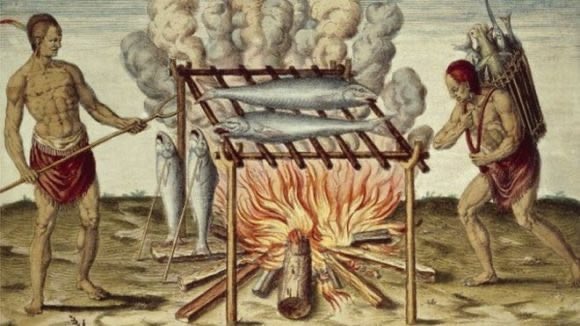
Jamaica’s indigenous Taíno people, an Arawak group who named the island Xaymaca, meaning “land of wood and water”, laid the foundation for jerk, the country’s iconic cooking style. Historical and culinary sources trace its origins to Taíno methods of preserving and flavoring meat using native ingredients: hot peppers (such as ají or bird peppers), aromatic herbs, and above all, pimento, the allspice berries and wood of a tree native to Jamaica. Meat was slow-smoked, grilled, or pit-cooked on wooden racks (related to the Taíno term barbacoa, meaning a framework of sticks for roasting or smoking), a method that simultaneously preserved it, imparted smoky flavor, and deterred insects.
Before the Spanish arrived in 1494, bringing pigs, goats, and cattle with them, Jamaica had no large land mammals. The Taíno relied heavily on seafood: fish, shellfish, sea turtles, manatees, and turtle eggs. Their land-based proteins came from smaller game: hutia (a native rodent-like mammal, also called coney), birds such as doves and ducks, and iguanas. These were barbecued, smoked, or slow-cooked using indigenous techniques, seasoned with local spices, and wrapped in leaves such as pepper elder for added flavor and preservation. References to “wild boar” in jerk’s early history are sometimes misleading; those pigs were feral descendants of Spanish introductions, and pork played no part in pre-Columbian Taíno cooking.
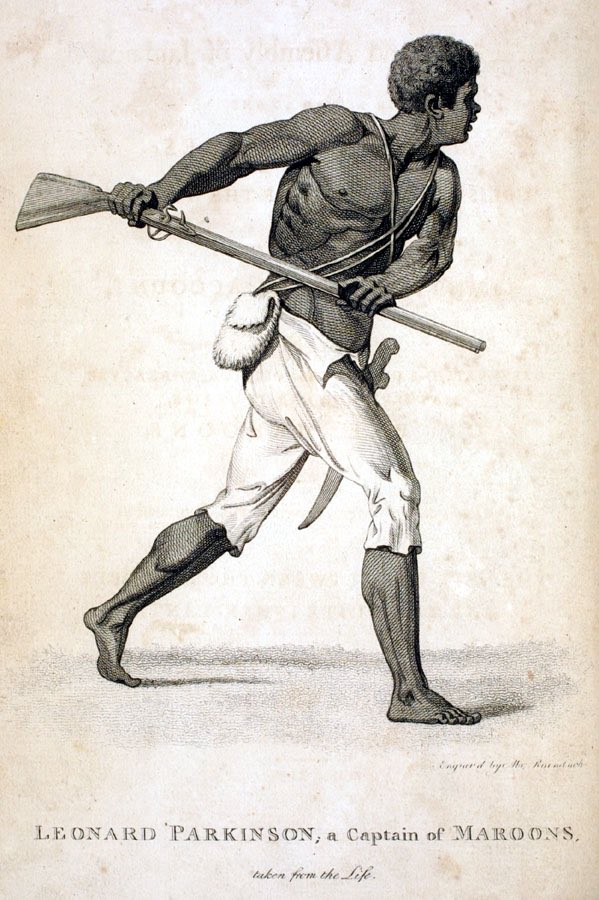
Jerk as it exists today, however, is a product of cultural fusion. In the 17th century, escaped enslaved Africans, the Maroons, fled into Jamaica’s mountainous interior and allied with surviving Taíno communities. The Taíno shared their knowledge of local spices (particularly pimento), leaf-wrapping techniques, and crucially, smokeless underground pit-cooking, which allowed the Maroons to prepare food without betraying their location to pursuers. The Maroons built on this foundation with their own African seasoning traditions, intensifying the marinade with additional heat, eventually Scotch bonnet peppers, and other elements. They also adapted the method to the feral pigs now roaming the highlands, which became central to early jerk preparations.
Jamaican literary scholar Carolyn Cooper describes jerk as “one of the enduring legacies of the fusion of African and Taíno cultures in Jamaica.” While the Maroons refined and popularized the tradition, including the underground pit method and the prominent use of pork, historians consistently trace the core techniques back to the Taíno: seasoning with native pimento, smoking and grilling on racks, and slow-cooking meat for preservation. The Taíno supplied the indigenous ingredients and methods; the Maroons supplied the bold, spicy intensity. Together, they created the jerk tradition that defines Jamaican cuisine today.
#Caribbean #Jamaica #JamaicanJerk
As we celebrate progress at expanding opportunities for women and those who continue to smash the glass ceiling into tiny splinters, today we highlight a #FirstAmongWomen, the Honourable @kaminajsmith, Minister of @mfaftja.
During a recent visit, Alexander De Croo, UNDP Administrator and United Nations Under-Secretary-General, highlighted Jamaica as a development success story built through the hard work of our people, strong leadership, and partnerships across the public and private sectors.
For over 50 years, the UNDP has worked with Jamaica to tackle key issues such as poverty reduction, climate resilience, and national development.
He noted that Jamaica’s efforts to strengthen resilience after hurricanes and advance digital government are not only helping Jamaicans, but are also providing lessons that can benefit other countries around the world.
Jamaica continues to demonstrate that small states can lead with innovation and resilience.
Growth is not simple, it takes action, ideas, and people who can connect Jamaica to the world. That’s why I appointed investment ambassadors, Jamaicans with international experience who can bring investment, technology, and opportunities home.
A great example is Lloyd Carney, who has invested one million U.S. dollars from his foundation to set up a technology lab here in Jamaica. Doing this in his own country of birth makes it even more meaningful.
I encourage Lloyd to expand this work, and I call on all Jamaicans to invest in our people and our future. Real growth happens when we take action, open doors, and create opportunities at home.
#HappeningNow: I am meeting with our Heads of Mission to discuss how Jamaica positions itself in a changing world.
As we rebuild after Hurricane Melissa, our focus is on strong partnerships, economic resilience, and creating real opportunities for our people.
Jamaica is small, but our voice and our ambition are strong.
“Within 1 month we are in a strong position to invite the world to come back to Jamaica to enjoy all the joys and pleasures that it has had over the years…” Minister of Tourism, Honourable Ed Bartlett🇯🇲🇯🇲🇯🇲🇯🇲