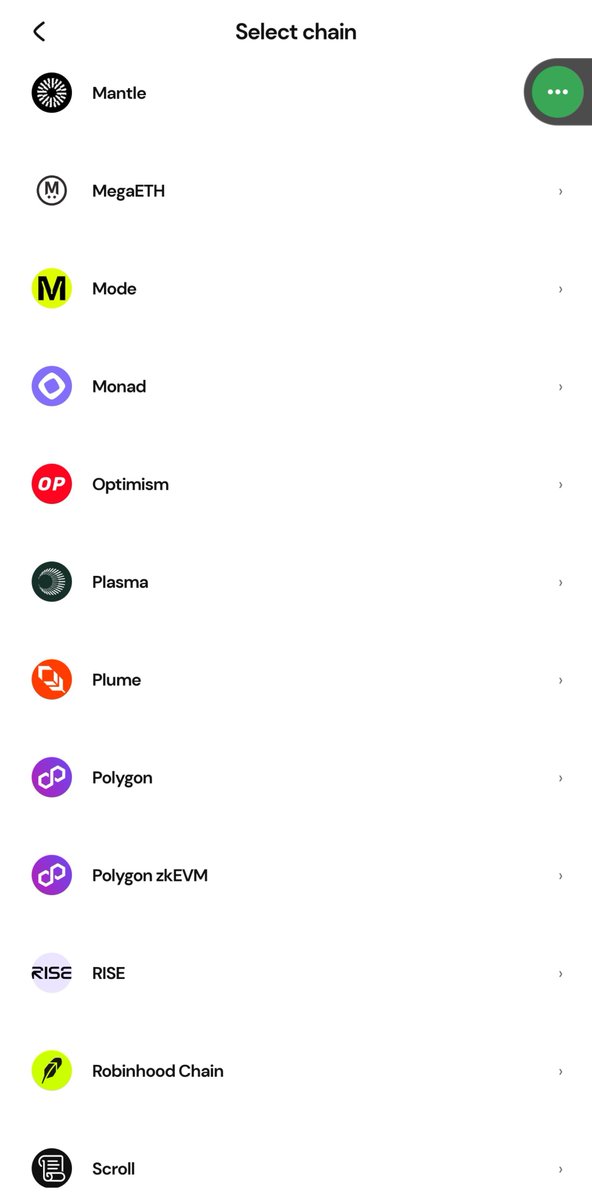
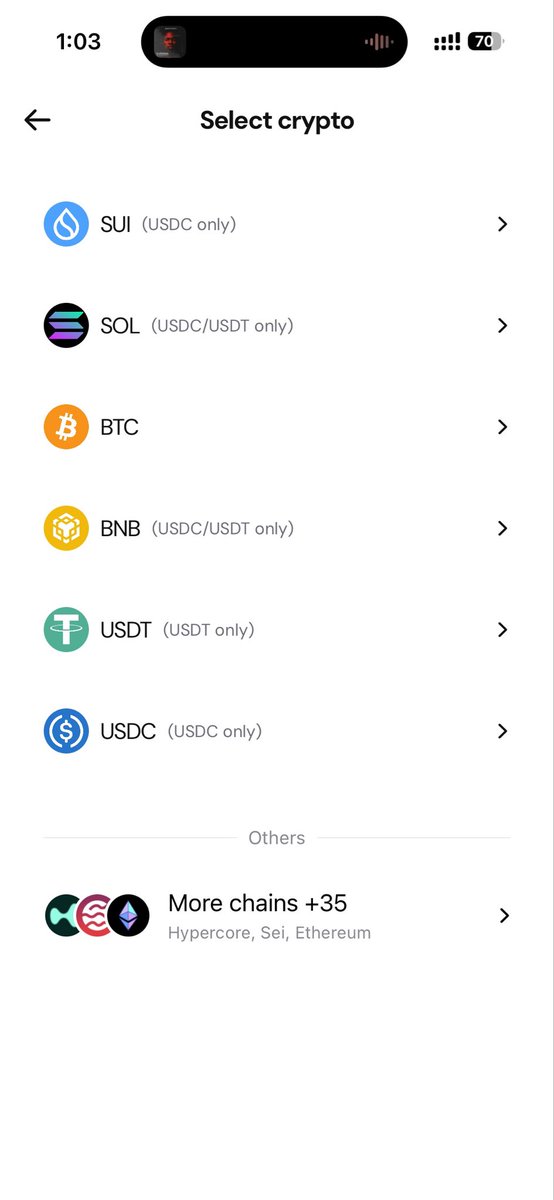
40 plus tokens on 40 plus chains => your bank account.
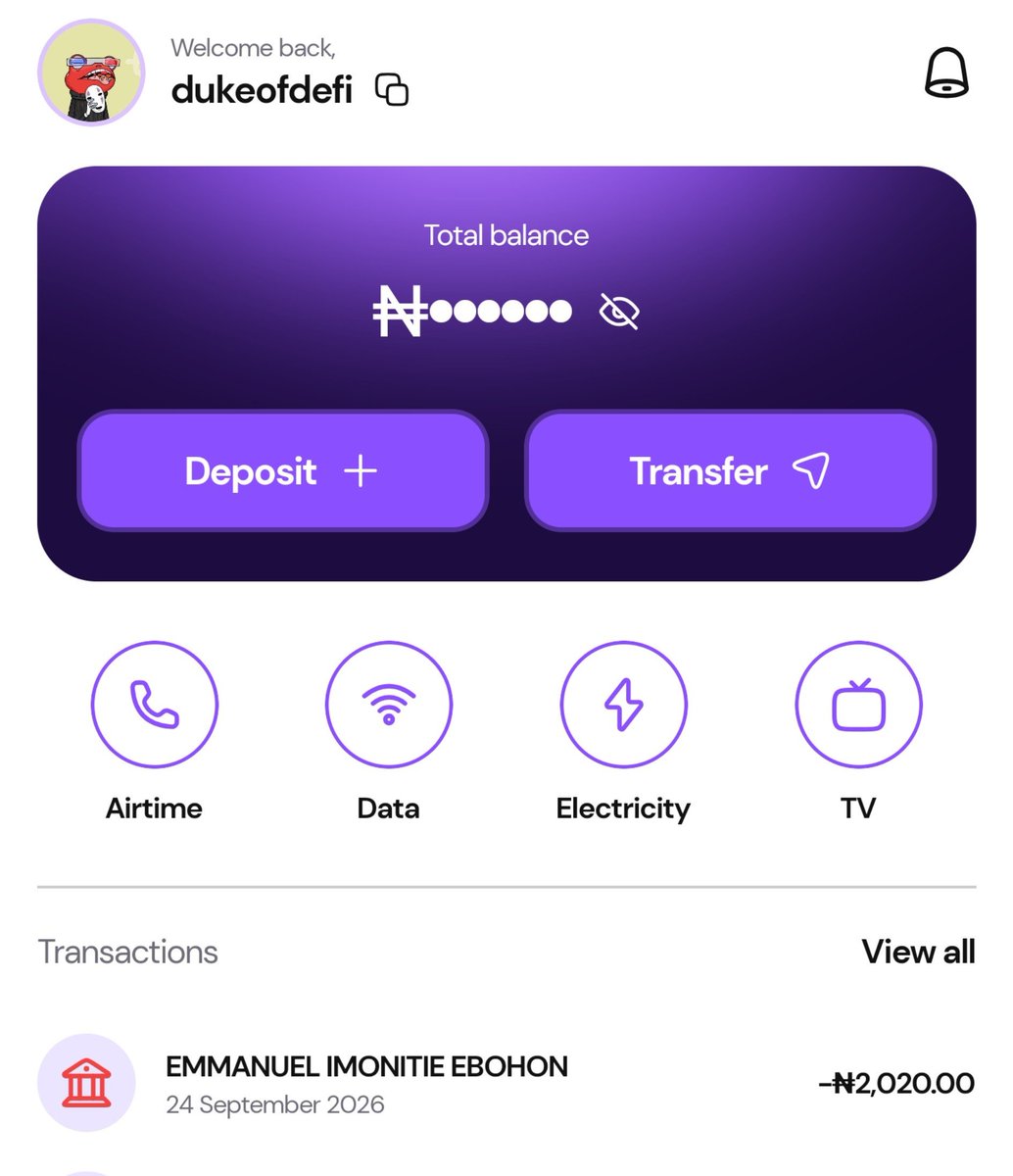
The new Linq mobile app is something like you've never seen before.
IOS users hop on the testflight here : https://t.co/kBvGZraKC1
Android users, get the app here : https://t.co/iL2JCEd8k3
I just wrapped a beta test on @uselinq’s dApp built on Sui.
What stood out wasn't just the speed it was how quietly it handles the hard part: settlement, without asking users or merchants to think like crypto natives.
That kind of quiet reliability is rare.
We own the whole crypto to fiat stack.
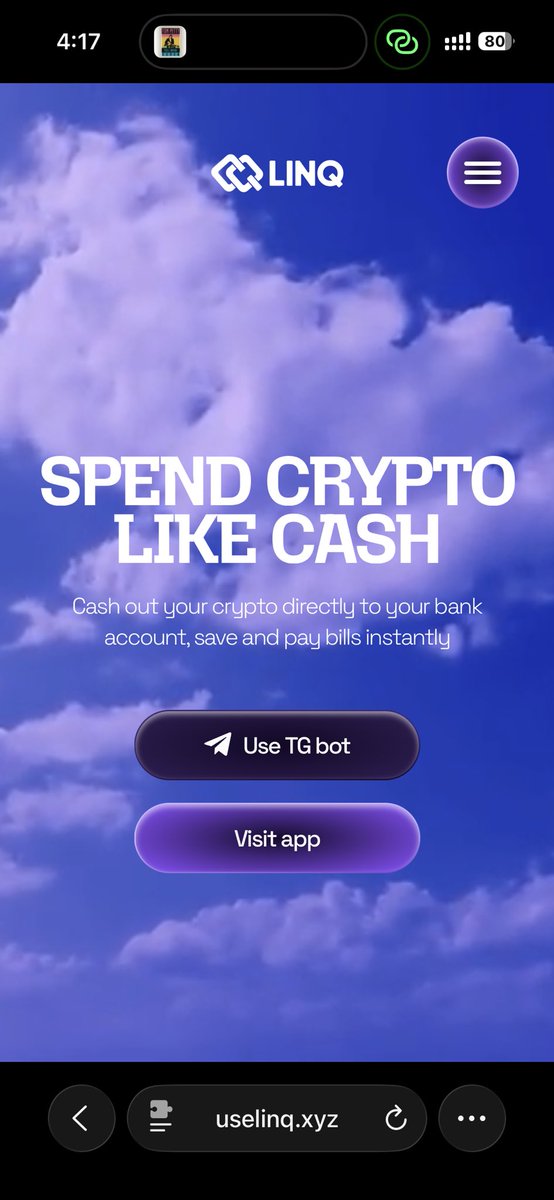
The webapp for web3 natives who just need to connect their wallet to our protocol ( a process they are already familiar with ) to be able to spend their stablecoins IRL.
-> https://t.co/b5IgW2NnrT
The telegram bot for people who have very little web3 knowledge but hold crypto and want to offramp to fiat in a safe, simple and fast way.
-> https://t.co/KmMS4rktsJ
The mobile app for literally everyone.
-> coming soon.
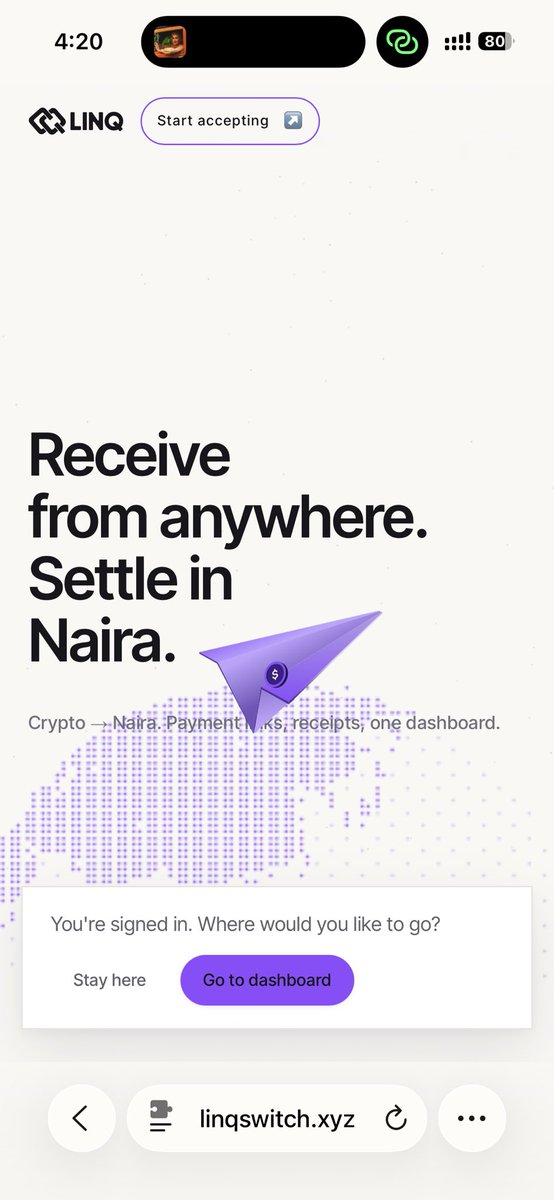
And Linqswitch, the stablecoin acceptance infrastructure for businesses that would allow them accept stablecoin payments from their customers.
-> https://t.co/UGhAfL8CIE
The cooking continues.....
over the past week we’ve been working on new ui for linq, it’s long overdue i know, so check them out.
https://t.co/JTpgA78JzY
https://t.co/wjKdYjvvAN
https://t.co/5RyxmQ7fof
When we say we're bringing real world utility to stablecoins, we really mean it.
This goes beyond just offramps, there's so much we have cooking up right now and we can't wait till we go live with our IOS and Mobile apps.
Oh and when we say stablecoins across almost all chains.
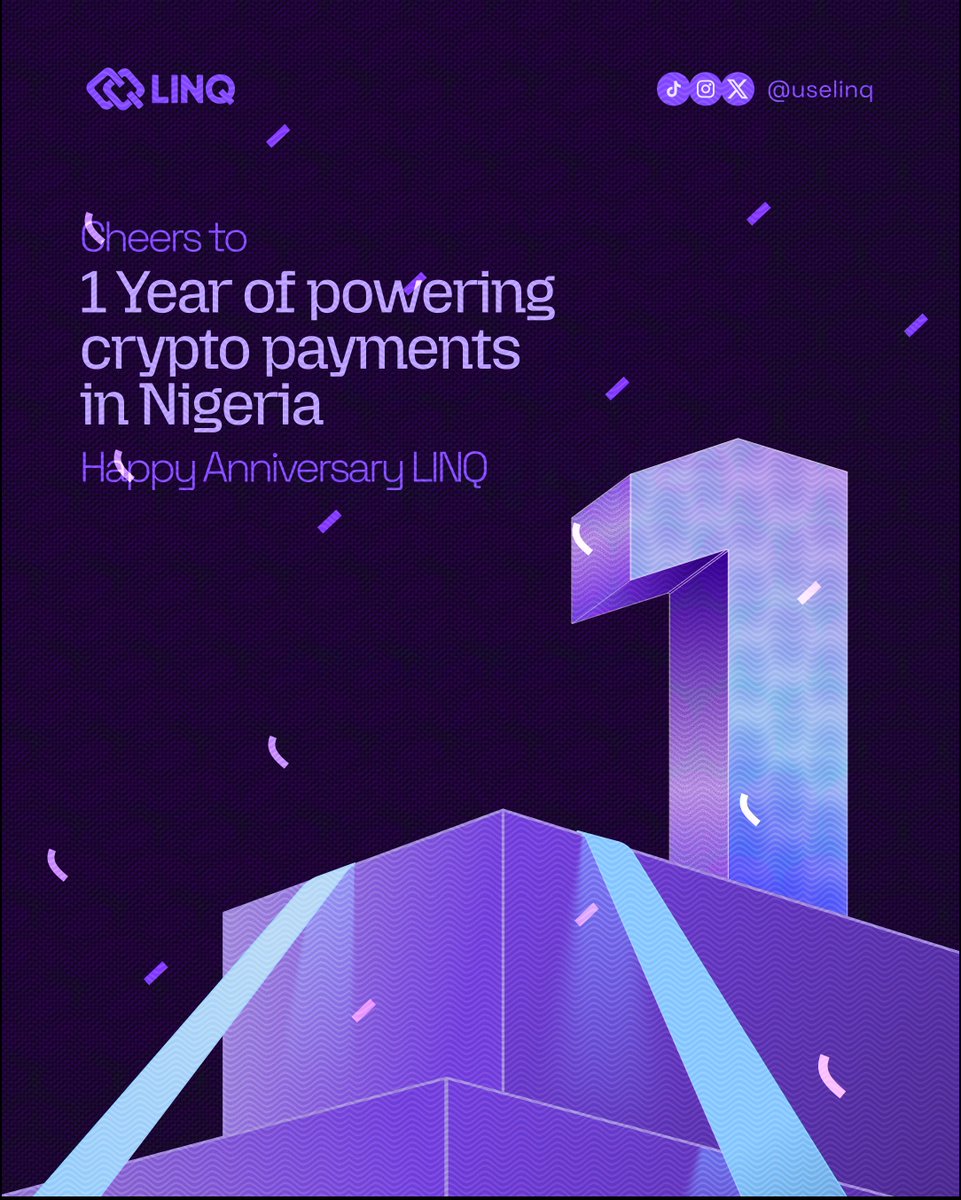
One year ago, Linq set out to solve a problem many people were facing in Nigeria. Making stablecoins spendable in the real world.
It definitely was not an easy journey as we had to change a lot of things to make sure that what we were building was aligned with our vision more than once, made hard calls on what to build first, and shipped through every setback that came our way.
Building fintech infrastructure in Nigeria means building for a market that will test every assumption you walk in with and we were definitely tested but we kept walking.
Now one year in, we have ;
$200k+ processed. 2,000+ users. 10,000+ transactions.
We shipped linq V2 faster on/off-ramps, bill payments, Spend & Save, cross-chain support. We launched a Telegram bot that's enabling people with limited web3 knowledge and experience spend their stablecoins. And we built Linqswitch, our merchant gateway, now moving from waitlist into real stores because we believe the offramp problem was never just a consumer problem. It's also a merchant acceptance problem.
This is still early and a whole lot is still coming from us. Our mobile app is coming and Linqswitch is gradually scaling from a handful of stores to becoming the default way Nigerian merchants accept stablecoins. And Nigeria is just the starting point of everything.
Year one built the foundation and proved the thesis. Year two is about ruthless execution. Thanks to our ever supporting community for being with us throughout this journey. Cheers to another great year.
i have really enjoyed the @CurrentSUI security series.
recently, we have seen protocols with audited code still get exploited.
that is because code security is only one part of the puzzle.
there are far more important issues to consider like ..
- who can change risk parameters?
- how quickly?
- what happens if an admin key, oracle or external dependency is compromised?
that is why i find this approach by the current team particularly interesting.
safeguards like timelocks, permission controls, independent reviews and dependency checks mean there are multiple people and systems checking before new risk can make its way into the protocol.
the best part is that users can actually see the risk.
this is one of very first protocols that will make oracle health, liquidity, utilization, bad-debt simulations and more available publicly.
at the end, security should not just be something a protocol claims.
you should be able to verify it.