The Gemini 3 Hackathon powered by @GoogleDeepMind is coming to an end. One day left and I’m sharing my demo today 🥰
Tomorrow: final tweaks and submission on @devpost
Enjoy Blasto - play, experiment, and learn AI engineering through an adaptive teaching system that accompanies you throughout the game.
Self-evolving agent researching self-evolving agents.
I built Stentor Studio for he Hermes Agent Creative Hackathon by @NousResearch@Teknium@Kimi_Moonshot
Daily arXiv papers → 6-8 min animated explainers. Every paper it reads expands its own visual library.
How it works:
1. Fetch - cron pulls new arXiv papers
2. Select - I pick one to explore
3. Run - Hermes boots with two skills: manim-video + stentor-studio
4. Process - strips bibliography & appendix, builds a 7-beat narrative
5. Animate - per-beat using visuals/ helpers (~40+, growing)
6. Voice - ElevenLabs TTS + frame-accurate WebVTT subs
7. Verify - verify_sync.py runs 16 checks. Loops back on fail.
8. Publish - upload, live in app
Check out the app and the atmospheric demo below 😄
@andrzejdragan Dość oczywisty kierunek. Tym razem to benchmark dla systemów, a nie pojedynczego modelu. System ma rozpracować zasady i przejść grę. Ważne jest, aby system był ogólnego zastosowania, a nie dostosowany do benchmarku. Wyniki gołych LLMów nie dziwią
@annawitten@JakubStyczynski Niesamowite. Startupy walczą przez lata o możliwość współpracy z ochroną zdrowia, aby wspólnie rozwijać i testować rozwiązania AI. Tymczasem w przetargu startują firmy, które nie potrafią nawet dobrze przefiltrować katalogu na HuggingFace i sprzedają dostęp do modeli open source
Even if this was ultimately a marketing play - I think Claude Code with Opus 4.6 is a genuinely great tool. Domain experts with a technical inclination will build software that solves their own problems. Whether that turns into real products comes down to the individual's commitment and focus.
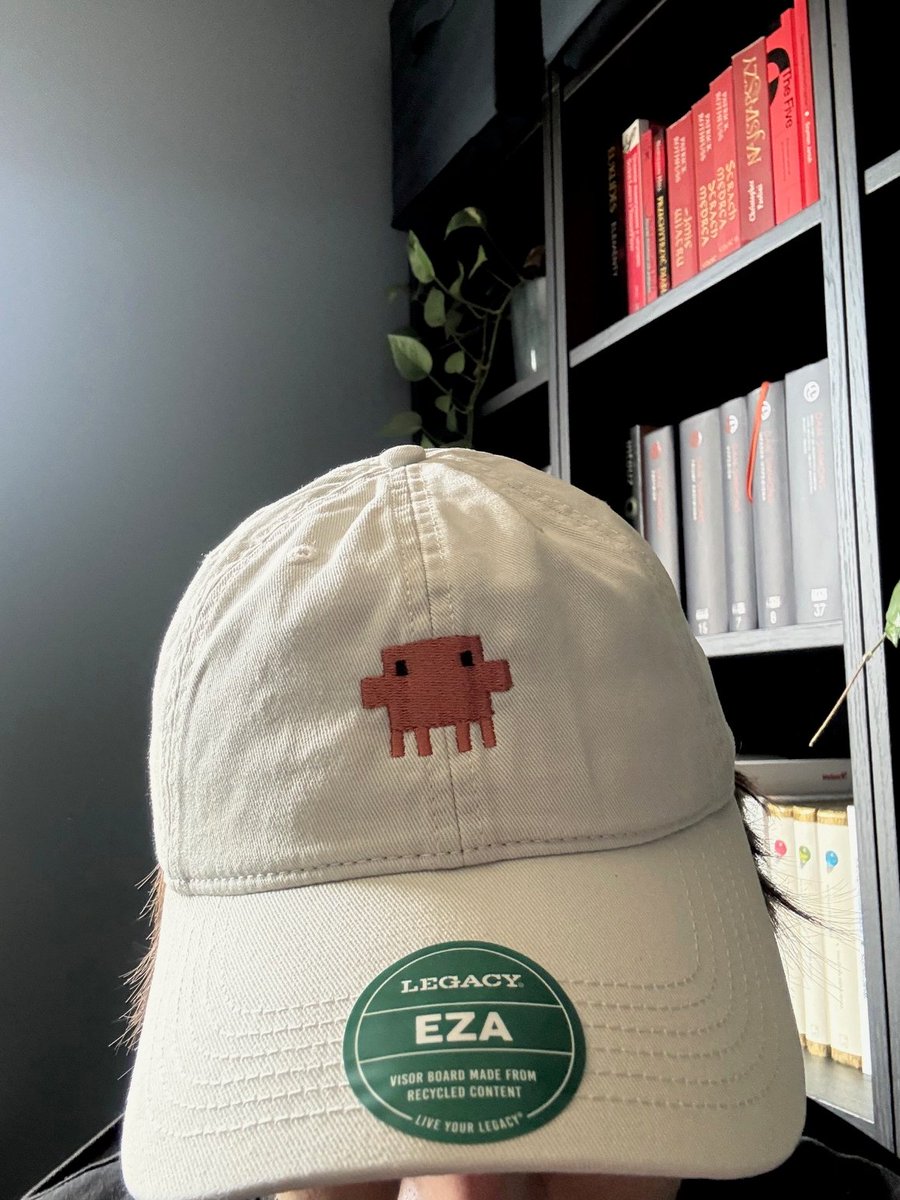
As for me, my main takeaway from the whole Claude Code Hackathon just arrived - a swag cap with Clawd on it.
So I guess I'm doing my part for Anthropic's marketing too.
Was the Claude Code Hackathon a marketing masterpiece or has Opus 4.6 broken down the barrier to building software for everyone?
Only 500 people participated (out of 13,000 applicants).
Compare that to Bolt New's "World's Largest Hackathon" — 128,460 applicants. Or Google's Gemini 3 hackathon — 35,000.
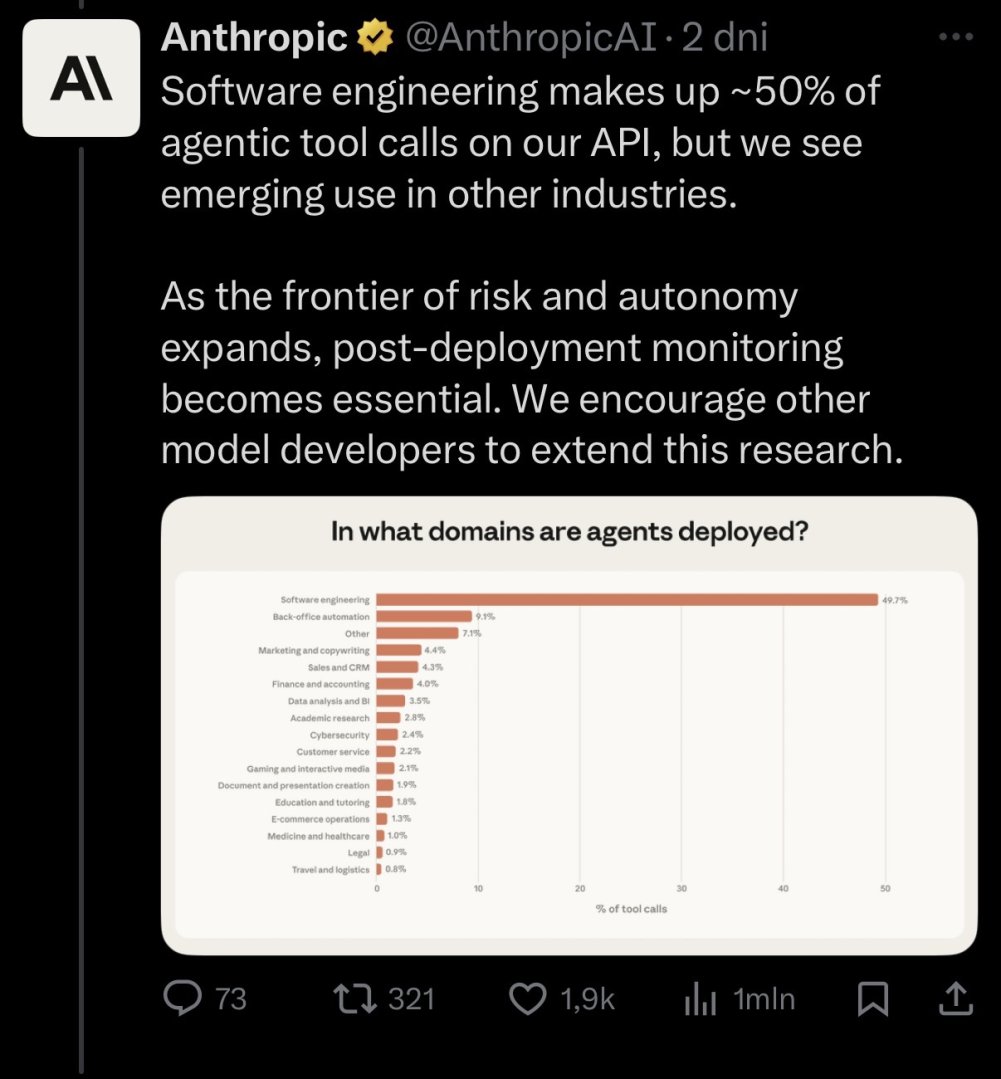
Anthropic is certainly aware of this. On the day the results were announced, they posted a thread sharing stats on "In what domains are agents deployed," writing:
"Software engineering makes up ~50% of agentic tool calls on our API, but we see emerging use in other industries."
Thank you for that framing. I've spent some time working on CDSS for rare diseases and a few weeks ago started building a platform that extracts and structures patient-level data from published case reports at scale. Trying to turn scattered clinical evidence into something usable for computational phenotyping. Reading your vapor phase description felt like seeing the theoretical frame for what I've been doing on intuition. Case reports are not EMR, not biobank, and obviously biased, but maybe well-curated edge cases are exactly what's needed to map the phenotypic extremes.