Jessica Soho and Kara David single handedly doing the government's job of protecting the environment, the indigenous peoples, and the agricultural sector. JUSKO DENR, NCIP, PBBM ano na?!
Ang lala ng mga kulto! Ninakawan ng susi yung rider gusto pa pumatay? Iba talaga ang sampung utos ni Manalo.
"Wag ka na magsalita. Gusto mo ba mamatay? Tarantadong hayop ka."
Sindikato at Kulto.
[ TREND PARTY FOR LE SSERAFIM – 🏁! ]
FEARNOTs, the moment we’ve all been waiting for is here! LE SSERAFIM is back with their 3rd Mini Album ‘EASY’ 💿
Let’s start trending the tags! ❤️🔥
🔒 200 replies
EASY OUT NOW
#르세라핌이_하면다쉬워보이지#LE_SSERAFIM_EASY#MakeItLookEasy
Nipah virus outbreak: Watch out for these 3 risk factors.
In severe cases, Nipah virus infection can progress to a coma within 24-48 hours and can be fatal. Watch out for these 3 risk factors.
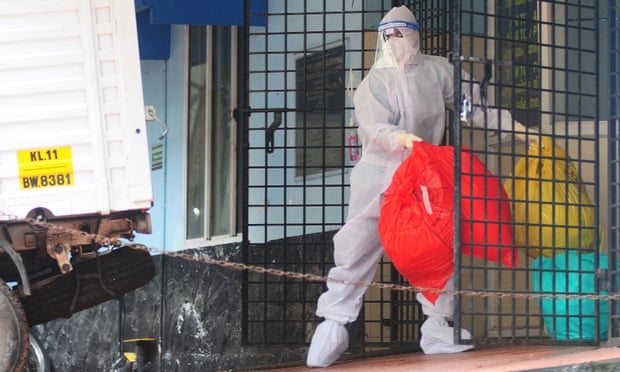
For the third time in five years, the brain-damaging Nipah virus has surfaced again in the Kozhikode district of Kerala, leading the state health department to declare a health alert after two “unnatural” deaths were reported, followed by four high-risk contact cases with a 9-year-old on ventilator support. Though the patients are receiving medical care and a significant improvement has been observed in the 9-year-old boy who has now been removed from ventilator support, test results of more samples are awaited hence, health experts insist precautions.
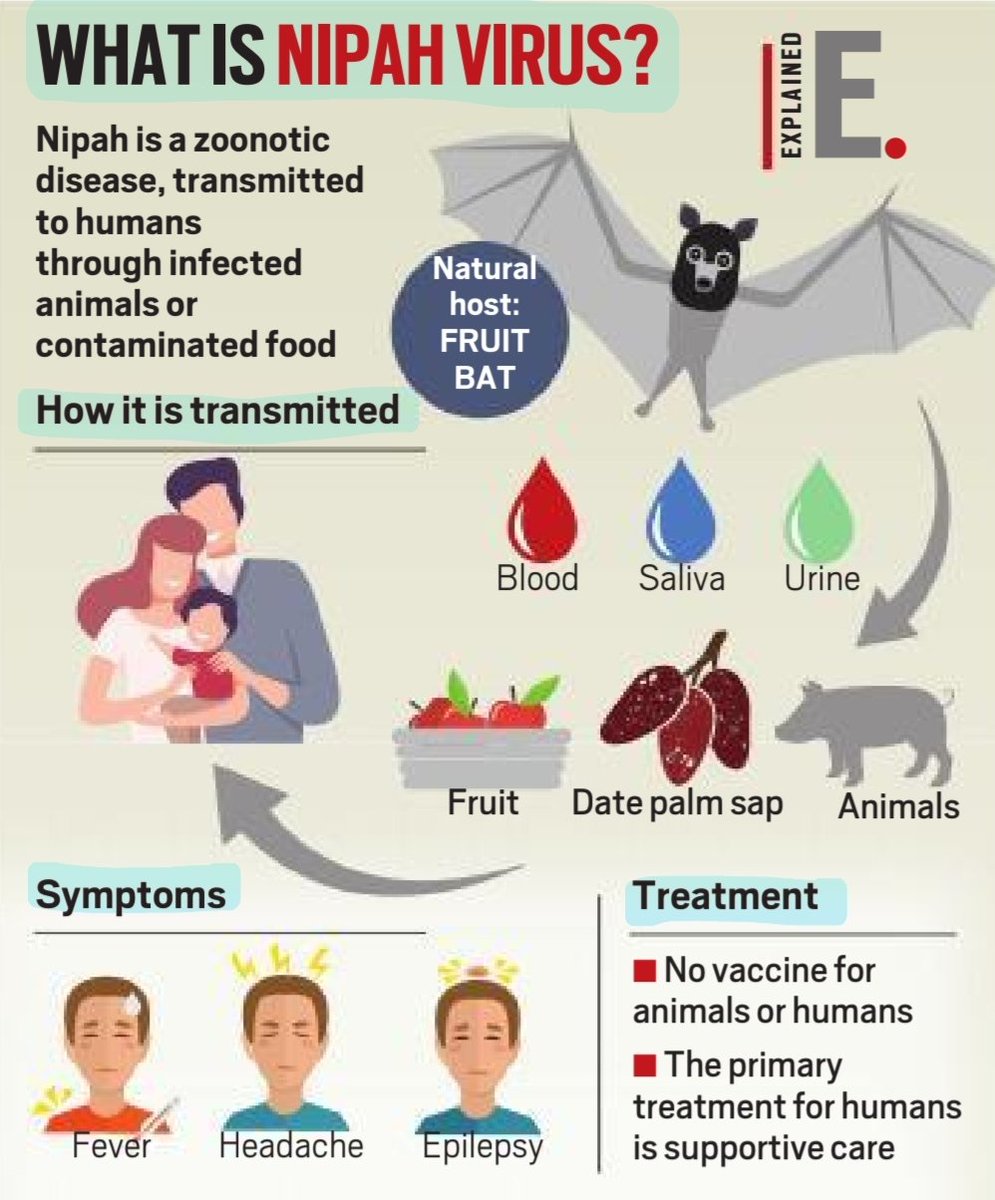
In an interview with HT Lifestyle, Dr Harish Chafle, Consultant Intensivist and Chest Physician at Global Hospitals in Parel Mumbai, explained that Nipah virus is a zoonotic virus, which means it can be transmitted from animals to humans. According to him, Nipah virus infection can lead to a range of symptoms, including:
1. Fever
2. Headache
3. Fatigue
4. Muscle Pain
5. Respiratory Distress
6. Encephalitis (Inflammation of the Brain)
Highlighting that in severe cases, Nipah virus infection can progress to a coma within 24-48 hours and can be fatal, Dr Harish Chafle cautioned against the primary risk factors and causes that include -
1. Animal Reservoirs: Fruit bats are considered the natural reservoir of Nipah virus. Direct or indirect contact with these bats, their excretions or saliva can lead to transmission to humans.
2. Consumption of Contaminated Food: Consumption of fruits or juices contaminated with bat saliva or urine can result in infection.
3. Human-to-Human Transmission: Once a person is infected, Nipah virus can also spread through close contact with infected individuals, especially in healthcare settings.
He added, “As of my last update in September 2021, there is no specific antiviral treatment for Nipah virus infection.” Dr Harish Chafle suggested taht supportive care is crucial, including:
Isolation: Patients should be isolated to prevent further transmission.
Symptomatic Treatment: Managing fever, pain, and other symptoms can help make the patient more comfortable.
Intensive Care: Severe cases may require intensive care, including mechanical ventilation for respiratory distress.
Experimental Treatments: Some experimental treatments and antiviral drugs have been explored, but their effectiveness is not well-established.
He concluded, “It's important to consult with healthcare experts and organizations for the most up-to-date information on Nipah virus, especially regarding any developments in treatment or prevention strategies. For the latest information on Nipah virus, I recommend reaching out to relevant health authorities, such as the World Health Organization (WHO) and local healthcare providers or institutions for expert guidance specific to your region.”
#nipah #virusnipah #indianipah #covid2023
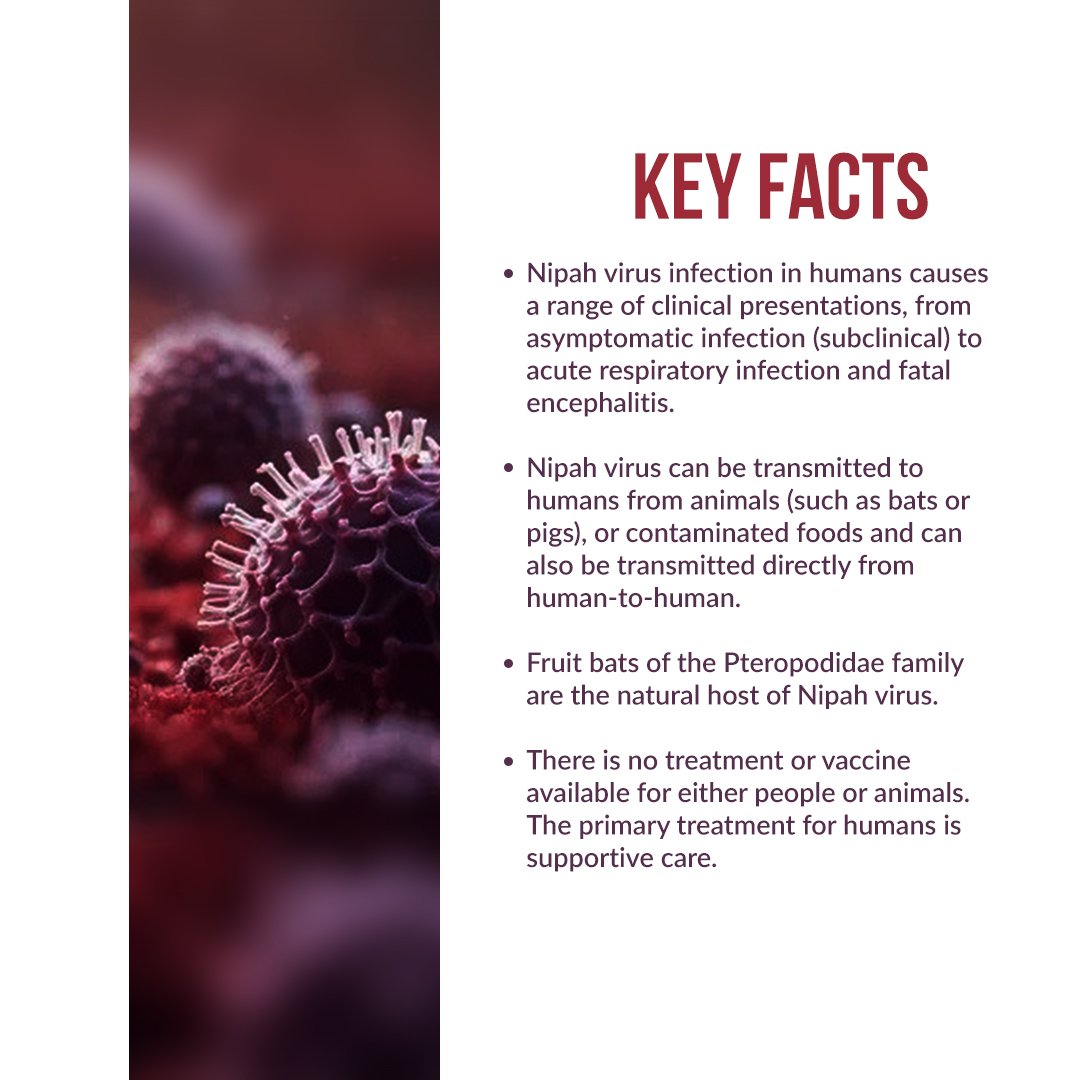
🚨BREAKING: A deadly outbreak of Nipah virus has emerged in India. The virus has a fatality rate between 40-75% according to the WHO. It currently has no known vaccine.











![LSRFMTrends's tweet photo. [ TREND PARTY FOR LE SSERAFIM – 🏁! ]
FEARNOTs, the moment we’ve all been waiting for is here! LE SSERAFIM is back with their 3rd Mini Album ‘EASY’ 💿
Let’s start trending the tags! ❤️🔥
🔒 200 replies
EASY OUT NOW
#르세라핌이_하면다쉬워보이지
#LE_SSERAFIM_EASY
#MakeItLookEasy https://t.co/OZALmq6tzq](https://pbs.twimg.com/media/GGrm8ukaAAAAMia.jpg)