Love this graphic showing the "Immigrant-ESRD Cycle." As future providers, we will be responsible for finding solutions for our immigrant patients who may not be eligible for services like emergency dialysis and kidney transplant.
Here’s an infographic with a few points on the impact of homelessness on chronic kidney disease (CKD) @nivitasharma @thatwasi @ssbm_gergatron @ernielesq
Such an important topic and interesting study. An important reminder that the implicit biases we bring as providers can have tangible outcomes on the well-being of our patients.
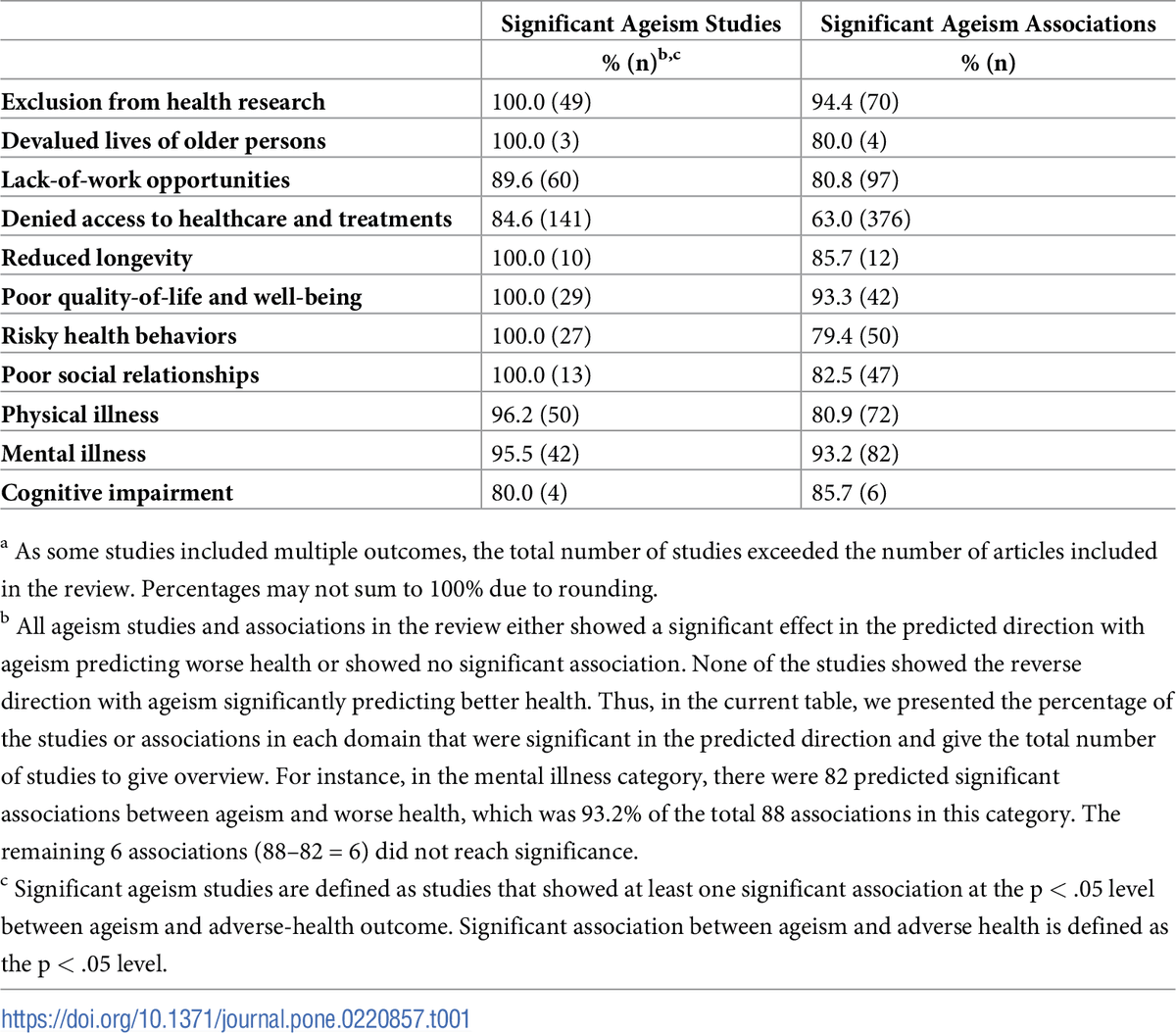
2/ This systematic review revealed that ageism lead to significantly worse health outcomes in 95.5% of the 422 studies analyzed. This was true across all 11 health domains (4 structural, 7 individual).
As we look ahead to how we will continue to confront #COVID19 in the US, it's so important that this especially vulnerable population is not overlooked. Excluding these patients from receiving care will only magnify and prolong the problem.
Black patients were also found to have higher risk of several adverse outcomes, including incident NYHA class III or IV heart failure. However, black patients were less likely than whites to undergo septal reduction therapies despite similar degrees of obstruction. #socialjustice
CV mortality remains highest among black patients; though genetics plays a role, access to care undoubtedly does too. This study showed that race was associated with disparities in care and outcomes among patients with HCM. #healthdisparities @ernielesq
https://t.co/ep0tu9B4Rz
Among those with genetic testing, black patients were less likely to have pathogenic sarcomere variants identified, but more likely to have variants of unknown significance. Likely reflects inequalities in the diagnostic framework - insufficient genotyping of black patients.