(4/4) Pakistan’s #energy sector is already struggling due to costly energy. The current plan aims to continue the tradition, through ‘committed’ projects. It is high time to focus on efficient green energy, to create cheap & equitable access for all.
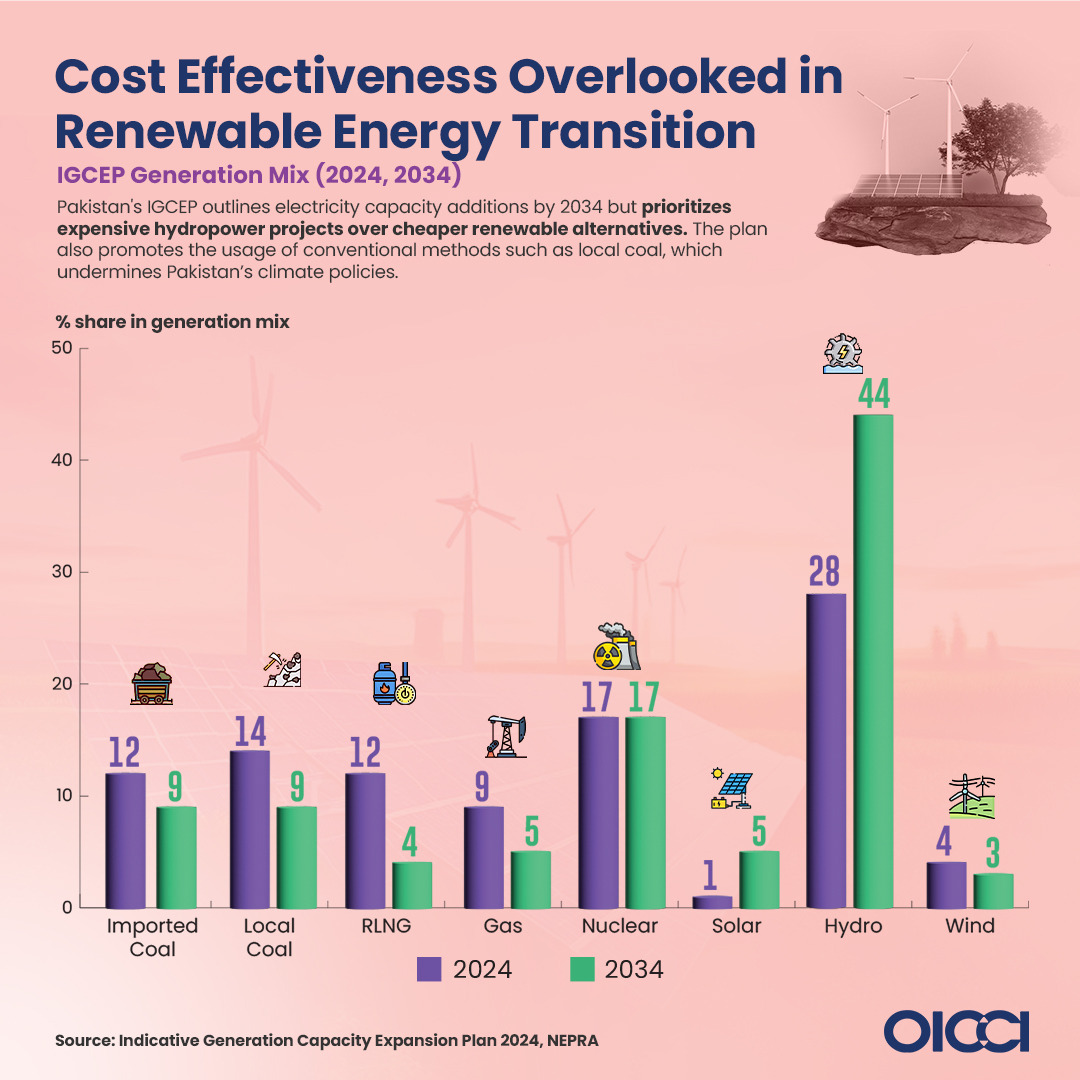
(1/4) 🚩The latest Indicative Generation Capacity Expansion Plan reduces the share of renewable energy (VRE) from 30% to 12.9% compared to previous forecasts.
It also relies on hydropower despite delays and cost overruns, reducing the use of cheaper solar and wind energy.
Only 15% of #Pakistan's 🇵🇰planned 14 GW hydropower capacity may be ready by 2030, with costs possibly escalating from $31 billion to $49-61 billion.
⚫️Collaborative content produced for @oicci_pakistan
(3/4) #DYK: 💰Investing in renewable energy could boost agriculture, create 15,000+ jobs, add $3 billion to Balochistan's GDP, reduce circular debt, and unlock $14 billion in financial opportunities. Given Pakistan's ongoing energy challenges, it is crucial to shift focus to efficient green energy for affordable and equitable access.
(5/5) Government borrowing is expected to rise sharply in the coming fiscal years unless fiscal operations improve and the country achieves a surplus, which seems unlikely.
(1/5) Pakistan's 🇵🇰 government borrowed a record PKR 8.564 trillion from commercial banks in FY24, surpassing the total of the previous two fiscal years combined. This massive borrowing primarily financed the fiscal deficit, reducing reliance on foreign loans.
#EmpoweringPakistanWithData #Pakistan #economicdata #PakistanEconomy #FiscalPolicy #DebtTrends #news #economy #EconomicOutlook
(4/5) The markup payment on domestic debt, primarily covered by bank outflows, is projected to reach PKR 8.74 trillion in FY25, a 21.15% increase from revised FY24 estimates.
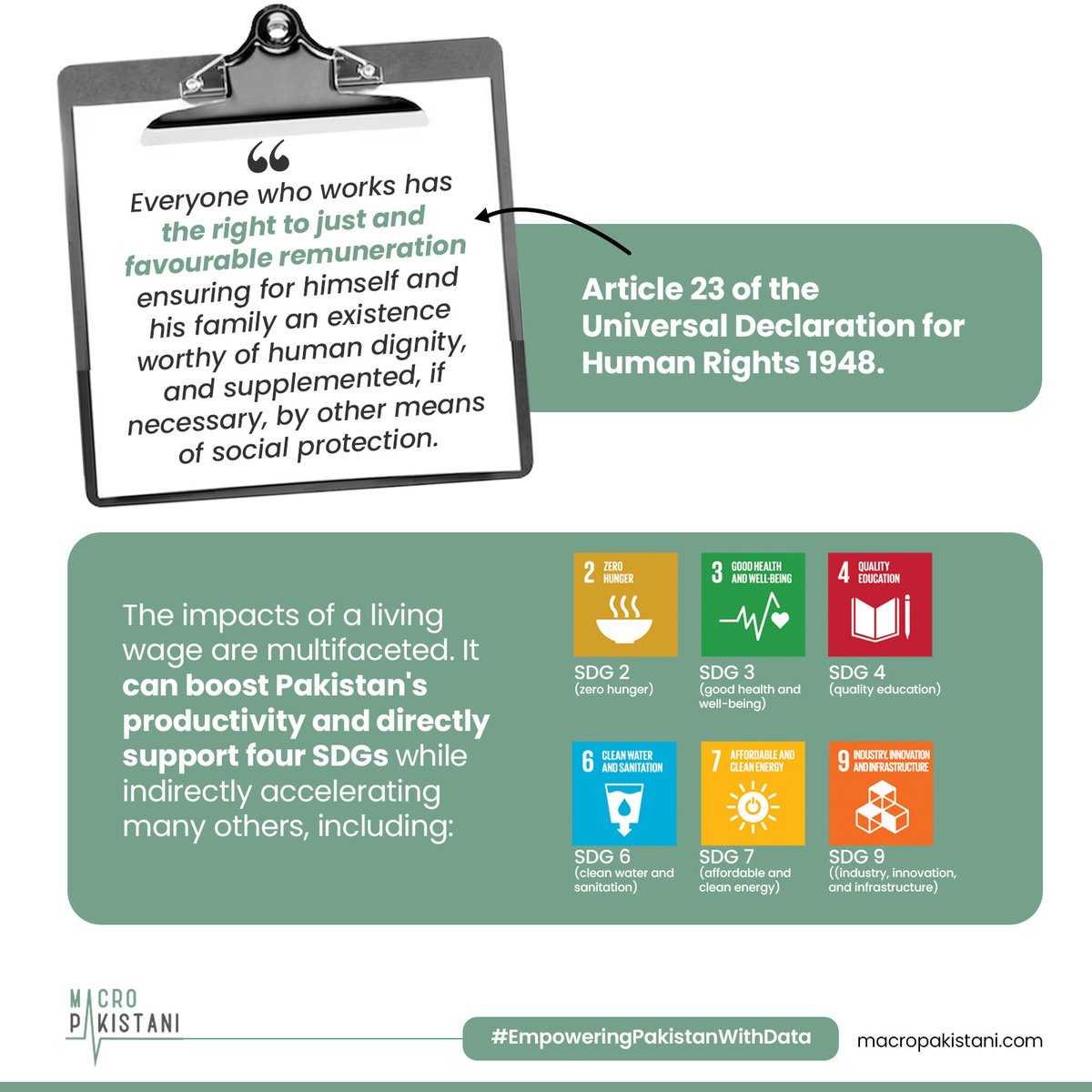
(3/3) "Everyone who works has the right to just and favourable remuneration ensuring for himself and his family an existence worthy of human dignity, and supplemented, if necessary, by other means of social protection," as stated in Article 23 of the Universal Declaration for Human Rights 1948.
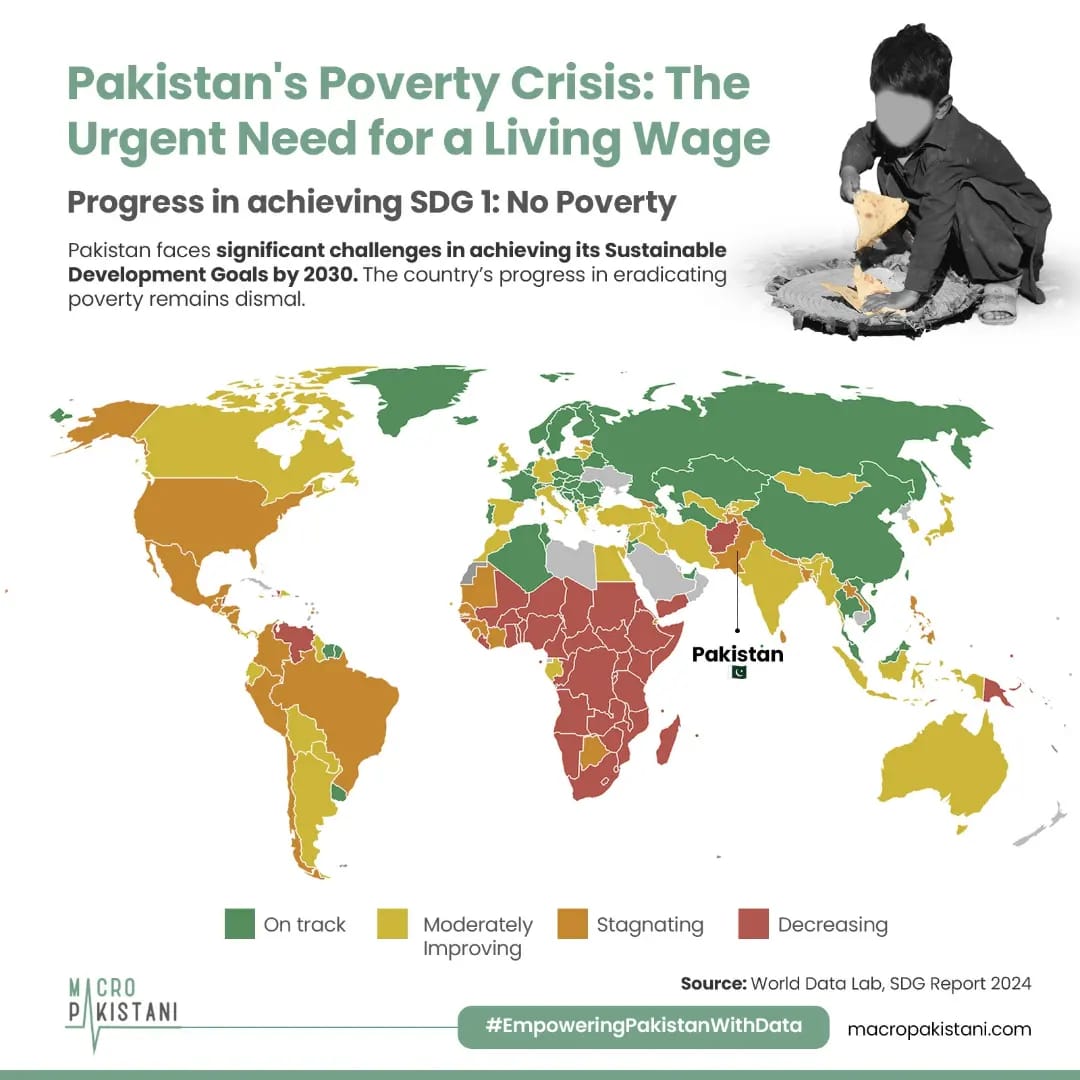
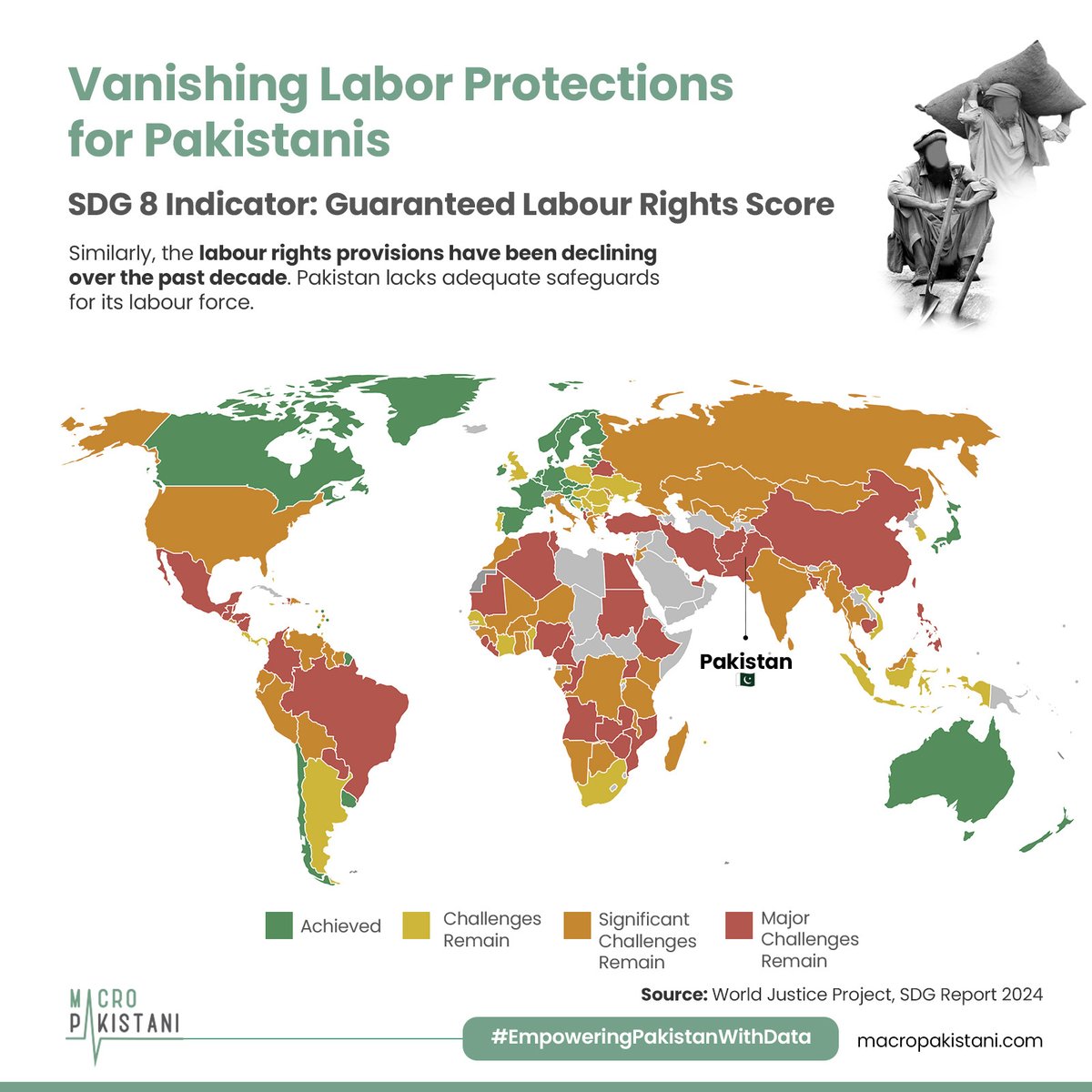
(1/3) Pakistan faces significant challenges in achieving its Sustainable Development Goals by 2030, with dismal progress in eradicating poverty. Similarly, labour rights provisions have been declining over the past decade, and the country lacks adequate safeguards for its workforce.
#Pakistan #economy #economicdata #FairlivingWage #LivingWage
(2/3) The impacts of a living wage are multifaceted, boosting Pakistan's productivity and directly supporting four SDGs while indirectly accelerating many others, including SDG 2 (zero hunger), SDG 3 (good health and well-being), SDG 4 (quality education), SDG 6 (clean water and sanitation), SDG 7 (affordable and clean energy), and SDG 9 (industry, innovation, and infrastructure).
(3/3) Pakistan ranks 113th in the Energy Transition Index (ETI) 2024 Ranking Table representing its slow transition to green energy.
Over the past decade, the Middle East, and North Africa region (including Pakistan) has seen a 7% growth in ETI scores, which have stagnated since 2021. The region’s heavy reliance on oil revenues poses challenges for a sustainable energy transition.
While transition readiness has improved by 22% over the decade, the region has seen the most significant decline in finance and investments in the past three years.
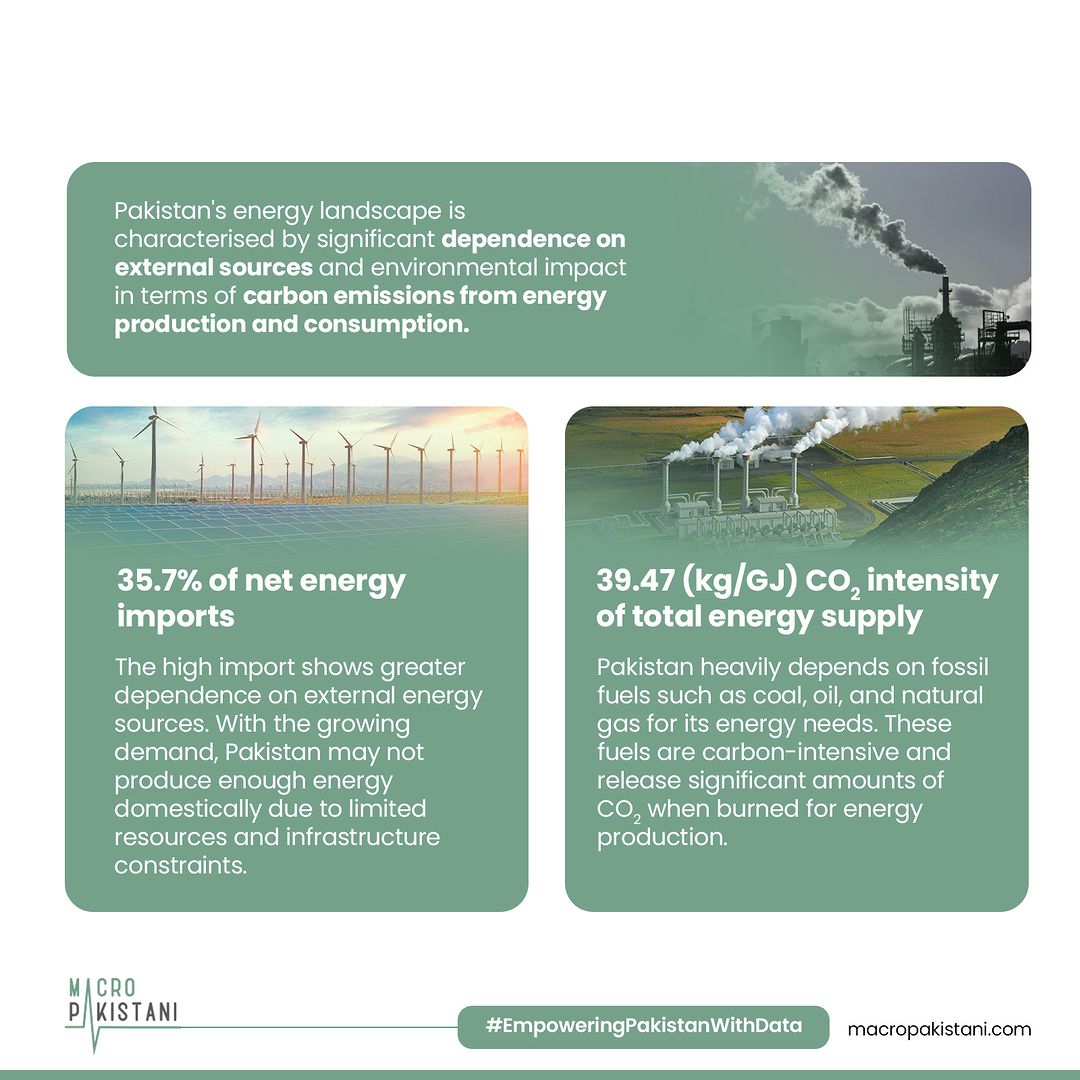
(1/3) In 2024, #Pakistan🇵🇰 faces significant challenges and opportunities in its energy transition journey, as depicted by comparative metrics across various key indicators. With a population of 235.8 million, Pakistan's energy policies must cater to a large and growing demographic.
#EmpoweringPakistanWithData #news #economy #economicdata #renewableenergy
(2/3) Despite a modest GDP of USD 0.37 trillion, Pakistan's economic output plays a crucial role in funding and supporting energy sector reforms. Reliant on imports for 35.7% of its energy needs, Pakistan seeks to enhance energy security through domestic production and renewable sources. A CO2 intensity of 39.47 underscores the need for greener technologies and policies to mitigate environmental impact.
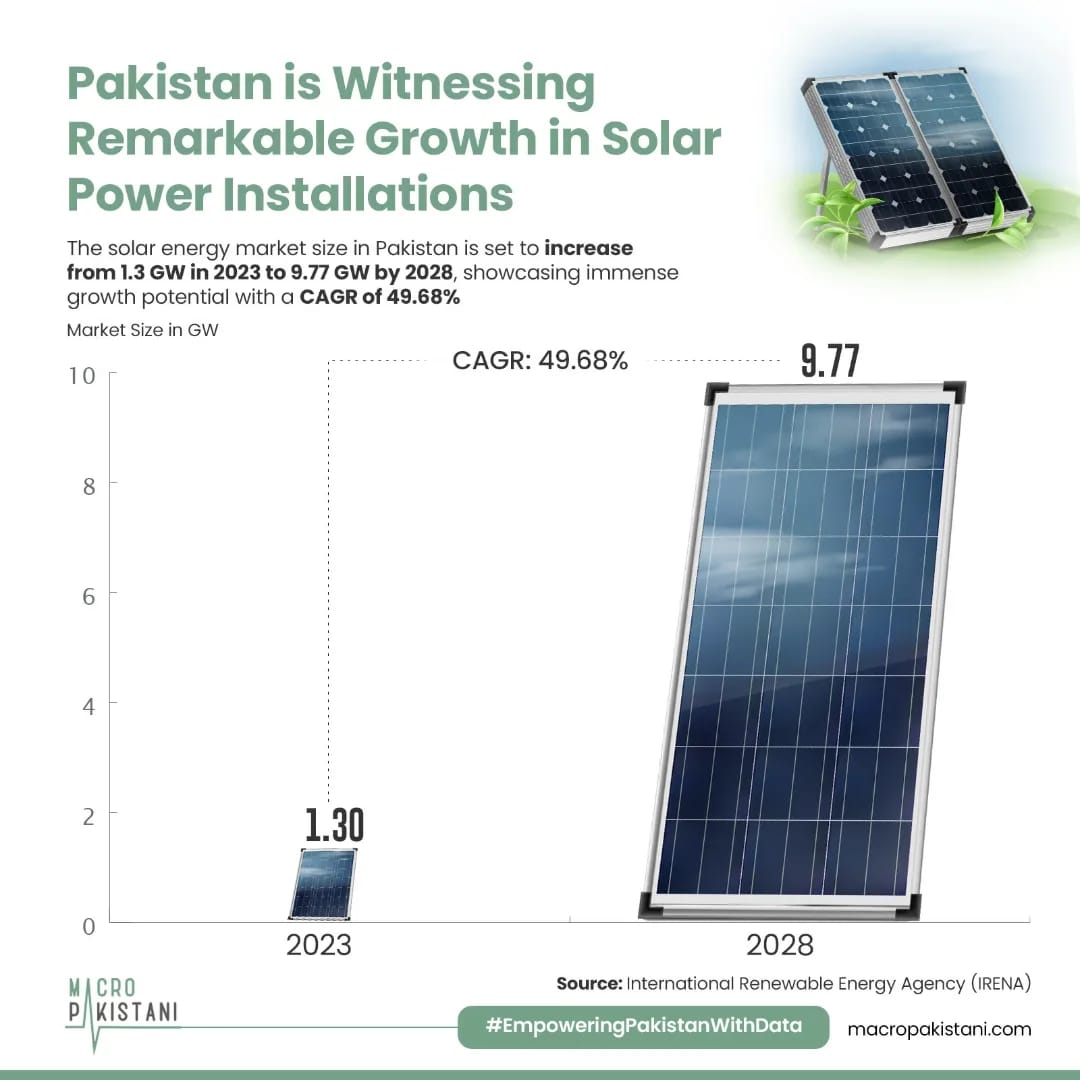
Developments underway in Pakistan's solar energy landscape are currently in the limelight. With solar installations expected to surge to 9.77 GW by 2028 and an impressive annual growth rate of 49.68%, the potential for renewable energy is clearer than ever.
#SolarPower#Pakistan #news #economy #economicdata
n/n To build a resilient economy, Pakistan must urgently reassess its priorities. Adequate investment in health and education is not a choice but a necessity. 📈
#EconomicDevelopment#PakistanEconomicSurvey2024
4/n Without efficient use of funds to bolster education, Pakistan risks falling short of its sustainable development goals. We need meaningful investment now.
#InvestInEducation
3/n Similarly, education expenditure has dwindled to a mere 1.5% of GDP, despite increased provincial spending. This is disheartening given Pakistan's development needs. ⚠️ #EducationEmergency
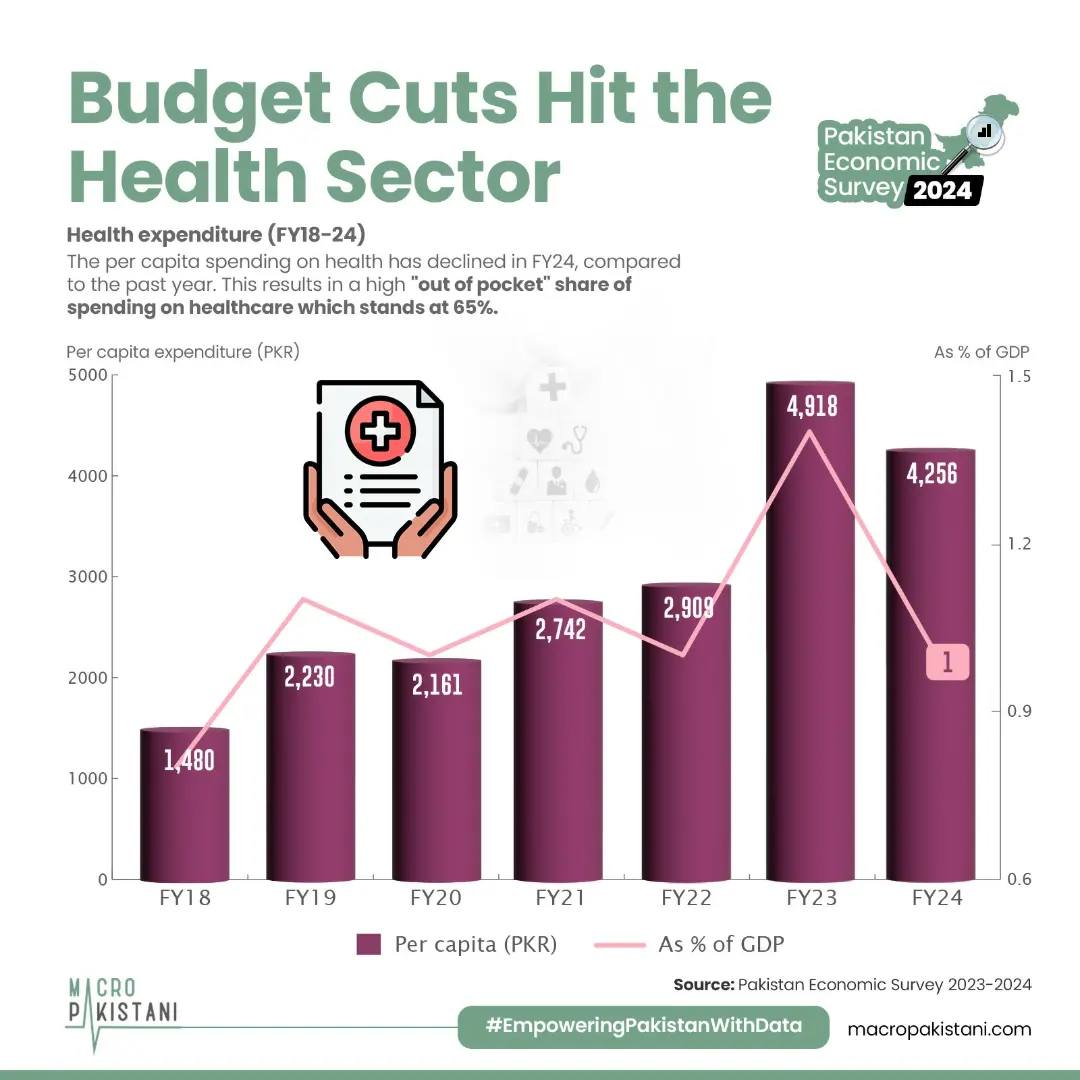
2/n With 65% of healthcare costs falling on citizens' shoulders, Pakistan faces a critical imbalance in healthcare funding. It's time for real change. #PublicHealth