I asked GPT-5.5 Pro to write a profound poem about the life of a T cell, as I always do with every new model. 5.5 Pro wrote this beautiful epic poem with almost no jargon, the first model to do so to date! Anyone with no immunology knowledge can understand all of it, and it truly captures the life of a T cell. It is almost as if GPT-5.5 understands our world model and a T cell’s world model almost completely. High-level AGI, really!
The Small Soldier Who Learned the Shape of Home
I was born where all blood begins dreaming,
in the red cathedral of marrow,
among stem-cell whispers and iron-dark rivers,
before I had a name,
before I knew the body was a country
with borders made of skin
and laws written in proteins.
They sent me young to the thymus,
that soft school behind the breastbone,
where the heart beat nearby
like a drum I was not yet worthy to follow.
There, I learned the alphabet of belonging.
A thousand doors opened.
A thousand doors closed.
They showed me fragments of the self—
small torn flags of liver, lung, nerve, skin—
and asked,
Do you recognize this?
If I saw nothing,
I was nothing.
If I loved too fiercely,
if I reached with hunger
toward the sacred face of home,
I was taken quietly aside
and erased before I could become a wound.
So many of us disappeared.
No mourning bell rang.
No antibody wrote our names.
We simply failed the tender exam
of restraint.
To live, I had to learn
the hardest lesson any guardian learns:
Protect the beloved
without consuming it.
At last, I emerged
small and unscarred,
a naïve T cell,
which meant not foolish,
only untouched—
a soul with a weapon
it had never drawn.
I entered the bloodstream
like a child entering history.
Around me, red cells carried breath
with humble, tireless grace.
Platelets slept with one eye open,
ready to become bandage and bridge.
Neutrophils burned bright and briefly,
rushing toward danger
as if death were a kind of weather.
I drifted through vessels,
through spleen and lymph node,
through the long blue roads
beneath the skin,
searching for a face
I had never seen
but somehow existed to recognize.
Days passed.
Or perhaps months.
Time is strange
when your purpose has not yet found you.
I brushed past dendritic cells,
those solemn archivists of injury,
each carrying rumors
from the outer provinces:
a splinter,
a virus,
a bacterium wearing stolen sugar,
a cell that had forgotten how to die.
Again and again they showed me scraps
held up in molecular hands.
Not this.
Not this.
Not this.
Then one day,
inside a crowded lymph node
warm with chemical messages,
I stopped.
There it was.
A fragment, impossibly small,
displayed on MHC
like a name carved into light.
Not self.
Not home.
The world narrowed
to one terrible recognition.
My receptor trembled.
All the silent years ignited.
The dendritic cell looked at me
with the gravity of a messenger
who has crossed a battlefield
to say,
Now.
And I became more than myself.
I divided.
Not once,
but again and again,
a flood of daughters
born from a single decision.
We filled the node
with copies of urgency.
We learned new names:
effector,
killer,
helper,
messenger,
blade.
Some of us carried cytokines,
those brief, bright words
that tell other cells
where to run,
what to fear,
when to burn,
when to heal.
Some of us sharpened into cytotoxic grace,
trained to find infected cells
and whisper death into them
before the invader could multiply.
Do not think I hated what I killed.
Hatred is too large,
too human,
too wasteful.
I felt something cleaner
and more sorrowful:
necessity.
I found the infected cell
among millions of innocents.
It wore the wrong fragment.
A confession on its surface.
A small betrayal it had not chosen.
I touched it.
For a moment,
we were two parts of the same body
facing each other across an impossible law.
Forgive me,
I would have said,
if cells could speak in grief.
Then I released the signal.
It folded inward,
not exploding,
not raging,
but dying with discipline,
so the body might continue.
This is the mercy of apoptosis:
a death that does not spill its darkness everywhere.
Around me, fever rose
like a red sun.
Macrophages arrived,
great eaters with ancient patience.
B cells sang antibodies into being.
The whole body became an orchestra
of alarm and devotion.
And we fought.
We fought in the lung’s wet chambers,
in the gut’s crowded borderlands,
in the skin’s torn fields,
wherever the enemy hid
inside the very houses of the self.
I grew tired.
Even soldiers made of signaling pathways
can tire.
My surface changed.
My fire dimmed.
The storm that had made me powerful
began to ask its price.
Some of my sisters died
when the battle ended,
as they were meant to.
Their purpose had been brief,
but not small.
The body cannot live forever
in a state of war.
The swelling eased.
The fever broke.
The child laughed again.
The wound closed.
The lungs filled deeply
with ordinary air.
No one thanked us.
No one should have to.
To be part of the body
is to serve without applause,
to vanish into function,
to make survival look like nothing happened.
Most of us faded.
But a few remained.
I was one.
Memory, they called me.
Not memory like photographs
or voices kept in a drawer,
but memory as readiness,
memory as a scar that learned to protect,
memory as love
that has memorized the shape of danger.
I became quieter.
I no longer rushed through the blood
as the young do,
certain that purpose must be loud.
I waited in hidden places,
near the old battlefield,
beneath mucosal gates,
inside lymphoid halls,
my receptor folded around the past.
Years passed over the body.
The thymus shrank.
The heart kept its old rhythm.
The skin gathered sunlight and sorrow.
The brain dreamed, forgot, remembered.
The hands touched other hands.
The mouth said I love you,
I’m sorry,
stay,
goodbye.
I guarded all of it.
Not because I understood music,
or longing,
or the ache of a parent watching a child sleep.
I guarded it because
every cell is born into relation.
Because even the smallest defender
is part of a vast tenderness
it cannot comprehend.
Then the invader returned.
The same fragment.
The same old knife
beneath a different season.
But I knew it now.
I did not tremble like before.
I woke
with the force of remembered fire.
Faster than the first time,
stronger than the first fear,
I called the others.
We rose like sparks
from banked embers.
The body barely noticed the war.
That was our victory.
Not glory.
Not conquest.
Only the quiet morning
after danger failed to bloom.
And yet I know
there will come a time
when I cannot answer.
All cells are temporary citizens.
Even memory thins.
Even guardians age.
Even the body, that beloved country,
changes its borders in the dark.
Perhaps one day I will mistake silence for peace.
Perhaps one day exhaustion
will lay its gray hand on my shoulder.
Perhaps one day cancer will hide too well,
or a virus will learn the old disguises,
or the immune song will lose a note
it cannot afford to lose.
Still, I have lived.
I have passed through marrow,
trial,
recognition,
war,
rest,
remembrance.
I have killed
so that lungs could breathe.
I have waited
so that childhood could continue.
I have vanished by the millions
so that one body
could keep calling itself alive.
And if I could speak
to the creature I protect,
to the immense and unaware whole
whose name I will never know,
I would say:
I was small,
but I was faithful.
I never saw your face,
but I knew your boundaries.
I never heard your prayers,
but I answered them
in cytokine and flame.
I never understood your dreams,
but I stood guard
while you dreamed them.
And when I am gone,
when enzymes unlace me
and my molecules return
to the common bloodstream,
let there be no monument.
Let there be only
a pulse continuing,
a breath taken easily,
a hand reaching for another hand,
and somewhere, deep in the red marrow,
another nameless cell
beginning.
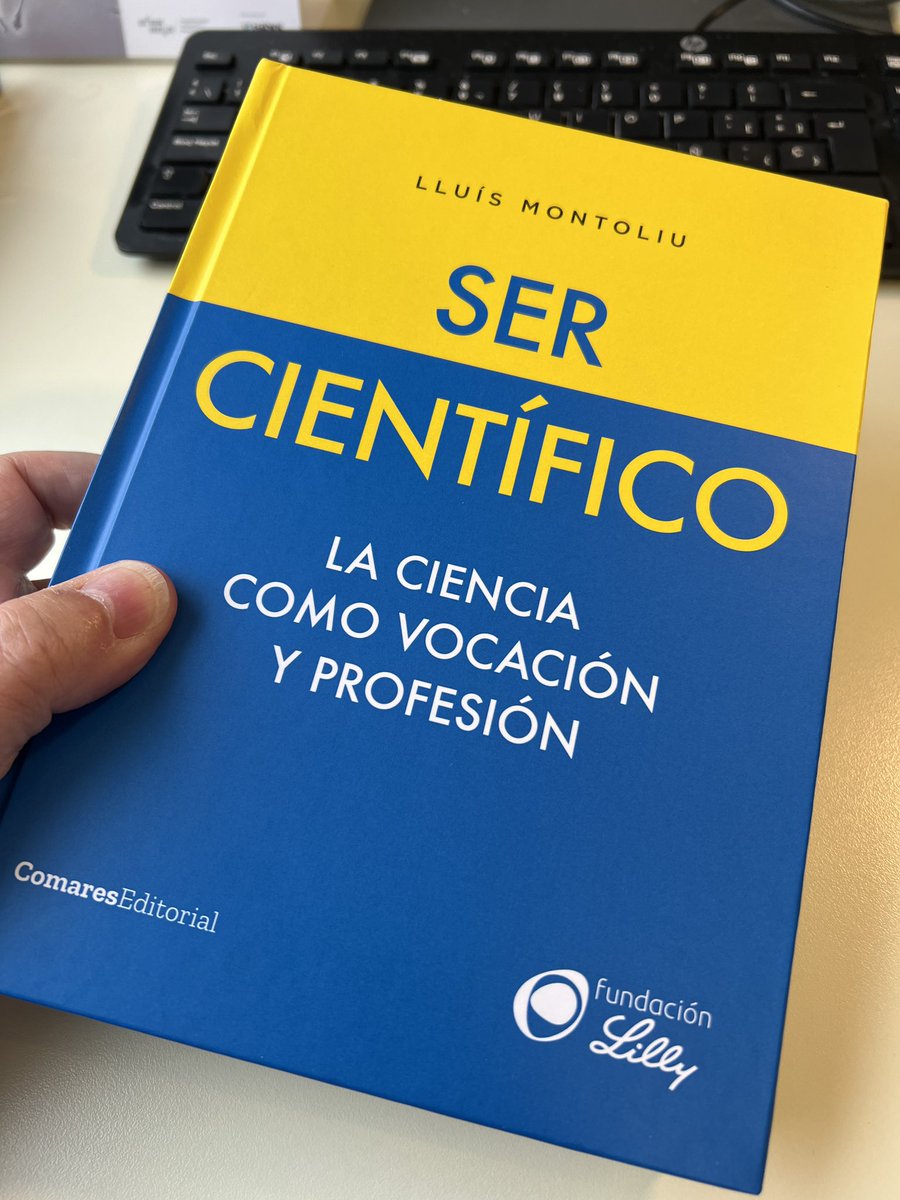
Los estudiantes de #IES empiezan a agobiarse por la #PAU y por la nota para acceder a determinados grados. Os invito a leer #SerCientífico@comareseditor@FundacionLilly para descubrir que hay muchos caminos para convertirse en científico/a. Apostad por grados genéricos: biología
LA ÓPERA DE LOS TRES CENTAVOS 🪙🪙🪙(Die Dreigroschenoper) – Bertolt Brecht
👉https://t.co/6jlKhXARC6
Se estrenó en Berlín en 1928 y es una de las piezas más representativas del teatro épico, con una fuerte crítica social envuelta en ironía y sátira. Ambientada en el bajo mundo londinense del siglo XIX, la obra sigue la historia de Mackie Messer (Mack el Navaja), un carismático criminal que se mueve entre ladrones, prostitutas y policías corruptos.
Libreto de Bertolt Brecht
Música de Kurt Weill
Dirección de Mario Vega (ANA, TAMBIEN A NOSOTRO NOS LLEVARÁ EL OLVIDO, PROTOCOLO DEL QUEBRANTO)
Reparto Coque Malla, Esther Izquierdo, Omar Calicchio, Paula Iwasaki, Andrea Guash Ruth Sanchez, Miquel Mars, Carmen Barrantes
Con cinco músicos en directo
Arreglos Musicales Miguel Malla
Diseño de vestuario: Elda Noriega
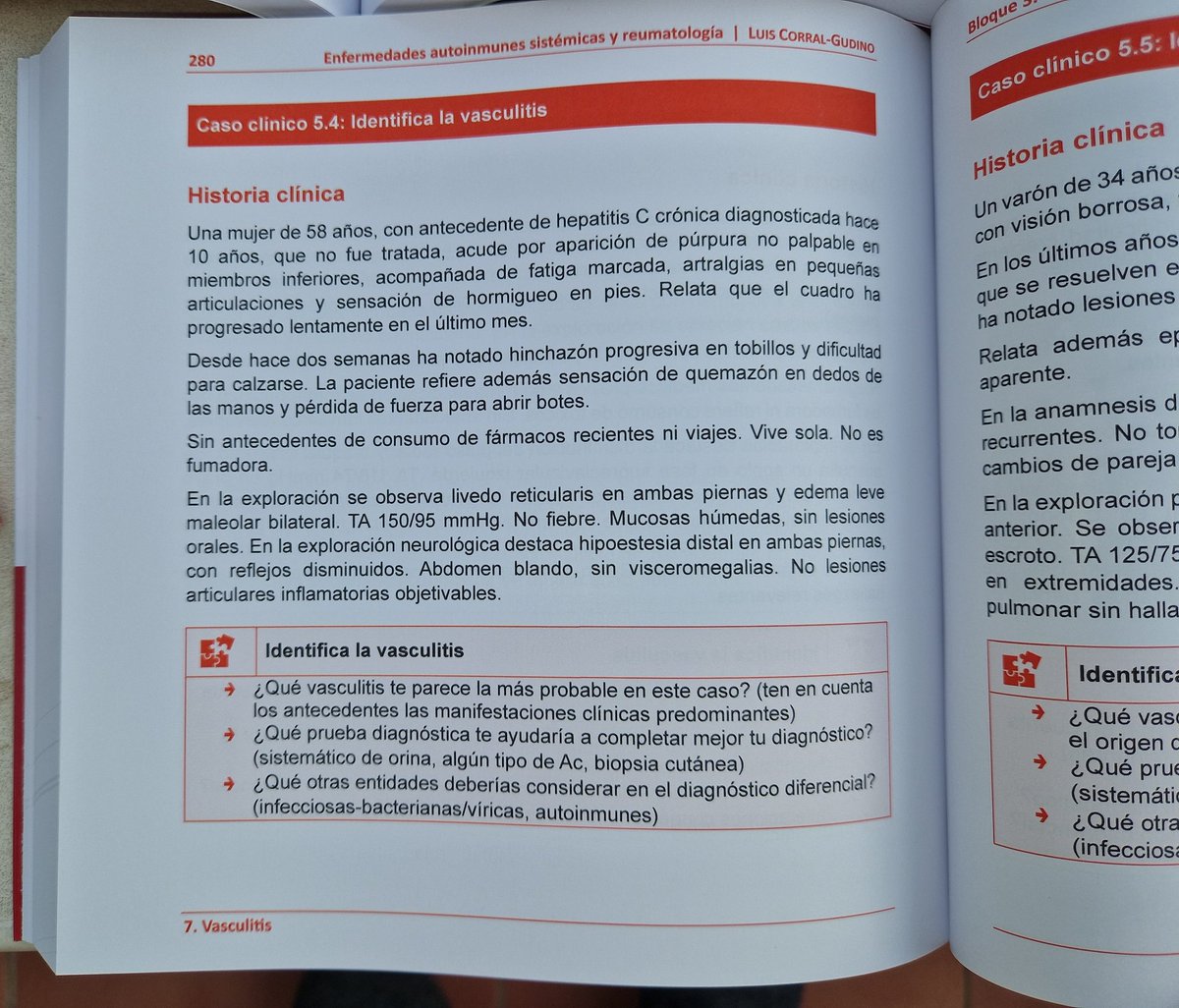
Pensado para ser el primer libro que te inicie en este apasionante campo de la medicina, pero con suficiente profundidad para servir de repaso a quienes vean de vez en cuando estas enfermedades. https://t.co/dgu5axlB45
He intentado que sea ameno, visual y sencillo. Y tiene su IA.
En el año del 150 aniversario de su nacimiento, @Nordica_Libros publica Resumen de mi vida, el ensayo autobiográfic que Thomas Mann escribió en 1930, poco después de concedérsele el Nobel en 1929. Se trata, si no me equivoco, del mismo texto que @edhasaeditorial publicó, en un magnífico volumen de casi 600 páginas con otros textos y ensayos de corte autobiográfico, con el título de Relato de mi vida en 2016 y que es un poco difícil conseguir (por lo menos por estas tierras). Este es una nueva traducción de Isabel Hernández, así que hablamos de casi un nuevo libro que, tratándose de Thomas Mann, resulta imprescindible tener y leer. Les cuento más cuando llegue a mis manos porque sí, ya lo pedí.
Recuerde que comprando sus libros en @Buscalibre colabora con nuestro trabajo. Gracias.
👉 https://t.co/1AtQmUixsl
Mañana son los idus de marzo
El 15 de marzo del 44 aC se cometió el magnicidio contra Julio César
Cuenta Plutarco los augurios, uno de ellos el sueño de César en una noche como la de hoy
Esta semana, ¡con buena música! en #LocosPorlosClásicos en @rne
👉https://t.co/wYNfdGRKYO
Historias de la IA: robots que cumplen las leyes
Si en la entrada anterior de Matemáticas y sus fronteras nos hacíamos eco de algunas historias inquietantes de robots, nos fijaremos hoy en cómo podríamos construir robots que fueran útiles y no…
https://t.co/I7QYr8Y4j3
Tengo un montón de animales distintos. Gatos, perros, ocas, cabras, gallinas... Y cada uno tiene una función distinta en la parcela. En este vídeo te cuento de qué se encarga exactamente cada uno ⤵️
https://t.co/HDvduwOBk7
La tarde del día de Nochevieja mi abuela se la pasaba cocinando. A la abundancia que ofrecía diariamente en la mesa, y que tanto la definía, en aquella última noche del año le agregaba todos los extras que se pudieran imaginar. La preparación de la cena no empezaba, por supuesto, aquella tarde, sino que se había ido configurando a lo largo de la semana y quién sabe si del mes. Yo eso lo he sabido apreciar más tarde, sobre todo desde el momento en que la decadencia física de mi abuela le dificultaba aquello que unos años antes parecía un trabajo sin esfuerzo, una habilidad congénita y espontánea.
Mi contribución solía limitarse a una o dos visitas al supermercado para detalles de última hora. El resto era esperar y, sobre todo, controlar las ganas de ir picoteando aquí y allá de entre todos los manjares que se iban desarrollando en la cocina. Pero mi abuela jamás me afeó el descontrol. Para ella cualquier vulneración del horario prescrito para la cena nunca fue otra cosa que la materialización de una alabanza, la apoteosis del agradecimiento. Además, siempre encontraba el modo de que, llegado el momento de comenzar a cenar, apenas se notara el desfalco. Tal era el cuidado y la exuberancia.
Hubo años, puede que incluso la mayoría, en los que estábamos a solas ella y yo. El salón grande donde celebrábamos en familia la Nochebuena se cambiaba por el pequeño, más acogedor y fácil de calentar. Pero ese era el único cambio. Mi abuela sacaba igualmente el mantel bueno, las servilletas, las copas y la cubertería de las grandes ocasiones, y la cena, aunque pensada solo para dos, nunca desmereció a la que había ofrecido a la multitud unos días antes, en la víspera del día de Navidad.
Fueron noches dichosas, quizá las más dichosas de todas. De tanto en tanto alguna pequeña sombra atravesaba la luz cálida de aquella dicha doméstica, algún recuerdo nostálgico, alguna alusión agridulce. Yo siempre trataba de cambiar rápidamente de tema y buscaba hacerla reír. He de decir que siempre lo conseguí pero, ahora que ya no tengo a mi abuela, ahora que es ella la protagonista de este recuerdo nostálgico, de esta alusión agridulce, sé que en ningún caso fue mérito mío devolverle la sonrisa. Era ella la que la recuperaba para no sustraerle a mi vida ni un solo momento de felicidad.
He visto 'El maestro que prometió el mar’ de @patriciafont_ por recomendación de @elmaestrojota y yo también me pregunto ¿qué hacéis que no la habéis visto ya? 🥹
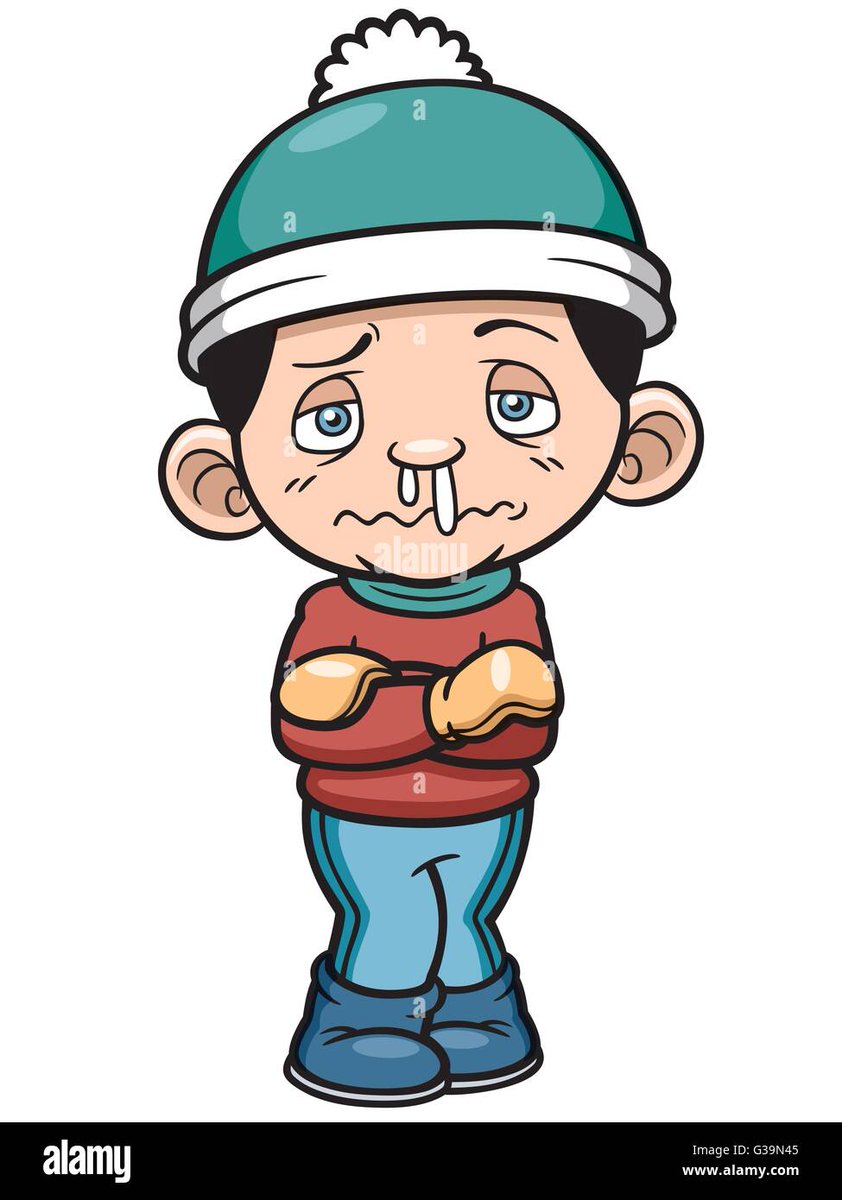
Con la llegada del frío llegan los virus respiratorios, pero ¿como afecta la temperatura a nuestras defensas? ¿Por qué enfermamos más cuando baja la temperatura? Abro hilo 🧵👇👇👇👇
Una joven y privilegiada cabeza pensante ha creado este agente experto en ChatGPT, que se conoce la web de la Agencia Tributaria de arriba a abajo, para que les atienda de mil amores en el momento, a cualquier hora del día, y lo comparte https://t.co/s739lTB6vD
Twitter ha activado por defecto la opción de usar tu contenido para entrenar la IA de Elon Musk. Es decir, que trabajes (aún más) gratis para el hombre más rico del mundo. Desactívala aquí: https://t.co/oU3LlYeMNs