🦋 New preprint out! 🧭
Do migratory moths in Europe use information from Earth’s magnetic field to determine their position — in other words, do they have a magnetic map?
Find out more in our new preprint!
https://t.co/7kp1Dvp5U1
4/These findings show that compass systems in migratory Lepidoptera are not universal—different species with different migration strategies rely on different orientation mechanisms. Our study highlights the need to go beyond model species.
🦋 A new preprint out! 🧭
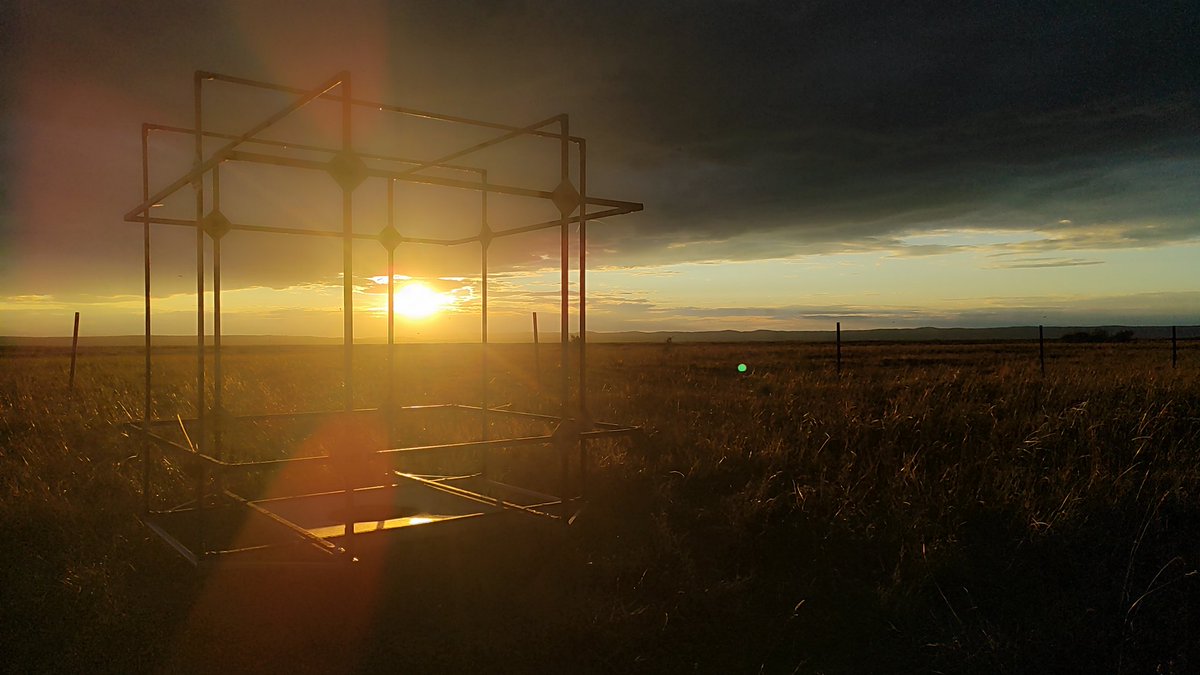
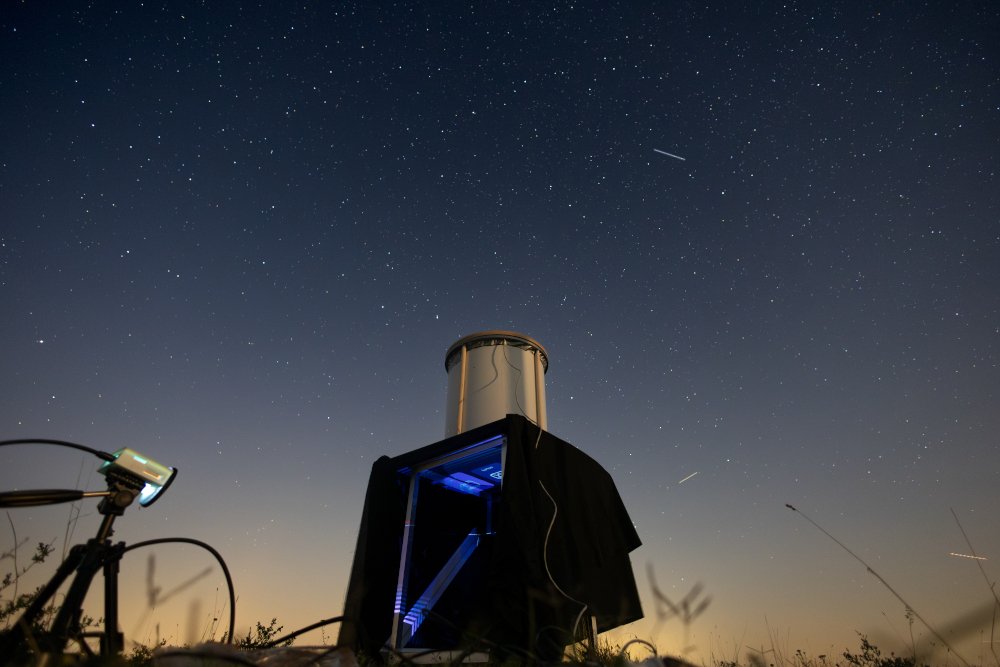
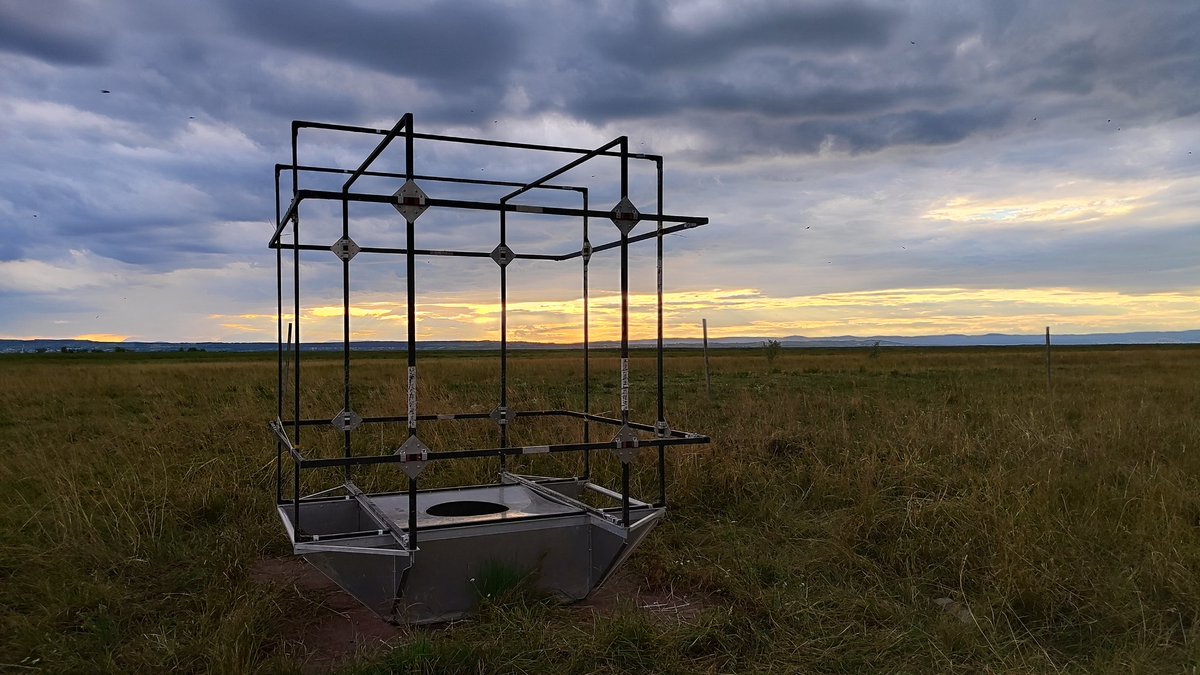
We investigated orientation mechanisms in the red admiral (Vanessa atalanta), a common migratory butterfly in Europe.
👉 doi: https://t.co/vIMEZ4Oql2
#LepidopteraOrientation#LepiMigration
Check thread below to see what we found ⬇⬇⬇
3/ Using a flight simulator, we tested red admirals under various light and magnetic field conditions.
Our findings:
✔️ Reliance on solar cues
❌ No evidence for magnetic sense
🕒 No time compensation in sun compass
A new review on orientation and navigation of juvenile songbird migrants by our colleagues @RybAnimNavGroup has been published today! Congratulations🥳
https://t.co/GiMjN5wozH
A new exciting read from our lab:
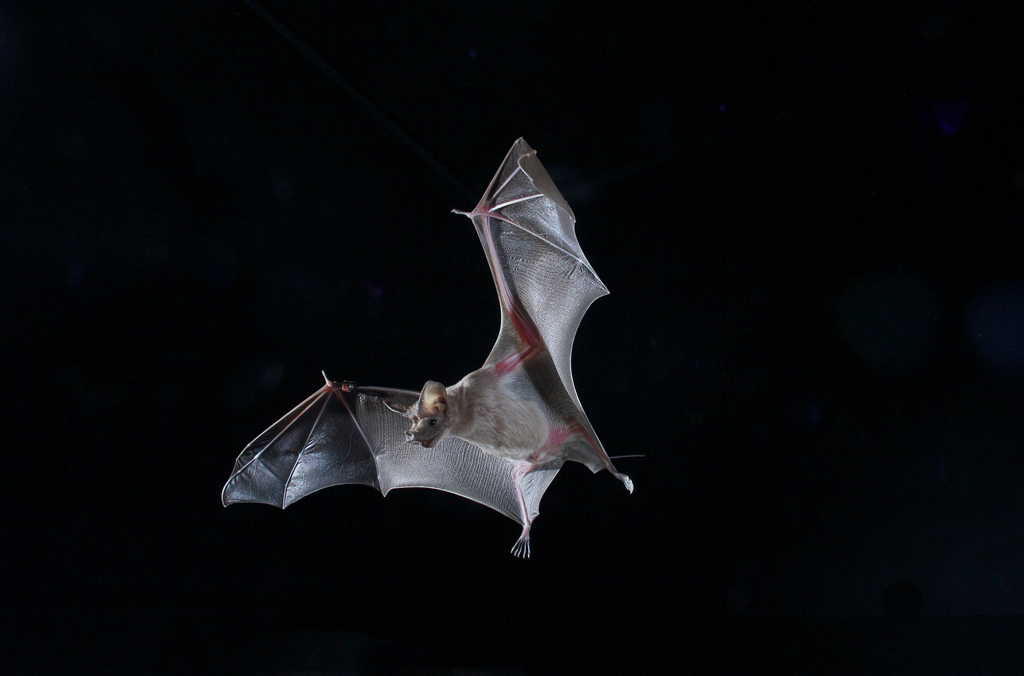
How bats exit caves in thousands without colliding with each other
Great work by @AyaGoldshtein
https://t.co/kgXo5w9ncj
Photo by Jens Rydell
It was a pleasure to take part in such a fantastic conference, present results of the second part of our #RedAdmiralProject 🦋🧭, and celebrate the 100-year anniversary of @Co_Biologists. The conference was wonderfully organised, with fascinating and inspiring talks throughout!