Bringing out the special plates for Christmas Dinner? 🍗
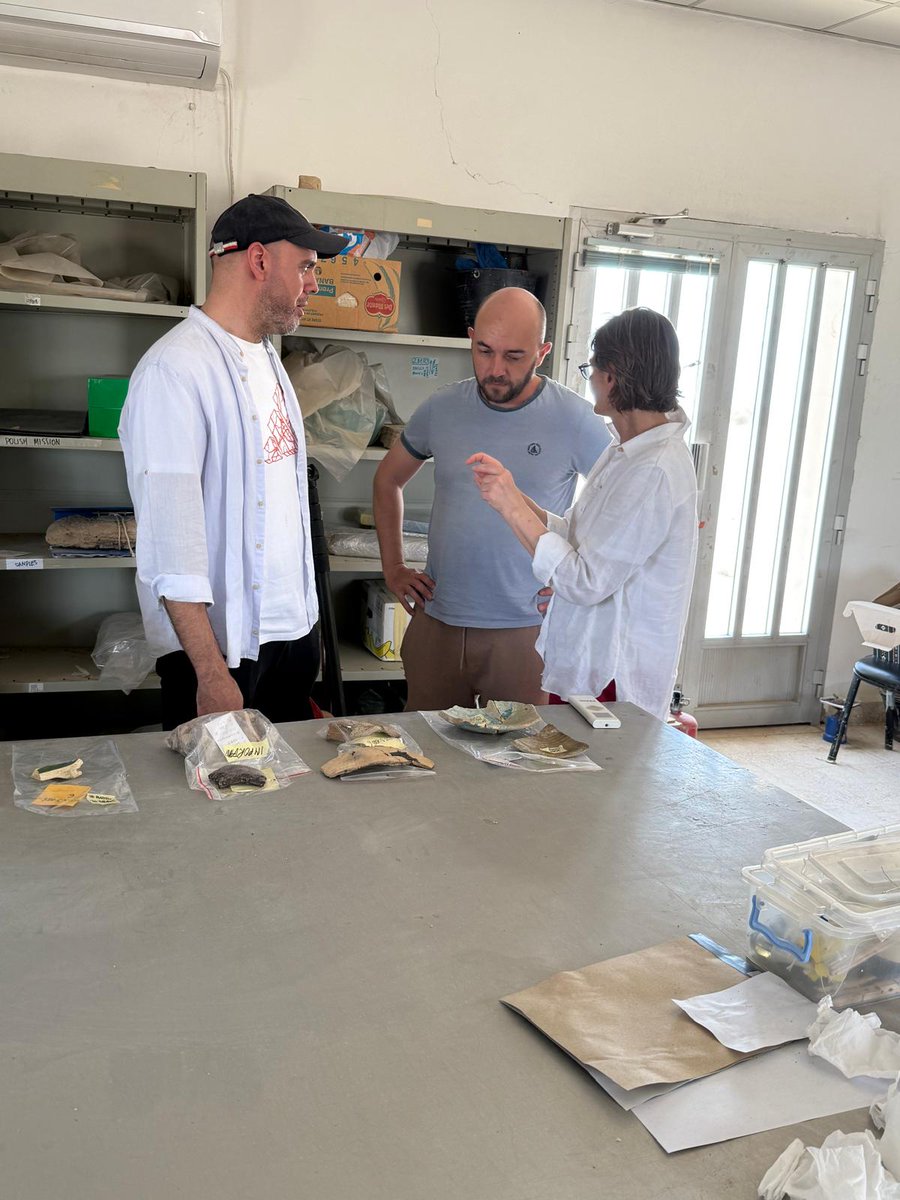
Prehistoric people had crockery for special occasions too! In Neolithic Arabia, imported Mesopotamian Ubaid Ware was a luxury item, whilst locally-produced Coarse Red Ware was more commonplace.
🆓 https://t.co/0ADd1QVsNE
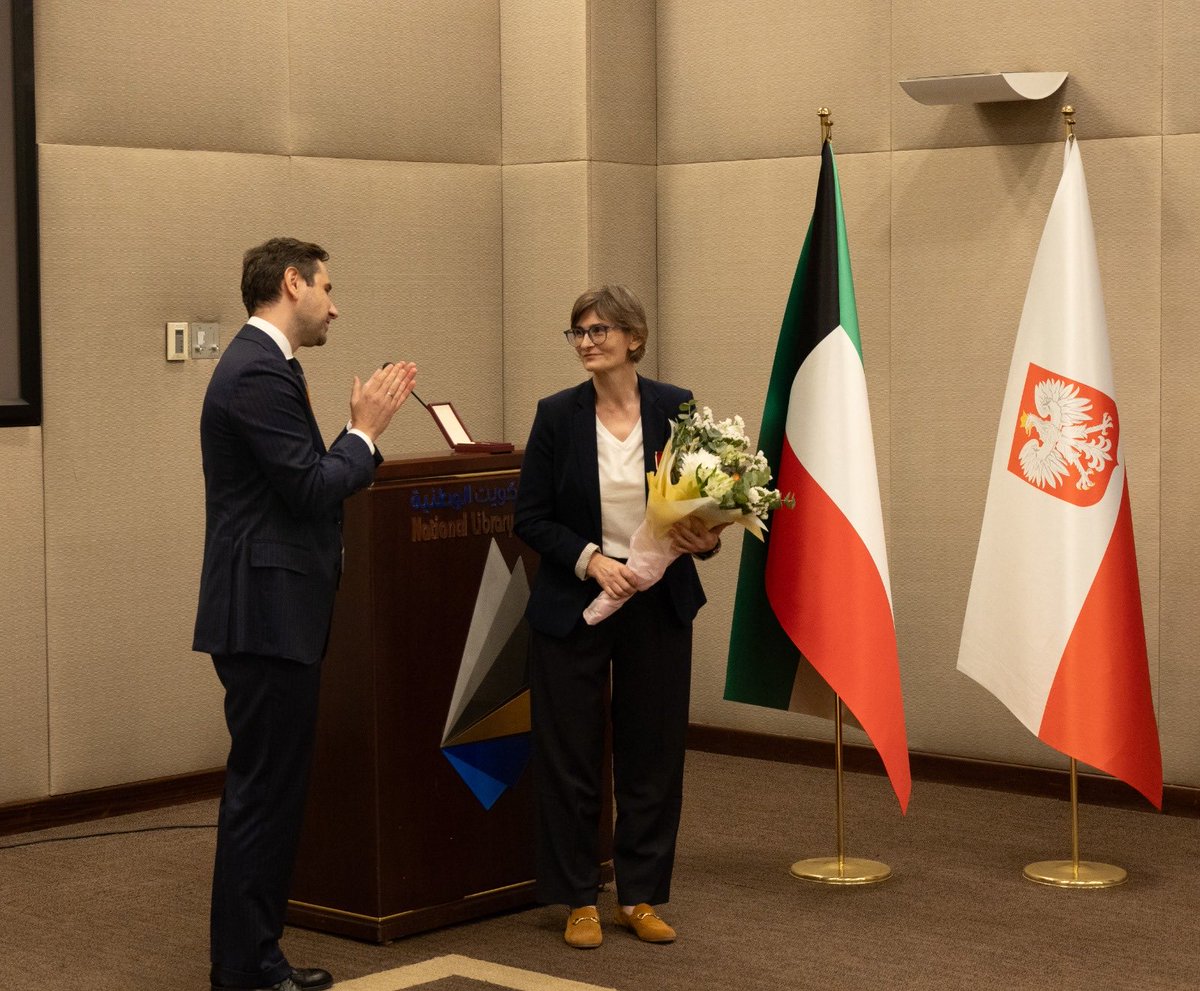
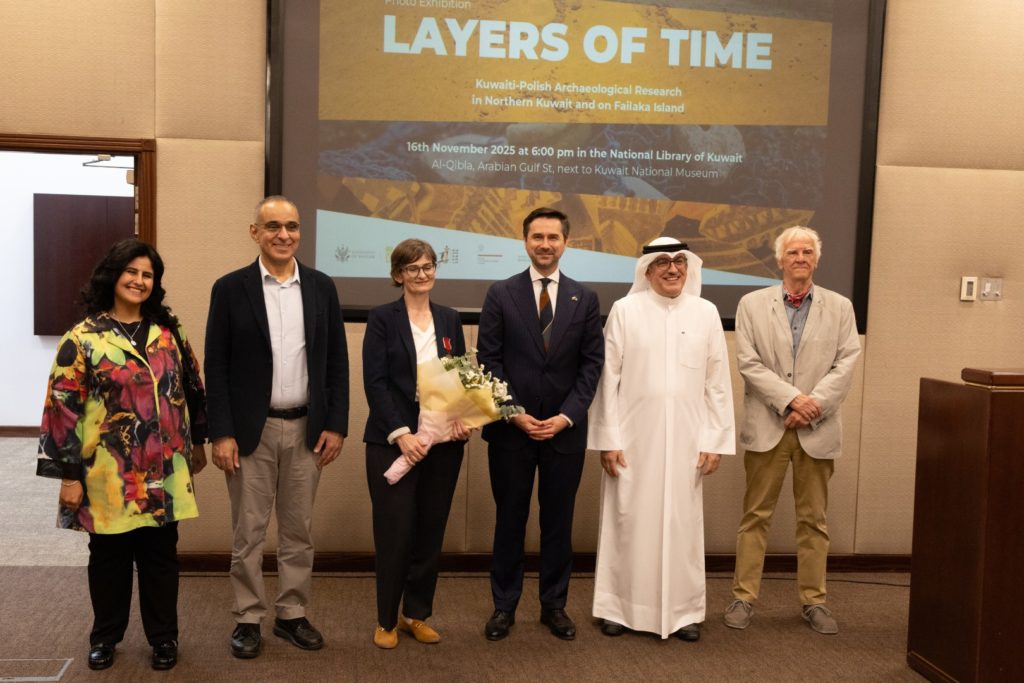
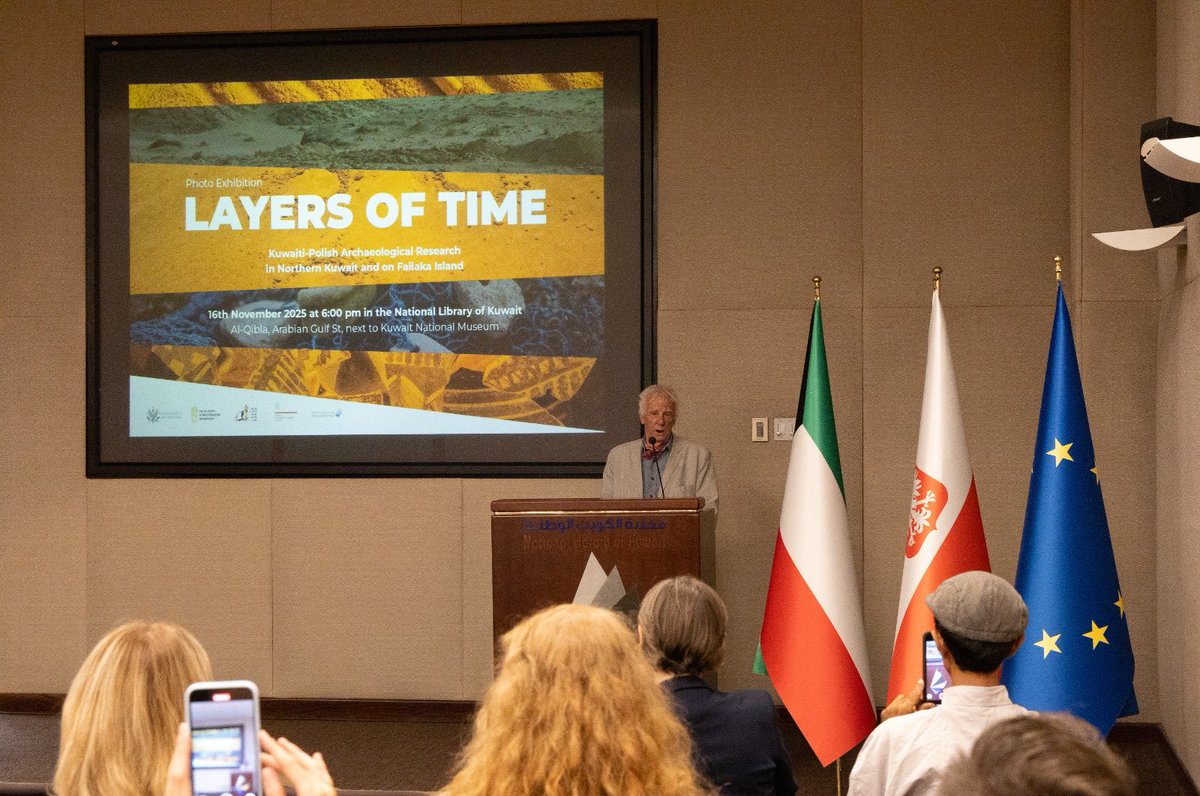
At the opening of “Layers of Time. Kuwaiti-Polish Archaeological Research in Northern Kuwait and on Failaka Island,” our PCMA UW colleague 🔸Dr Agnieszka Pieńkowska was honored with the Bene Merito distinction by H.E. Michał Cholewa, Ambassador of Poland to Kuwait.
Congrats!🎉
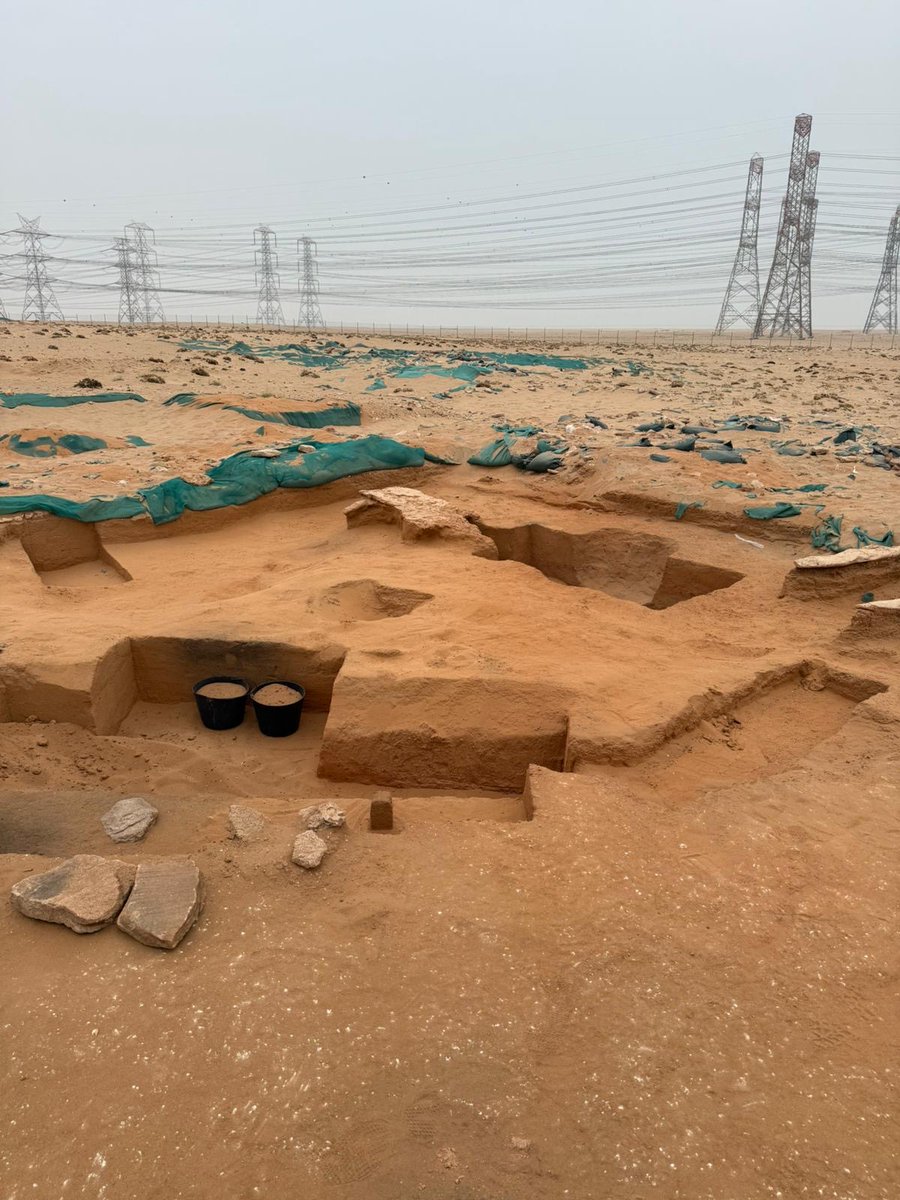
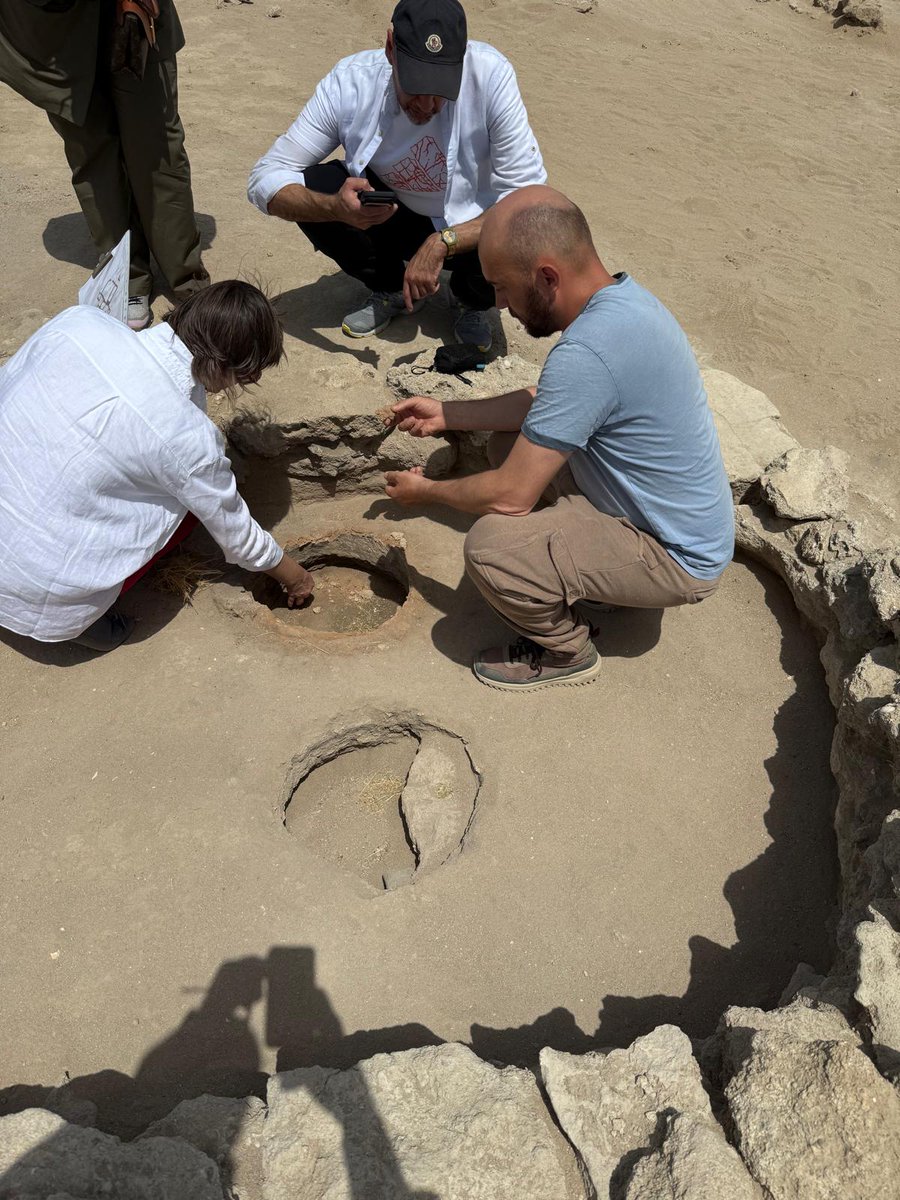
The Kuwaiti-Polish archaeological mission has unearthed what appears to be either a courtyard or a workshop for making jewelry and ornaments from shells in the Subiya dessert in northern Kuwait.
https://t.co/Fx9iikU4lB
Kuwait’s National Council for Culture, Arts and Letters has revealed major archaeological discoveries at the Bahra 1 site in Subiya, where more than 20 kilns and a range of artifacts dating back around 7,700 years were uncovered. The findings include pottery fragments, cooking vessels, a half-figurine of a winged owl, barley remains from 7,500 years ago, and several small clay figurines, including a human head and a model boat.
Officials say Bahra 1 is the oldest and largest known Ubaid-period settlement in the Arabian Peninsula, dating to approximately 5,700 BC. According to NCCAL, the discoveries shed new light on daily life in the region, including food preparation, pottery production and ornament-making. The Polish team working at the site focused this season on field analysis and ground-penetrating radar surveys, which indicate additional buried cultural layers that may guide future excavations.
Researchers involved in the project noted that the discoveries offer significant insights into early Subiya society, with experts highlighting the pottery workshop and manufacturing evidence as major advances in understanding the settlement’s development and craftsmanship.
The National Council for Culture, Arts & Letters (#NCCAL) announces discovery of ancient kilns & artifacts dating back around 7,700 years at #Kuwait's Bahra 1 site
https://t.co/WY1N4IMLz2
#KUNA@kw_nccal
Yesterday, we celebrated the achievements of the Kuwaiti-Polish Archeological Mission.
It was a privilege to award the Bene Merito honorary distinction 🇵🇱 to Dr. @AgPienkowska—an accomplished @PCMA_UW archeologist who has been ‘breaking the soil’ of Kuwait 🇰🇼 for many years.
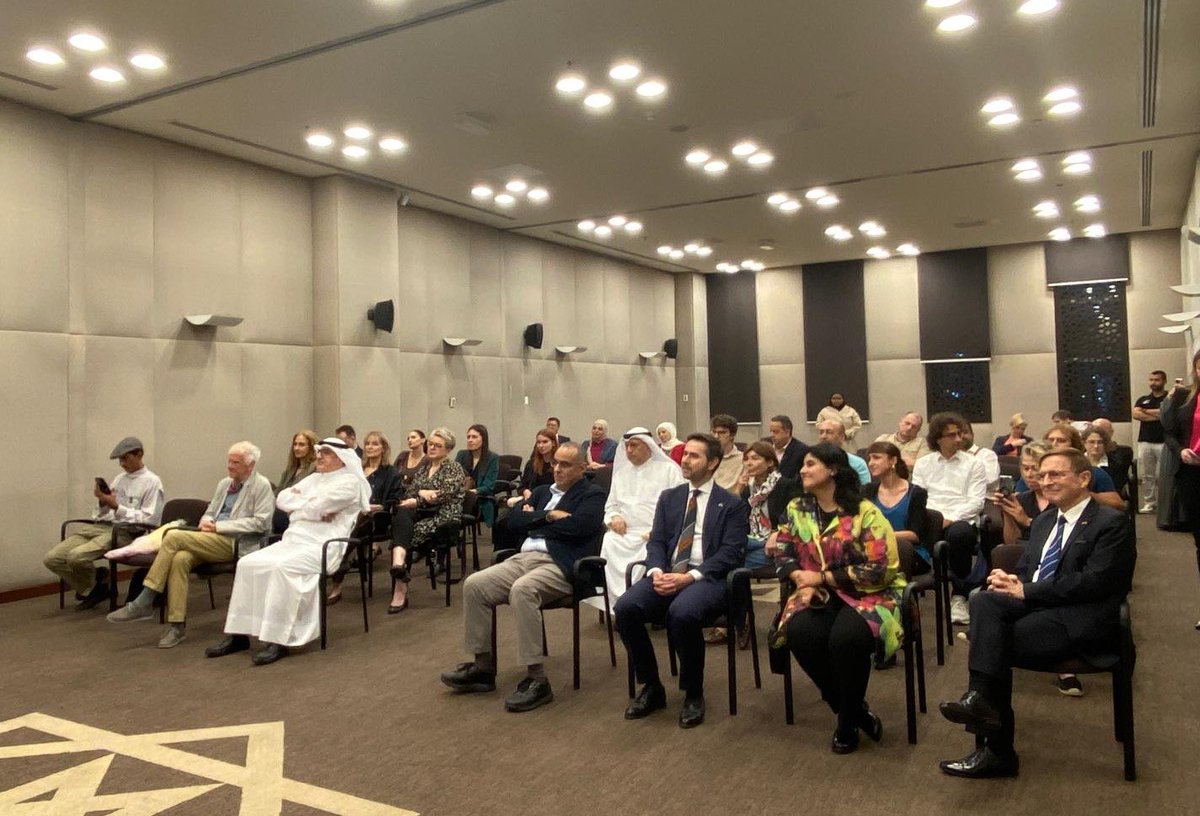
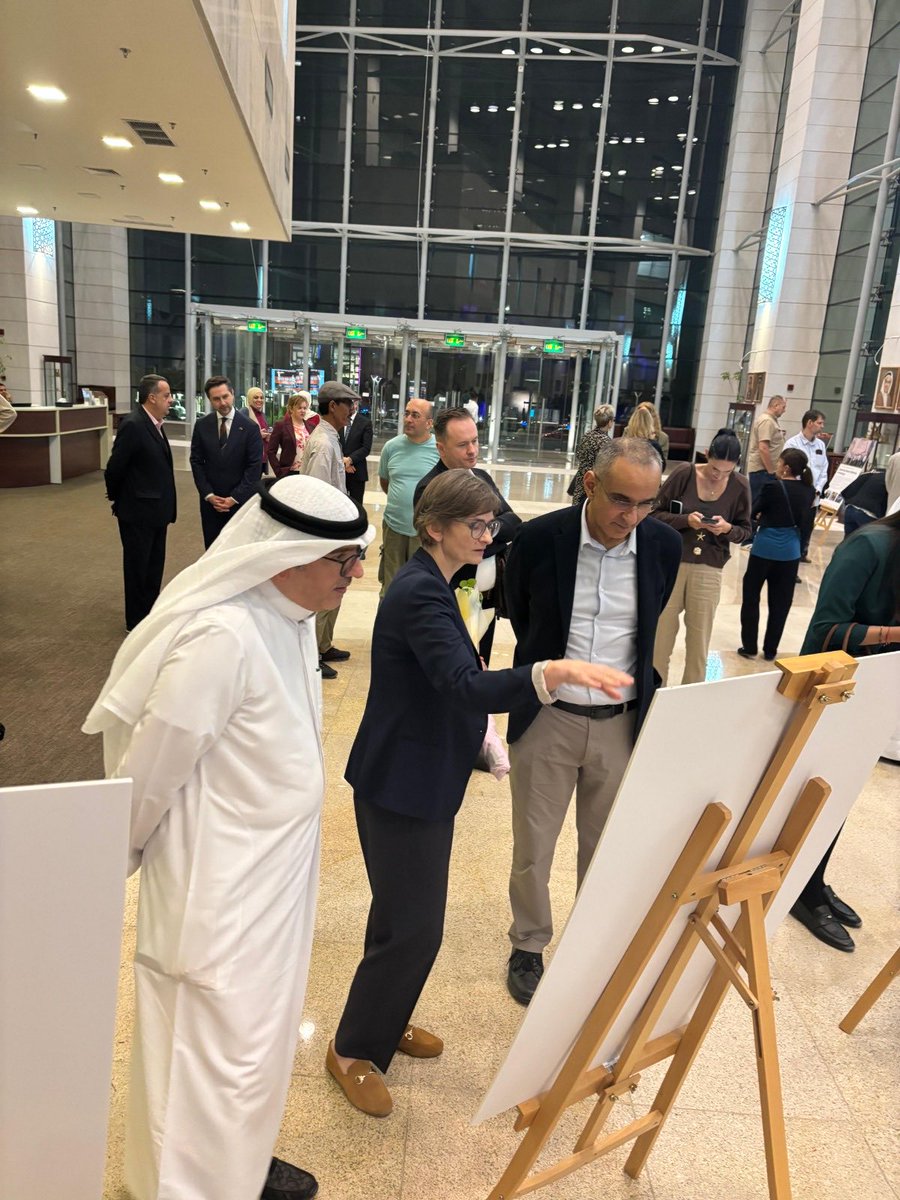
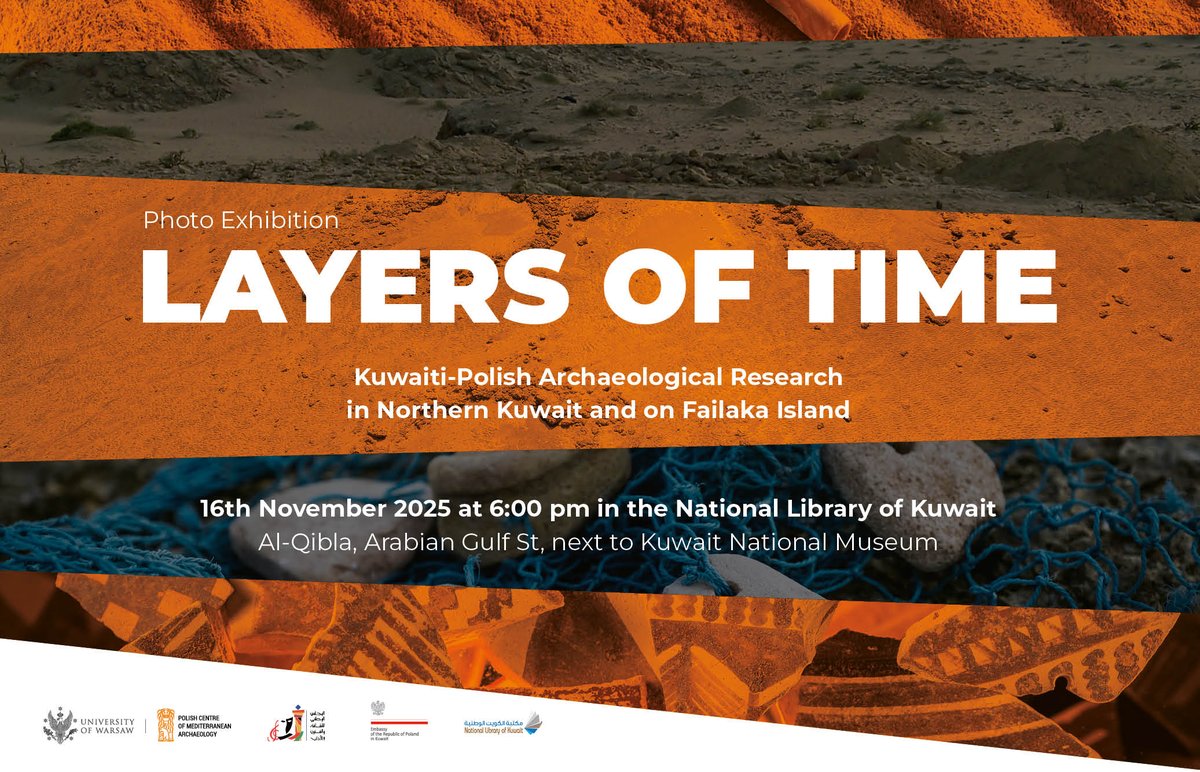
📸 16 Nov — the National Library of Kuwait hosts the opening of “Layers of Time”, a photo exhibition on the work of the Kuwaiti-Polish Archaeological Mission.
The project is a collaboration between @kw_nccal & @pcma_uw.
🇵🇱🇰🇼 Organized by @PLinKuwait.
👉https://t.co/9k2ESzu1BK
#Kudos for🔸Agnieszka Szulc-Kajak @szamsu 🔸 & her new project on fishing in #Phoenicia.
Stage 1. is funded by @honor_frost grant & focuses on provenance studies of metals in fishing gear from #Jiyeh (ancient Porphyreon) in #Lebanon
💦 https://t.co/DamPIo2wLi
#marinearchaeology
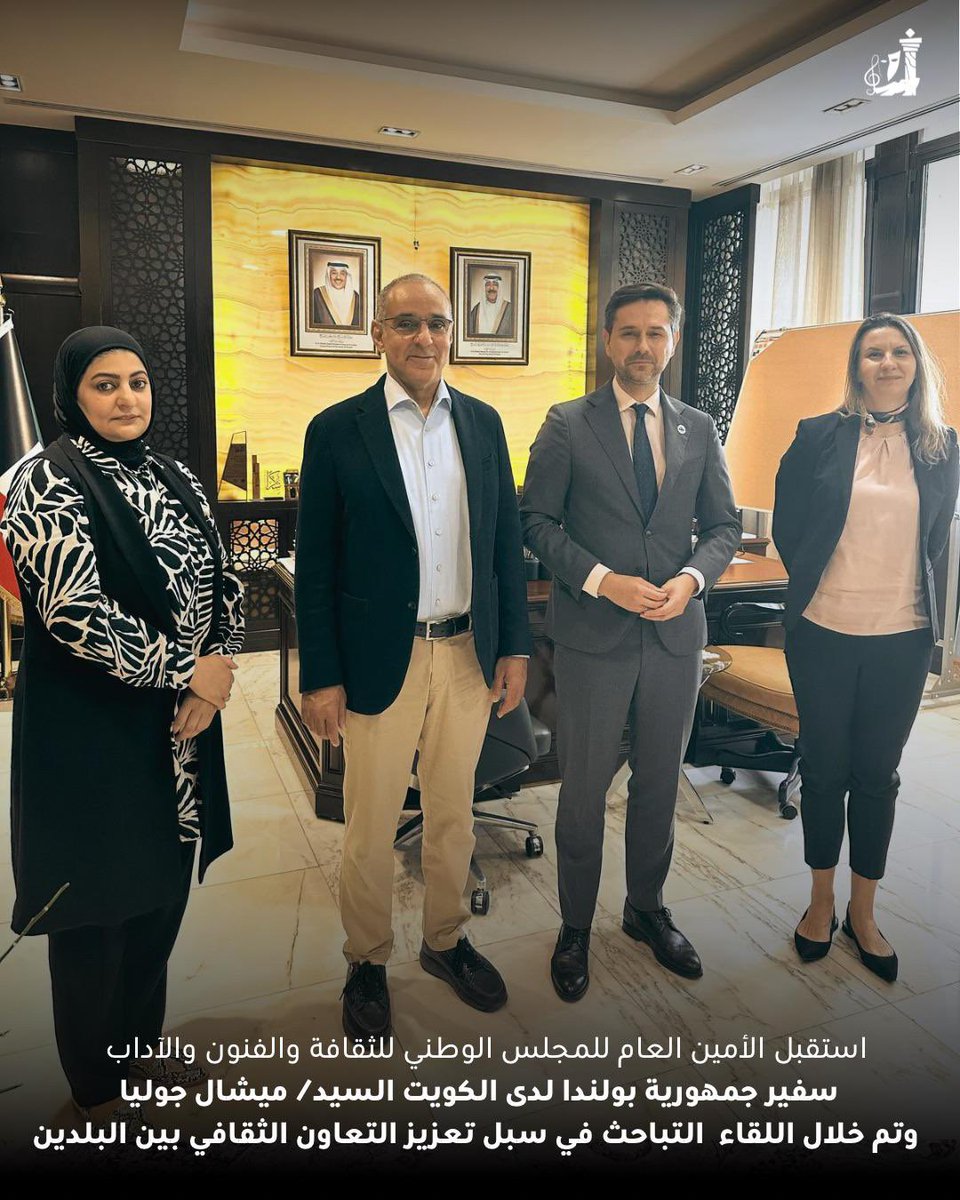
Thank you, Mr. Secretary General, for the engaging conversation.
We discussed a range of topics in the field of Polish-Kuwaiti cultural cooperation, focusing mostly on archeology and classical music.
استقبل الأمين العام للمجلس الوطني للثقافة والفنون والآداب الدكتور/ محمد خالد الجسار سفير جمهورية بولندا لدى الكويت السيد/ ميشال جوليا وتم خلال اللقاء التباحث في سبل تعزيز التعاون الثقافي بين البلدين
A sincerely thanks to @has_ashkanani for visiting us at the Kharaib Dasht site on Failaka Island engaging in such an inspiring discussion. Your expert knowledge on invaluable in helping us advance our work.
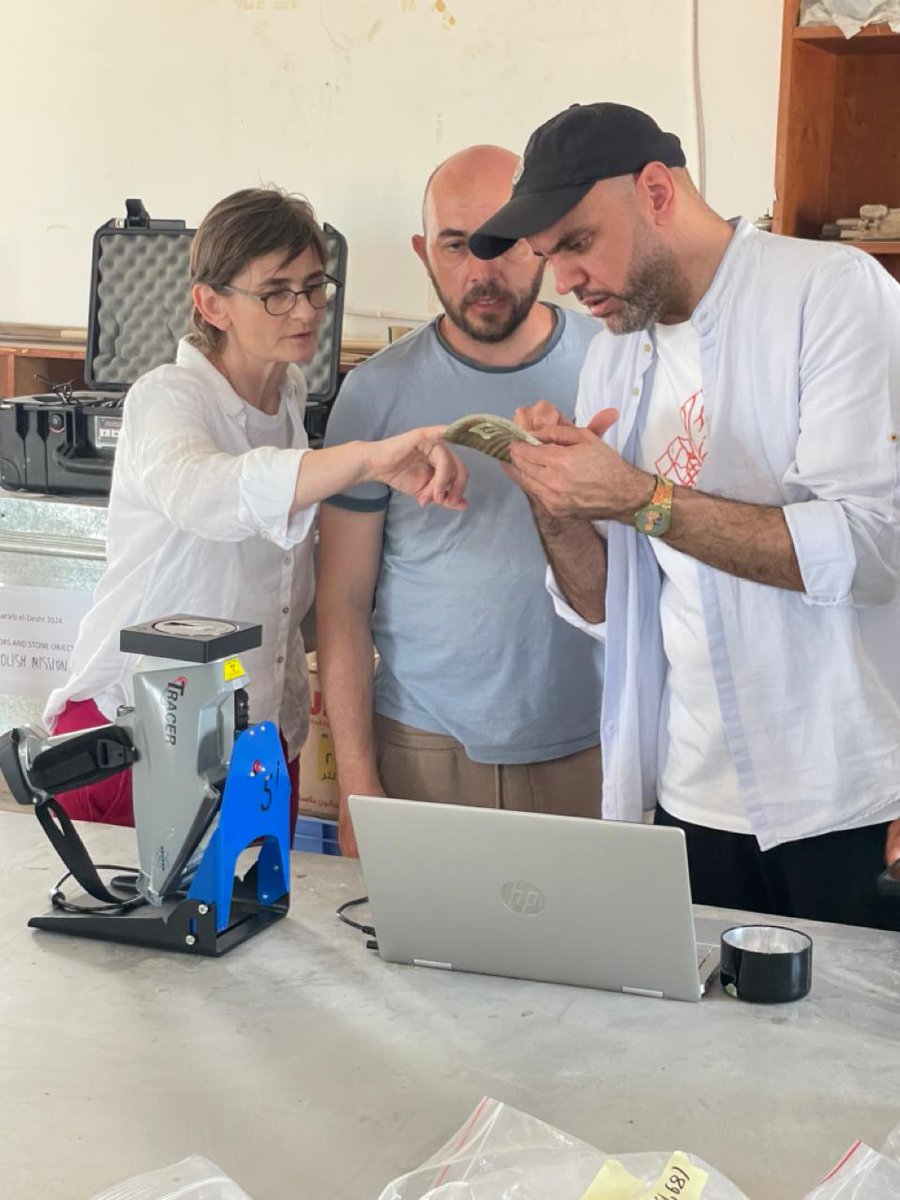
#FieldworkFriday Kuwaiti-Polish Archaeological Mission (PCMA UW & NCCAL) led by🔸Dr. Agnieszka Pieńkowska @AgPienkowska is about to finish this season's work at Late Islamic site of Khara'ib al-Dasht on Failaka Island where archaeobotanical research has been initiated this season