Acus I care about your skin zagulen ntengo pangono…..
please repost🙏🏽
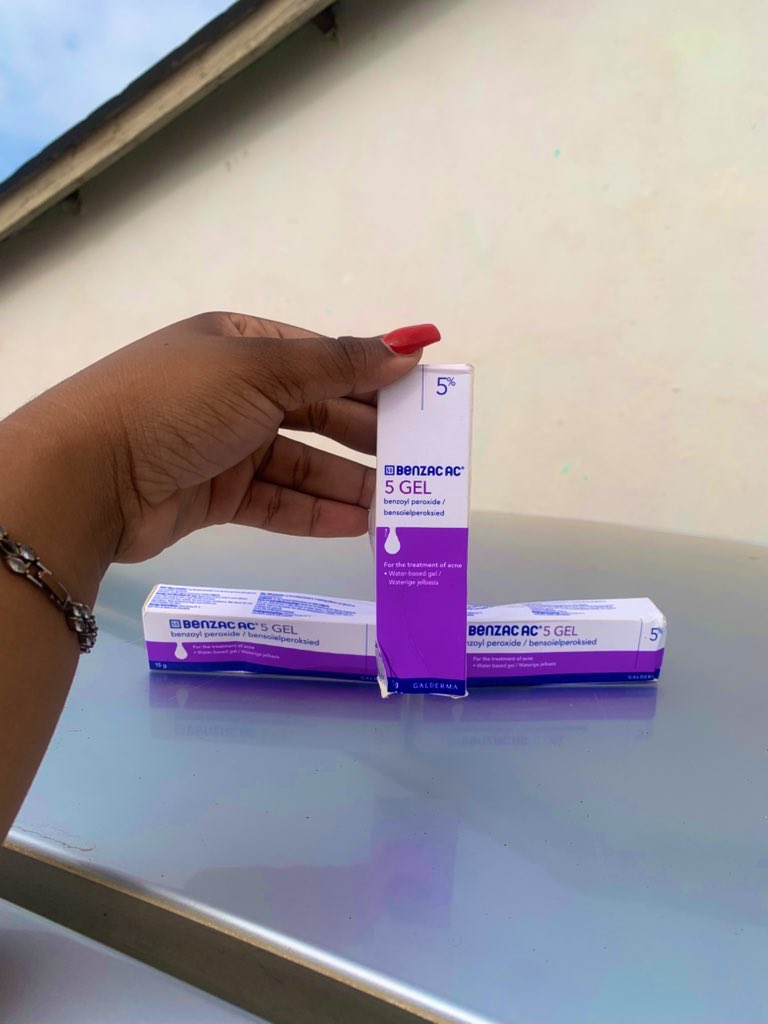
F1…. Pimple warrior 43000
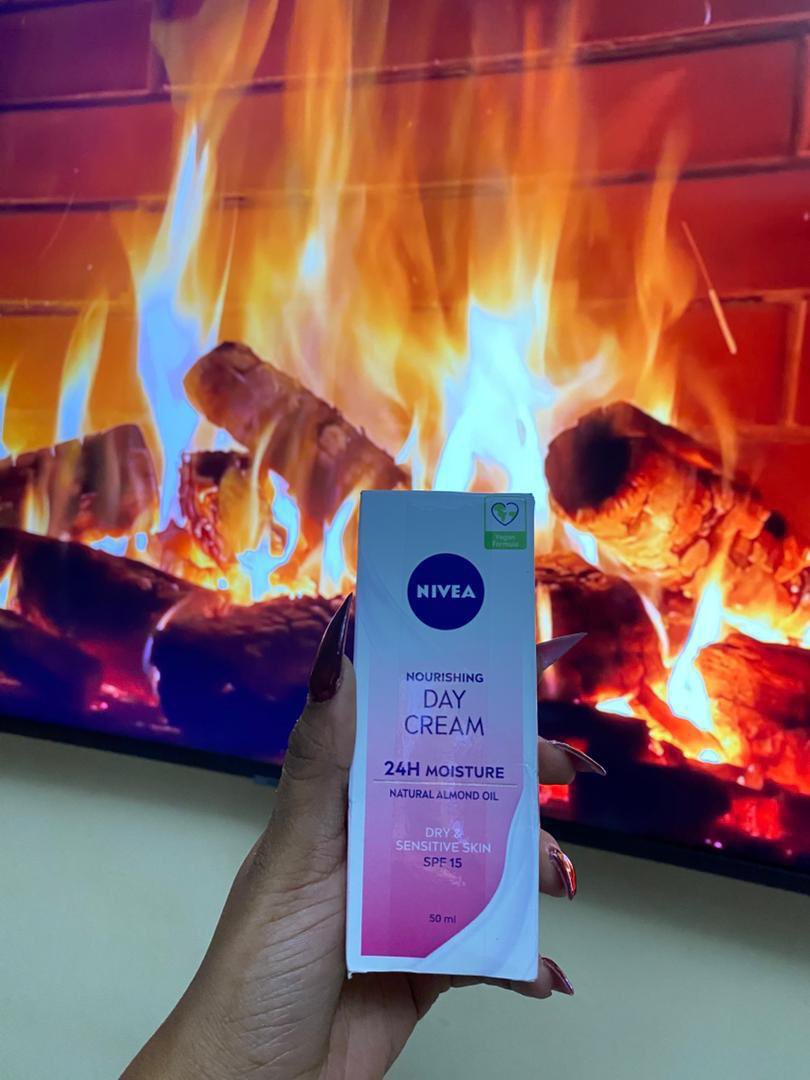
F2….the best moisturizer especially for make up base 45000
F3….6000 yekha uyu nde star
F4…. I don’t remember last time I had flu and unnecessarily sick. 33000
YOKHA
on a serious note, i’m manifesting a year of academic success in 2026. locked in, consistent, actually understanding the material and proving to myself that I can do this fr
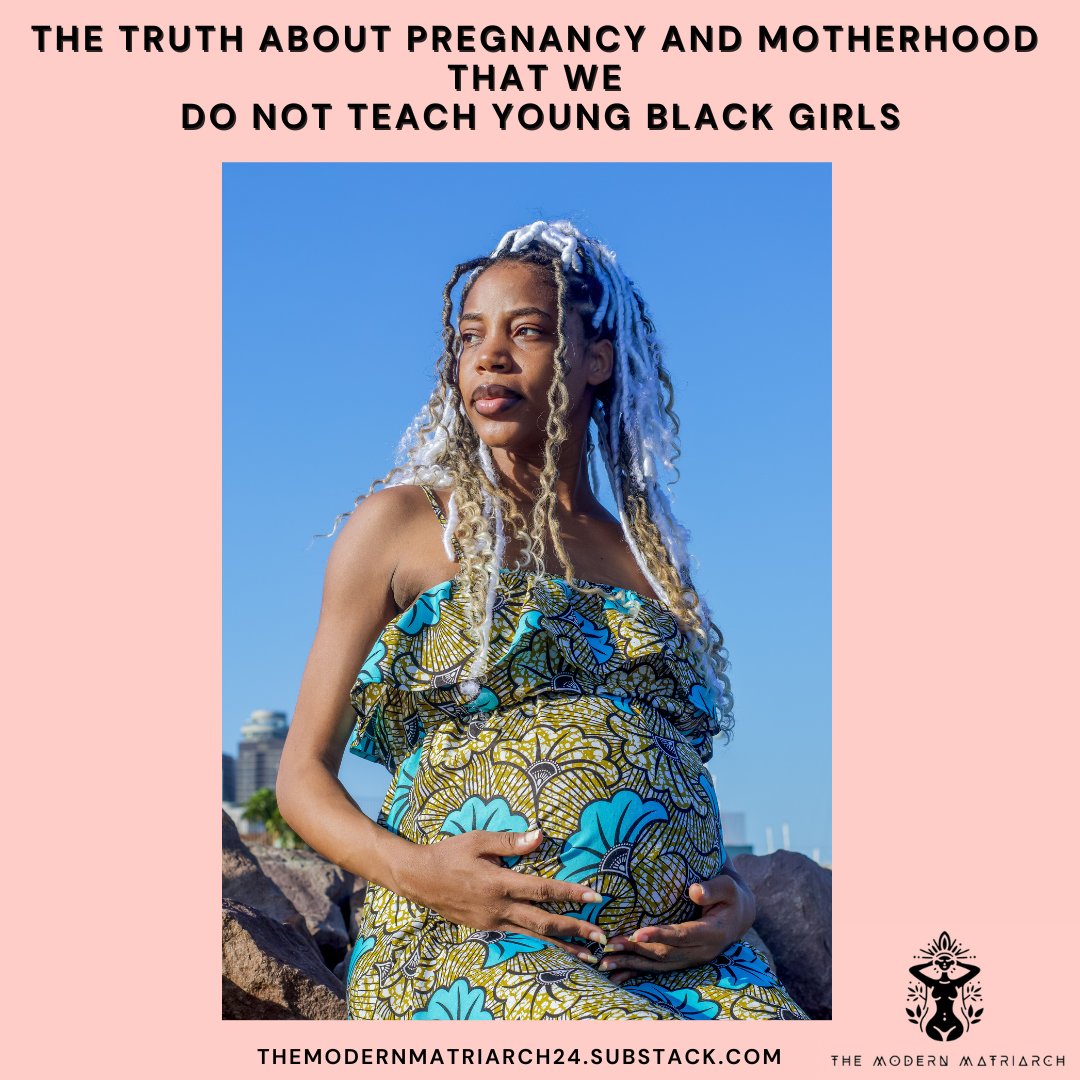
The Truth About Pregnancy And Motherhood That We Do Not Teach Young Black Girls
Motherhood is often idealized as a natural, joyful experience. Young girls are taught to romanticize pregnancy and view it as a defining milestone of womanhood. It is often romanticized in popular culture—a dreamy world of glowing pregnancies, Instagram posts of extravagant baby showers and push presents, perfectly dressed toddlers, and fulfilled women basking in the glow of family life. But this narrative is far from the reality many women face, especially black women.
Many women are blindsided when they face the harsh truths of maternal life. Some are naively convinced that having a child will solidify their partner's commitment, only to face disillusionment when the relationship doesn't withstand the realities of parenting. This is further compounded by the lack of conversation around healthy relationships, personal agency, and informed decision-making in black families that many young women experience, often feeling pressured into certain roles without the necessary guidance.
Conversations around the truth of pregnancy and motherhood are riddled with silence, leaving young girls unprepared for the physical, emotional, financial, and social toll of pregnancy and motherhood.
This article aims to shed light on the truths about motherhood that society fails to teach young black girls. It’s time we have an honest discussion about these truths and empower young black women to make informed decisions.
Key themes include:
1. Historical Context of Black Motherhood: Black women have been denied autonomy over their families and reproductive choices since slavery and colonization, when our reproduction was an integral part of the economy. These historical narratives have evolved but remain visible in modern discourse.
2. Lack of Support and Respect for Mothers: Motherhood is one of the most undervalued roles in society, despite being foundational to its survival. This lack of respect and society’s punitive attitude toward women for having sex and getting pregnant translates into inadequate support structures—be it paid parental leave or affordable childcare.
3. Trauma in Childbirth and Poor Healthcare: Black mothers face higher risks of complications due to systemic racism in healthcare, often experiencing dismissal and mistreatment.
4. Postpartum Depression: In order to help people understand postpartum depression, I often use the analogy of a demanding, unpaid, and relentless job where there are no breaks, no holidays, and no sick days. Postpartum depression, in this analogy, is the burnout that comes from trying to meet impossible expectations while having no support system or self-care relief in place. Just as an overworked employee in a high-stress environment might become irritable, exhausted, and disengaged, so too do new moms.
5. Relationship Challenges and Changes: The transition from partners to parents often reveals cracks in the foundation of relationships. Unfortunately, women often bear the brunt of this transition, especially within traditional or patriarchal frameworks where childcare and domestic responsibilities disproportionately fall on their shoulders. Society often fails to prepare couples for the strain pregnancy can place on their relationship, leaving gaps that some men fill through infidelity and other destructive forms of escapism like substance abuse as a misguided coping mechanism.
6. Financial Constraints and Career Setbacks: Raising a child requires substantial resources, including housing, healthcare, education, childcare, and daily necessities, all of which add up to a heavy financial burden. For black mothers, the intersecting realities of the racial wealth gap and the gender pay gap further complicate these challenges, often leaving them in a precarious economic position. Society often views caregiving as a private responsibility rather than a shared societal duty, leading to insufficient resources for mothers.
7. Deadbeat Fathers, Broken Homes, and the Gaslighting of Black Moms: In many black cultures and families, neglect of parental responsibilities by men is not actively condemned, which is what perpetuates the cycles of them abandoning their responsibilities. Toxic masculinity normalizes selfish behavior in men, allowing them to feel entitled to avoid parenthood while leaving their partners to bear the full burden of pregnancy and parenting. Society does not recognize and celebrate the labor, sacrifices, and resilience of custodial parents who stayed and did the work. What you will be met with instead is ridicule and insults about being a single mother.
8. The #CenteringBlackMothers Movement: Advocates for systemic change to address disparities in maternal healthcare, economic support, and societal perceptions, while fostering community and policy reform.
9. Consideration of the 4B Movement: For generations, black women have been expected to uphold families and communities at their own expense, often enduring emotional, physical, or financial abuse under the guise of loyalty. The high economic and emotional costs of raising children, along with the lack of institutional support for mothers, make this an intentional form of resistance.
In conclusion, the article calls for systemic reforms, honest education about motherhood, and collective efforts to support and empower black women. y addressing these truths and advocating for systemic change, we can create a future where young girls are empowered to make informed decisions about their lives and where black mothers receive the respect and support they deserve.
You can read the full article here: https://t.co/iMJ9TmrWJw
I would like to personally get involved in addressing the critical gaps in knowledge often overlooked in traditional education for the next generation of black girls by partnering with nonprofits, schools, and community groups working with young black girls on related issues. If you know or work with such an organization do not hesitate to reach out. Together we can equip young black girls with the knowledge and power to rewrite their narratives.
I'm at a point where I've noticed that part of the reason why men act the way they do, is because they know women will always compensate for where they lack. Sometimes, they need to get thrown in the deep end and learn how to swim/deal with the consequences