@sensitveyungbih Also 61.3% of Indian-American women are in the labor force. That is actually higher than the average participation rate for native-born American women which is around 56.7%
@sensitveyungbih gig 'inherently lazy'?. And for America The top sectors for women are education, healthcare, and finance(safe, formal, indoor service sectors). In India, formal white-collar service jobs are highly gatekept.Moreover 35% of employed Americans do some or all of their work fromhome
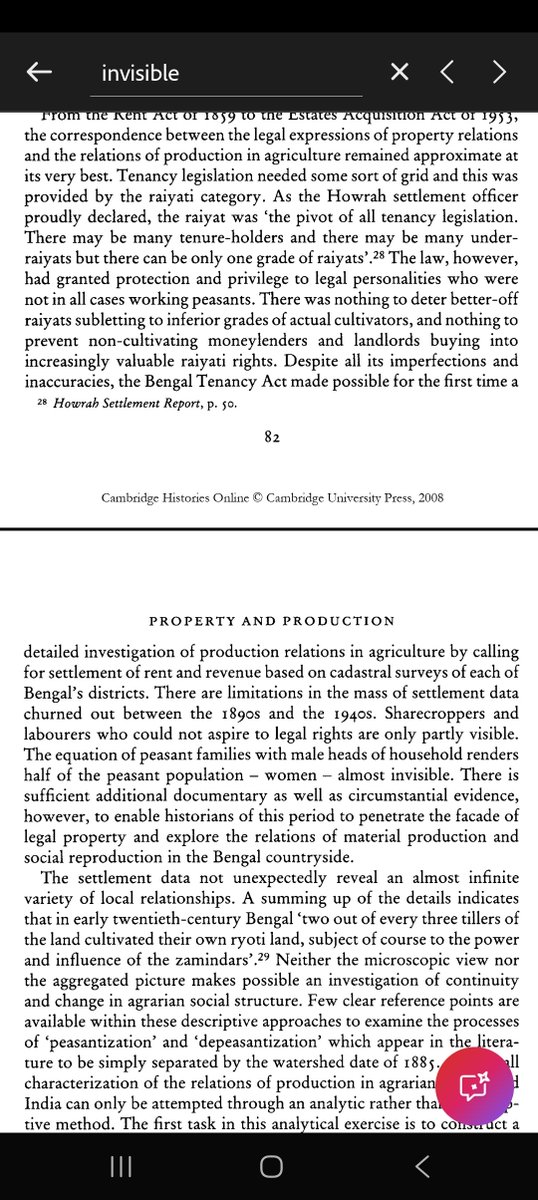
@sensitveyungbih historians have saud this for decades..... caste and female labor are inversely related due to status-signaling. Historically, as a family's wealth grew, women were withdrawn from the workforce as a Veblen luxury to signal upper-caste mobility.
@sensitveyungbih You went from 'Indian women are the laziest in the world' to 'it’s just certain communities,' and your data is a world bank paper that actively praises the massive work uptake (56%) of Mumbai women the second structural barriers are lifted
@sensitveyungbih •
These these quotes only apply to a tiny minority of wealthy elite women who were socially secluded, then using them to generalize all 'Indian Hindoo women' or explain modern national workforce trends is completely dishonest.
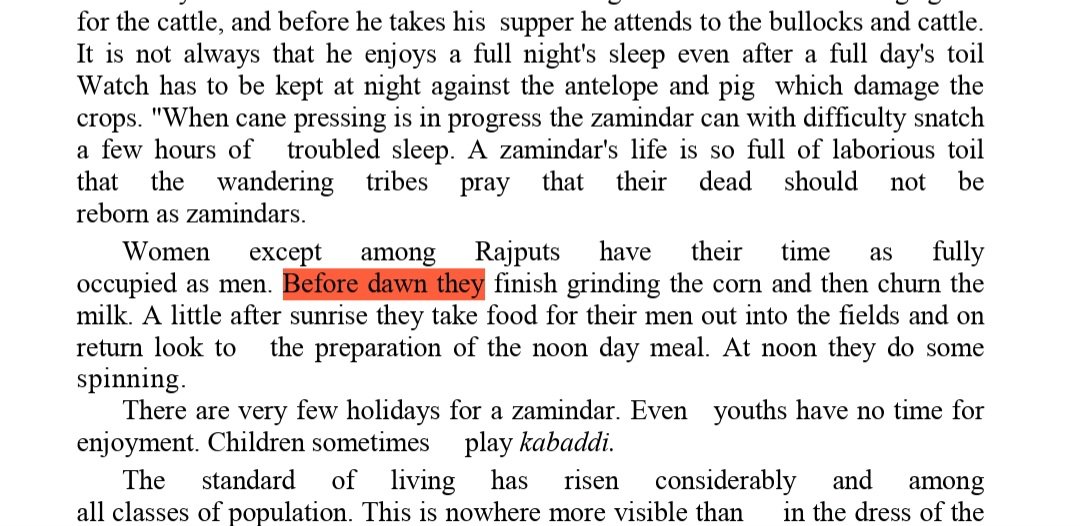
@sensitveyungbih "You went from using quotes that say 'Indian women are the laziest in the world' to crying 'it's only certain communities' the second someone showed you proof of actual peasant women working from dawn to dusk
@sensitveyungbih Economics isn't 'cope.' The World Bank explicitly attributes India's low urban FLFPR to structural factors: a severe lack of manufacturing demand suitable for women, rising household incomes allowing withdrawal from poor quality jobs, safety issues.
@sensitveyungbih Doesn't change the fact that European women generally married at mature ages, had legal rights to land if widowed and overall more mobility