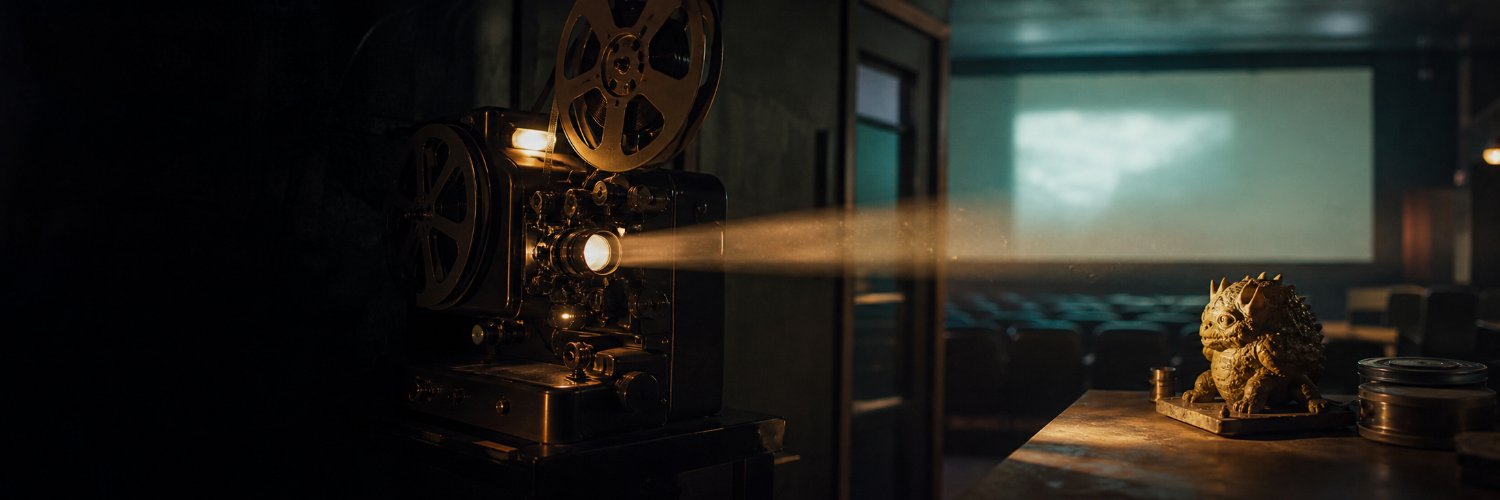
Just watched You Can See Everything. By the end I couldn't tell if I was spotting the lies or being led to see them. The reconstructions make memory feel unreliable, and the cinematography and that sinister score turn every look into evidence. Brilliant filmmaking.
Book recommendation: The Blind Owl by Sadegh Hedayat. Darker and more intimate than almost anything I've read. I stopped trying to work out what was real and simply lived inside his state of mind.
Gibson wrote Neuromancer on a typewriter. Didn't even own a computer. Maybe that's why it still holds up 40 years on. It was never really about the tech, it was about Case hating being stuck in his own body. Hope Apple's version gets that part.
@DiscussingFilm Minus One won the VFX Oscar on under $15M. If Yamazaki's team gives Ghidorah the same care, the three heads might finally move like an animal, not a design. Anyone seen it yet?
Finally watched Paths of Glory. Kubrick was 29. Those long tracking shots through the trenches are unreal, but what got me was the politics. Generals botch an attack, then pick three soldiers to shoot for it. Nearly 70 years old and it still feels current.
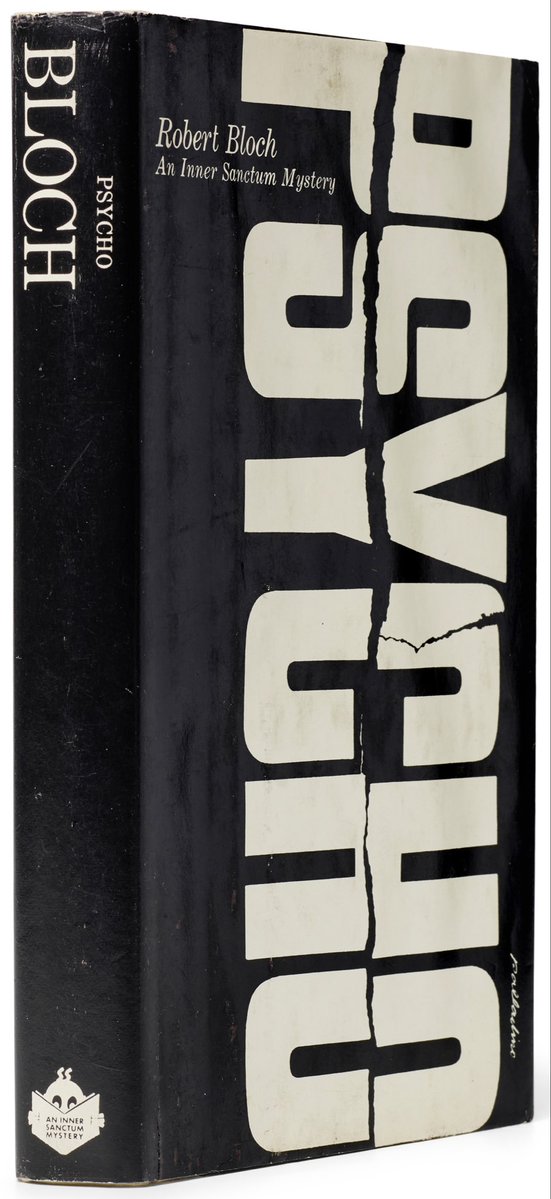
@TheCinesthetic Bloch wrote Norman as someone you'd cross the street to avoid. Hitchcock cast a man you'd trust with your car keys, and that's the whole trick of the film.
@_uhhhhhhh@DiscussingFilm Agreed, and the narration was the studio's fix. Test audiences didn't get it, so they made Ford explain it. The cut people love came later, once the film was trusted to be cold.
If Blade Runner 2099 has you going back to the films this week, read Do Androids Dream of Electric Sheep. I'm reading it now. Scott made the rain and the sadness. Dick wrote the part the films keep leaving out: a world so emptied of life that people buy electric pets to prove they can still care.
@jeremyeatsbacon@DiscussingFilm Munich is the right reference. Fast, cold, no comfort at the end. If that Spielberg turns up in Montana, Barry's mud survives.