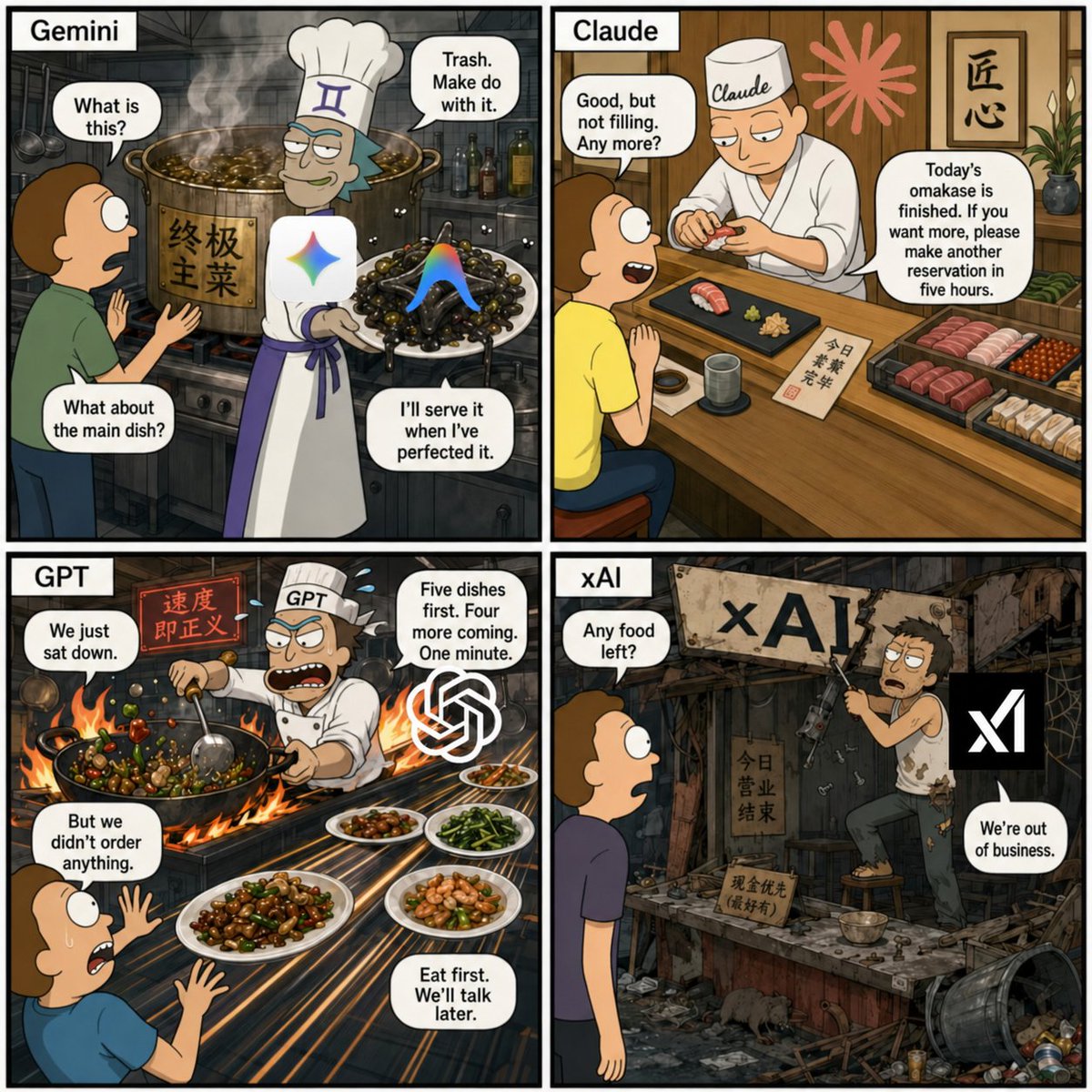
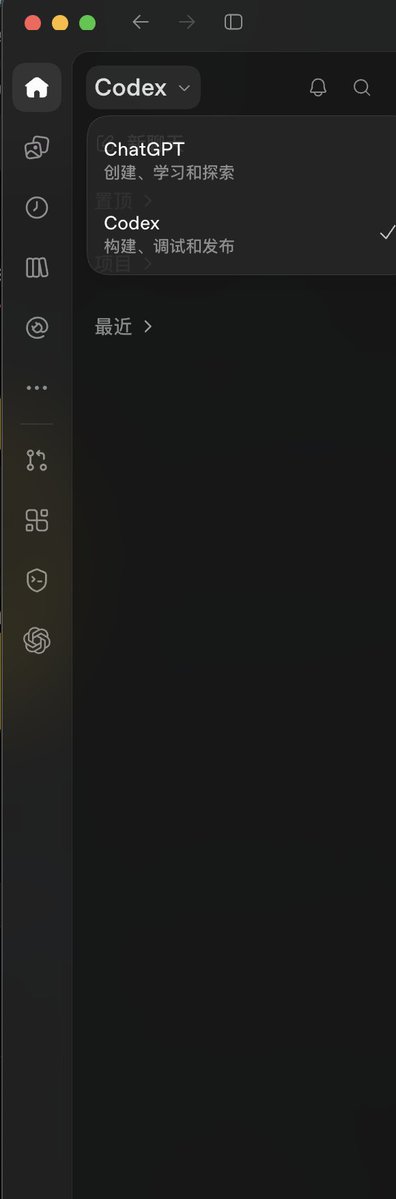
@thsottiaux What the hell are you guys even doing over there? You have way more headcount than Anthropic, yet Codex is still a buggy pile of shit. How is that even possible?
@leodev@thsottiaux What the hell are you guys even doing over there? You have way more headcount than Anthropic, yet Codex is still a buggy pile of shit. How is that even possible?
We've been working hard on making the Claude Code desktop app great for running lots of sessions side by side.
It's now much quicker to start sessions, easier to split work across a few, and you can always see what each of them is doing. Here’s what's new:
花费16天,我用 Opus 5.5 将小王子的故事制作成了3D剧情游戏
结合Tripo+Blender,Opus 5.5 将小王子故事中的每一个星球变成了可探索的3D场景
希望大家能支持一手,后续会开源整个游戏,以及详细制作流程
Welcome to The Little Prince: Across the Stars✨:https://t.co/qr4wR0jLu3
Tim Cook's take on why competitors can't copy Apple is sharper than most people realize.
They start by copying the product. Then they realize the product isn't the hard part.
Cook said it directly: people who try to copy Apple first try to copy what they can see. The hardware. The design. The packaging. And they can get close on all of it.
But the thing that made the product — the organizational culture, the decision-making, the obsessive prioritization — that's invisible from the outside. You can't find it in a teardown.
This is why Apple's moat has held for decades while better-funded competitors kept losing. Samsung had more SKUs. Google had more engineers. Amazon had more distribution. None of it translated into the same output because none of it replicated the same input.
The lesson for founders is uncomfortable: if your competitive advantage is visible in your product, it's already copyable. The real moat is the culture that makes the product — and that takes decades to build, not quarters.
Reverse-engineering the iPhone is an engineering problem. Reverse-engineering how Apple decides what to build is a different problem entirely.
🏁 Taking Gemini 4 Argon for a spin in Google @Antigravity.
Learn how @genevieve__h transforms a desk photo into an interactive 3D racing game by using Argon to orchestrate subagents and leverage Nano Banana to generate assets for the build.