Most Shopify brands are sitting on $10k–$30k/month in missed revenue.
Why? No retention strategy. Just vibes.
Here’s how we fix that for brands doing $30k–$100k/month — using just 4 Klaviyo flows:
The hardest sale in ecom isn't the first one.
It's the second.
The first purchase rides on novelty.
The second is a verdict - they've used it, formed an opinion, and every competitor is retargeting them.
Your post-purchase flow is where that verdict gets decided.
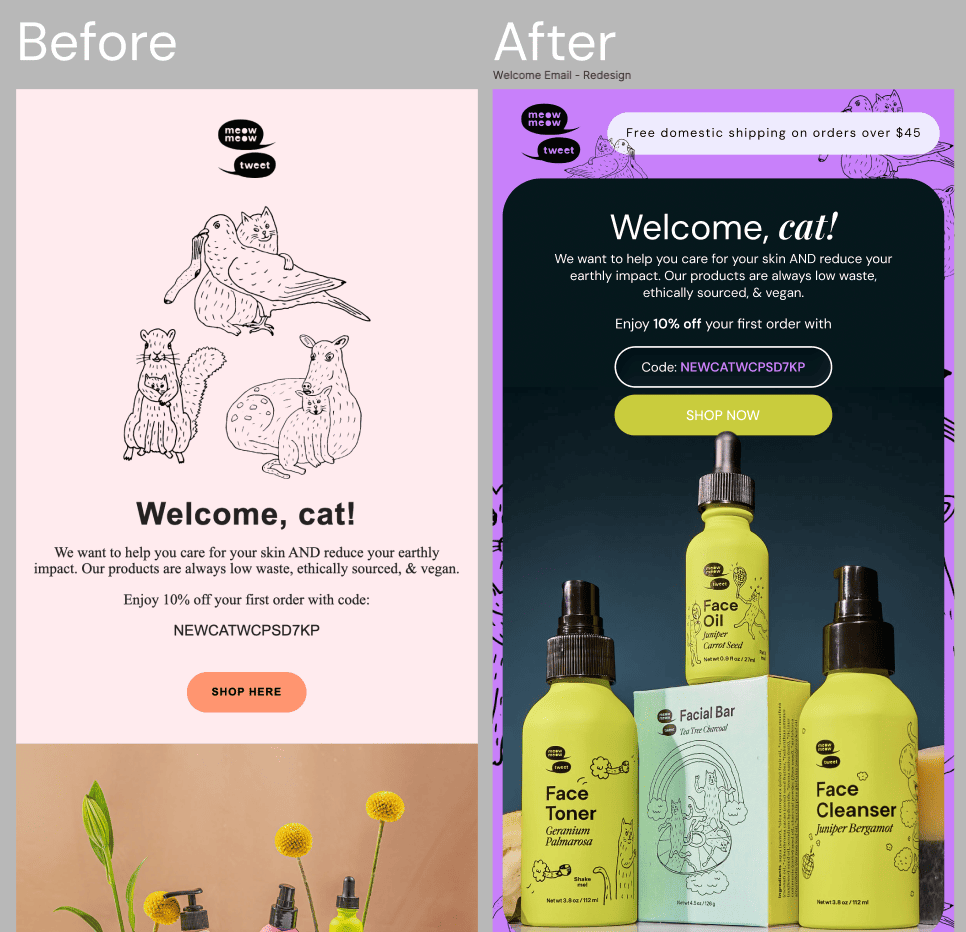
More than 70% of people never scroll past the first screen of your email.
If your offer lives below the fold, most of your list never sees it.
One hero visual.
One CTA.
Above the fold.
That's the fix.
60–70% of your email revenue should come from flows - automations you build once and leave running.
If campaigns are carrying everything, you don't have a system.
You have a job that only pays while you're typing.
Most accounts I audit are mailing a list that's quietly shrinking.
25–30% of an email list goes cold every year - unsubscribes, spam placement, dead addresses.
If your popup isn't replacing that faster than it decays, you're emailing fewer people every month.
Pre-sale emails matter more than the sale email.
Send too far out-people forget.
Send day-of-people need time.
The sweet spot: four emails.
One week out: early access for VIPs.
Three days out: build urgency for everyone else.
Day before: remind.
Day of: launch.
That's the framework.
Most brands have no idea how much revenue email is actually driving.
They're looking at the wrong number.
Klavilyo's default shows attributed revenue. Not email-only revenue.
The real number: switch to a 1-day click window. That's email.
Everything else is overlap.
The warmest segment in your list isn't your buyers.
It's people who've opened in the last 30 days but never purchased.
They know you. They like you enough to keep opening. They just haven't converted yet.
That's the segment that needs its own flow. Not your buyers.
You don't need a better email.
You need to send more of them.
The biggest gap I see isn't quality. It's consistency. One email a week becomes two.
Two becomes a regular cadence. Regulars build an audience. An audience builds a habit.
Habit drives revenue.
You don't need a better email.
You need to send more of them.
The biggest gap I see isn't quality. It's consistency. One email a week becomes two.
Two becomes a regular cadence. Regulars build an audience. An audience builds a habit.
Habit drives revenue.
The brands growing fastest aren't sending more emails.
They're growing their list faster than it decays.
Most lists shrink 25-30% per year from unsubscribes and inactivity.
If you're not replacing that, you're emailing a smaller audience every month.
Pop-up isn't optional. It's the engine.
Most brands treat email like a job.
Write a campaign. Send it. Revenue comes in. Write another one.
Stop sending — revenue stops.
Then there's the other version.
Flows running in the background. Welcome series converting new subscribers. Abandoned checkout catching buyers who got pulled away. Post-purchase building the habit of coming back.
Revenue coming in whether or not you touched the platform this week.
Campaigns are effort-dependent. Flows are compounding.
Build the system first. Then scale with campaigns on top of it.
Every section of your email should pass one filter:
Does this build desire or remove an objection?
If yes — it stays.
If no — it gets cut.
No exceptions for the blog link, the Instagram CTA, or the banner the designer spent three hours on.
What survives: one hero visual, a headline that challenges something the reader already believes, one CTA above the fold, and copy that earns the scroll.
Everything else is noise.
Better email design doesn't mean more design.
Most brands add complexity when conversion drops. More sections. More graphics. More CTAs buried halfway down.
The brands actually converting do the opposite.
Blank slate. Brand fonts. One hero visual. Copy that does the work.
Simplicity will always beat complexity in email. Every time.
The brands at 35-40% email revenue have one thing in common.
Flows are doing the heavy lifting. Not campaigns.
Most brands I audit have it flipped. Campaigns carrying everything. Flows barely running. Which means the moment someone stops showing up to write and schedule — revenue drops.
Campaigns are effort-dependent. Flows are compounding.
Build the automation layer first. The full system is free at mailvora ( my agency )