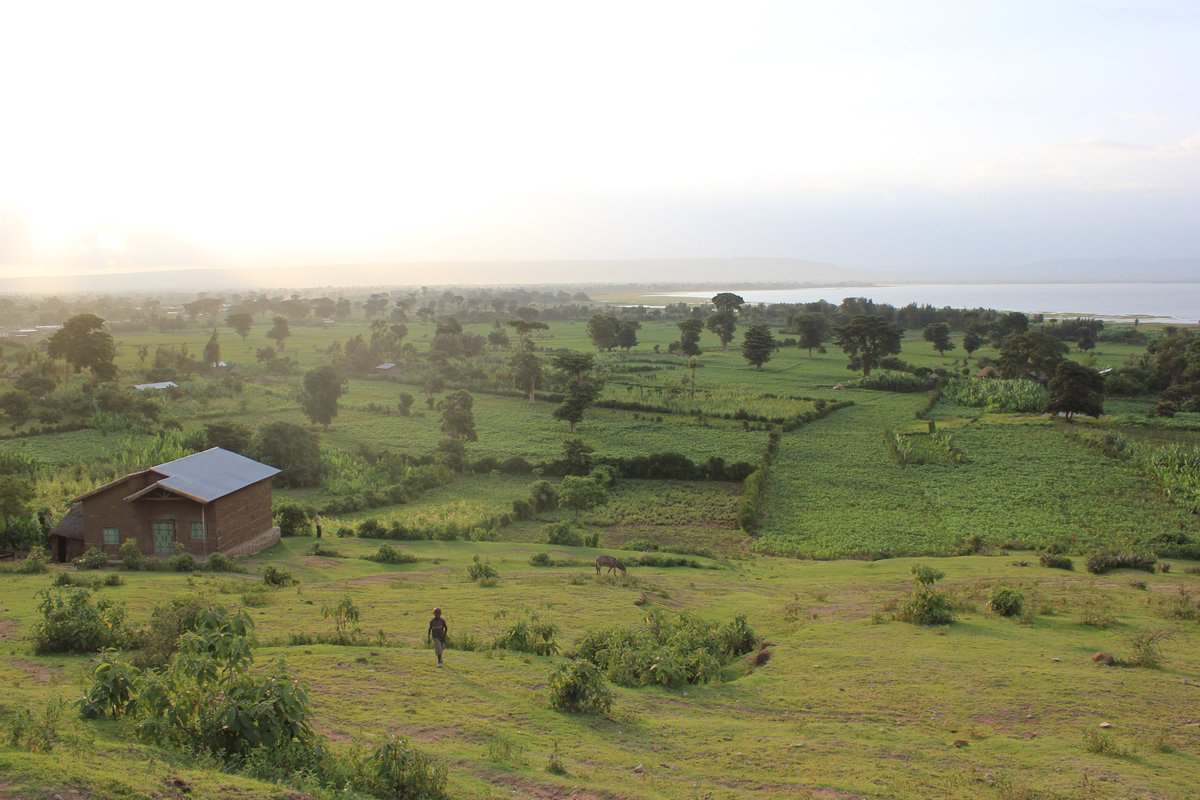
In many parts of the developing world, including southern #Ethiopia, small #farm s have gotten smaller. #farmers have responded with 3 broad trajectories, each with specific R&D needs: consolidation, diversification & specialization👉https://t.co/MSuVrqGWgU
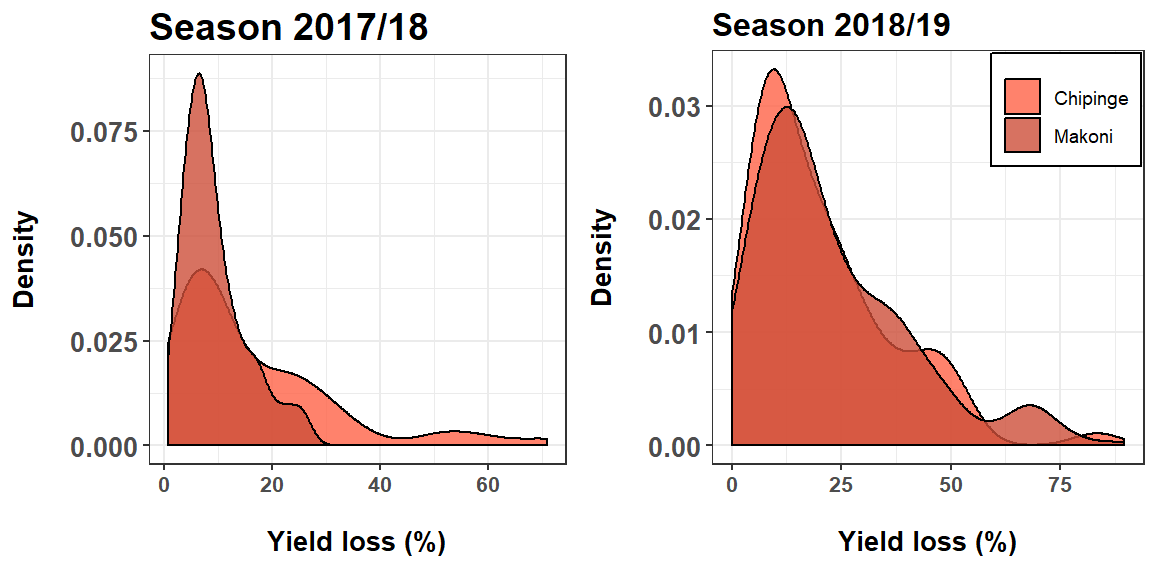
Disturbing finding from our @GOAL_Global@CIMMYT dataset freshly compiled. The mean estimated % of #maize yield lost to #fallarmyworm in Chipinge and Makoni #Zimbabwe doubled this year compared to last (from a 11.6% to 22.4%). More investment is needed to fight this pest.
Session 4: Phenotyping and modelling.
Oral Communication: Leaf vs. Whole-Canopy Remote Sensing Methodologies for Nitrogen Monitoring and Grain Yield Prediction: A Case of Study with Maize in Zimbabwe. By Adrian Gracia Romero (@AGraciaRomero) from @UniBarcelona. #SEFIMEC2019
In #Tanzania, farmers have been adopting insured hybrid maize at the same rate as improved seeds without insurance. When drought struck, farmers who lost everything were able to plant improved seeds again. @FeedtheFuture@ucdavis@CIMMYT#endhunger
https://t.co/6UTWo3ZlgG
How does digging trenches help with a caterpillar that doesn't move between plants? What about crop residue when #FallArmyWorm pupates in the soil and doesn't diapause? Not sure what data was used to produce these recommendations... https://t.co/CERoh670y4
The #FallArmyworm could lead to up to $6.2 billion a year in #maize losses in just 12 African countries—and has already been reported in over 30. Learn what @USAID@CIMMYT and #CGIARMaize are doing to fight this pest: https://t.co/aAs2nwZ7ym