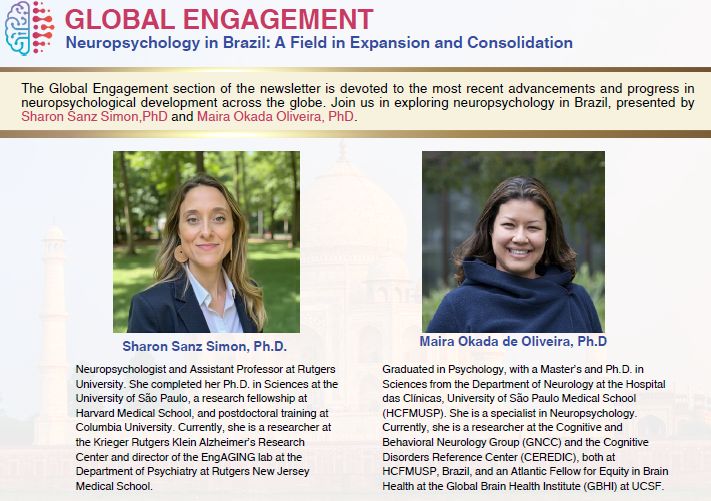
In the latest INS Newsletter, the Global Engagement section highlights developments in neuropsychology around the world. This edition features a look at neuropsychology in Brazil, presented by Drs. Sharon Sanz Simon and Maira Okada Oliveira. https://t.co/IWl2BYm96v
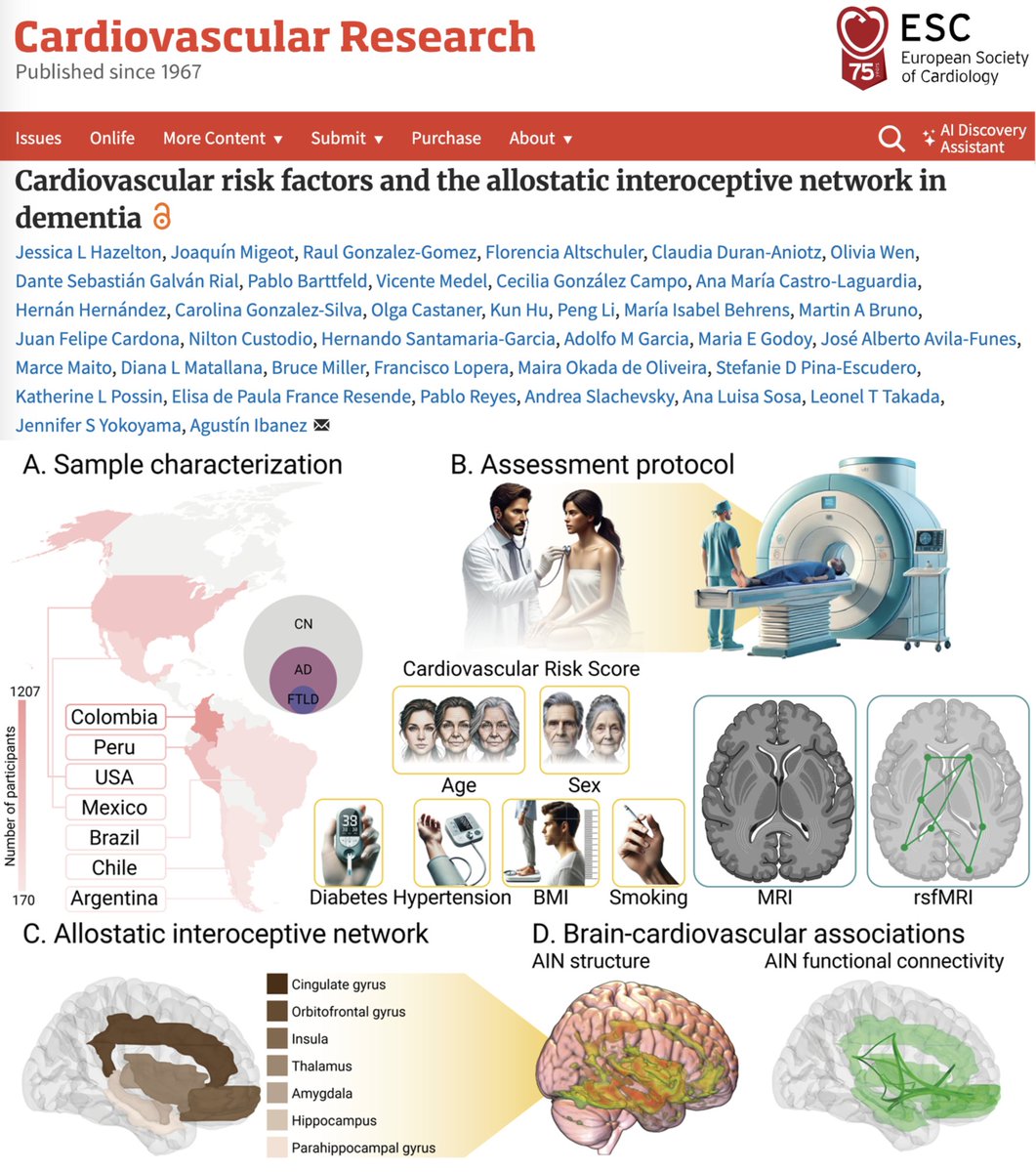
Aging clocks may be shaped by neurosyndemics, multiple interacting physical and social real-world environments jointly influencing brain health. Out in Nature Medicine (https://t.co/h6kbJntHRV), we assessed 18,701 participants from 34 countries, showing that the combined aggregate-level exposome (73 physical, social, and political factors measured at country-level) predicts multimodal brain aging far better than isolated exposures (up to 15-fold more variance). Moving beyond single risks, we provide evidence that synergistic, nonlinear exposome burden accelerates brain clocks across health and disease, with physical exposures linking more strongly to structural brain aging and social exposures to functional brain aging. Exposome burden increased the risk of accelerated brain aging by 3.3–9.1-fold, in some cases exceeding the effects associated with dementia, and these findings held in out-of-sample, longitudinal, individual-level variation, and sensitivity analyses. Thus, the pace at which the brain ages may be shaped by syndemic environmental and societal conditions, calling for much more intersectoral policies. Congrats @AgustinaLegaz Sebastian Moguilner @HernHdezL & all coauthors. 1/5👇 @GBHI_Fellows
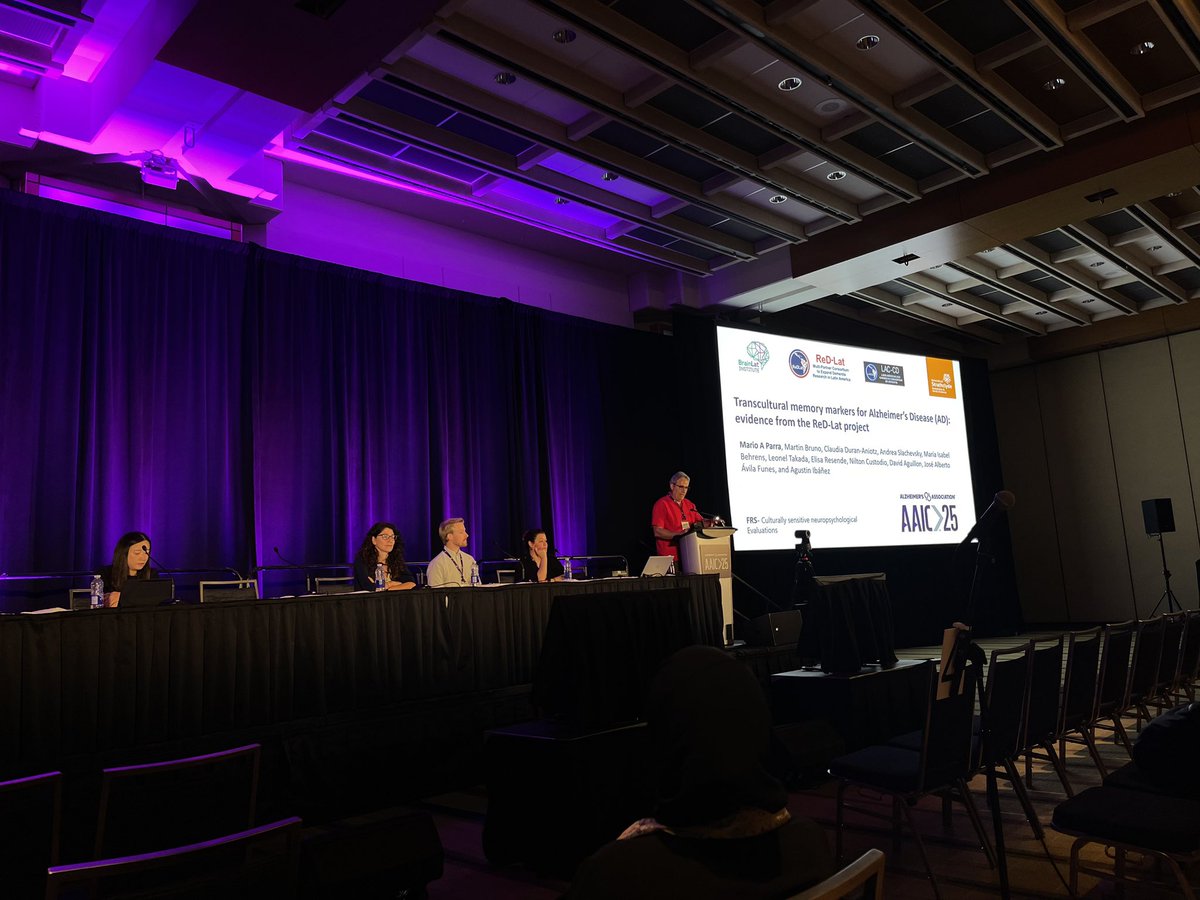
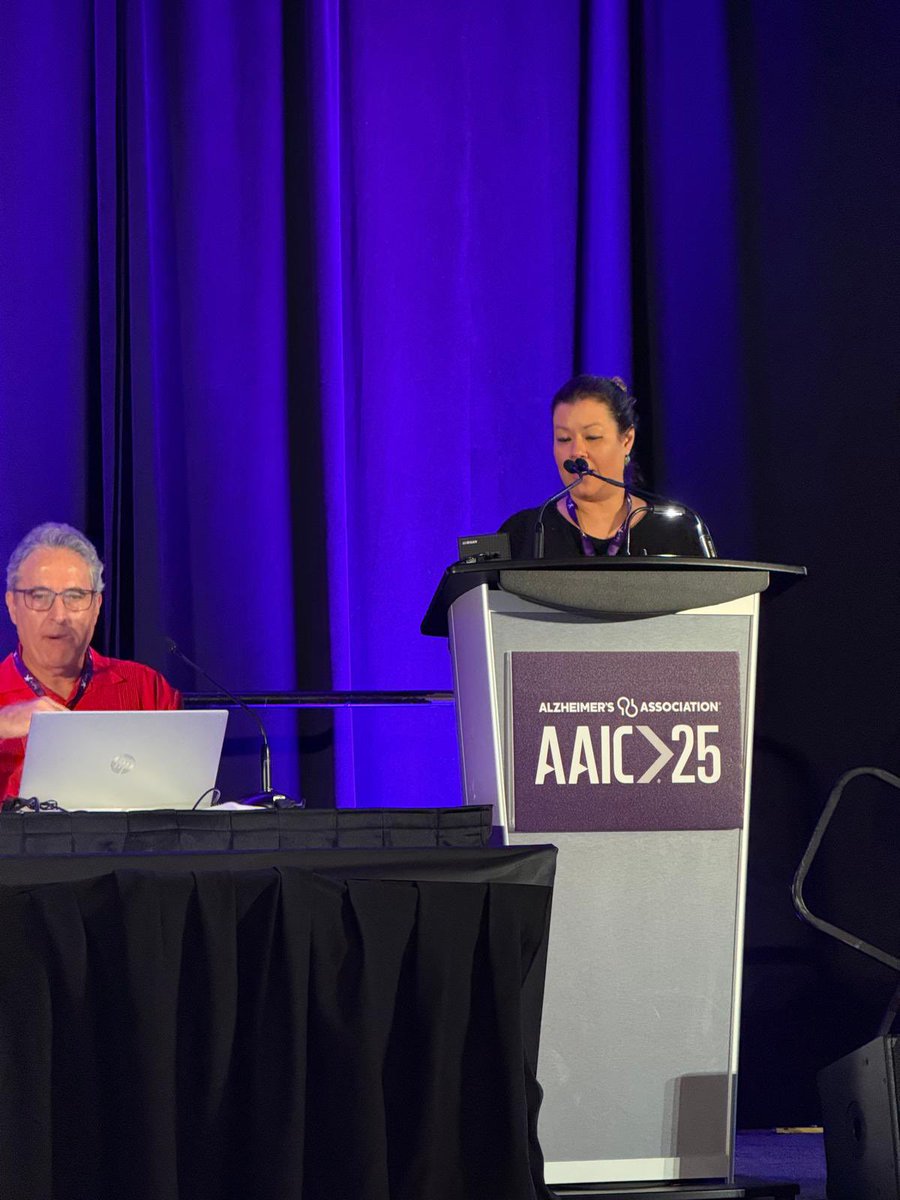
I am very grateful to be in Toronto for #AAIC2025 through the Conference Fellowship A and to be able to present “Neuropsychological evaluation of cognitive decline in LA” and talk a about Brazil and @ReDLat_Dementia@alzassociation@ISTAART@GBHI_Fellows
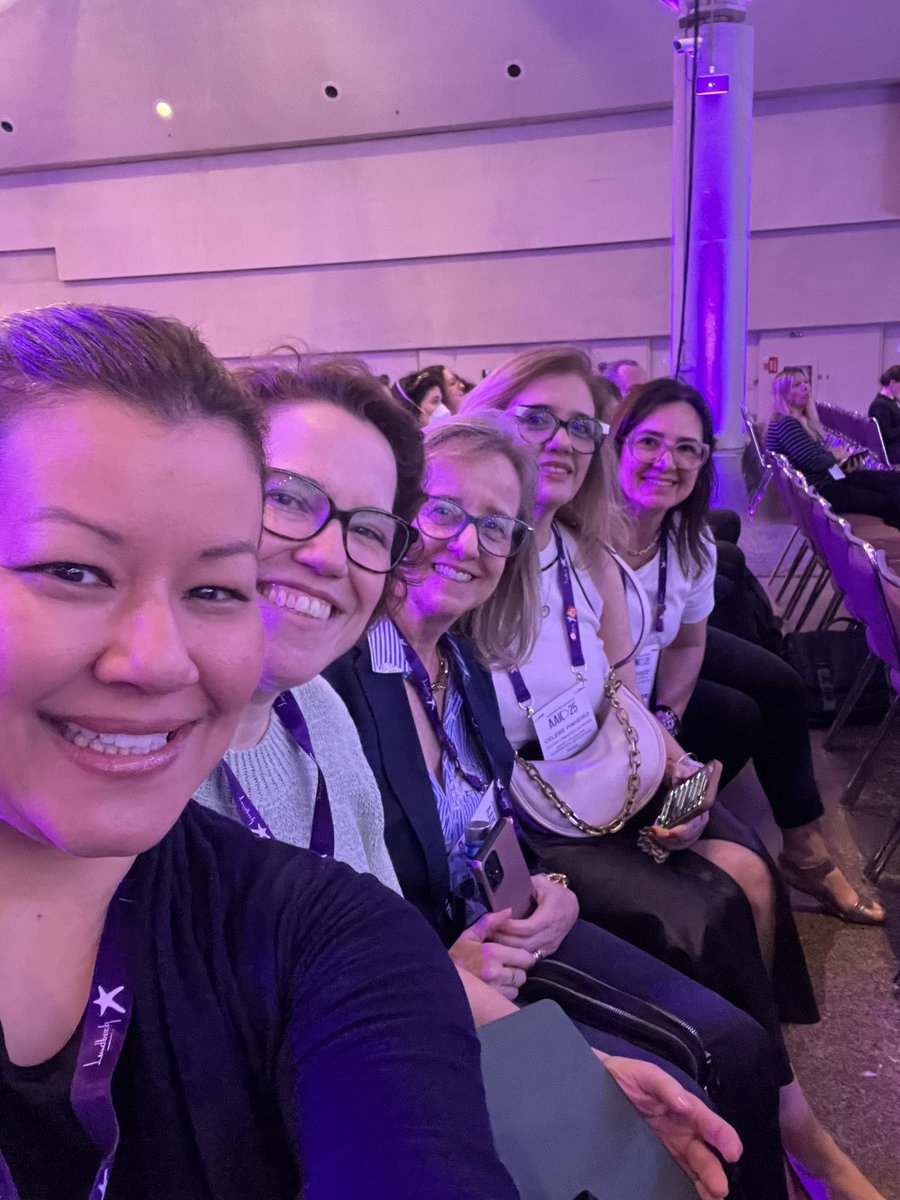
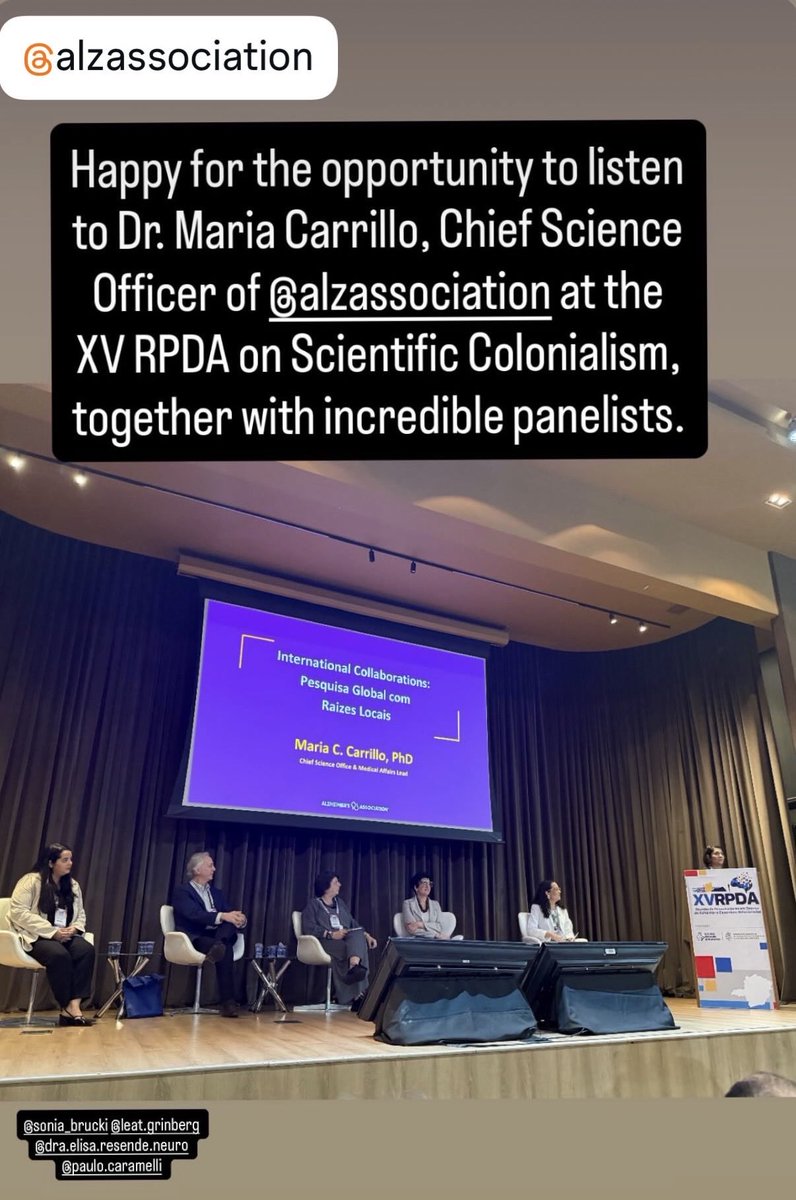
🇧🇷🧠 A força da ciência brasileira em peso no #AAIC2025!
Mais de 100 clínicos e pesquisadores reunidos mostrando o impacto do Brasil na luta contra as #demências.
Orgulho, conhecimento e colaboração transbordando! 💪✨
@ISTAART@CaramelliPaulo@zimmerlab1
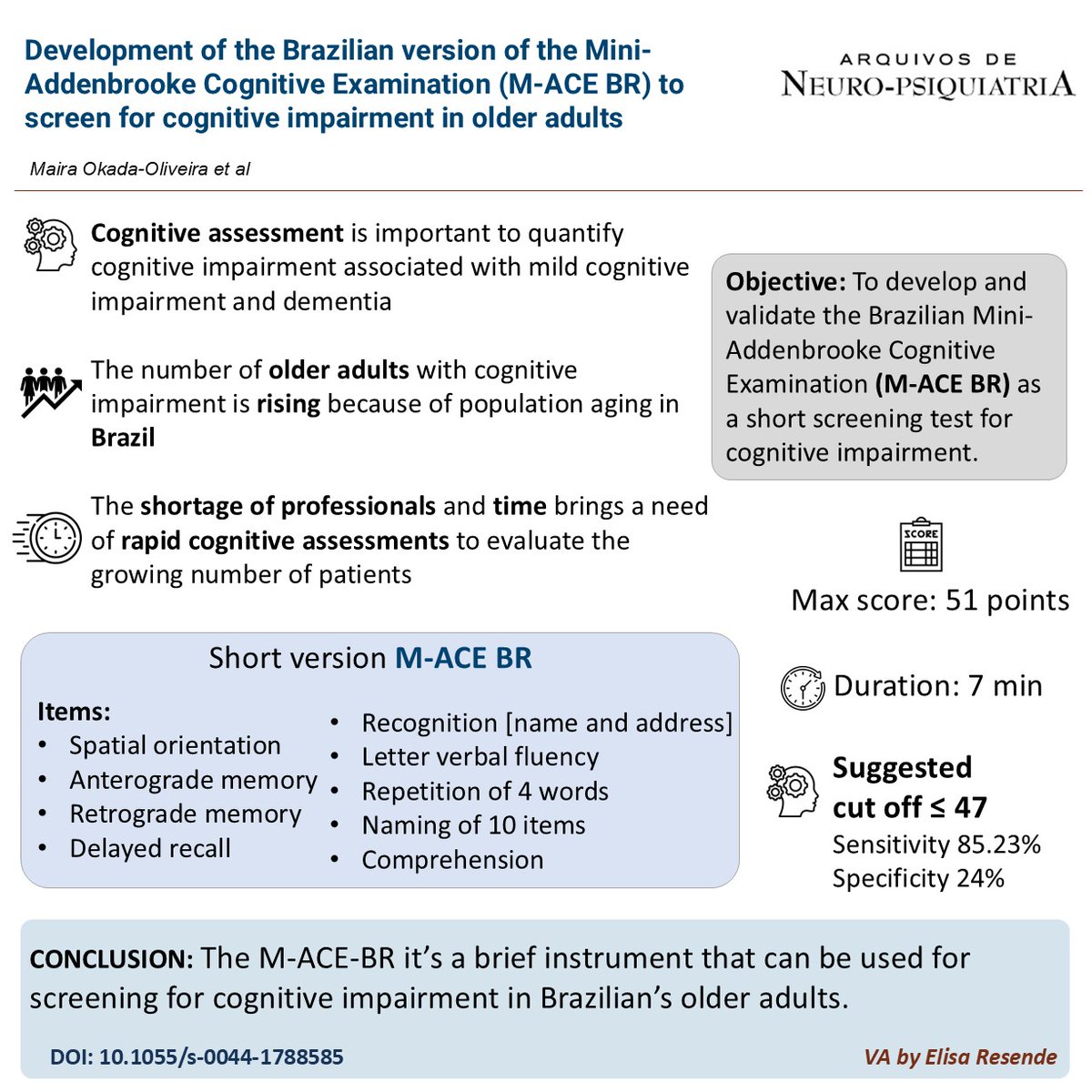
Okada-Oliveira et al are on a mission to make cognitive screening faster and easier! They’ve just published a 7-minute brain test in @ArqNeuroPsiq that helps spot dementia early. The M-ACE BR test is short and ready to keep those aging brains in check! https://t.co/zU2QdPVemU
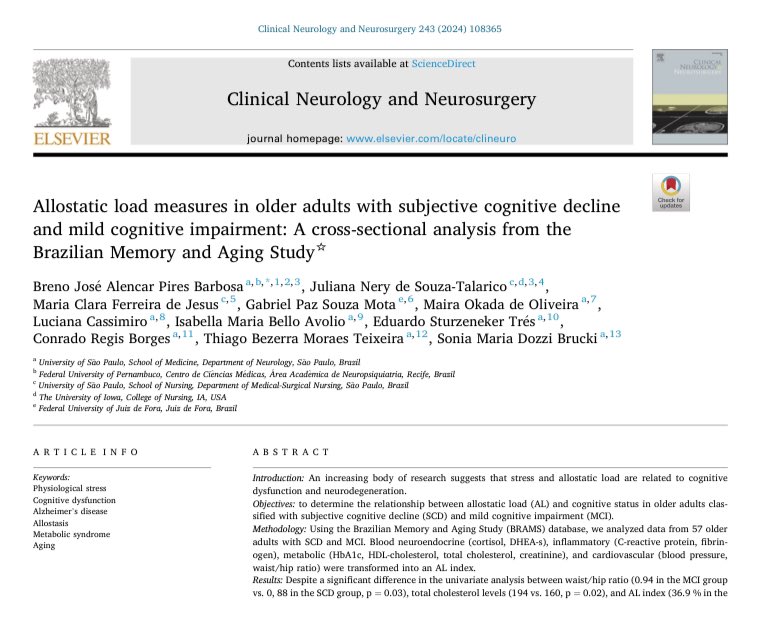
Brazilian older adults with Mild Cognitive Impairment and Subjective Cognitive Decline probably show different Allostatic Load profiles, but cofounding factors may play a role 🍃
Learn more in our study just published in CNN @ELSNeurology @gncc_usp
https://t.co/hmCu7w6Vap
📌Meet @Mairoka, neuropsychologist with specific training and expertise in cognitive assessment.
She is part of the @ReDLat_Dementia family with 90+ members organized in working groups and supported by multiple stakeholders.
Learn more about us here 👉 https://t.co/j9WAQIiA47
🚨ATENÇÃO🚨
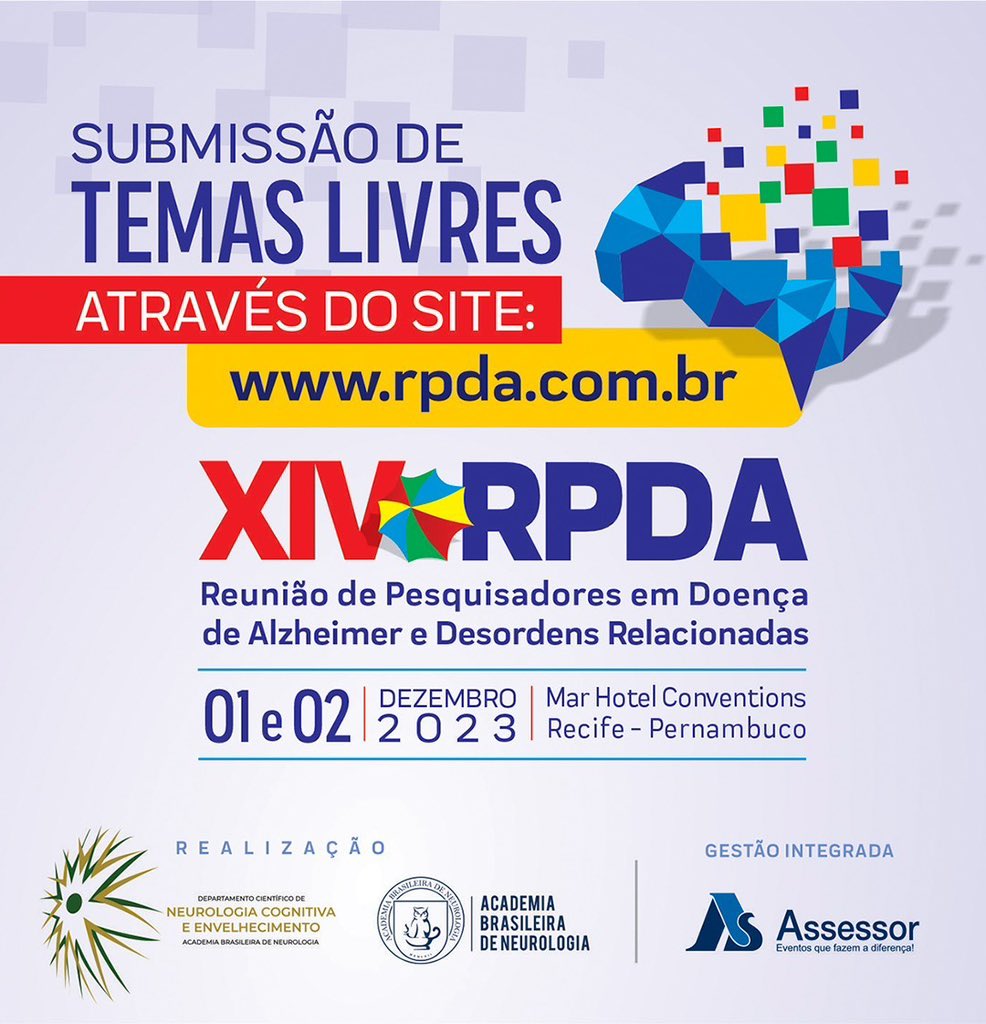
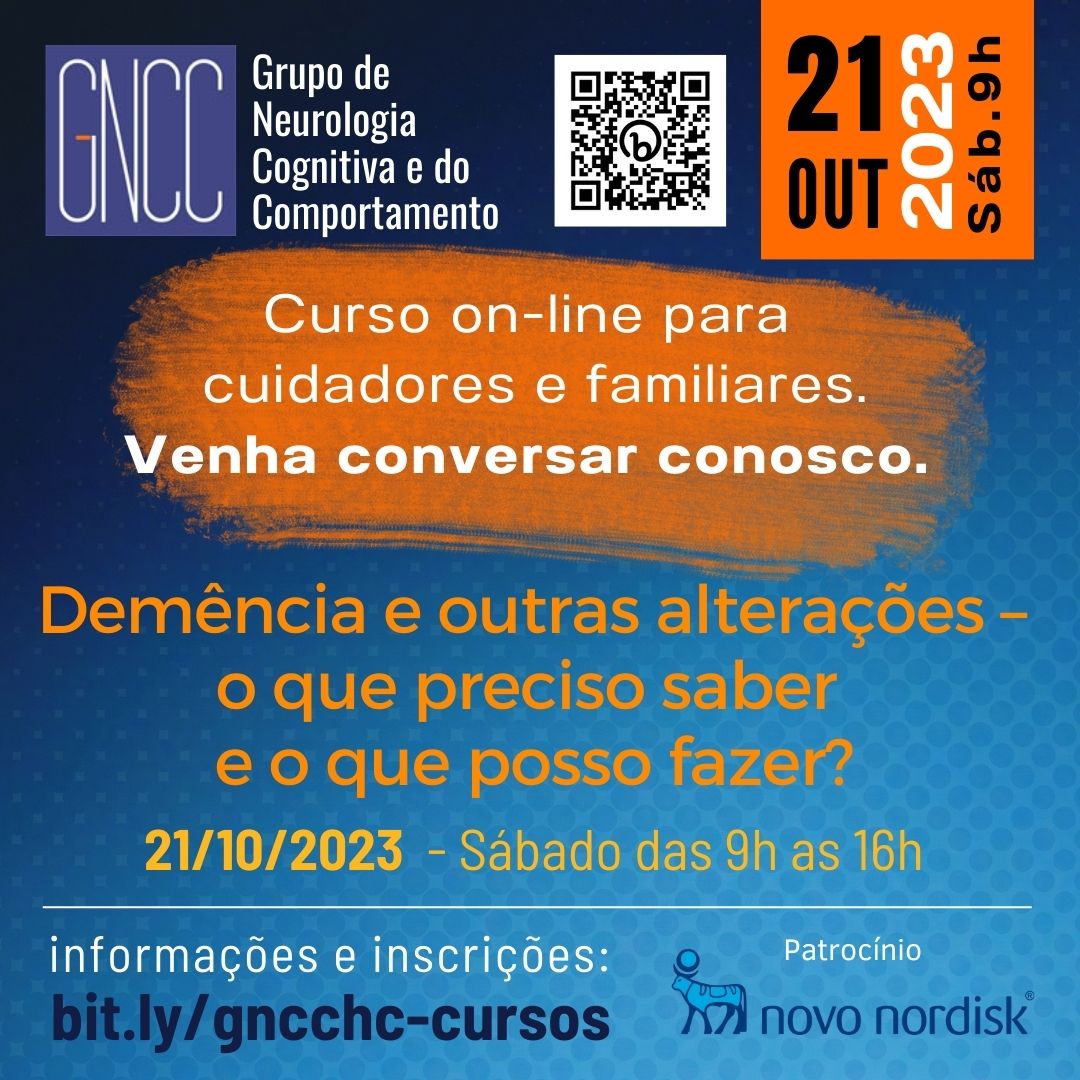
Neste sábado iremos realizar o curso on-line sobre Demência para cuidadores e familiares 🧠🎓📒🖋️.
Inscrevam-se, será muito importante a participação da comunidade❗️
https://t.co/9dhng6MHiV
Esse final de semana acontecerá o curso do GNCC de avaliação clínica no consultório dos pacientes com síndrome cognitiva❗️ Divulguem & participem❗️❗️❗️🚨🧠🏅
Aviso importante! Complementação especializada em Neurologia Cognitiva e do Comportamento pelo HC-FMUSP início em 2024 - detalhes abaixo sobre inscrição e prova! 👇🧑🎓👩🎓👩⚕️🧑⚕️🎓📒🖊️
This shares my family's dementia experience - the why I'm committed to brain health equity. The Brain Health Diplomat’s Toolkit LAC and BHD website are resources supporting this vision @DementiaHealth @AgustinMIbanez@maritza_pintado@Mairoka@HarrisAEyre https://t.co/OJzt1ZMd5S