One 12-foot-wide lane for:
Heavy Rail—moves 80,000 people/hr.
Light Rail—22,000.
Bus Rapid Transit—20,000.
Pedestrians—19,000.
Bicycles—14,000.
Automobiles—2,000.
So...can someone remind me why we continue to plan & build our space-limited cities around cars?
The #MakeCitiesBetter team are in Dubai & Abu Dhabi for 10 days - checking out the urban design & innovations in 2 of the world's most fascinating cities. Any tips on what we should see/do, what's good in urban design, public realm & innovation here, & what we should tweet about?
1970: One more lane will fix it.
1980: One more lane will fix it.
1990: One more lane will fix it.
2000: One more lane will fix it.
2010: One more lane will fix it.
2020: ?
via @avelezig
I see that this apartment scheme has started construction on the N11 between White Cross and Foxrock Church. 142 apartments will replace two detached houses. Sets a precedent with just 0.6 car parking spaces but 2 bike spaces per apartment.
@dressrdelivery For now. But the direction of travel is clear. Private vehicles will increasingly be restricted in cities of all sizes as time progresses.
We know that shifting our focus from car-infrastructure-only-all-the-time to make a little room for bike facilities can make our places more financially resilient. But could it get you a job, too? @Planetizen explores. https://t.co/W6BdbWFnCk
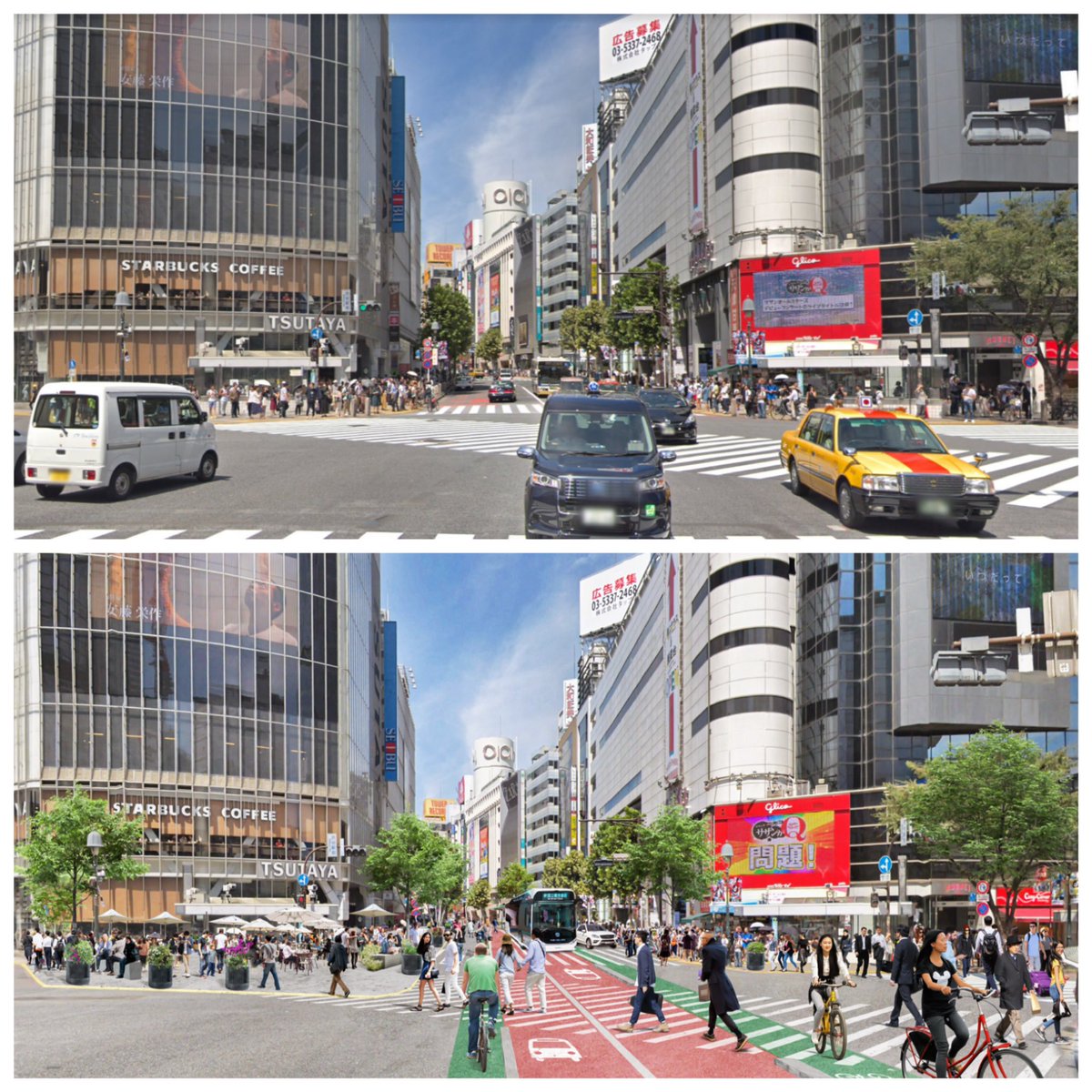
Tokyo can be the city of the rising street: At the world’s busiest pedestrian crossing, Mayor Ken Hasebe of Shibuya City is the first in Japan to endorse the Global Street Design Guide. Where there are people, there are new possibilities, even on old streets.