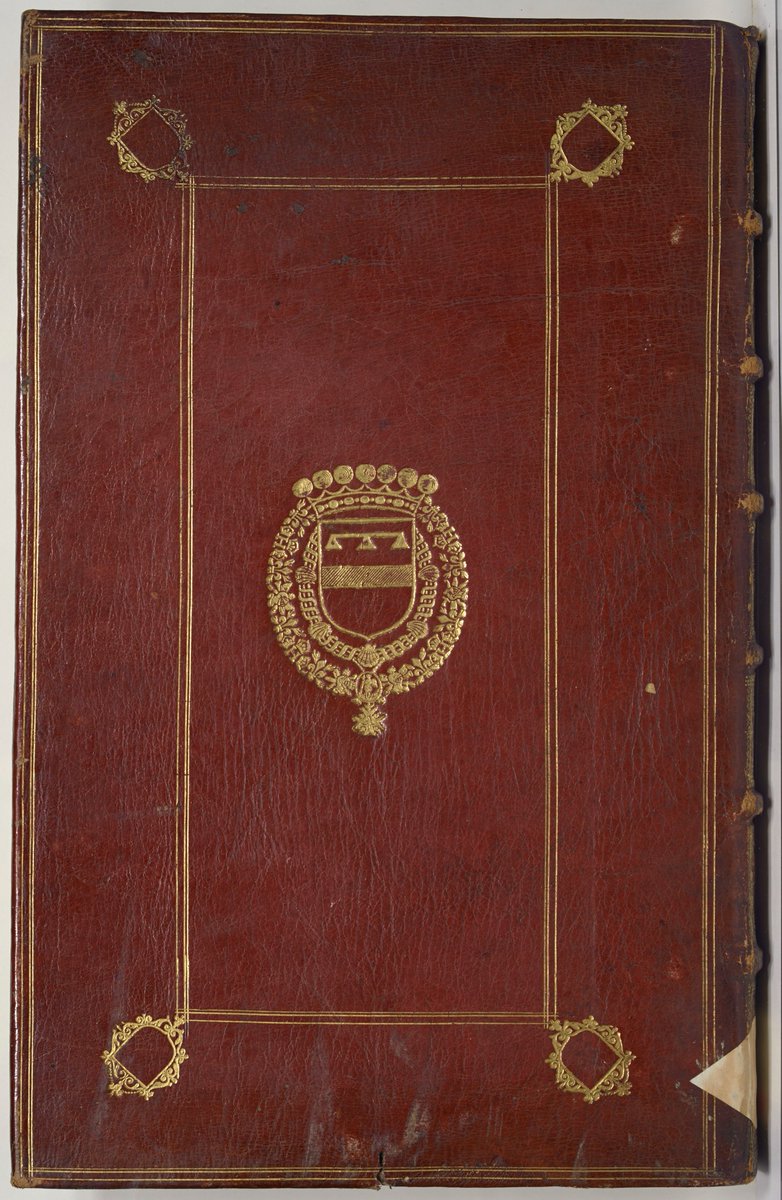
18 months after launching #Edition640, we’re excited to share our redesigned digital critical edition! The streamlined design makes it easy to scroll through the manuscript, search through the introductory essays, and find useful resources. Take a look: https://t.co/9FhEvwrHWk
We are thrilled to announce that our Founding Director Pamela Smith has been awarded the History of Science Society's most prestigious prize, the Sarton Medal.
Congratulations Pamela!
Learn more via our website: https://t.co/b8ANJIlNCA
In fall 2024, CSS and @MakingKnowing hosted expert textile dyers Bertha Estrada Huipe and Mateo Rodriguez Estrada from Ahuirán, Mexico. Learn more about their decades of experience and experimentation in our new video! https://t.co/Oz6uYRLGJY
Hands-on experimentation doesn’t need to be expensive or exclusive. The Companion’s resources can be scaled for various levels of learners, budgets, and research spaces. Start exploring today with https://t.co/3Tc9M6mUXB
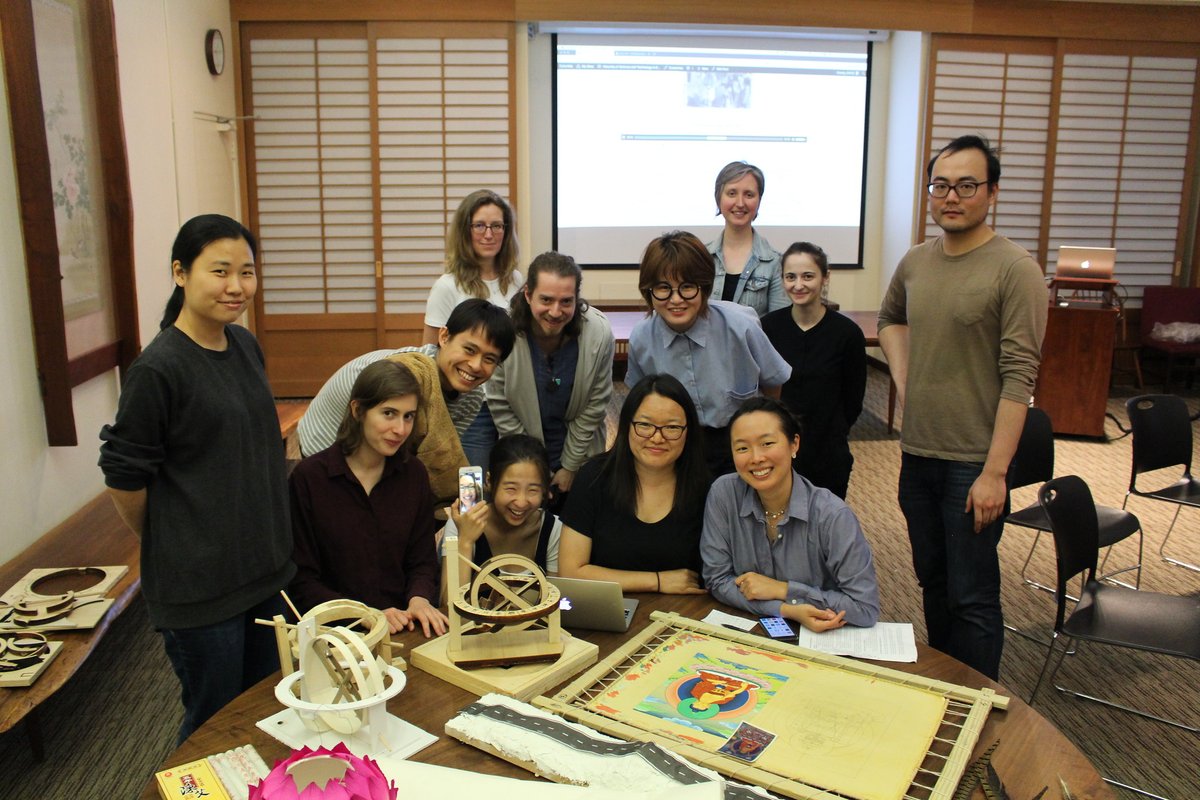
But the process of creating the edition was just as important as our results. Pedagogy was integrated with original interdisciplinary and collaborative research, opening scientific inquiry to humanities students and vice versa. https://t.co/3Tc9M6mUXB
The result was our digital critical edition. It’s not only an online version of the manuscript, it includes multimedia essays, glossaries, and search functions to help readers explore and find new meanings in our work.
The Companion is our guide to clearing these practical and pedagogical hurdles. It’s a behind-the-scenes guide to the workflows, challenges, and successes that come with hands-on learning.
Why create a Research and Teaching Companion? To answer that, we flashback to 2014, when Professor Pamela Smith founded the Making and Knowing Project to study a 16th-century French artisanal manuscript via interdisciplinary teaching, research, and digital analysis.
The result was our digital critical edition. It’s not only an online version of the manuscript, it includes multimedia essays, glossaries, and search functions to help readers explore and find new meanings in our work.
Out now! ⬇️
And OPEN ACCESS on manchesterhive🔓
The newest addition to our #SDMC series is 'Refashioning the Renaissance: Everyday dress in Europe, 1500-1650'
Providing new perspectives on early modern clothing and fashion history 🪡
Four years after publishing our digital critical edition, Secrets of Craft and Nature, we are thrilled to share its Research and Teaching Companion! These resources and tools help bring history to life in any classroom. https://t.co/3Tc9M6mUXB
Looking to bring hands-on history into your classroom? Our Research and Teaching Companion shows how experiential learning can be adapted to any space, learner level, or budget with lesson plans, case studies, and other resources. Discover it for yourself: https://t.co/3Tc9M6mUXB
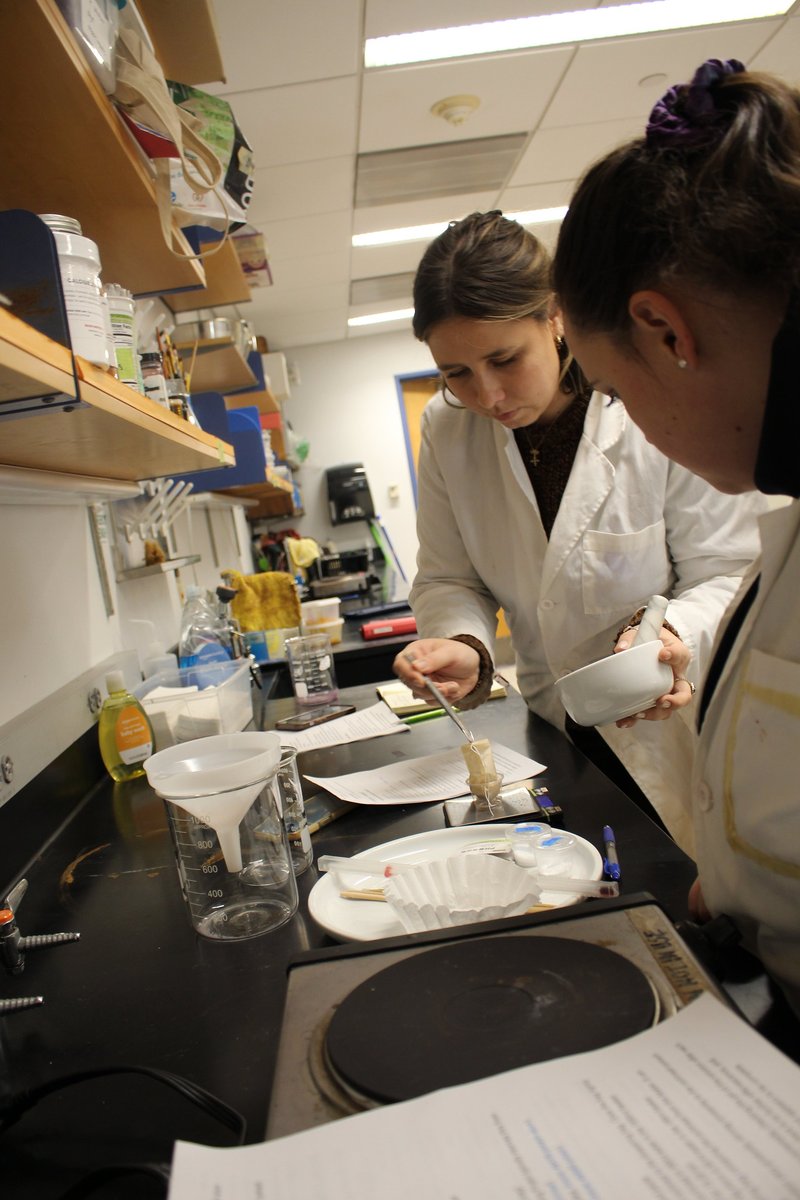
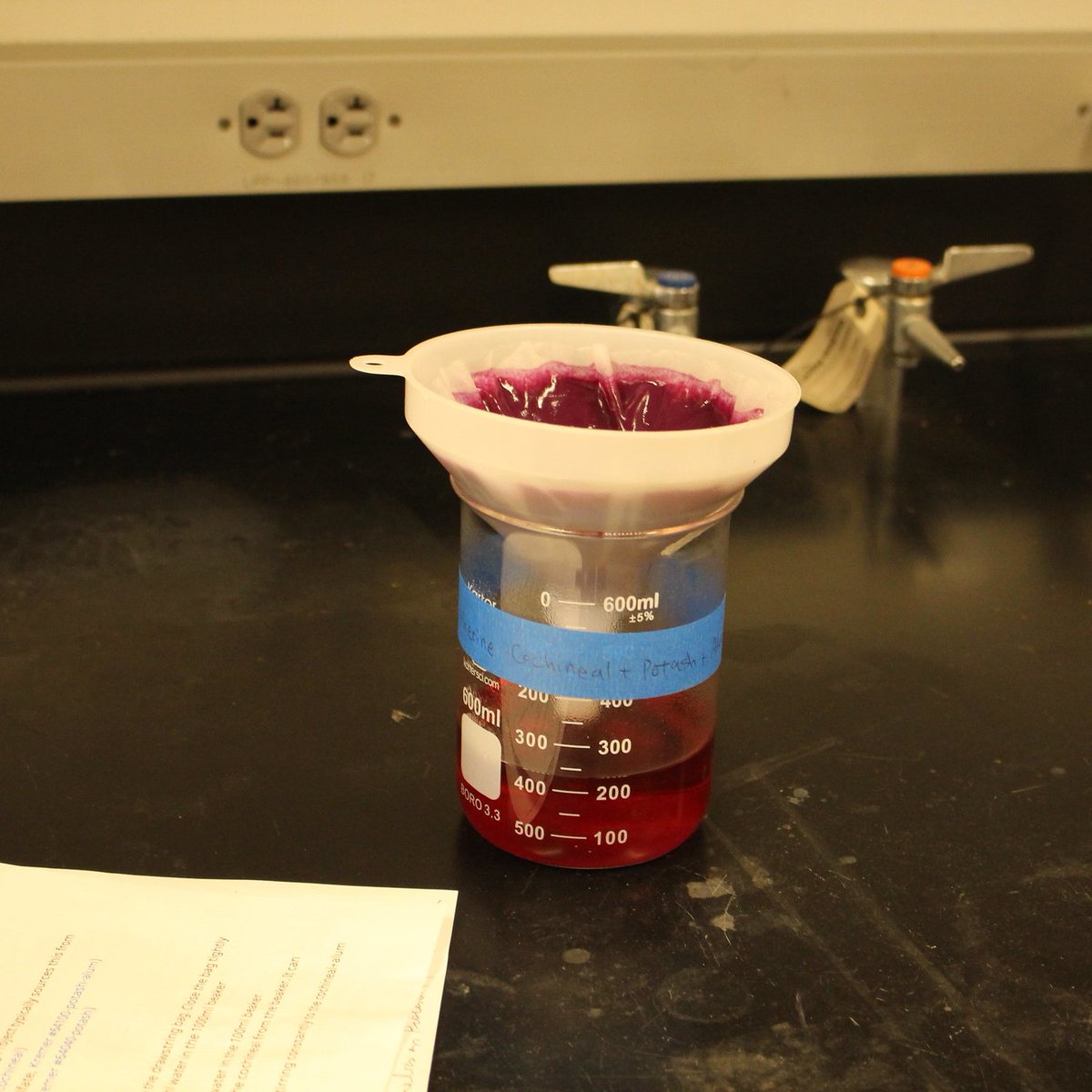
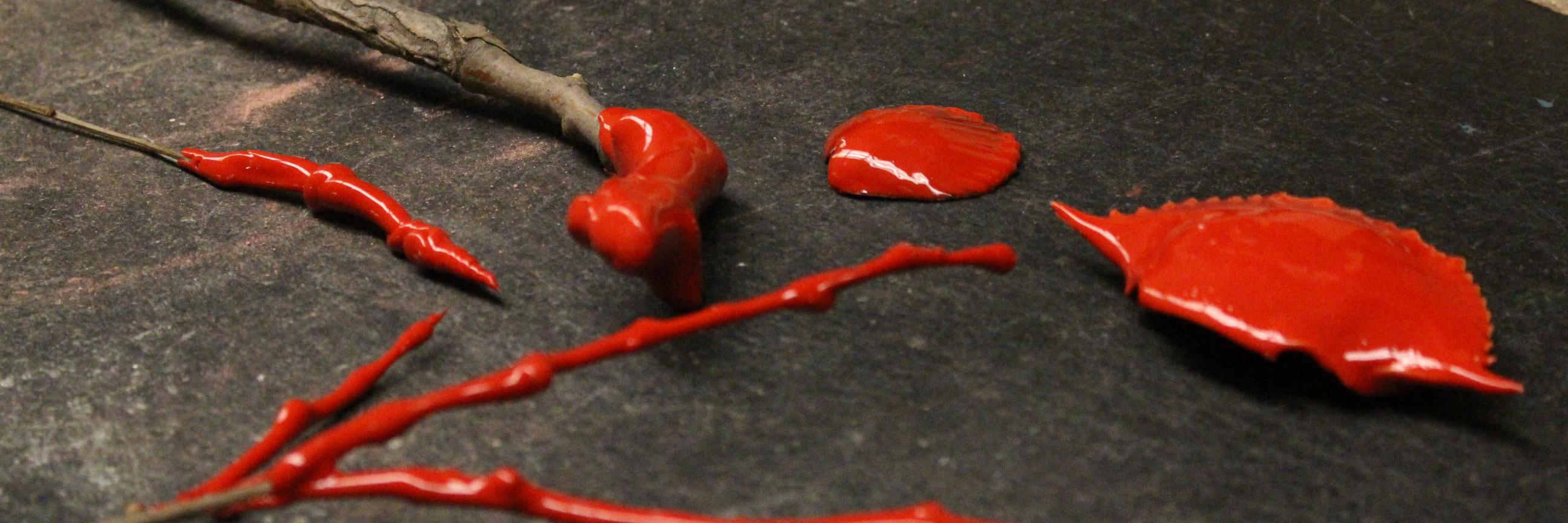
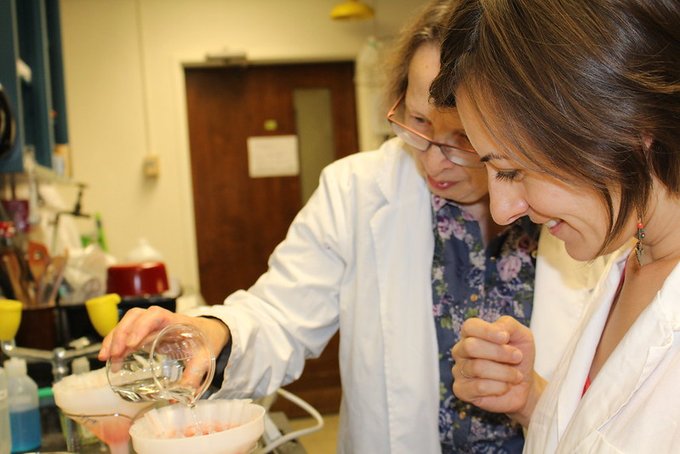
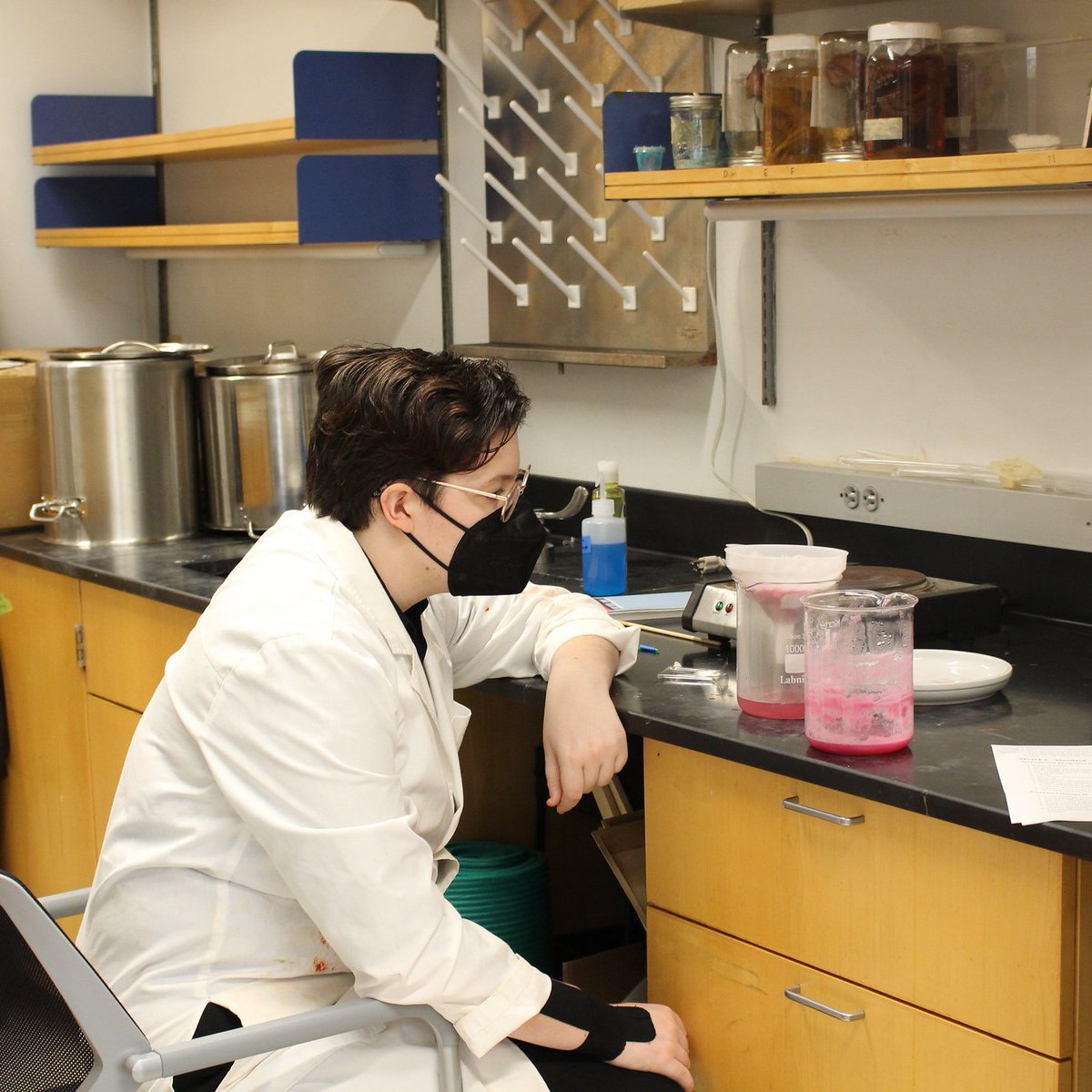
Our students have been in the lab making cochineal lake pigments! Found growing on cactuses in Mexico and South America, the cochineal insect revolutionized pigments and dyes. Trace empire through color and learn how to make pigments at home: https://t.co/KkSo37JSRF
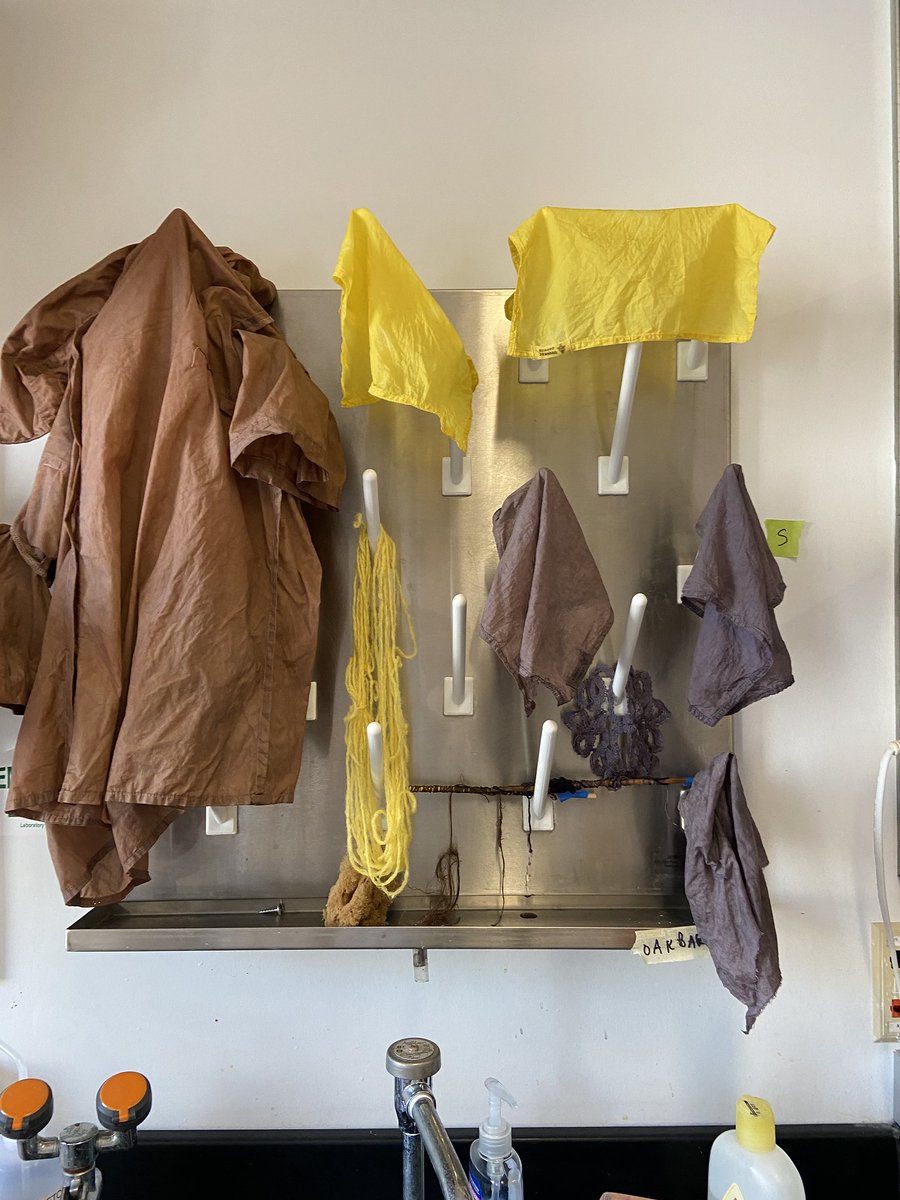
For 10 days, we had the incredible honor of hosting expert textile dyers Bertha Estrada Huipe and Mateo Rodriguez Estrada! They shared the environmental, historical, and tacit knowledge embedded in the Purépecha dyeing tradition with students through hands-on experimentation.
Join us on Oct 4 to learn more about the Purépecha dyeing tradition with Bertha Estrada and Mateo Rodriguez! Students will also showcase their textile results and insights from their hands-on experience alongside these experts. RSVP: https://t.co/5MrySV7dtw
We are thrilled to announce our new minor in Science and Society starting this fall! Undergraduate students will be able to explore the societal implications of science, tech, health, and the environment. Learn more: https://t.co/CFbTpHMv7s