You can now retire in Italy and pay a 7% flat tax on foreign income in qualifying southern towns with up to 30,000 inhabitants, not just 20,000.
This has been valid since April 2026. Much bigger change than it sounds. Actually massive.
The new threshold opens 70+ additional towns that were previously excluded. Not tiny villages with no services, but proper small cities with hospitals, restaurants, train stations, beaches, and real year-round life.
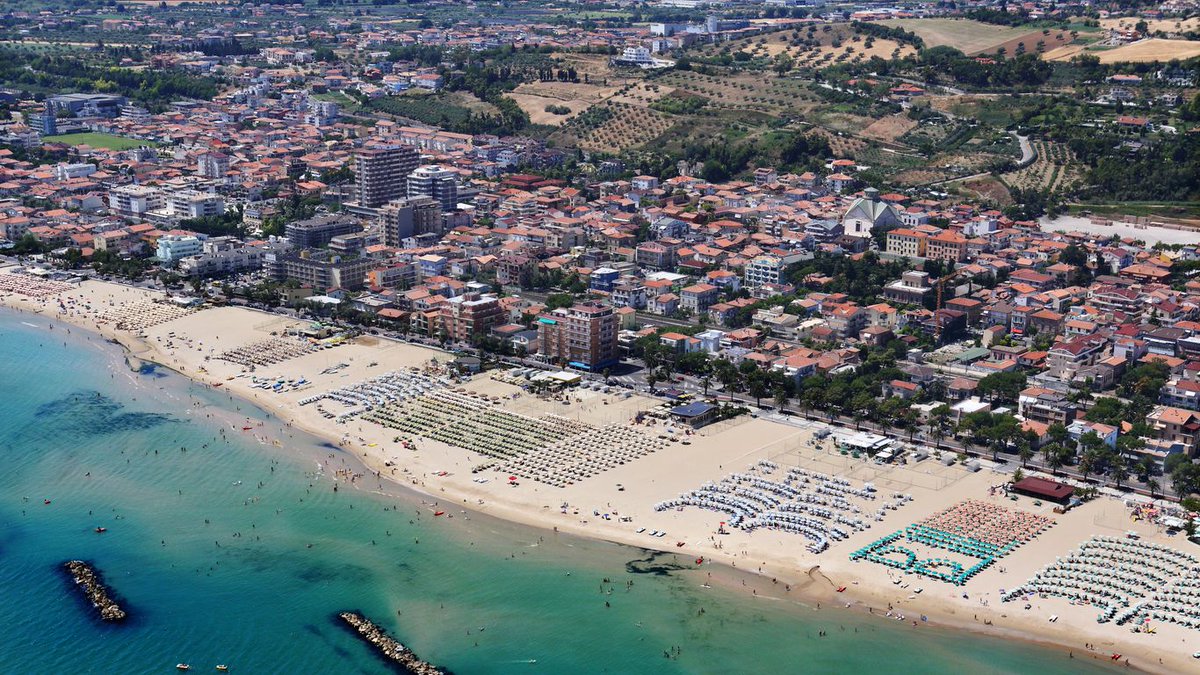
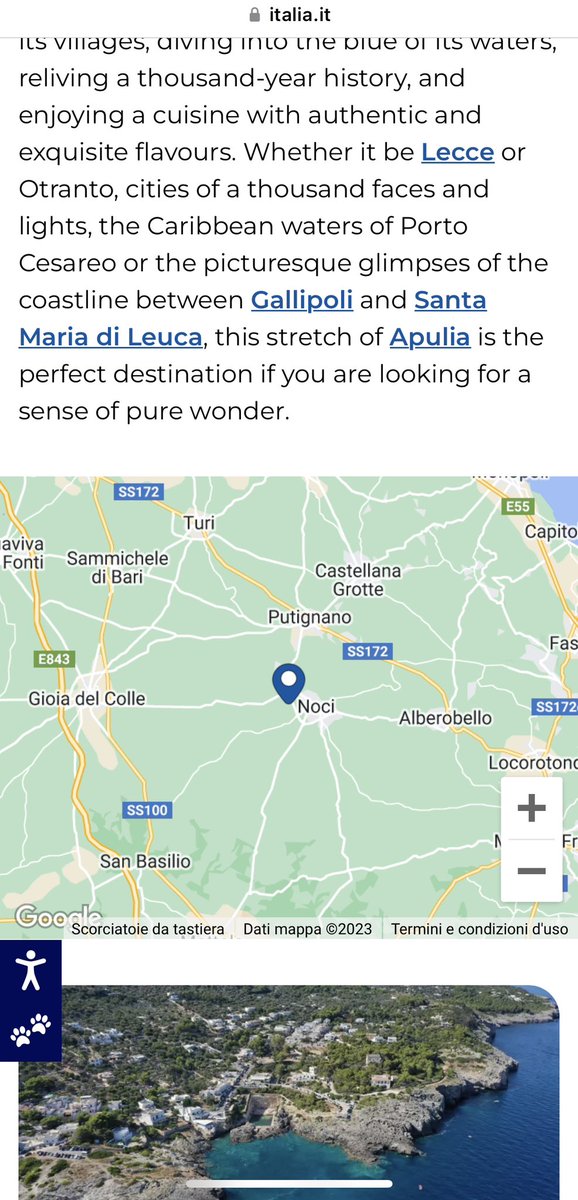
I made a deep dive. Puglia is the obvious winner. Ostuni alone makes the reform worth attention. Add places like Conversano, Galatina, Manduria, Mesagne, and Putignano, and suddenly the regime becomes much more attractive for people who want beauty without giving up practicality.
But personally, I would look very seriously at Abruzzo. Roseto degli Abruzzi. Giulianova. Sulmona. These are not "buy a €1 house and disappear" places. These are towns where I could genuinely imagine my retired parents living well: sea, mountains, good food, human scale, and lower cost of life than the obvious Italian hotspots.
Sardinia also becomes more interesting. Cagliari is already one of Italy's most underrated cities, and now nearby towns like Sestu, Assemini, Capoterra, and Selargius give retirees a way to live close to the city while still qualifying for the regime.
Worth paying attention to. We'll be discussing these and more next week in our webinar with our migration lawyer and will be open to your questions.
How to relocate to Italy in 2026.
Italy absorbed 3,600+ millionaires in 2025 alone. Three tax regimes are driving this:
- The 7% retiree flat tax in Southern towns under 20K people
- The 50% Impatriati exemption for professionals (actual effective rates as low as 9.4%)
- The €300K UHNW flat tax on foreign income
The UK non-dom regime is dead. Portugal's NHR closed. Spain's Beckham Law is operative, but under scrutiny.
Italy has become a top option and the numbers prove it. But without the right information, it can turn into a nightmare.
Most people know the regimes exist. Almost nobody understands how they actually work or which one fits their situation.
The 7% regime only works if you're receiving pension income and willing to live in specific Southern regions. The Impatriati requires you haven't been tax resident in Italy for at least 5 of the last 10 years and social security still applies. The €300K flat tax works best when you're protecting millions in foreign income while earning Italian-source income in lower brackets.
Pick the wrong one and you're overpaying by six figures annually. Or worse, you relocate and realize you don't qualify at all.
We're hosting a 2-hour webinar on May 5th breaking down all three regimes, the €250K Investor Visa pathway, where to actually live based on your profile, and honest pros and cons.
With our Italian immigration lawyer. Full Q&A at the end.
If you're interested register below – recording will be sent to registrants if you can't make it live.
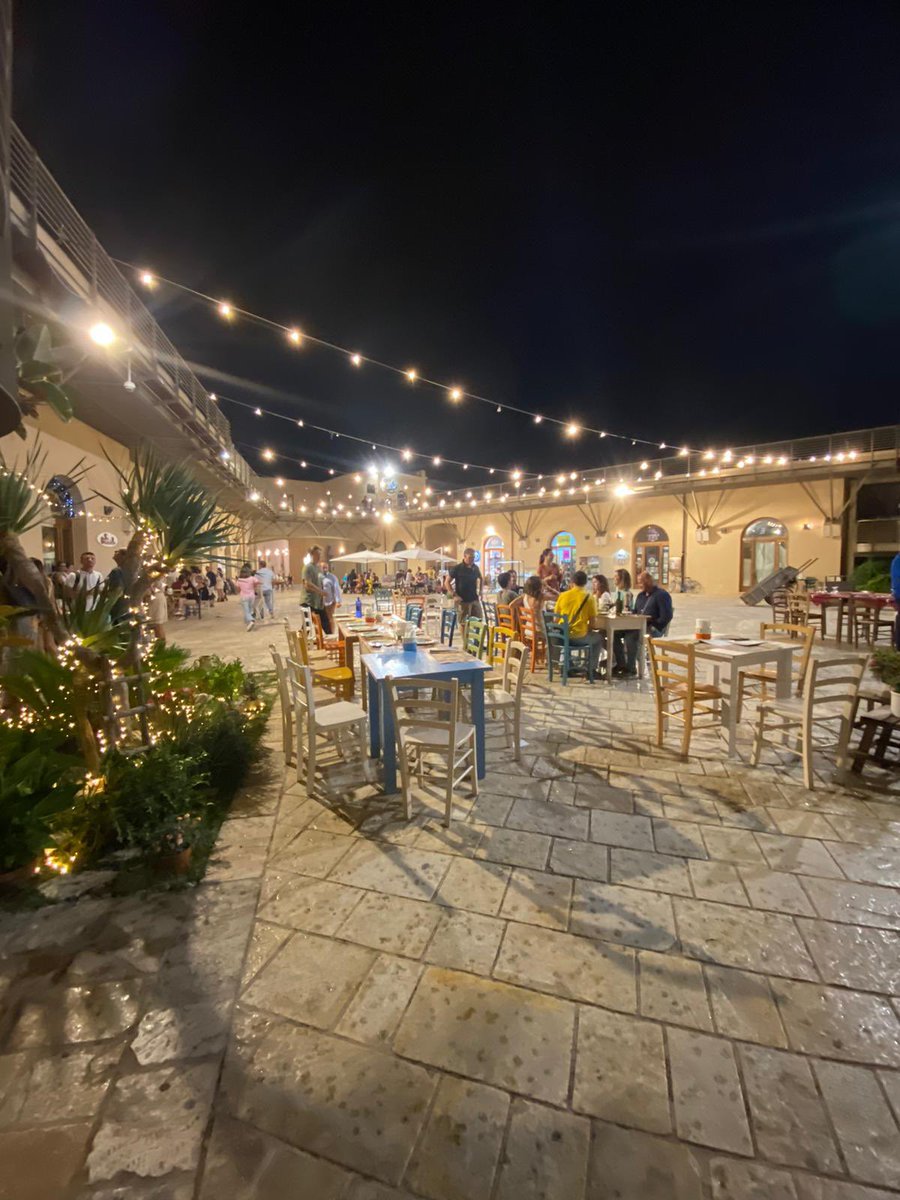
Sugo di polpette e brasciole, camino e un calice di vino rosso: cosa manca per rendere questa Domenica perfetta? Ditecelo voi 😊
#WeAreinPuglia#VieniamangiareinPuglia
📸 @gianfranco70life
They're doing a Pride in my hometown in Puglia. The vast majority of town is happy, except for a guy who wrote a letter to the local paper saying that on that day, Satan in person will walk our ancient alleys. Now, that's what I call building hype.