And yes, August came, and somehow, my days were like pages flipping right before my face. Then September.
See? July wasn't too far back in the past. Looking at a portrait from a certain distance puts life in a different perspective.
I was in Baguio in July, on the 21st, for a presscon. Eight days later, I was in HistoEx at SM MOA. On the last day of July, I flew to Cebu for an engagement with RAFI. I chose to fly back to Manila right after the event. Landed in NAIA on the first day of August.
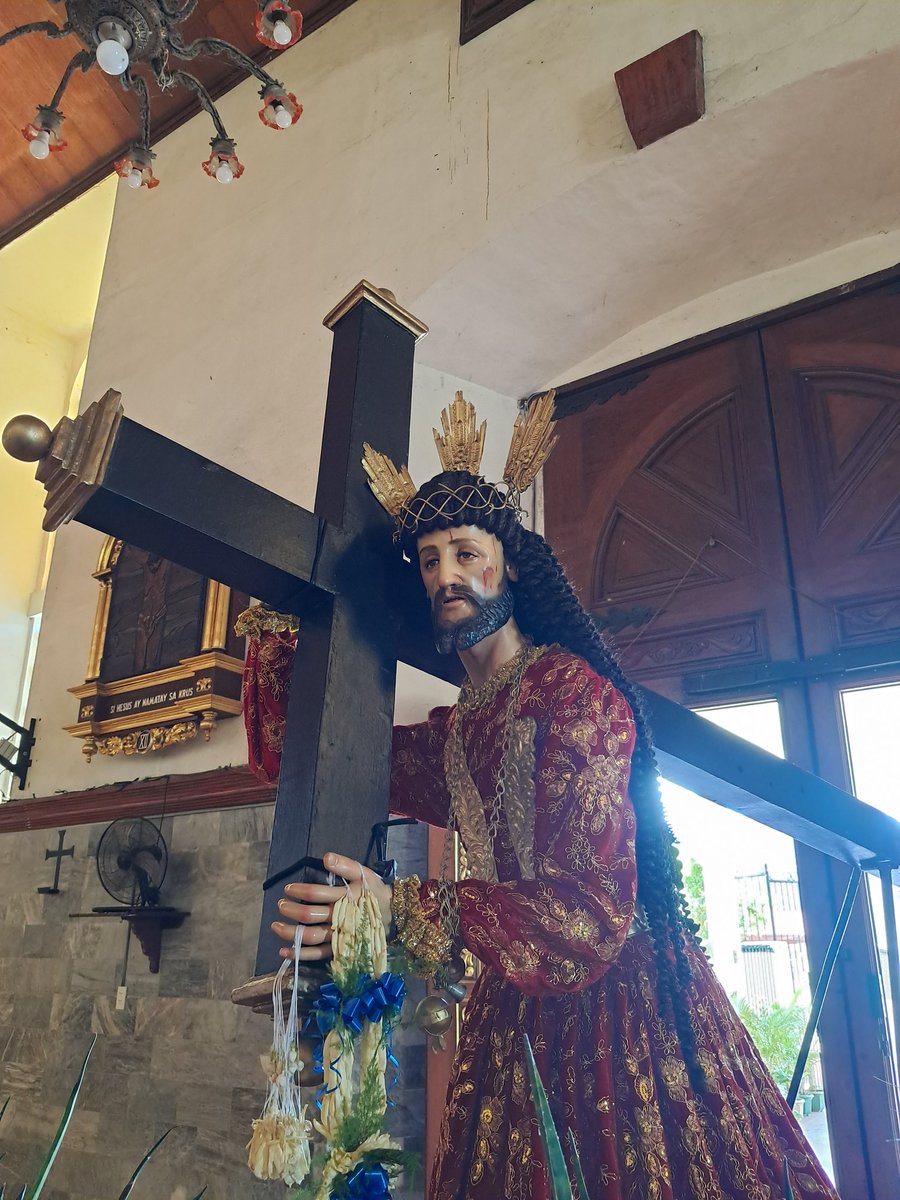
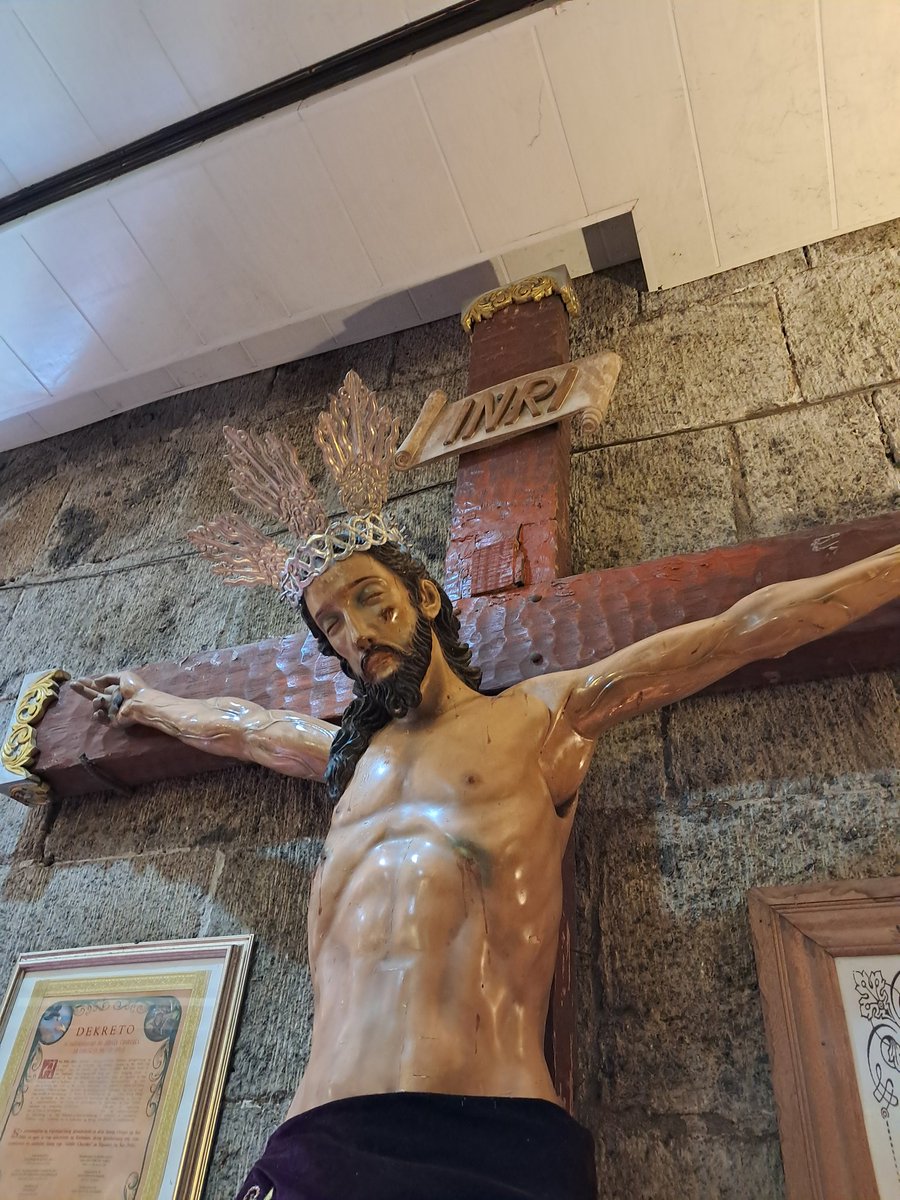
Christ has found a resting place among us, not a borrowed tomb. His sepulcher is in Paco, in Santa Ana de Sapa, in Taytay, in Angono, in Landayan, in Lumban, in Longos, in Pakil, in Paete, in Lucban.
A DEVOTION CLOSE TO HOME
Unknown to many, the church of San Fernando de Dilao in Paco, Manila, houses the Señor Santo Sepulcro, another image of Christ in His sacred burial.
The Franciscans, until today, are the custodians of the churches in the Holy Land, especially the Holy Sepulcher. From Jerusalem, the friars brought the Holy Sepulcher here in the Tagalog Region.
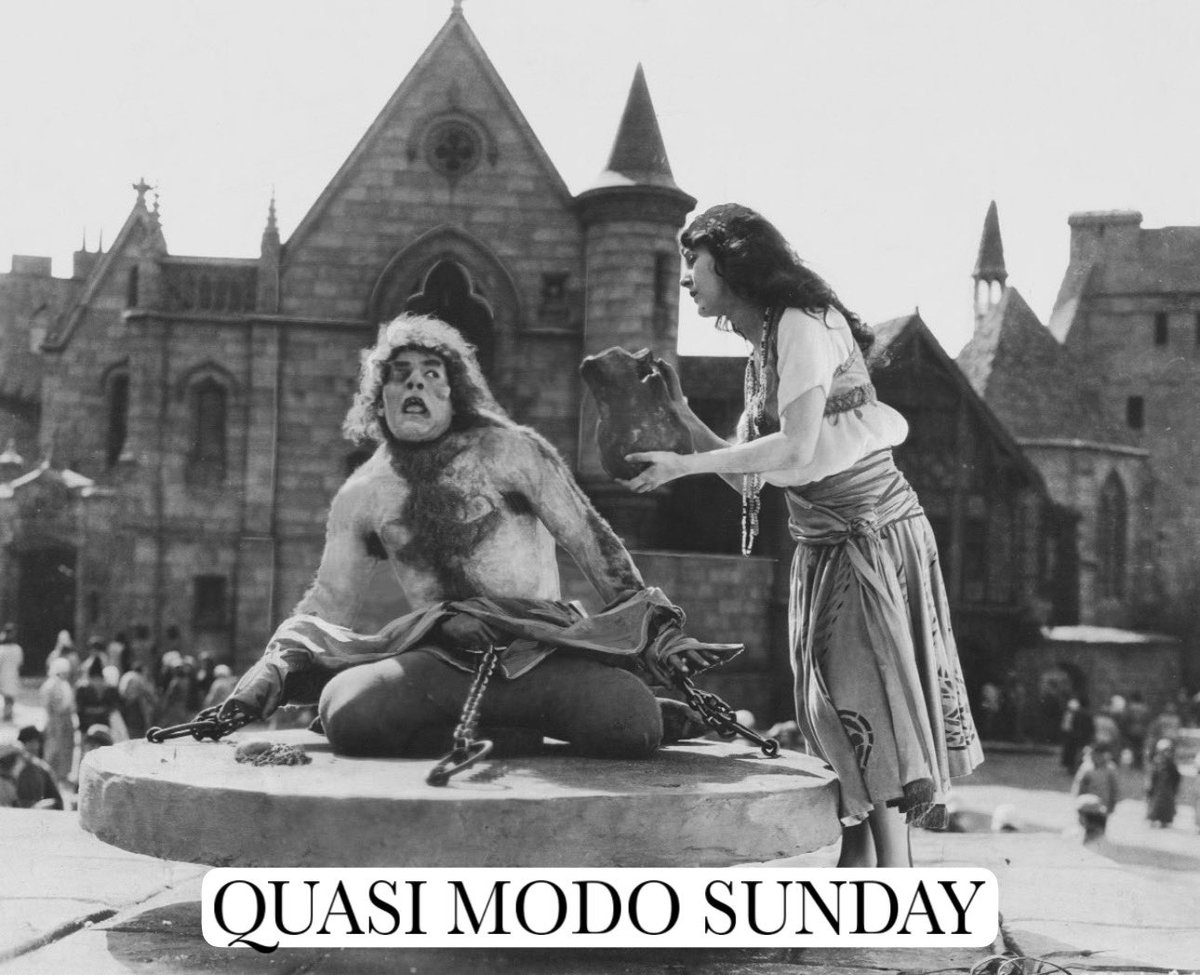
The first words of the Mass for this Low Sunday are: “Quasi modo”. If that sounds familiar, it may be because it is the name of the Hunchback of Notre-Dame, the main character in the novel ‘Notre-Dame de Paris’.
Why did Victor Hugo name the world’s most famous hunchback “Quasimodo”? Because he would have been found on the Sunday after Easter Sunday, whose Introit begins with: “Quasi modo geniti infantes…” (“As newborn babies…” ), a passage from the First Letter of Saint Peter. It is a reference to the neophytes, the newly baptized during the Easter Vigil.
This Sunday is also called “in Albis”. This is because the people baptized during the Easter Vigil, as a sign of the purity of their souls now forgiven of original sin and personal sins, wore a white tunic throughout the entire Easter week.
The “Quasi modo” Sunday was the first day without this white tunic, which is why it was said: “Dominica in Albis Depositis” (Sunday when the white garment is removed).
As with all other crucified images in the larger Tagalog region, it has moving joints. But, like the Santo Cristo of Pakil, the joints are not covered with leather or cowhide. Instead, they are exposed, and the shoulders move through hidden pegs.
¡Señor, misericordia, Señor!
There is a similar structure in the Turumba Shrine of Pakil. This one, shown in the photo, is found in the Santiago Apostol Church of Paete. I have seen another in Santa Ana in Manila. All of them, Franciscan churches with an attached convent.
@lunarkalat thought this structure was a pulpit, and what a weird pulpit it was. It is accessible only through the convent, so, imagine, in order to deliver his sermon, the priest had to go out of the church, enter the convent, and access the pulpit from there.
Notice that the lower half of that mini-balcony is made of wooden screen. Franciscans who were too weak to stand or straighten up could still see the altar and the sanctuary through the wooden screen. The wooden screen would give them privacy, too.