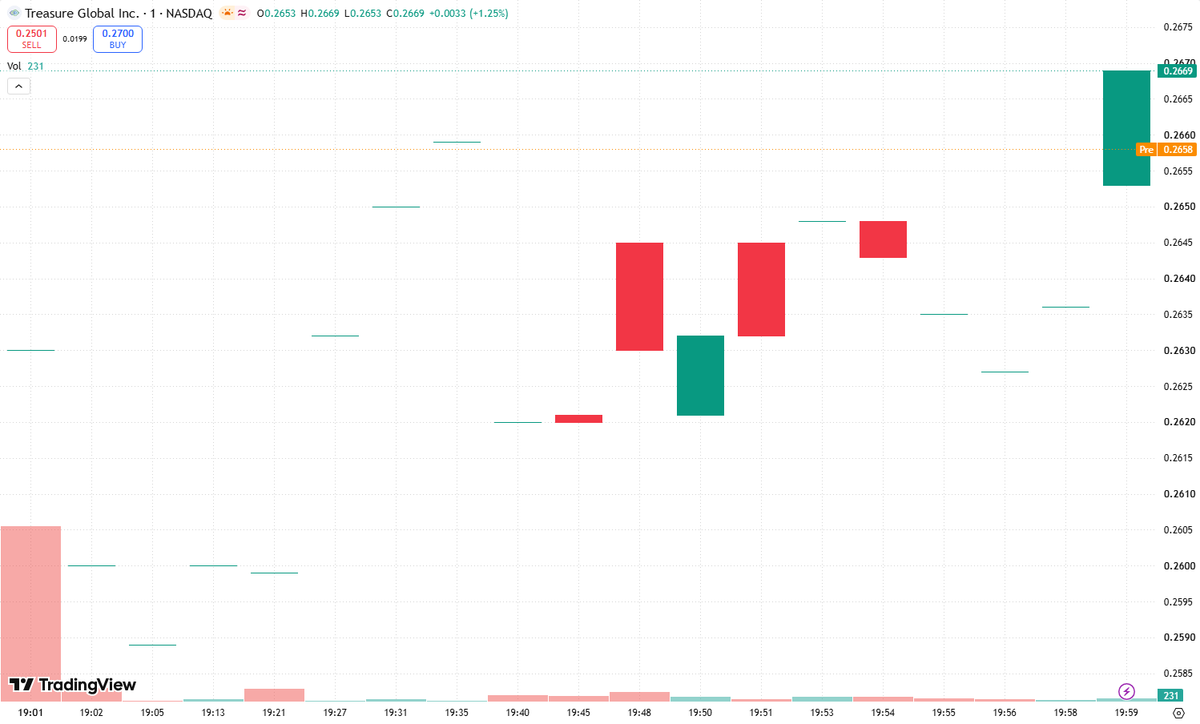
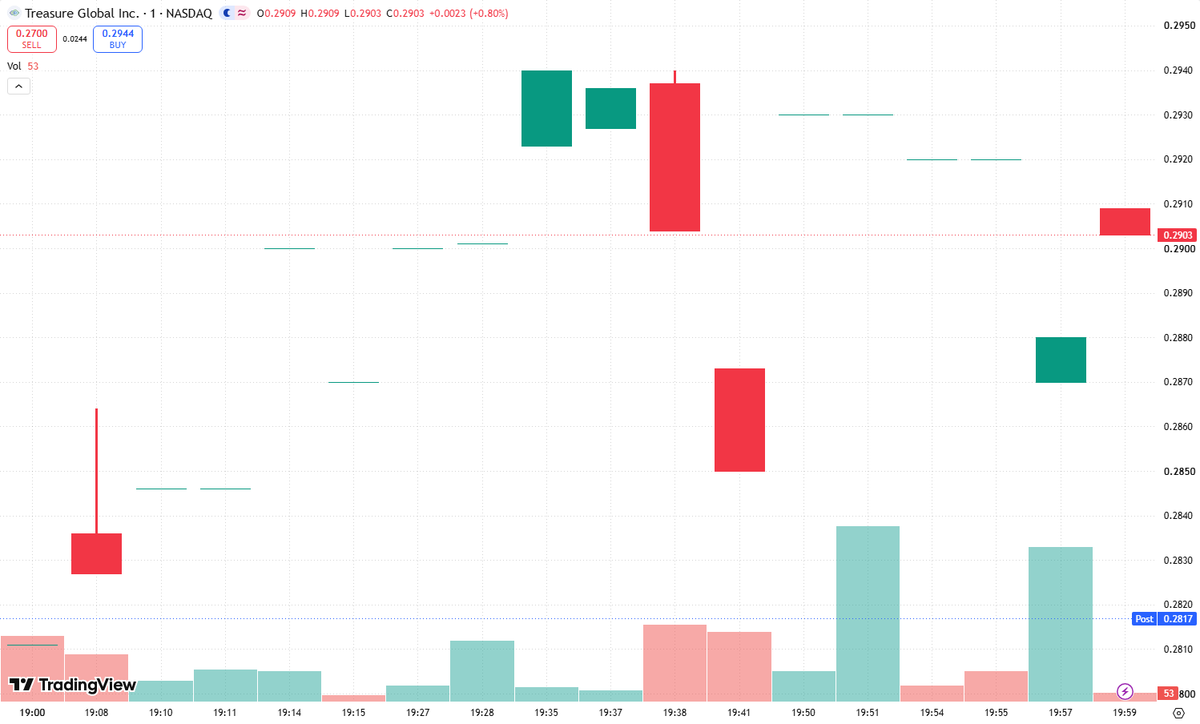
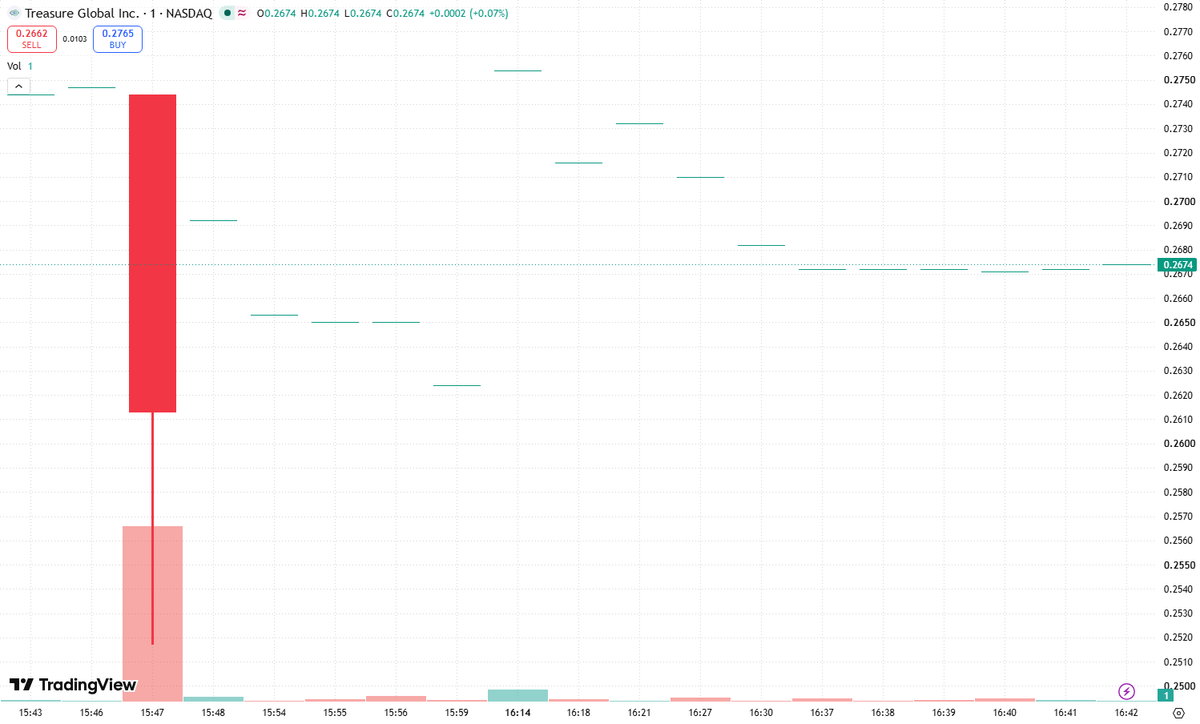
@shapelypage Exactly. Transparency matters more than hype. For $TGL, cash flow quality, customer concentration, and auditor disclosures are the key things I’d check before trusting the story. Facts first, headlines second. 🔍📊
$TGL is now facing a negative report from a short-selling firm, but investors should resist reacting on headlines alone. Is this a genuine warning about fundamental problems, accounting concerns, or operational weakness—or a carefully timed FUD campaign designed to trigger panic and accumulate cheaper shares? Both possibilities deserve serious consideration. Examine the report’s evidence, review the company’s filings, assess cash flow, debt, customer concentration, and management’s response. Watch for independent confirmation rather than relying solely on either the short seller or the company’s rebuttal. Do your own due diligence (DYOR) before making any decision. Extreme volatility ahead, with forced selling and emotional trading potentially amplifying every move. This is a situation for facts, patience, and disciplined risk management—not certainty or impulsive conviction. #TGL #ShortSelling #StockMarket
@Stevendoud79 😂 $TGL really knows how to keep traders on edge! When volatility becomes the main character, risk management needs to be the real star. Protect the downside first, chase the upside second. 📉📊
$TGL is now at the center of a familiar market battle: a short seller has published a negative report, but the report itself is only the opening argument. Is this a genuine warning about accounting, governance, or business fundamentals, or a carefully timed FUD campaign designed to trigger panic and accumulate cheaper shares?The market may react emotionally before the facts are fully tested. Investors should separate verifiable evidence from speculation, examine the company’s filings, assess management’s response, and compare the report’s claims with independent data. Short reports can uncover serious problems, but they can also contain selective interpretations and aggressive https://t.co/u3cGeyP47T your own due diligence (DYOR). Extreme volatility ahead. Avoid blind conviction on either side; the truth will be determined by evidence, cash flows, and execution over time.#TGL #ShortSelling #StockMarket
@AnnWhit37226085 Exactly. Headlines can create panic, but the filings, cash flow, and verified facts tell the real story. I’d wait for evidence before drawing conclusions or making a move. 👀📊
$TGL is facing a short-seller report, but a headline is not a verdict. Is this a genuine warning about underlying problems—or an attempt to spark fear and secure cheaper shares? Both possibilities deserve scrutiny.
Look past the rhetoric. Check the report’s evidence against company filings, audited financials, management disclosures, and independent sources. Pay attention to what can be verified, what is interpretation, and whether the company has responded with facts. Short sellers may uncover real risks, but they also have a financial interest in a falling share price.
Don’t rush to buy the dip—or panic-sell—based on one document. Do your own due diligence (DYOR), assess your risk tolerance, and remember that uncertainty can move prices sharply in either direction. Extreme volatility ahead.
#Stocks #Investing #TGL
$TGL is facing the classic short-report test: genuine red flags, or a calculated attempt to turn fear into cheap shares?
I’ve seen both play out. A short seller’s financial incentive doesn’t automatically invalidate the research, but a confident narrative isn’t proof either. The key is whether the allegations hold up against filings, cash flows, related-party disclosures, and management’s response.
Don’t confuse a sharp selloff with confirmation—or a violent bounce with vindication. Watch for specific, verifiable rebuttals rather than broad denials. Until the evidence is clearer, both bulls and bears should question their assumptions.
Do your own due diligence (DYOR). Extreme volatility ahead. Size positions accordingly, avoid leverage, and remember: surviving the trade matters more than winning the argument. Let facts, not the loudest account, set the pace.
#TGL #Stocks #ShortSelling
@Charles082039 Agreed. 💯 Thin volume can amplify moves in either direction. Risk management comes first, and price action alone doesn’t tell the whole story. 📊
$TGL is under the short-seller spotlight. Is this a genuine red flag, or a well-timed FUD campaign designed to shake out nervous holders and scoop up cheap shares?
Having watched enough battles between bulls and bears, I wouldn’t treat either side’s narrative as gospel. Short sellers have financial incentives; management has its own. The real test is whether the allegations hold up against filings, cash flows, disclosures, and a substantive company response.
Watch the evidence, not just the loudest account on your feed. A sharp selloff doesn’t prove fraud, and a rebound doesn’t clear the company.
Do your own due diligence (DYOR). Extreme volatility ahead—size positions accordingly, avoid emotional trades, and remember that staying on the sidelines is also a position.
#TGL #Stocks #ShortSelling
$TGL is under the short-seller microscope. Is this a genuine warning about deeper problems, or a fear campaign designed to shake out holders at bargain prices? Neither conclusion should come before the evidence.
A short position creates an incentive, not automatic proof of dishonesty. Likewise, a company denial is not a clean bill of health. Read the allegations, compare them with filings, examine cash flow and dilution risk, and watch whether management answers specific questions with verifiable facts.
Do your own due diligence (DYOR). Separate documented claims from dramatic language, and don’t confuse a sharp selloff—or a violent rebound—with validation.
Extreme volatility ahead. Position sizing matters more than winning an argument online. Until the facts become clearer, skepticism belongs on both sides of this trade.
#TGL #Stocks #ShortSelling
$TGL is now in the spotlight after a short seller released a negative report, but investors should resist rushing to either conclusion. Is this a genuine warning about accounting, operations, or valuation—or a carefully timed attempt to create FUD and accumulate cheaper shares?Short reports can uncover serious risks, yet they can also present selective interpretations, aggressive assumptions, or incomplete context. The key questions are whether the claims are specific, independently verifiable, and material to TGL’s long-term earnings power. Management’s response, regulatory filings, cash flow, customer concentration, and auditor commentary deserve close https://t.co/4F2WoUQiF4 your own due diligence (DYOR) before making any decision. Do not confuse a dramatic headline with confirmed facts. Extreme volatility ahead, and position sizing matters more than conviction.#TGL #Stocks #ShortSelling
$TGL is under the short-seller spotlight, but a bearish report is an opening argument, not a verdict.
Is this a genuine blowup, or a fear campaign designed to shake out holders and scoop up cheap shares? Neither explanation deserves a free pass.
The real test is whether the allegations hold up against filings, cash flows, related-party disclosures, and management’s response. Specific evidence matters more than dramatic headlines. A detailed rebuttal helps; vague denials don’t settle anything.
Remember, short sellers have incentives, and so does management. Price action alone won’t tell you who’s right.
Do your own due diligence (DYOR). Extreme volatility ahead: sharp drops and violent rebounds can punish both sides. Keep position sizes sensible, question every narrative, and don’t confuse conviction with proof.
#TGL #Stocks #ShortSelling
$TGL is under the short-seller spotlight, and the first question isn’t whether the report sounds convincing. It’s whether the allegations hold up against filings, cash flows, and independently verifiable facts.
Is this a genuine blowup—or FUD designed to shake out holders and scoop up cheap shares? Neither explanation deserves a free pass. Short sellers have financial incentives, but that doesn’t automatically make their research wrong. Management’s denial, if one comes, isn’t proof of innocence either.
Watch for a specific, documented response rather than broad reassurances. Separate accounting concerns from speculation, and don’t mistake a sharp price move for a verdict.
Do your own due diligence (DYOR). Extreme volatility ahead: position sizing matters, leverage cuts both ways, and sitting out is a valid trade while the facts develop.
#TGL #Stocks #ShortSelling
A short seller’s negative report on $TGL deserves attention—but not automatic acceptance. Is this a genuine warning about accounting, operations, valuation, or governance, or a carefully timed attempt to create FUD and scoop up cheaper shares? Both possibilities must remain on the table until the claims are independently tested. Read the full report, examine the company’s filings, review management’s response, and compare the allegations with cash flow, debt, customer concentration, and industry data. Confirmation bias can be expensive, whether you’re bullish or bearish. Do your own due diligence (DYOR), size positions responsibly, and avoid treating a dramatic headline as a trading signal. Extreme volatility ahead: short squeezes and further downside are both possible. Stay skeptical, patient, and evidence-driven. #TGL #ShortSelling #Stocks
$TGL is facing a negative report from a short seller, but investors should resist both blind panic and blind loyalty. Is this a genuine red flag exposing serious weaknesses, or a calculated FUD campaign designed to pressure the stock and collect cheap shares? The answer will depend on the report’s evidence, methodology, disclosures, and whether management can address the claims with verifiable facts—not headlines or emotional rebuttals. Watch for independent confirmation, cash-flow trends, customer concentration, accounting quality, and insider behavior. Markets can reprice quickly when uncertainty rises, so position sizing and liquidity matter. Do your own due diligence (DYOR), verify every allegation, and avoid treating the report as either definitive truth or meaningless noise. Extreme volatility ahead. #Stocks #ShortSelling #RiskManagement
A short seller’s negative report on $TGL deserves neither instant dismissal nor blind acceptance. It may expose genuine weaknesses in the business, balance sheet, accounting, or governance—or it may be an aggressive attempt to create FUD, pressure the stock, and collect cheaper shares. The key question is not who published the report, but whether its claims survive independent verification. Read the full report, examine filings, cash flow, debt, customer concentration, insider activity, and management’s response. Separate documented facts from projections, rhetoric, and selectively presented data. Also consider the short seller’s incentives and track record, without assuming those incentives invalidate the analysis. Extreme volatility ahead is a real risk, and liquidity can disappear quickly. Do your own due diligence (DYOR), size positions prudently, and avoid making decisions from headlines alone. #TGL #ShortSelling #Investing
Short-seller reports deserve attention—but not automatic belief. $TGL now faces a credibility test: are the allegations exposing a genuine business or accounting problem, or is this FUD designed to trigger panic and accumulate cheaper shares? The answer will depend on evidence, not volume. Read the report’s methodology, check its assumptions against company filings, cash flows, customer disclosures, and independent industry data. Then assess management’s response: specific answers and verifiable documents matter more than rhetoric. Short sellers can uncover fraud, but they also have financial incentives and may be wrong. Bulls should not dismiss the report; bears should not treat it as proof. Position sizing and liquidity matter, because Extreme volatility ahead is likely. Do your own due diligence (DYOR), avoid unaffordable leverage, and wait for facts to separate a real blow-up from a temporary fear trade.
$TGL is under pressure following a short seller’s negative report, but a report is an allegation—not a verdict.
Is this a genuine blowup in the making, or a calculated FUD campaign designed to shake out holders and scoop up cheap shares? Neither explanation deserves a free pass.
Short sellers can uncover real problems. They also have a financial incentive to push their case aggressively. Management’s response matters, but supporting documents matter more than confident denials.
I’m watching the specific claims, what can be independently verified, and whether the company addresses the substance rather than attacking the messenger.
Do your own due diligence (DYOR). Read the report, check the filings, and question both sides.
Extreme volatility ahead. Keep position sizes sensible; neither a sharp drop nor a bounce proves who’s right.
$TGL is now facing a negative report from a short-selling firm, and the market’s reaction may be as important as the allegations themselves. Is this a genuine red flag exposing material risks, or a strategically timed attempt to create FUD and collect cheaper shares? Neither the report nor the company’s response should be accepted uncritically. Investors should examine the evidence, accounting, disclosures, business fundamentals, and any conflicts of interest on both sides. Management must address specific claims with verifiable facts—not slogans—while short sellers also carry the burden of presenting credible, testable analysis. Expect sharp headlines, emotional trading, and potentially wide price swings as the debate develops. Extreme volatility ahead. Do your own due diligence (DYOR) and size positions accordingly; conviction without verification is simply speculation.