#1 Si @AEMET_Esp avisa con antelación dónde va a llover intensamente, ¿cómo es posible que no sepamos las zonas en las que va a haber inundaciones en España?
👇Hilo 1/4
@Oscar_Teix Cómo define saber cotidiano? Porque, a mi parecer, si es saber es porque ha venido de una observación empírica y por lo tanto la ciencia ha de ser acorde a esto, y sino no es saber sino superstición cotidiana y es obvio por qué no hay que hacerle caso si contradice a la ciencia
Sorteito del patrocinador @RazerES, un Viper V3 Pro. Lo de siempre ya sabes
- Seguir a @RazerES y RT al tweet
- Residir en España
- Os diría lo de elegir color pero me ha dado por el blanco y estoy pidiendo todos los periféricos de ese color, sorry
Tenéis hasta el viernes 29 mismamente :)
🪸 Los arrecifes de coral laten como sistemas vivos y autoorganizados. En @eldiarioes, Ángeles Durán recoge cómo dos proyectos del IFISC usan modelos matemáticos para entender su crecimiento y guiar su conservación ante la crisis climática.
https://t.co/B2GLBjsm7y
@MuguPiensa Una duda con esto. Una frase así, tras haber hecho una acción deseable, ¿no actuaría como un refuerzo positivo de esa conducta? ¿Qué hace que pueda ser malo?
Exploring the spatial segmentation of housing markets from online listings https://t.co/JLx6uw1F4B. A bio-inspired work understanding part of the real estate market in Spain and France. Great coll #Ramasco, @davidabbu @TiaMazzoli and a great team of geographers and economists.
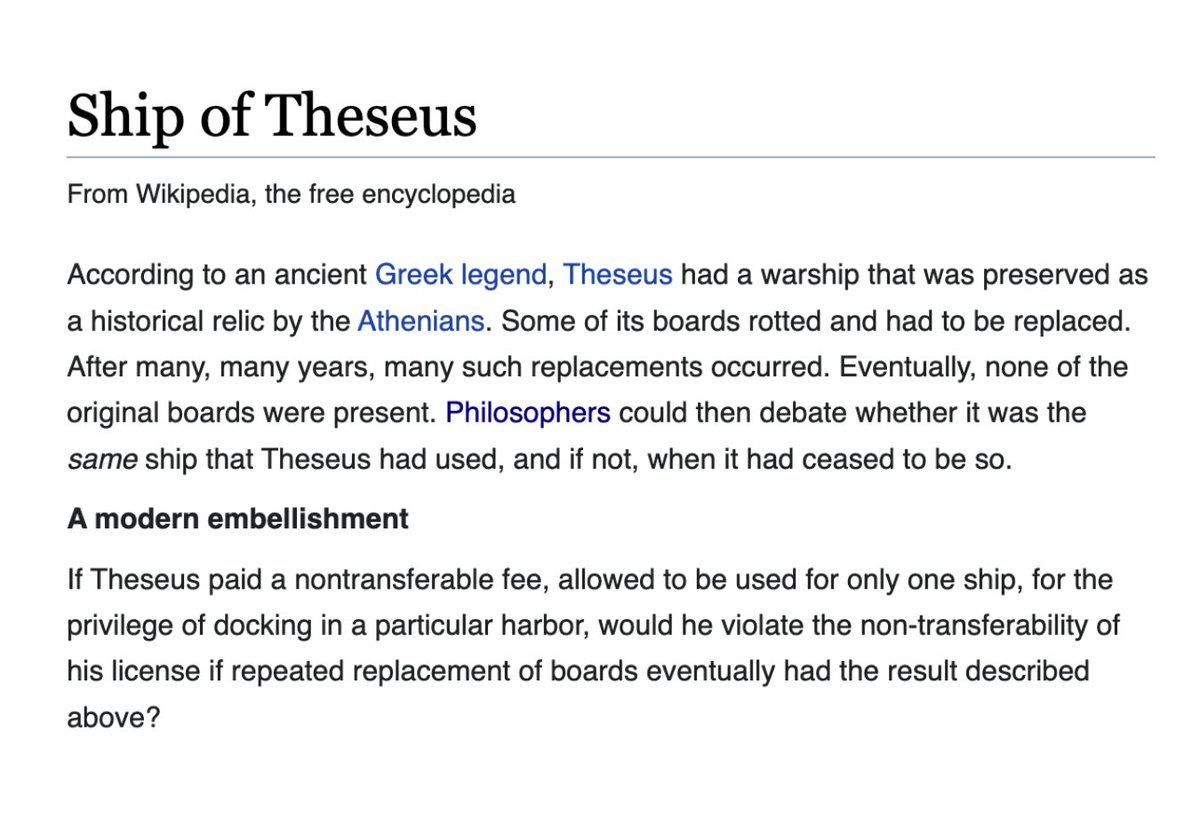
The "Ship of Theseus" article has been edited 1792 times since it was created in July of 2003. At present, 0% of the phrases in the original article (seen below) remain.
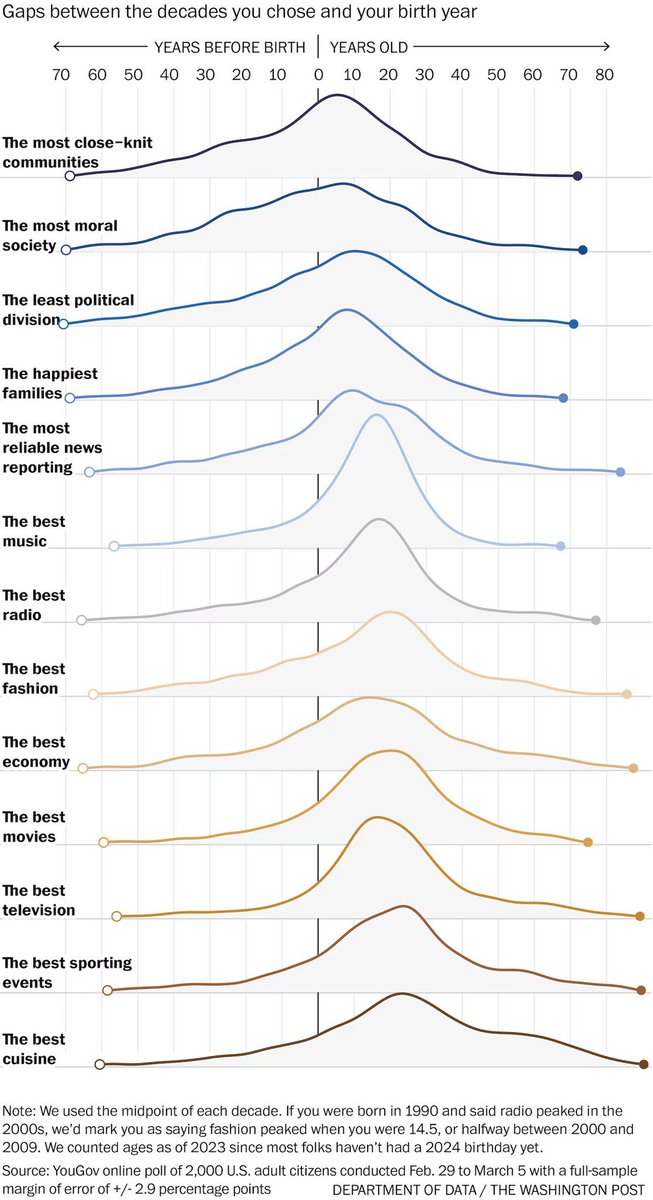
By an enormous coincidence, every aspect of culture peaked when you were a teenager: music, movies, fashion, you name it. And the amazing thing is that this applies no matter how old you are! https://t.co/2iRScuGojW
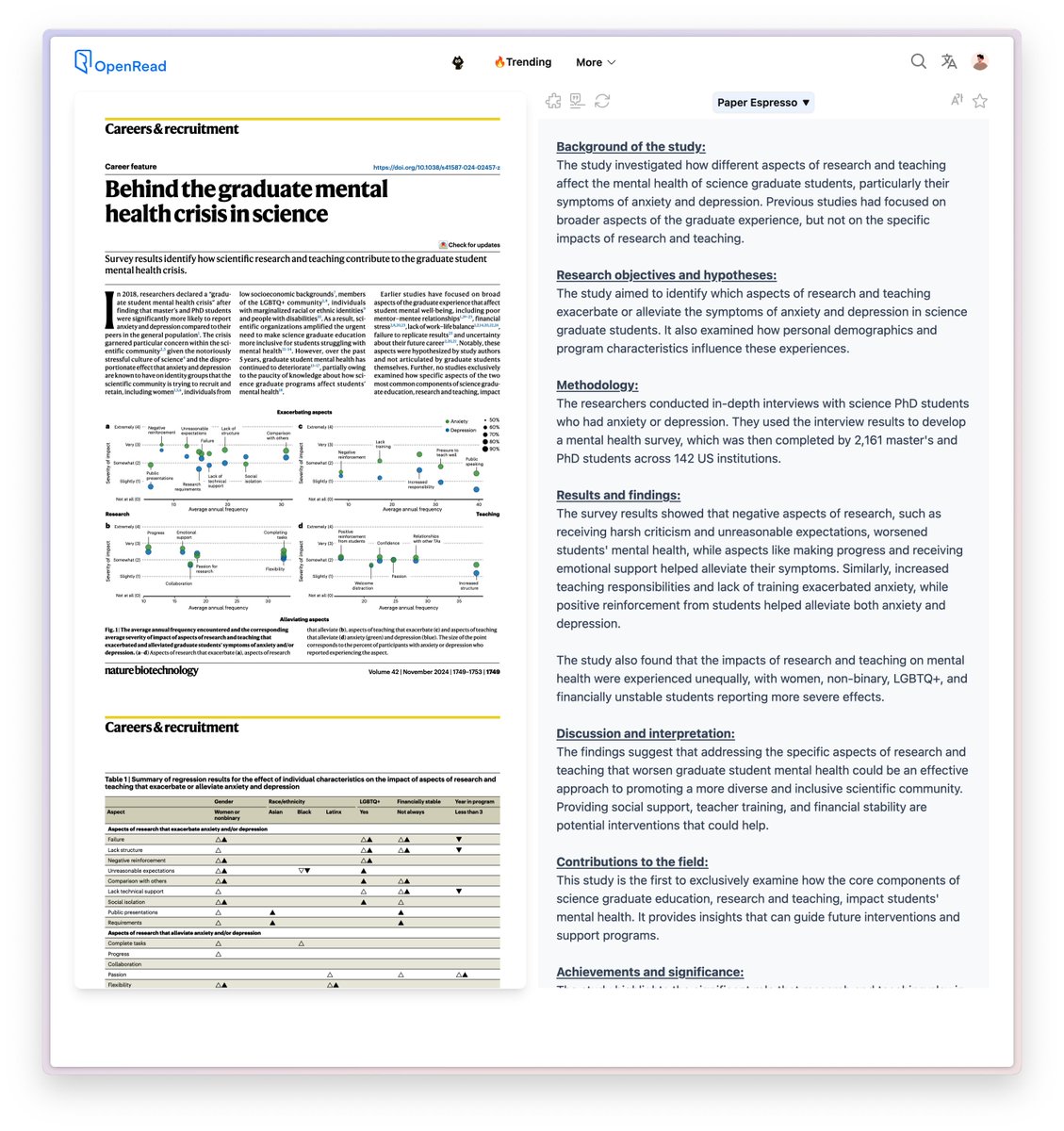
The study investigated how different aspects of research and teaching affect the mental health of science graduate students, particularly their symptoms of anxiety and depression. Previous studies had focused on broader aspects of the graduate experience, but not on the specific impacts of research and teaching.
The survey results showed that negative aspects of research, such as receiving harsh criticism and unreasonable expectations, worsened students' mental health, while aspects like making progress and receiving emotional support helped alleviate their symptoms. Similarly, increased teaching responsibilities and lack of training exacerbated anxiety, while positive reinforcement from students helped alleviate both anxiety and depression.
The study also found that the impacts of research and teaching on mental health were experienced unequally, with women, non-binary, LGBTQ+, and financially unstable students reporting more severe effects.
full paper: https://t.co/c51gMCgUQY