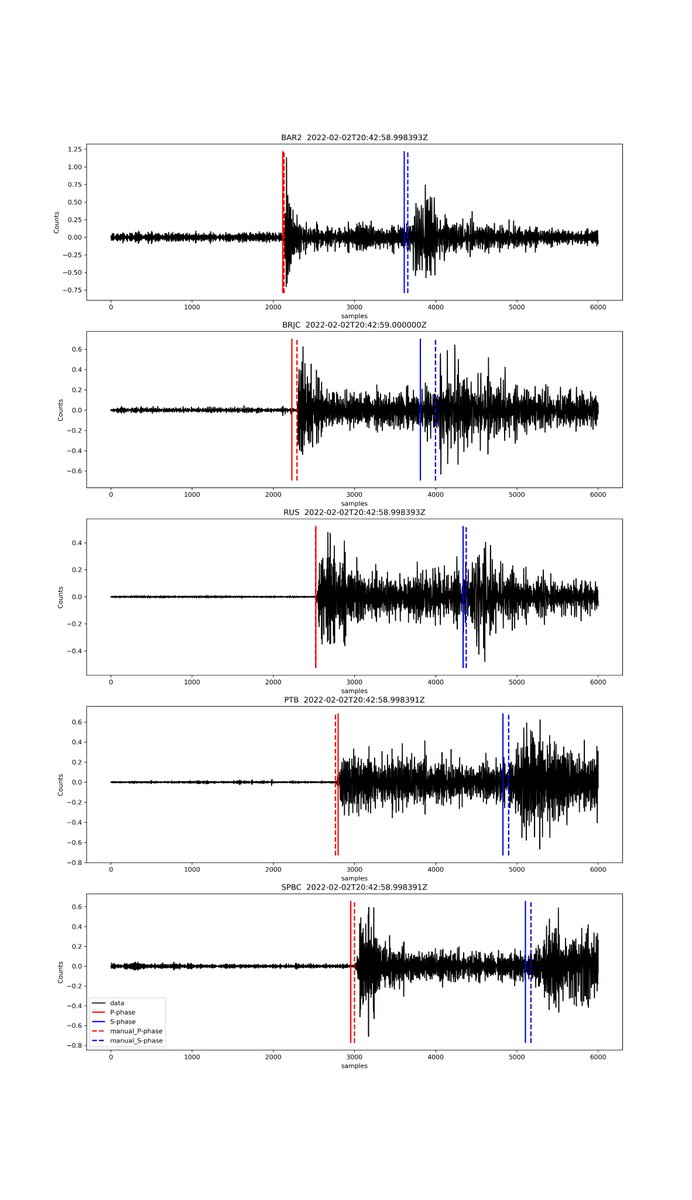
Hey! I want to share with you an easy way to calculate P and S synthetic seismic travel times based on 1D velocity model. It's based on PyKonal.
https://t.co/0yMSsalaRA
🌎¿Puede la actividad humana inducir sismos?
En este webinar hablaremos sobre cómo el monitoreo sismológico permite observar la respuesta del subsuelo durante operaciones energéticas.
🗓️Viernes, 20 de Marzo
🕚11.00 Am 🇨🇴 (UTC-5)
Link:
https://t.co/LHyrvbNqPu
🎆 SSA HONORS:🎆 Congratulations to Weiqiang Zhu, our 2025 Charles F. Richter Early Career Award recipient! His deep-learning models for #earthquake monitoring have been called "nothing short of groundbreaking." Read more here: https://t.co/YWKWA4Ctbh @Caltechseismo
En el boletín semanal del volcán Nevado del Ruiz, que pueden leer acá: https://t.co/GUIRiC52sq, les contamos que ayer, 24 de junio, el volcán presentó un incremento significativo en la actividad sísmica relacionada con el domo de lava ubicado en el fondo del cráter Arenas 🌋, siendo uno de los episodios de mayor duración y con mayor número de eventos desde el 2015, año en el que se detectó por primera vez este tipo de sismicidad. 🗣️ John Makario Londoño, director técnico de Geoamenazas del Servicio Geológico Colombiano, nos cuenta más detalles.
✨ I'm recruiting a postdoc! ✨Projects will focus on the critical zone and near-surface geophysics! The job ad is here: https://t.co/tF4wPUqfsd Please let anyone who may be interested know!
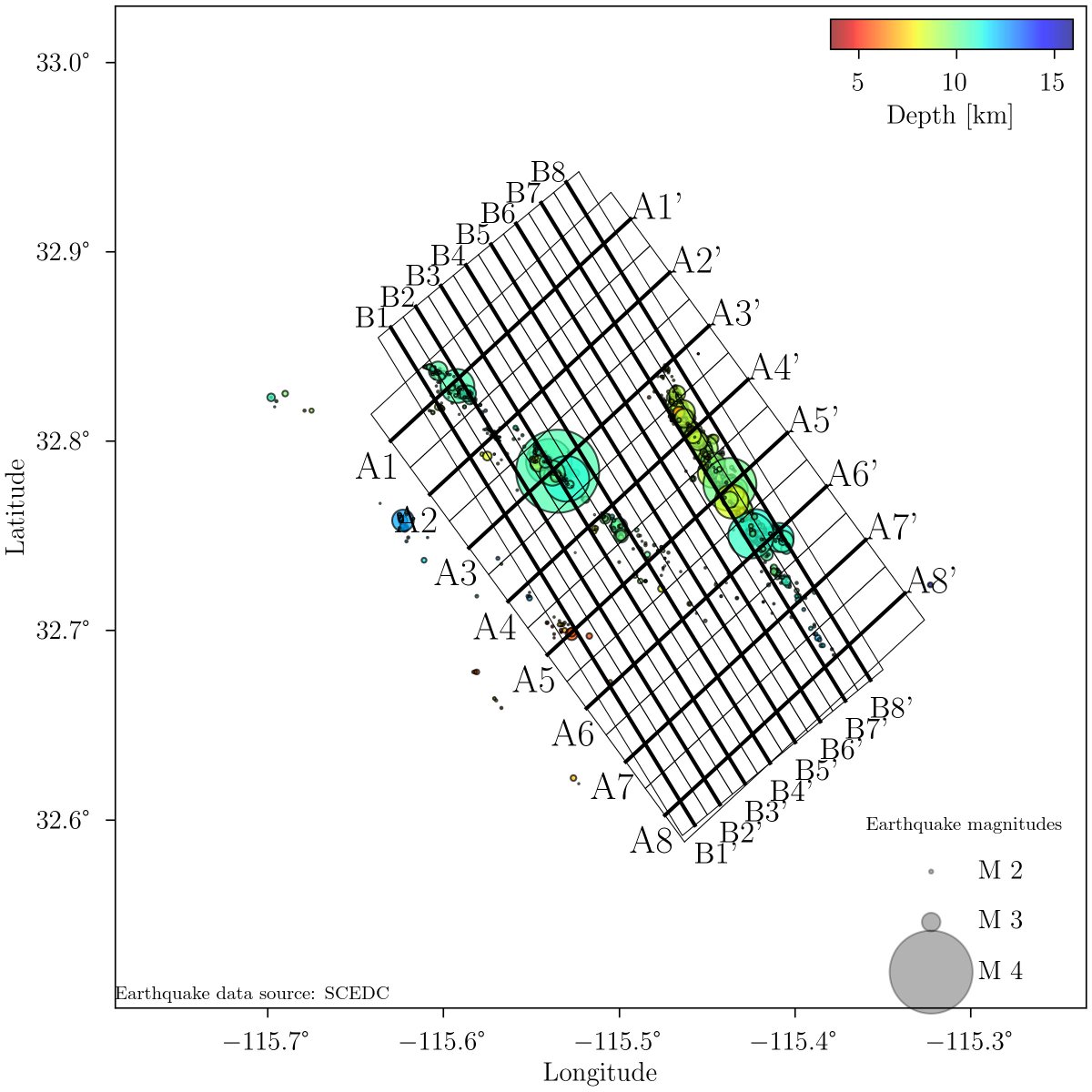
Making cross-section plots can seem a bit complicated. In this GitHub repository, you'll find a Jupyter Notebook where I explain step by step an easy way to create them. You can use the functions provided here for your future projects. This serves as an alternative to Pygmt (1/4)
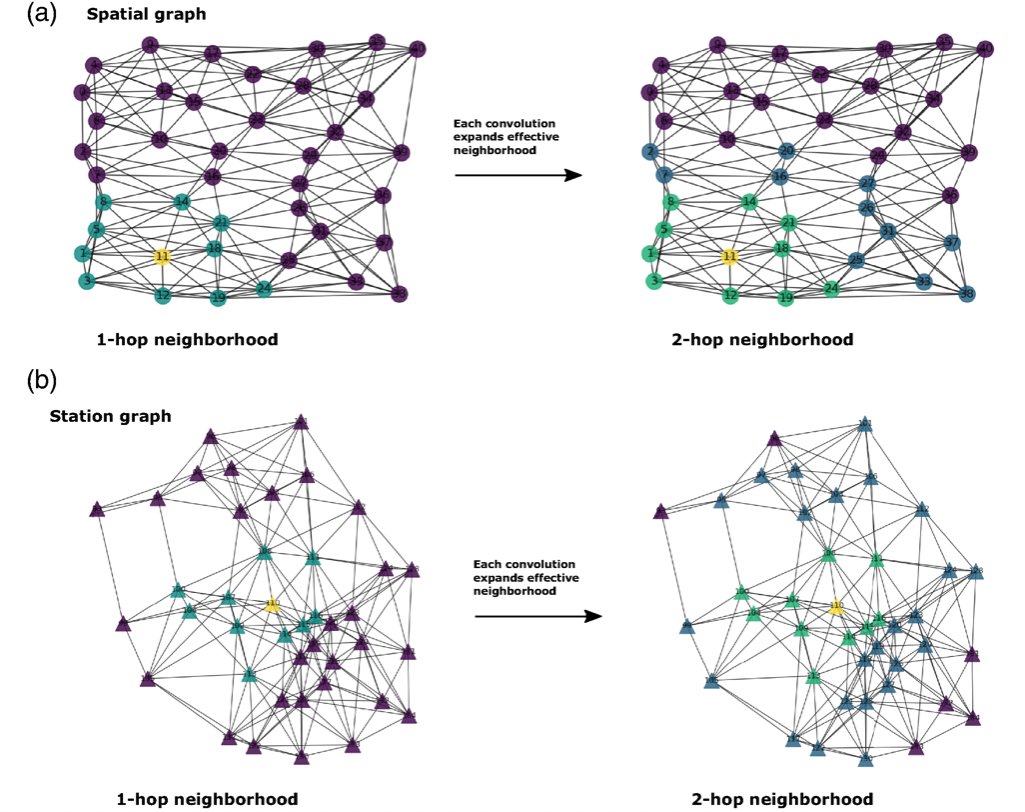
Earthquake Phase Association with Graph Neural Networks #BSSA
A GENIE, or Graph Earthquake Neural Interpretation Engine, for dealing with complex seismic monitoring? Yes! This #NeuralNetwork is trained on synthetic data to detect quakes.
For more:
https://t.co/SihvdQXWH5
Hey there! I introduce you EQViewer: https://t.co/YaquGgxWYQ . It is based on PyGMT. It is designed to visualize seismicity through high-resolution maps and profiles. Enjoy it! #seismology#earthquakes#PyGMT
#PhDposition(s) 👨🎓👩🎓 in Geophysics at @anuearthscience of @ourANU -pls. contact me for expressions of interest by 09/12/22. Exciting research in global/planetary/Antarctic/blue earth observational seismology + computational geophysics flavor. @AGUSeismology@SEDI_AGU@EGU_Seismo
🔊Want to get started with PyTorch but not sure where to begin? Follow along for #TutorialTuesdays — every Tuesday through the end of 2022 we’ll share resources to empower your learning journey, accelerating in level from beginner Quickstart to Advanced.
Our latest work on the earliest gravity signals produced by earthquakes, analyzed with a deep learning algorithm to track earthquake growth instantaneously and speed up tsunami warning. Published in @Nature with @BleteryQ @bertrandrl https://t.co/p7QL18zMM2