ManyDogs is a consortium of researchers dedicated to collaboration and open science practices in the field of Canine Science through multi-lab studies 🐶
There's still time to register for our upcoming town hall introducing ManyDogs 2 on Wednesday, November 29th! Even if you can't attend live, registering through this link ensures that you'll be sent the recording after the event: https://t.co/QPEjafDWKl
Big things happening over at @ManyDogsProject!
Join us for a virtual Town Hall introducing
ManyDogs2: Overimitation in Dogs
on Wed, Nov 29 - 7a PT / 10a ET / 3p CET
Everybody is invited to ask questions and learn how to get involved!
Register to attend: https://t.co/QPEjafDWKl
Big things happening over at @ManyDogsProject!
Join us for a virtual Town Hall introducing
ManyDogs2: Overimitation in Dogs
on Wed, Nov 29 - 7a PT / 10a ET / 3p CET
Everybody is invited to ask questions and learn how to get involved!
Register to attend: https://t.co/QPEjafDWKl
📷 Big Team Science Conference 2023--register here: https://t.co/Y9kNMz6lPN
Join virtually Oct 23-25 for an exciting line up of Big Team Science research spanning lots of disciplines and geographic regions! To make it as accessible as possible, registration fees are optional.
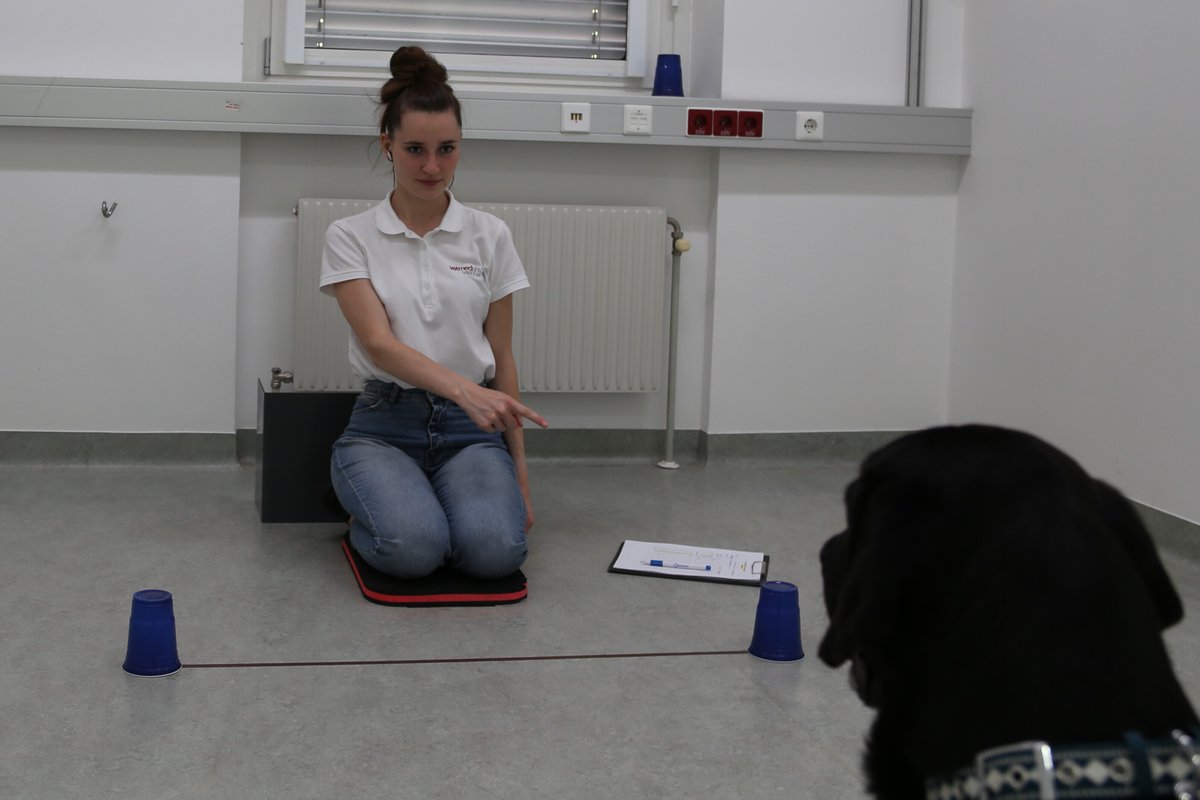
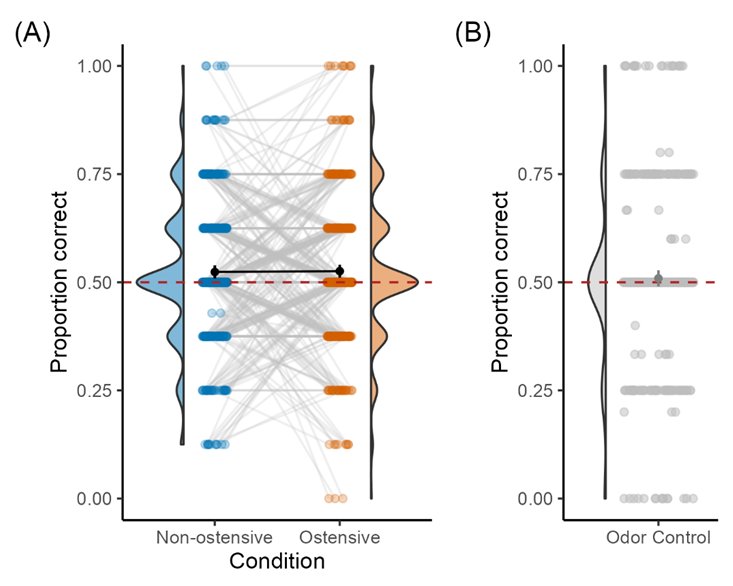
Overall, dogs followed the pointing cues we gave them, but only slightly more than 50% of the time, and there was no difference in responses to the two pointing conditions. This contradicts other studies and suggests that dogs' point following has its limits (4/4)
Our first project on dogs' responses to pointing cues has just been published in Animal Behavior and Cognition! Check out our results, you might be surprised by what we found... https://t.co/ruCF9l3HC1 (1/4)
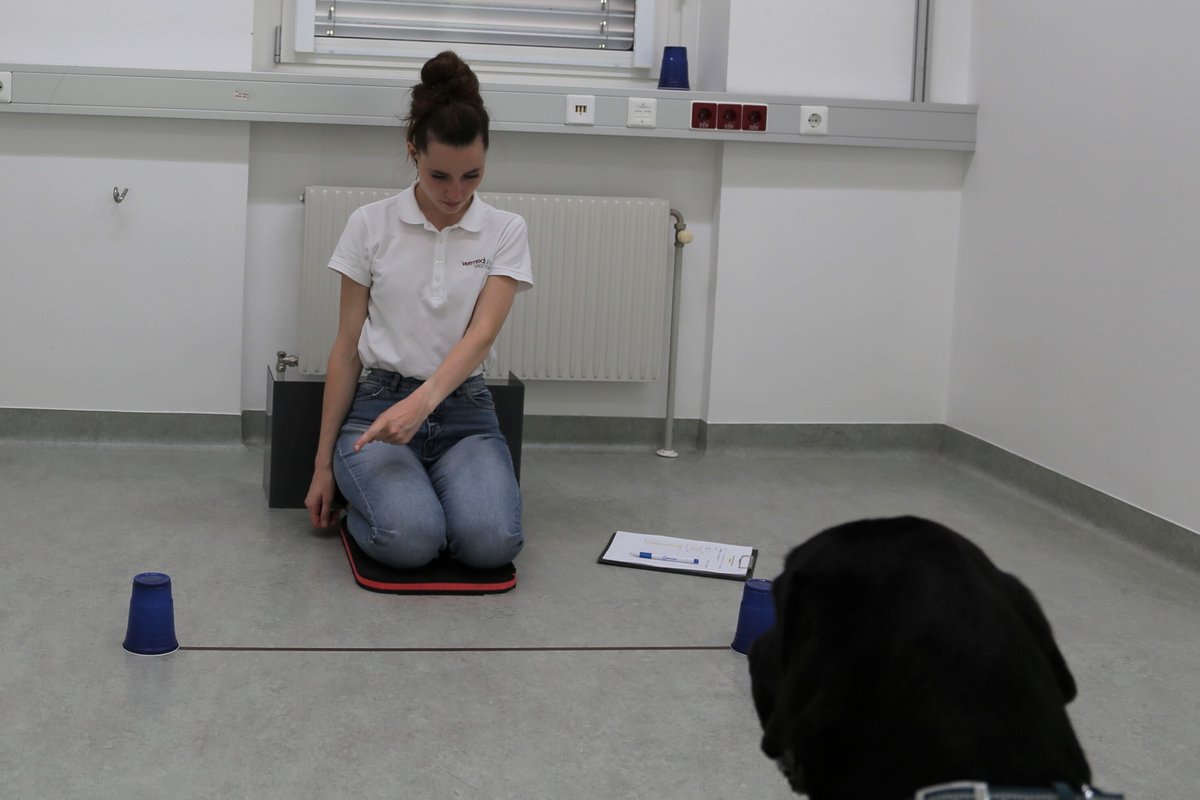
455 #dogs were tested on 2 different types of pointing cues: 1) Ostensive pointing (incl. eye contact and dog-directed speech) and 2) Non-ostensive (no eye contact or dog-directed speech) (3/4)
We hope you've enjoyed meeting some of the incredible researchers that are part of the @ManyDogsProject team! We also hope that you've been inspired to join us... 🚨We're accepting proposals for ManyDogs 2 until Monday 7/31 and want to hear from you!🚨 https://t.co/u9V79EIKs1
Finally getting to meet so many of the collaborators in person at @ComparativeCog this year was a highlight! And we hope to continue foster networking by organizing a ManyDogs meeting soon! Won't you join us? https://t.co/u9V79EIKs1 7/7
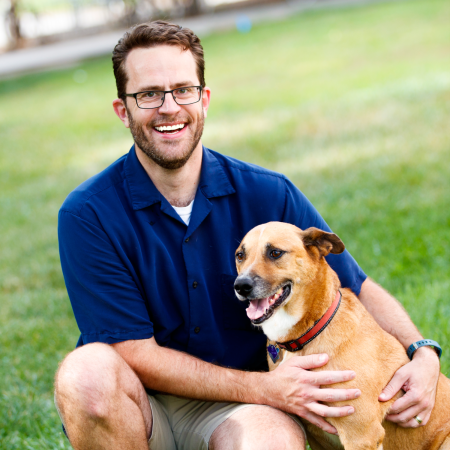
Hi! I'm Jeff Stevens (@JeffStevensADML), a professor at @UNLPsych. I lead @UNL_CCHIL where I use biological & psychological approaches to understand dog behavior, to improve how people train, work with, & live w/dogs. I'm super excited to be a @ManyDogsProject co-director. 1/7
Being fairly new to studying dog behavior, I was very excited to join ManyDogs and looked forward to interacting with the canine science community. I've been super happy with how welcoming the community is, and I've made a ton of new friends & colleagues through our Slack. 6/7
Now that @madelinepelgrim has shared the magic behind methods, be sure to catch our last dog scientist summer spotlight! With just over a week until the project proposal deadline, @JeffStevensADML will dish on the great networking opps with ManyDogs. https://t.co/u9V79EIKs1
I enjoyed working on methods development with @ManyDogsProject - a great learning opportunity for a grad student. The experience motivated me to continue developing & refining methods for future projects, and especially for my own work with dogs and eye-tracking systems! 🐶👀 4/4
Hi! I'm @madelinepelgrim and I'm an PhD Student in the @BrownDogLab at @BrownCLPS studying social cognition, cooperation, and visual behavior in dogs. I am also a part of the ManyDogs Methods Development team. 1/4
For ManyDogs 1, before data collection could begin, participating labs submitted example "test run" videos that our video review team could assess and give feedback on. We worked closely with the ManyDogs community to help labs implement methods and clarify our protocol. 3/4