An NGO based in Uganda supporting the development of sustainable communities through research & participatory mapping with communities Public Sector & NGOs.
2/2 The impacts of climate change are global in scope and unprecedented in scale. Without drastic action today, adapting to these impacts in the future will be more difficult and costly.#climatechange#kampalaNoses
D-Noses Mapping for Change @Kampala4Climate
1/2 Climate Change is the defining issue of our time and we are at a defining moment. From shifting weather patterns that threaten food production, to rising sea levels that increase the risk of catastrophic flooding... @Kampala4Climate
1/3 Recycling is the process of converting waste materials into new materials and objects. The recyclability of a material depends on its ability to reacquire the properties it had in its virgin state.@nemaug@Kampala4Climate
2/3 It is an alternative to "conventional" waste disposal that can save material and help lower greenhouse gas emissions. Recycling can prevent the waste of potentially useful materials and reduce the consumption of fresh raw materials....@Kampala4Climate@nemaug
1/3 Mapping for Communities in conjunction with Mapping for Change UK would like to introduce to you their product on mapping solutions. Mapping for Change UK has provided bespoke mapping solutions to a range of third sector and public sector clients...
2/3 The focus and requirements have differed depending on specific needs. For example, providing a solution with which to engage local residents and business owners in their housing consultation processes....
3/3 It is the responsibility of every individual to be more organised and plan their waste disposal efficiently.
#wastemanagement#kampalaNoses
Mapping for Change D-Noses Kampala4Climate @Kampala4Climate@kcca
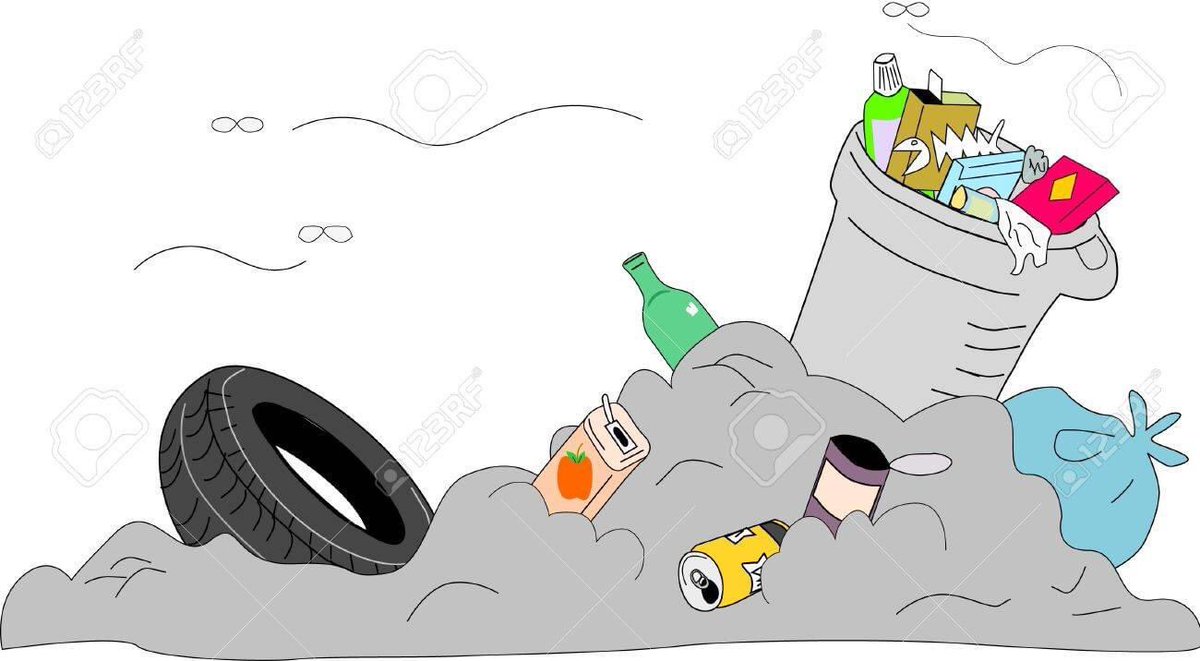
1/3 Waste management across the world has become a pressing issue. With an exponential rise in population over the last few centuries, the Earth has accumulated massive amounts of waste without a proper disposal system..
2/3 This waste is broadly classified into organic, biomedical, and dry (recyclable) waste. Of all this waste generated, less than 60% is collected from the household for processing, resulting in a mere 15% of our waste being processed properly..
2/2 T impacts of climate change are global in scope and unprecedented in scale. Without drastic action today, adapting to these impacts in the future will be more difficult and costly.#climatechange#kampalaNoses
D-NosesMapping for Change Kampala4Climate @Kampala4Climate
1/2 Climate Change is the defining issue of our time and we are at a defining moment. From shifting weather patterns that threaten food production, to rising sea levels that increase the risk of catastrophic flooding..
3/3 Those factors can include age, sex, medical condition, and the level and type of the substance in the environment. #kampalaNoses #odourpollution#keeptheairclean
D-Noses Mapping for Change Kampala @Kampala4Climate@nemaug
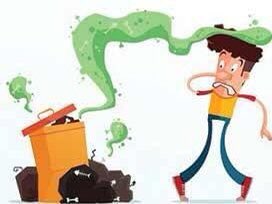
1/3 Unpleasant odors can be a warning sign of potential risks to human health. At times people can smell certain chemicals in the air before they reach harmful levels..
2/3 Community members have reported smelling odors in the air decreases their quality of life and sense of well being.
Odors from environmental sources might also cause health symptoms, depending on individual and environmental factors...
3/3 However, people living near the landfill site have complained that this landfill has made their place uninhabitable due to the offensive odour and that their land has lost value. #kampalaNoses#odourpollution@Kampala4Climate@nemaug
1/3 Landfills and odour pollution
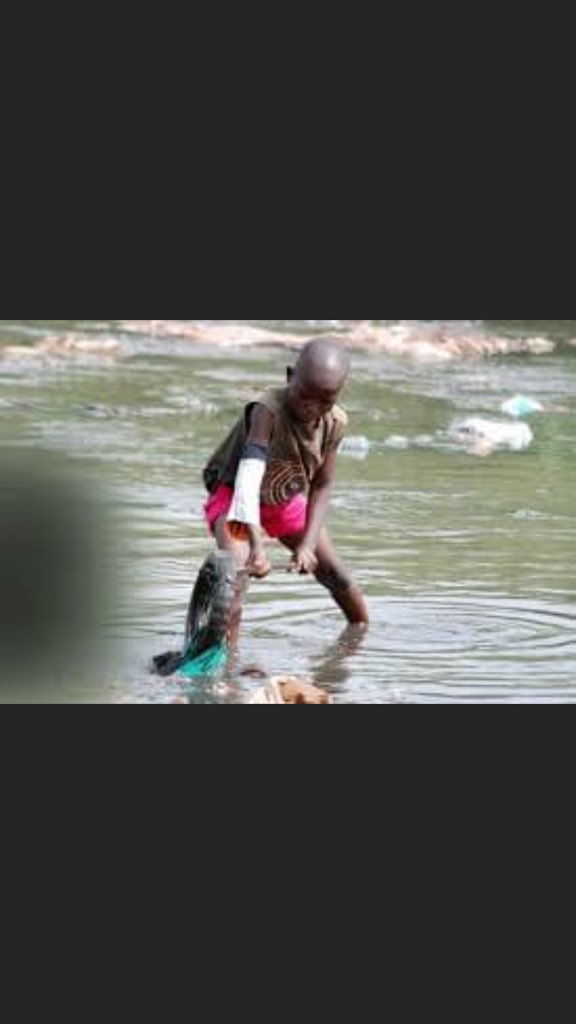
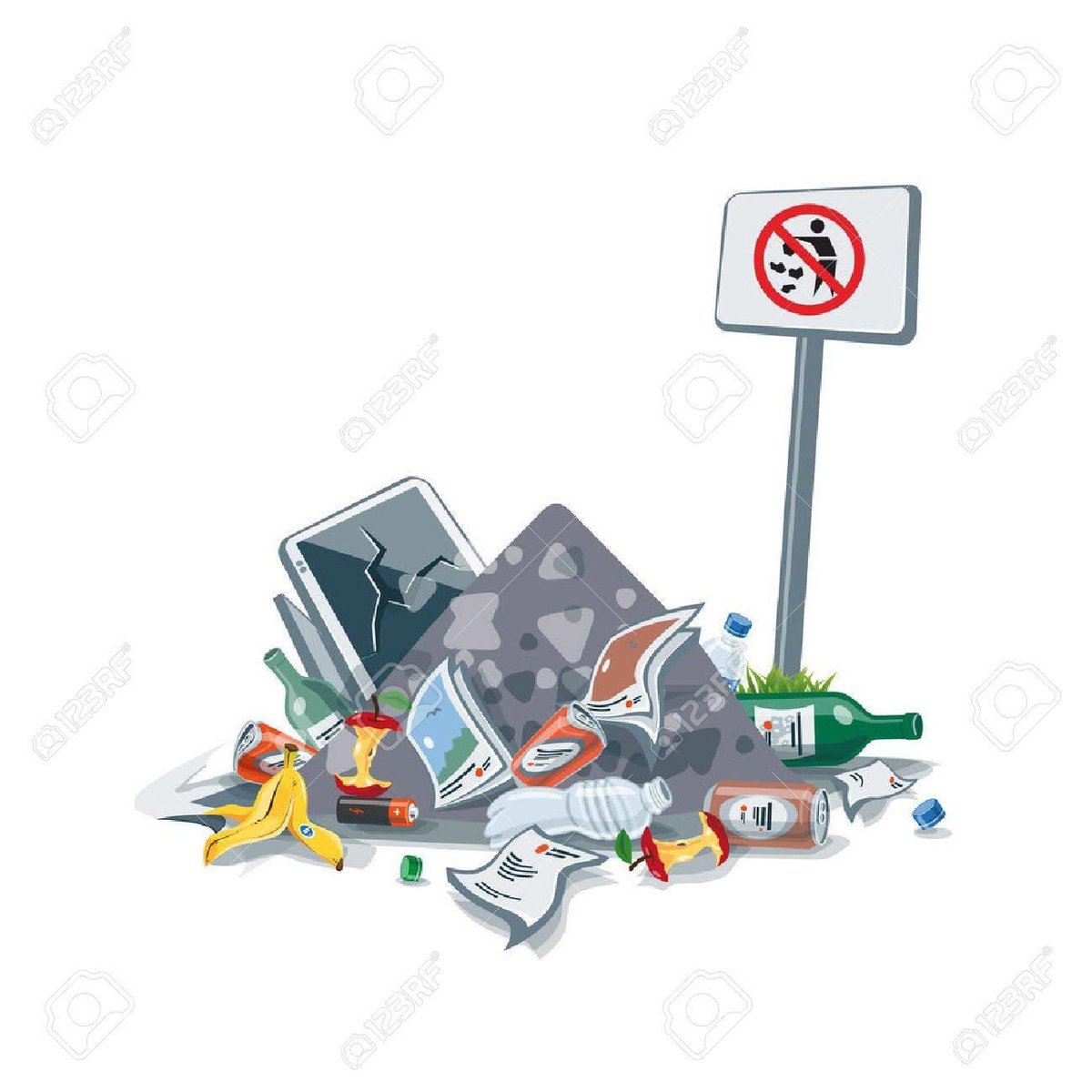
Uncollected waste is normally dumped in open areas, streams, open drainage channels, and other areas inaccessible to waste collection vehicles, thus creating environmental and public health hazards for local residents...
2/3 The solid waste that is collected from the five divisions of Kampala City is dumped at the Kiteezi landfill site, located 12 km from the city center....
3/3 Understandably, communities aren’t tolerant of these nuisance odours, causing people to complain. However currently there is no clear method of reporting such complaints to the concerned parties. #kampalaNoses Mapping for Change D-Noses @Kampala4Climate@nemaug
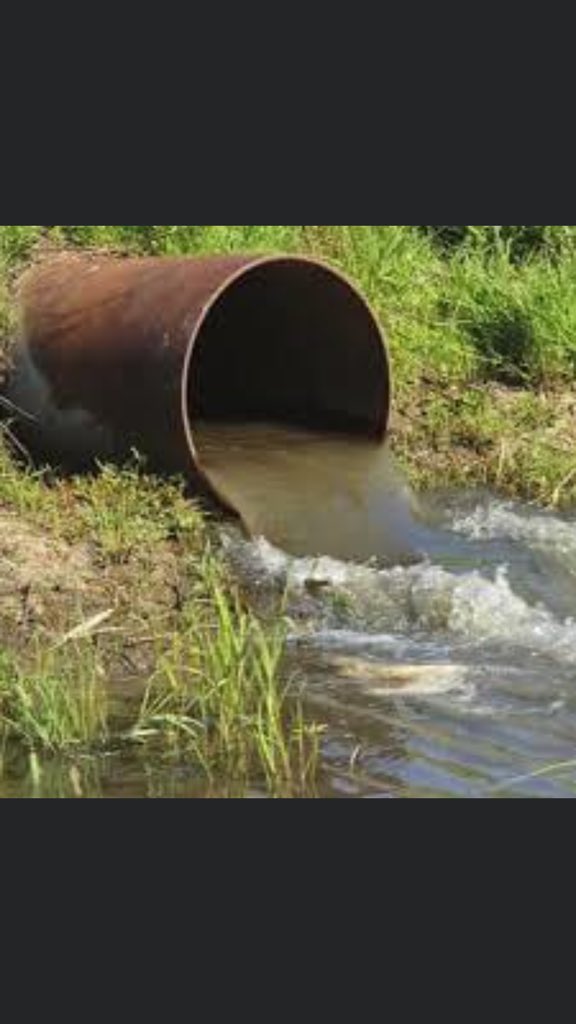
1/3 Sewage and odour pollution....
Controlling odours is one of the most important - and yet most challenging - aspects of wastewater treatment. Foul odours are often a source of complaints, igniting objections from plant workers and neighbors alike....
2/3 Although many odours are contained within the proximity of the sewage plant, some odours naturally drift to surrounding areas. They waft into public spaces and subdivisions that have been built around the sewage plant over the years....