Professor of Sociological Theory at York University, Toronto.
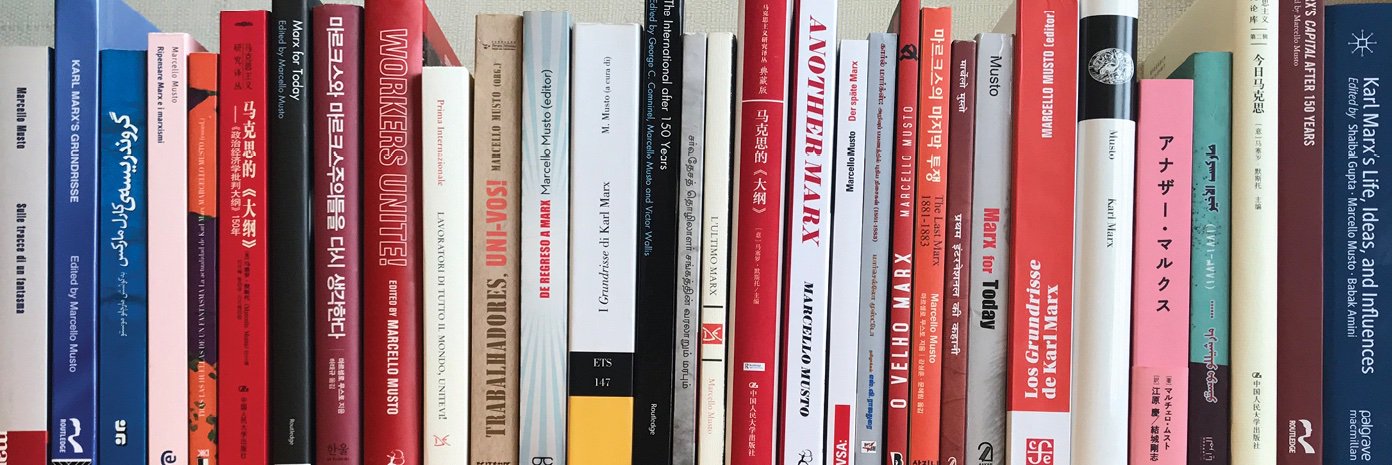
Recent books: The Last Years of Karl Marx - The Marx Revival - Karl Marx's Writing on Alienation.
See my new website👇
https://t.co/0EPaU1HwN8
It contains 50 books, 200 articles & chapters, 250 journalistic pieces, 80 interviews, and 250 reviews, on Marx, communism, labour movement, and left-wing politics. + info on my research, 40 videos, & more.
All free and easy to read.
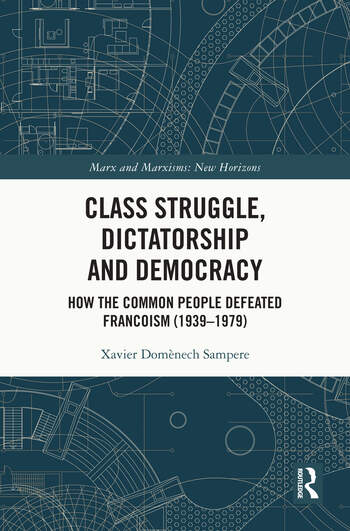
I am pleased to announce the publication of Xavier Domènech Sampere, "Class Struggle, Dictatorship and DemocracyHow the Common People Defeated Francoism (1939-1979)" (https://t.co/01lgZxGwOs) in the book series I edit : Marx and Marxisms: New Horizons
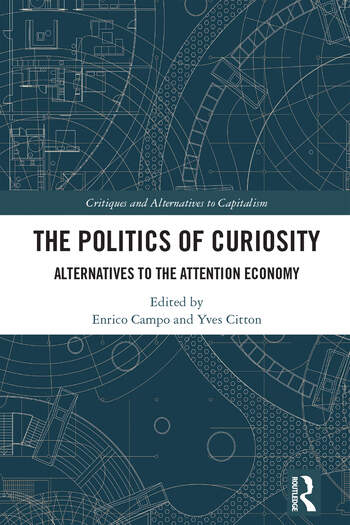
I am pleased to announce the publication of "The Politics of Curiosity: Alternatives to the Attention Economy" by Enrico Campo and Yves Citton (https://t.co/Ga6ef0qTH4) in the book series I edit: Critiques and Alternatives to Capitalism
More info👇
https://t.co/Qehktxw0m4
I am pleased to announce the publication of Juan José Gómez Gutiérrez, Carlo Verri, Tommaso Baris, "Gramsci and the Southern Question: Global Readings, Interpretations and Uses" (https://t.co/SFLYhBLlz3) in the book series that I direct: Marx and Marxisms: New Horizons
More info👇
https://t.co/sLQEMy9e63
05/05/1818 - 05/05/2026
Happy Birthday, Marx. The years go by, but you are always with us.
Feliz cumpleaños - Buon compleanno - Feliz aniversário - Joyeux anniversaire - お誕生日おめでとう - 生日快乐 - जन्मदिन मुबारक हो - عيد ميلاد سعيد - С днём рождения - Alles Gute zum Geburtstag.
" War : first, one hopes to win; then one expects the enemy to lose; then, one is satisfied that the enemy too is suffering; in the end, one is surprised that everyone has lost" (Karl Kraus, 1917).
Today is the 152nd anniversary of Kraus' birth. At the time of World War I, most intellectuals and writers, with very rare exceptions, gave miserable proof of themselves, participating, on one side or the other, in the war exaltation. In contrast, in his masterpiece The Last Days of Mankind (1922), Kraus managed to capture the deep drama of what was happening. A must read.
I am pleased to announce the publication of Vando Borghi's "The Ruins of Capitalism and Possibilism: Beyond Homo Faber" (https://t.co/YA19dFXS8X) in the book series I direct: Critiques and Alternatives to Capitalism
More info 👇
https://t.co/qU8aqBddat
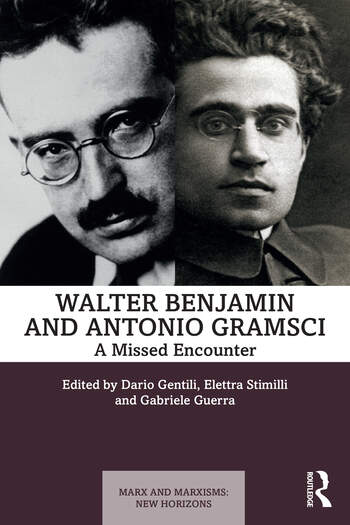
I am pleased to announce the publication of Dario Gentili, Elettra Stimilli, and Gabriele Guerra "Walter Benjamin and Antonio Gramsci: A Missed Encounter" (https://t.co/CXfPdqd6Le) in the book series I direct: Marx and Marxisms: New Horizons.
More information👇
https://t.co/sLQEMy8Ggv
In 1882, when he visited Algiers, Marx surprisingly shaved his beard.
He wrote to Engels: "I have done away with my prophet’s beard and my crowning glory but had myself photographed before offering up my hair on the altar of an Algerian barber".
More info 👇
https://t.co/DWFHRN4bas
The first generation of intellectuals of the Frankfurt School demonstrated that cultural industry was indispensable for an era of mass consumption and consumer society, based on homogeneous needs and desires for mass-produced products and a mass society based on homogeneity.
Mass culture generates the modes of behaviour appropriate to a highly massified social order.
For Adorno: “The power of the culture industry's ideology is such that conformity has replaced consciousness. Its order is never confronted with the real interests of human beings”.
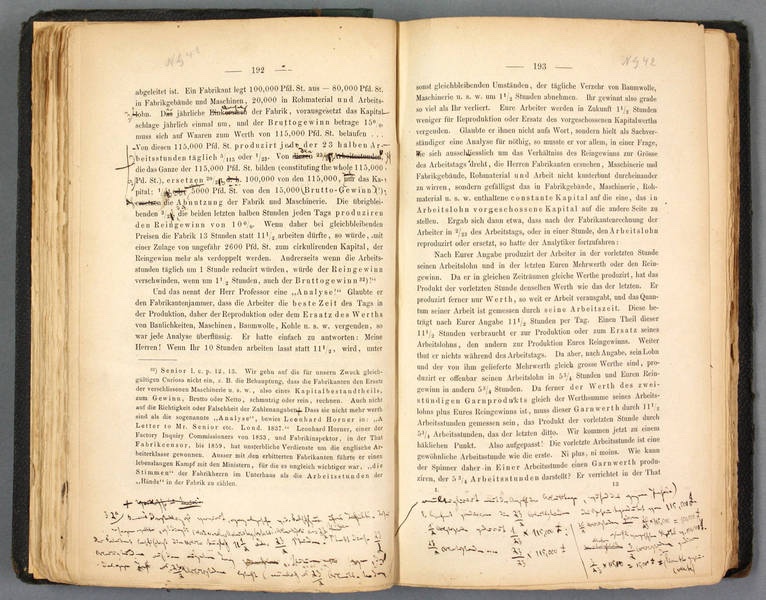
Marx publicó "Miseria de la filosofía" -su primer libro de economía política- en 1847, a los 29 años. Las notas en su propia copia demuestran su espíritu autocrítico y cómo siguió desarrollando sus ideas. Lo escribió en francés, para que su adversario Proudhon pudiera leerlo.
"Los economistas dicen que el feudalismo es artificial mientras que el capitalismo es natural. Se parecen a los teólogos que piensan que toda religión que no sea la suya es una invención de los hombres, pero la suya es una emanación de dios. Ha habido historia pero ya no la hay".
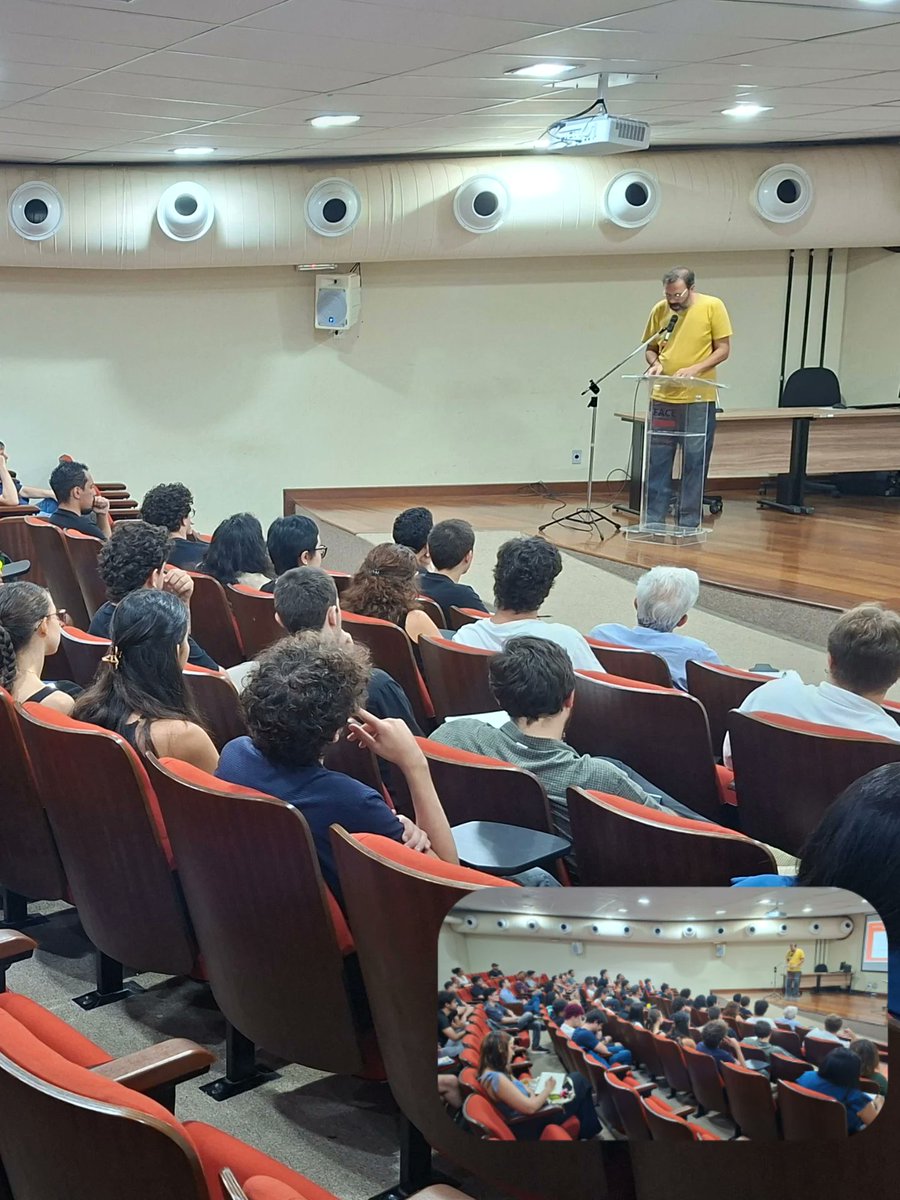
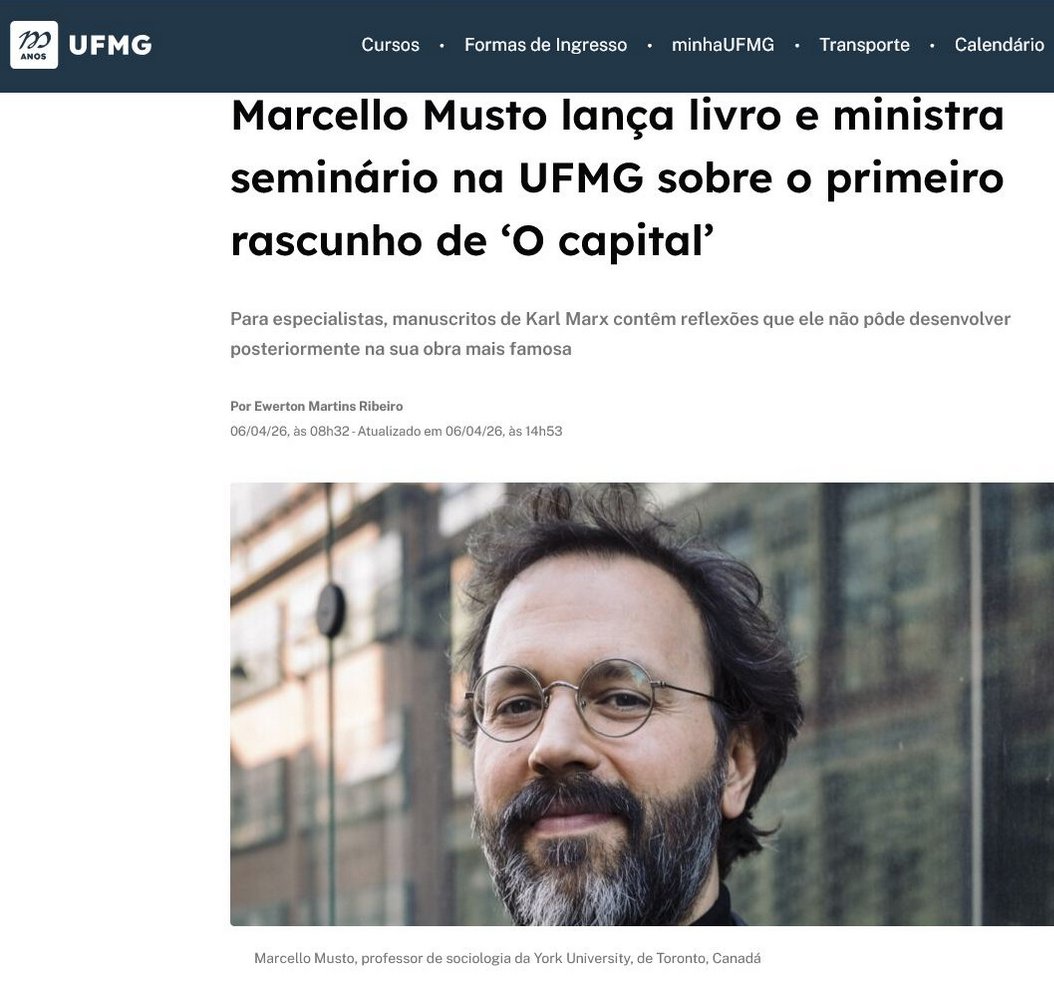
Nossa gratidão a @MarMusto pelo ótimo seminário de hoje e pelas conversas ao longo do dia.
Foi uma satisfação ver o auditório cheio e o público atento. Nosso agradecimento vai também aos que compareceram e viram o lançamento do livro 'O primeiro rascunho de O Capital'.
(+)
Marx published "The Poverty of Philosophy" - his first book on political economy - in 1847, when he was 29. The notes on his own copy demonstrate his self-critical spirit & how he continued to develop his ideas. He wrote it in French, so that his adversary Proudhon could read it.
He wrote: "Economists say that feudalism is artificial while capitalism is natural. They resemble the theologians who think that every religion which is not theirs is an invention of men, while their own is an emanation from god. There has been history but there is no longer any".
Darwin’s concept of natural selection has been often distorted. Some Darwinists argued that the struggle for existence among animals is a normal procedure among humans as well. Human society was seen as an extension of animal society, and force was considered the law of progress.
But this was a false interpretation of Darwin’s principle. He made clear that cooperation exists among many species of animal life and that this cooperative tendency is an important survival factor
Engels: "La sociedad burguesa se encuentra en la encrucijada, o socialismo o regresión a la barbarie".
Luxemburg añadió: "Hasta ahora hemos repetido estas palabras sin sospechar su gravedad. Esta guerra muestra qué es la barbarie. El imperialismo conduce a nuestra
Engels said “Bourgeois society stands at the crossroads, either socialism or regression into barbarism”
Luxemburg added "So far we have all repeated these words without suspecting their fearsome gravity. This war shows what barbarism means. Imperialism leads to our annihilation".
En 2013 la UNESCO incluyó "El Capital" de #Marx y el"Manifiesto comunista" de Marx y Engels en el Registro de la Memoria del Mundo.
Lea sobre ello aquí:
https://t.co/VlKtAi6k37
In 2013 the UNESCO included #Marx’s “Capital” and Marx and Engels’ “#Communist Manifesto” in the Memory of the World Register.
Read about it here:
https://t.co/VlKtAi6k37
Marx: "A spider conducts operations that resemble the weaver and a bee puts to shame many architects in the construction of her cells. But what distinguishes the worst architect from the best bee is that the architect raises his structure in imagination before than in reality".
"At the end of the labour-process, we get a result that already existed in the imagination of the worker. Besides the exertion of the body this demands close attention. The less he enjoys it as something that gives play to his bodily/mental powers, the more careful he must be".
Who was Eleanor Marx?
Chief characteristic: Curiosity
Favorite virtue: Truth
Hero: Garibaldi
Best poet: Shakespeare
Favorite colour: White
Idea of misery: Toothache
Aversion: Cold Mutton
Favorite Maxim: Go ahead!