Astronaut Scott Kelly once smuggled a full gorilla suit aboard the International Space Station. He didn't tell anyone about it. One day, without anyone knowing, he put it on.
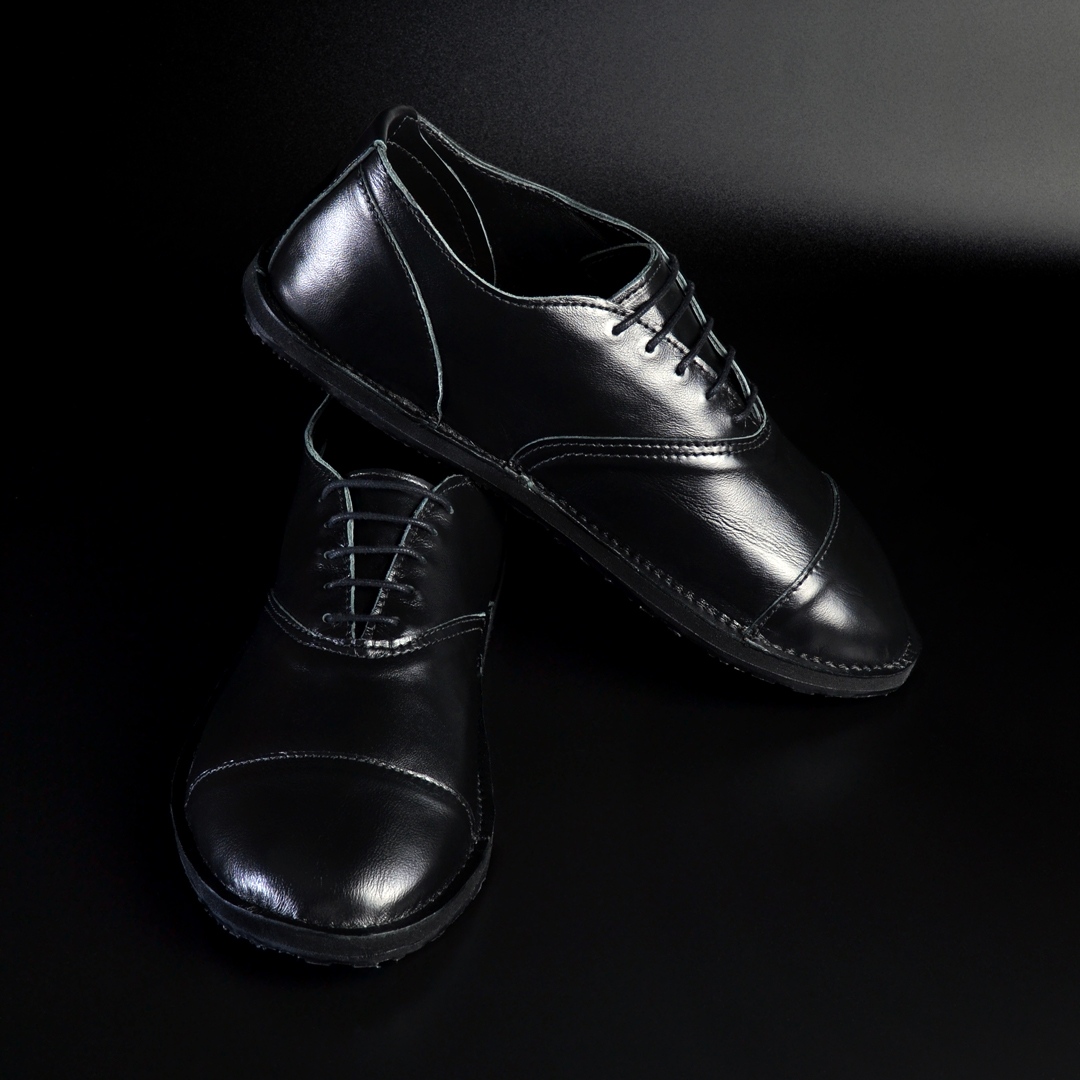
Zhao Hua Hong was one of the last living foot-binding practitioners. Foot-binding was a deeply entrenched cultural practice in China that lasted for over a thousand years, beginning in the 10th century and gradually declining in the early 20th century. It involved the tight binding of young girls' feet, resulting in severe deformity and lifelong disabilities.
Zhao Hua Hong was born in a small village in rural China in 1929, during a time when foot-binding was still widely practiced. She grew up in a family that adhered to this tradition, and at the age of six, her feet were bound in accordance with societal norms and expectations. Like countless other girls of her generation, she endured the excruciating pain and suffered the lasting consequences of this cruel practice.
As she grew older, Zhao Hua Hong became increasingly aware of the changing social landscape in China. The early 20th century brought significant cultural and political shifts, and foot-binding came under scrutiny as a symbol of oppression and the subjugation of women. Influenced by these changing attitudes and inspired by the emerging women's rights movements, she eventually became an advocate for the abolition of foot-binding.
With the passage of time and the spread of education, foot-binding gradually lost its appeal and was officially banned in China in 1949. However, its echoes lingered, and Zhao Hua Hong's experience stood as a stark reminder of a painful and oppressive tradition that had shaped the lives of countless women.
In her later years, Zhao Hua Hong dedicated herself to preserving the memory and history of foot-binding. She participated in interviews, documentaries, and public discussions, sharing her personal story and raising awareness about the physical and psychological consequences of the practice. Her courage and willingness to speak out against foot-binding served as an inspiration for many, helping to foster a broader understanding of gender equality and cultural change.
Today, Zhao Hua Hong stands as a living testament to an era that has now passed. Her presence served as a reminder of the resilience of women throughout history and the ongoing struggle for gender equality. Her efforts to document and share her story ensure that future generations will not forget the injustices faced by women who endured the pain and suffering of foot-binding, while also highlighting the progress made in promoting women's rights and challenging harmful cultural practices.
NEW COMIC! Diabetic Cat in solidarity with all diabetics who don’t change their lancet ✊🏼😼
Inspired by the simplicity of @claricetudor comics, (which are just brilliant)
#diabetes#type1diabetes