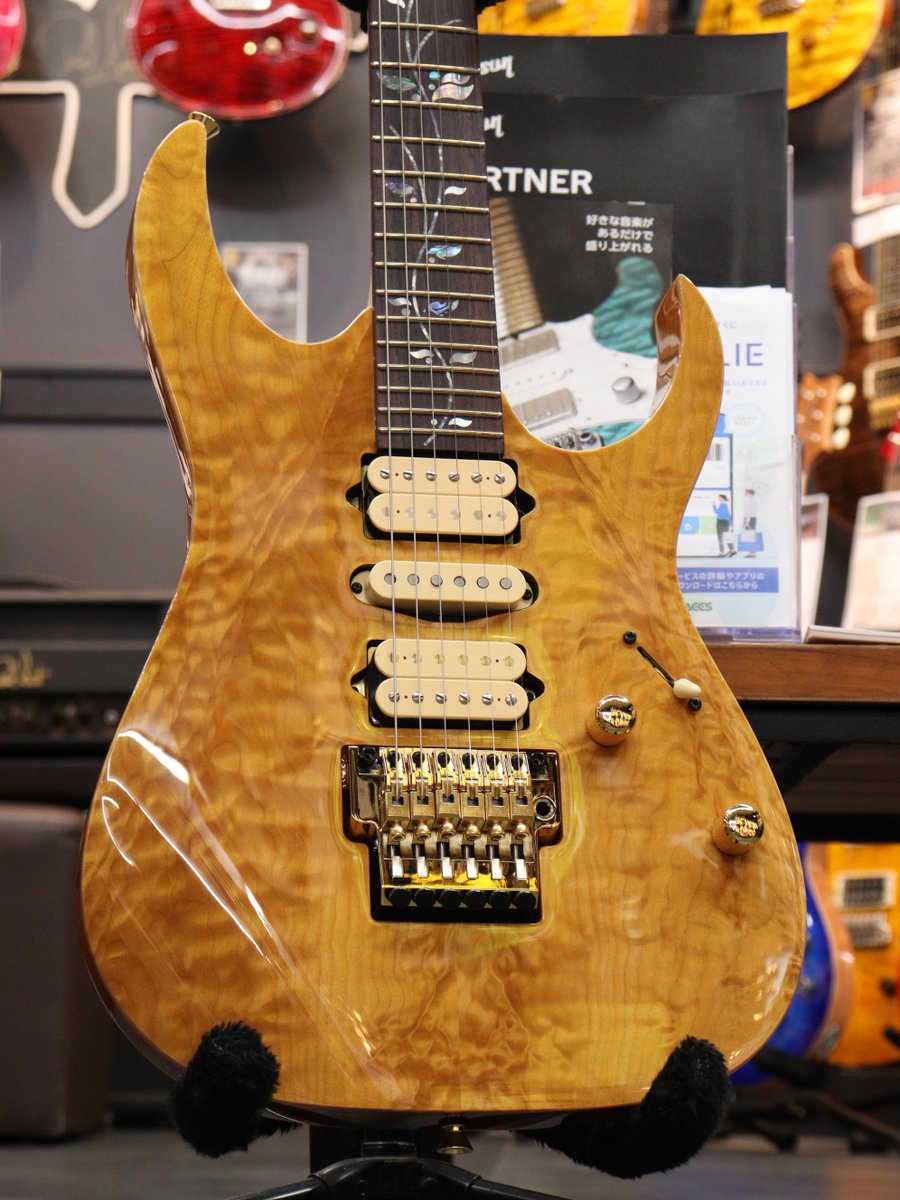
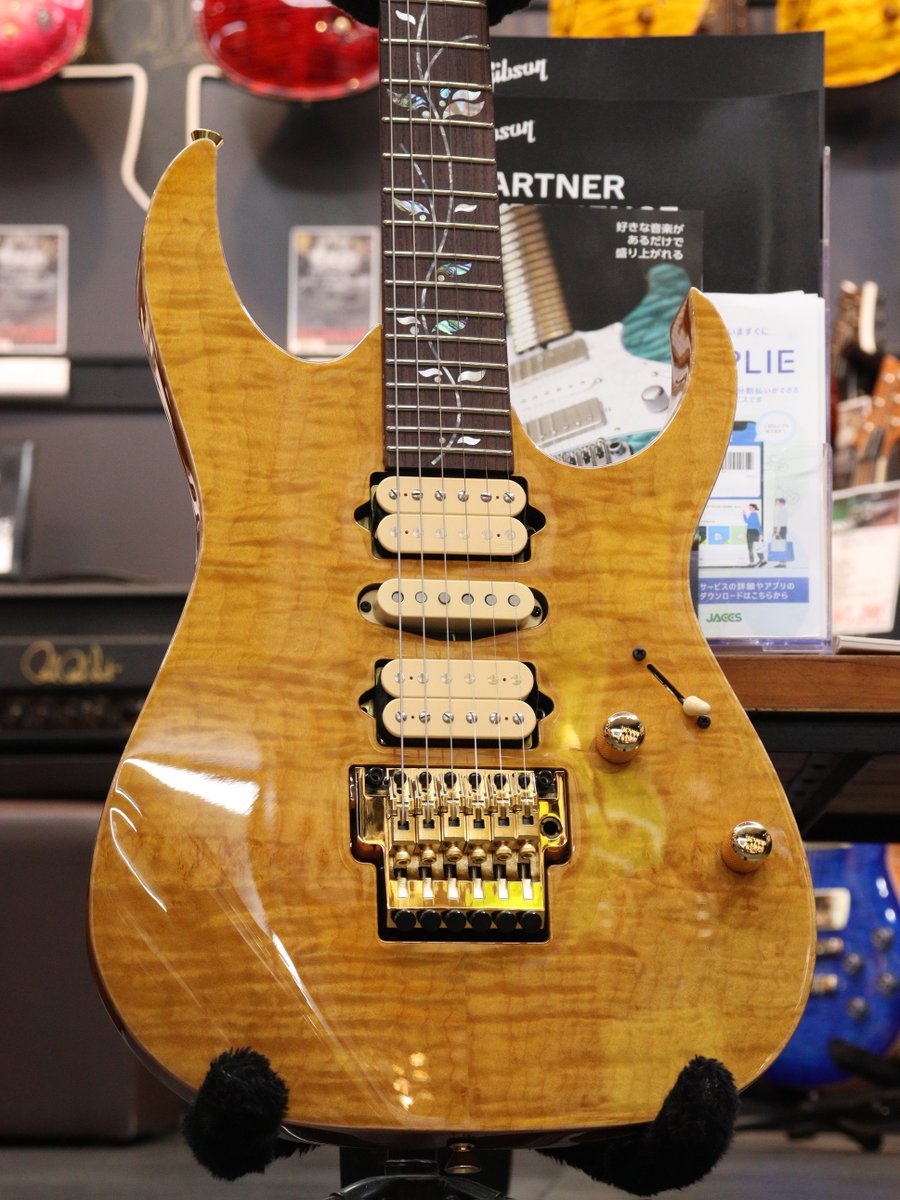
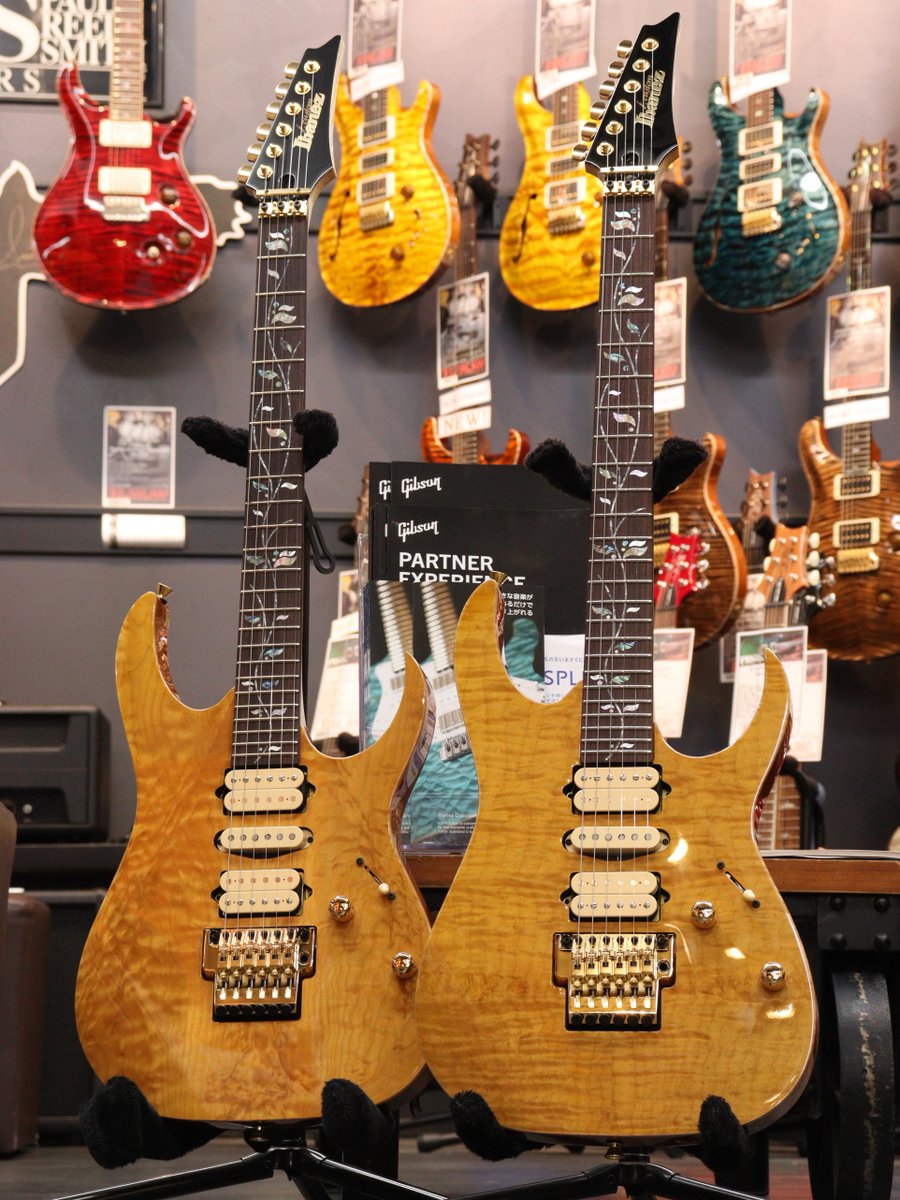
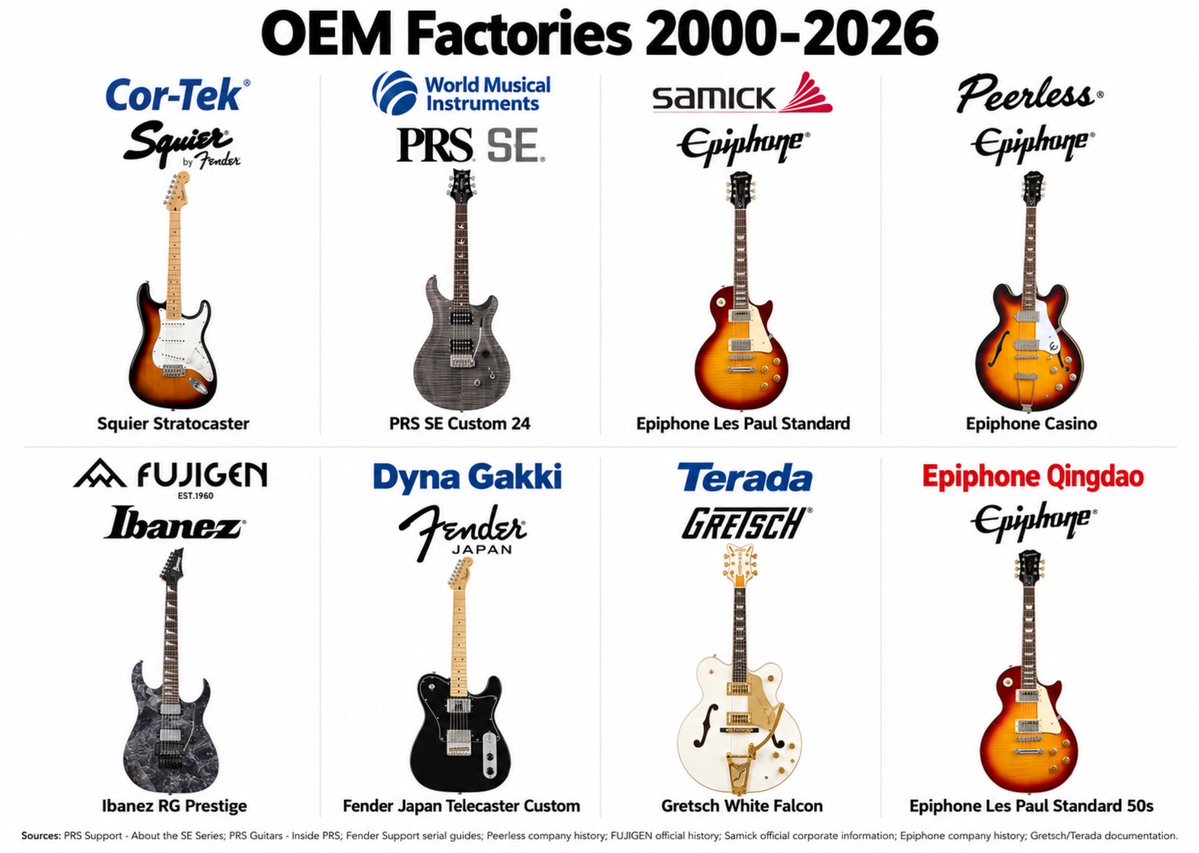
Who actually builds your guitar? From 2000-2026, the answer is often not the company whose logo appears on the headstock.
Modern guitar manufacturing relies heavily on OEM factories - Original Equipment Manufacturers - that manufacture instruments designed and marketed by other companies. The brand specifies the design, hardware, electronics and quality standards, while an outside factory may actually build the instrument.
Cor-Tek/Cort - ~1.3 million instruments annually across its major Asian operations. Associated brands during 2000-2026 include Cort, Fender, Squier, PRS SE and selected Ibanez and other contract lines. Fender documents Korean and Indonesian Cort production, while PRS currently builds SE electrics at Cor-Tek’s Surabaya, Indonesia operation.
https://t.co/qEG5K1X1qf
https://t.co/u5fuGE6WwL
https://t.co/n5SzcPqiUI
World Musical Instruments, South Korea - ~100,000-200,000 instruments annually estimated. Associated brands include PRS SE, Schecter and various Korean-built premium import programs. PRS documents World MI as its original Korean SE manufacturing partner beginning in 2001.
https://t.co/qEG5K1X1qf
Samick - 500,000+ instruments of annual manufacturing capacity across its operations. During the contemporary period Samick is associated with Samick, Epiphone, Squier, Washburn, Hohner, Kramer and other contract brands, although contracts and factories change by year.
Peerless, Busan, South Korea - under ~12,000 instruments annually in its later lower-volume era, compared with a historical peak of 30,000 per month. Peerless identifies Epiphone, Gretsch, Fender, Gibson and St. Louis Music among its OEM customers. Its specialty is hollowbody, semi-hollow and acoustic construction.
https://t.co/hPQGEnvJ5X
FujiGen, Japan - ~25,000-35,000 instruments annually estimated from reported modern production near 100-120 instruments per working day. Associated brands include FGN, Ibanez - particularly Prestige and other Japanese models - plus Fender Japan and other Japanese OEM programs during portions of 2000-2026. The daily figure is not an audited annual total.
https://t.co/SQ6d9Q6yuL
Dyna Gakki, Japan - ~40,000-60,000 instruments annually estimated. Associated brands during the period include Fender Japan, Gretsch, Fernandes and other Japanese contract programs. Dyna becomes especially important as Fender Japan production changes after the FujiGen-dominated period.
Terada Gakki, Japan - ~15,000 instruments annually estimated. The factory is strongly associated with high-end hollowbody and semi-hollow production, particularly Gretsch Professional Collection instruments, with Epiphone and other Japanese contract work also appearing during its broader history.
Epiphone Qingdao, China - roughly ~200,000-250,000 instruments annually based on reported capacity near 700 guitars per production day. Unlike a conventional multi-brand OEM, Qingdao is essentially a dedicated Epiphone operation. Epiphone’s catalog describes Gibson Qingdao as an Epiphone-only factory. The principal brand is therefore Epiphone - Les Paul, SG, Casino, ES-style and other electric and acoustic families.
https://t.co/VgWRXiIAjj
The scale difference is enormous: Cor-Tek ~1.3 million/year; Samick 500,000+ capacity; Epiphone Qingdao ~200,000-250,000; World MI ~100,000-200,000 estimated; Dyna ~40,000-60,000 estimated; FujiGen ~25,000-35,000 estimated; Terada ~15,000 estimated; Peerless under ~12,000.
These numbers are best understood as manufacturing scale, not exact 2026 totals. Most private OEMs do not publish audited annual output, and contracts move between factories, countries and production lines.
The logo tells you who sells the guitar. The serial number, factory code, country, model and production year can reveal who actually builds it.