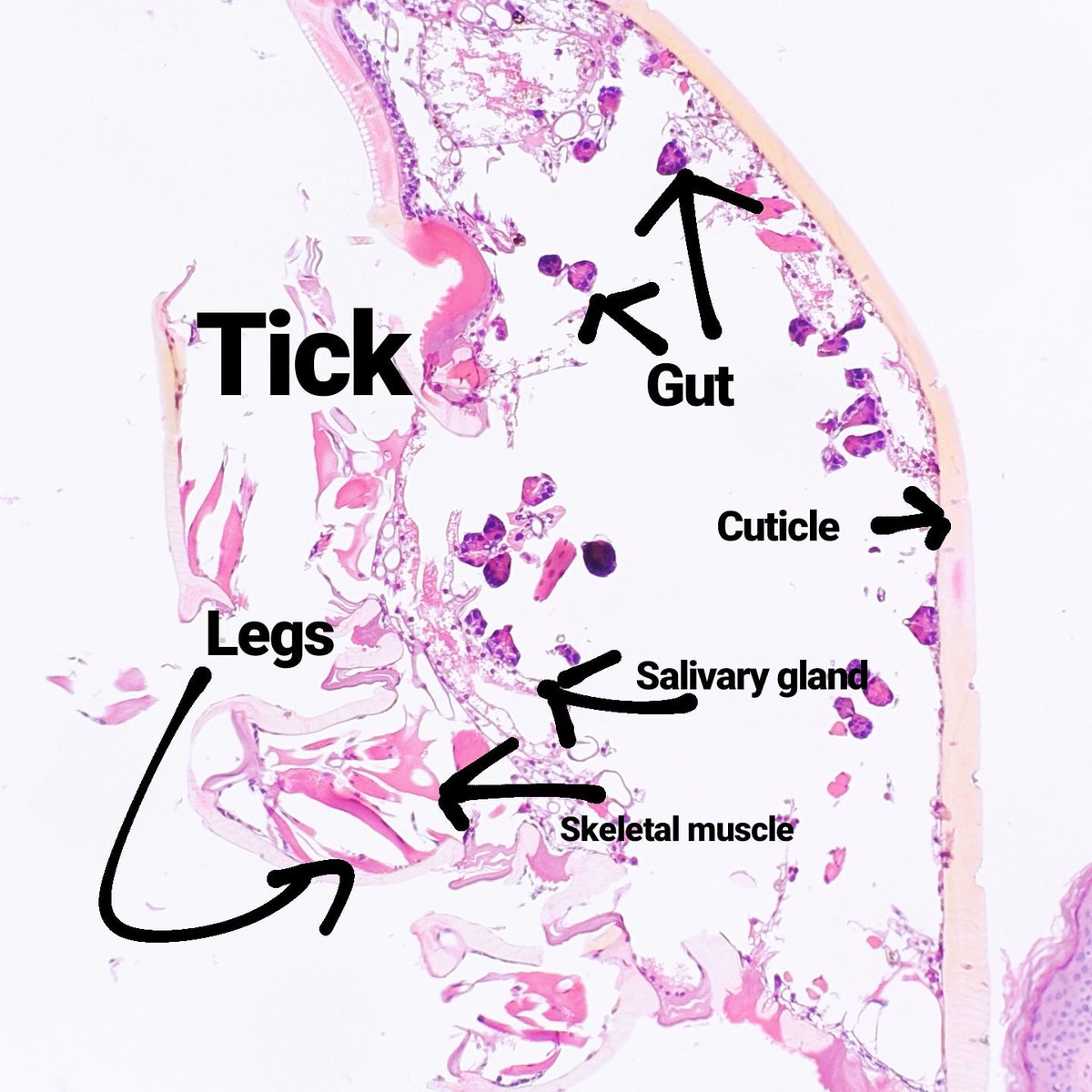
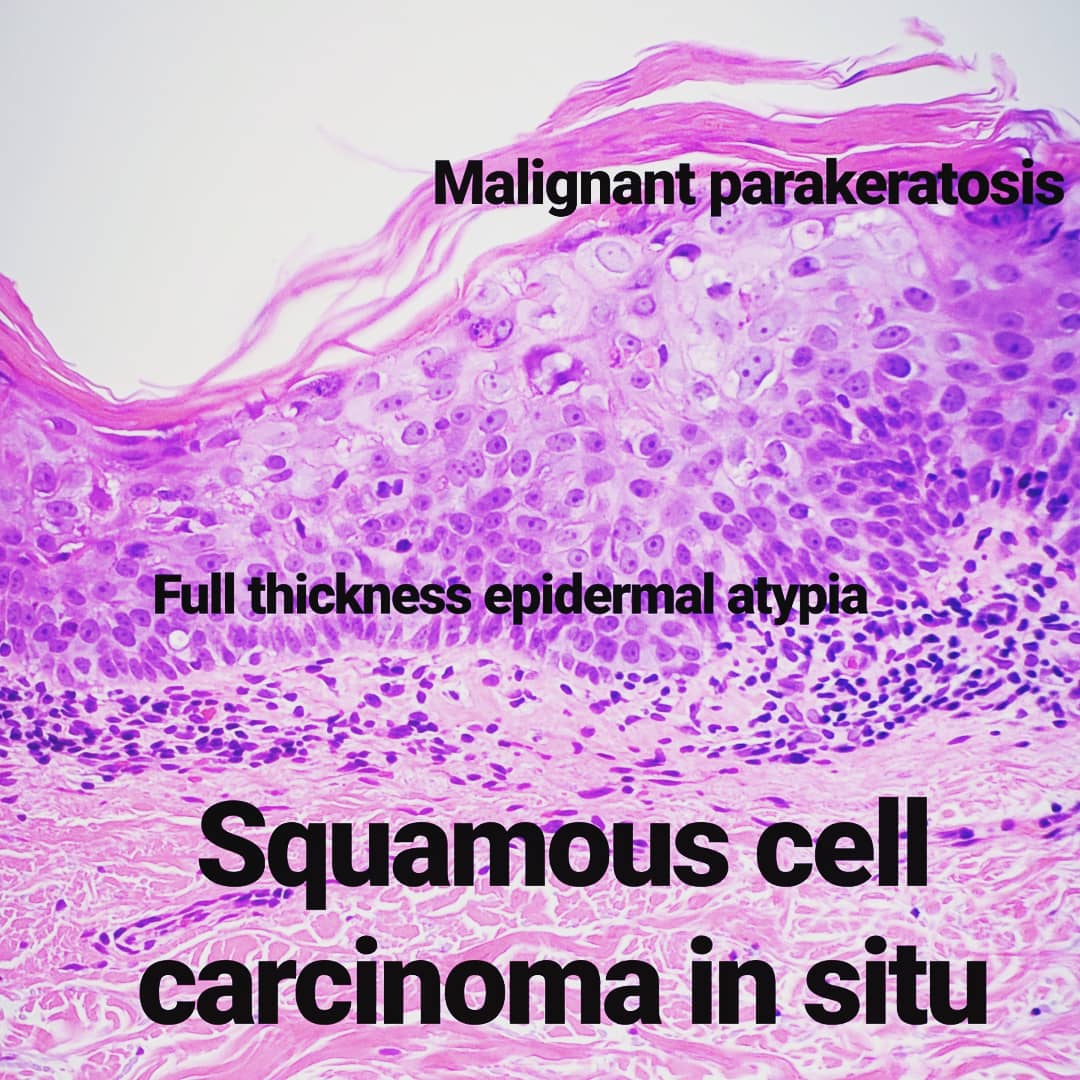
Recently interviewed for this article on period product ingredients. How is vulvar skin different from skin elsewhere? Check it out! #dermatology#vulva#vulvardermatology https://t.co/iVHWsF0La9
Pilomatricoma (aka calcifying epithelioma of Malherbe) is a slow-growing, firm-to-hard nodule that usually develops on the head, most commonly on the cheek but can also be seen on the upper limbs, neck and trunk and… https://t.co/MdHNFjajT8
Gouty tophi are dermal and subcutaneous deposits of monosodium urate crystals that are often seen on the ears or in soft tissues (like the joints and tendons). These lesions can develop in individuals who have high… https://t.co/qmIiW0x2SM
The “multiple facial papules” is an important differential diagnosis in dermatology that has many systemic implications for afflicted patients.
With that exciting intro, let’s start another #dermatology tweetorial!
📷: @dermnetnz
Scabies: Under the microscope, you can find eggs, larvae, mites and mite fecal matter (aka scybala) in the stratum corneum. Characteristic findings are "pink pigtails": egg fragments or casings left behind after the mite hatches. #dermatopathology#pathology#scabies#skin#derm
@smaguerra This is the kind of material that a pathology resident would be expected to know so it is not "clinically irrelevant" for all kinds of doctors. Far more detailed microbiology was on my Clinical Pathology board exam. But yes, step 1 for interview cutoffs is ridiculous.