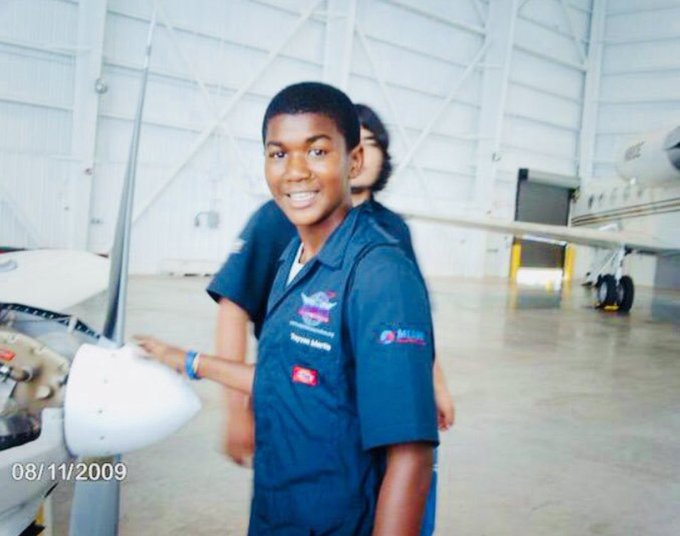
Regular son saves up & buys his dad a new truck after the old one broke down.
This kind of appreciation doesn’t need a title. It speaks louder than any paycheck ever could. ❤️
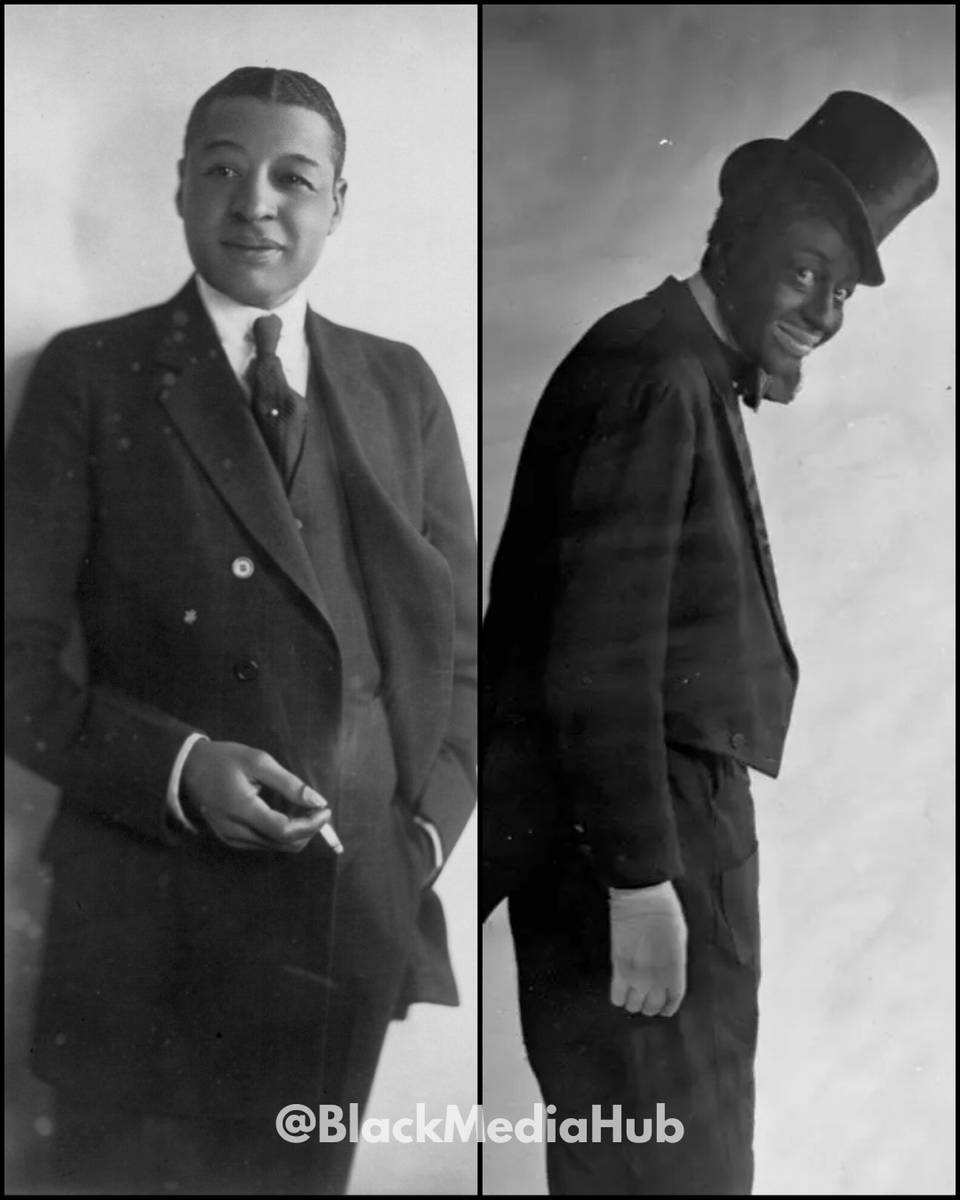
Bert Williams, a black man and the most popular vaudeville minstrel star of his time, went to the Hotel Astor in New York, and when the bartender, trying to get rid of him, told him drinks were $50 because of his race, Williams pulled a wad of $100 bills and bought a round for the entire bar.
The moment was more than a flex of wealth — it was a quiet act of resistance. Bert Williams had mastered the art of surviving in a world that celebrated his talent while denying his humanity. Though he was one of the highest-paid entertainers of the early 20th century and a groundbreaking star on Broadway and in vaudeville, he was still forced to perform in blackface, barred from hotels, and treated as inferior offstage.
Williams understood the cruel contradiction of his era: he could make America laugh, but not respect him. And yet, he endured — using intelligence, dignity, and restraint to navigate spaces designed to exclude him. His response at the Hotel Astor wasn’t about humiliation or revenge; it was about exposing the absurdity of racism without lowering himself to it.
Bert Williams died in 1922, but his legacy lives on as a reminder that Black excellence has always existed — even when the world refused to acknowledge it. His story reflects the resilience required to succeed in a society that demanded brilliance while offering indignity in return. #BlackHistoryMonth
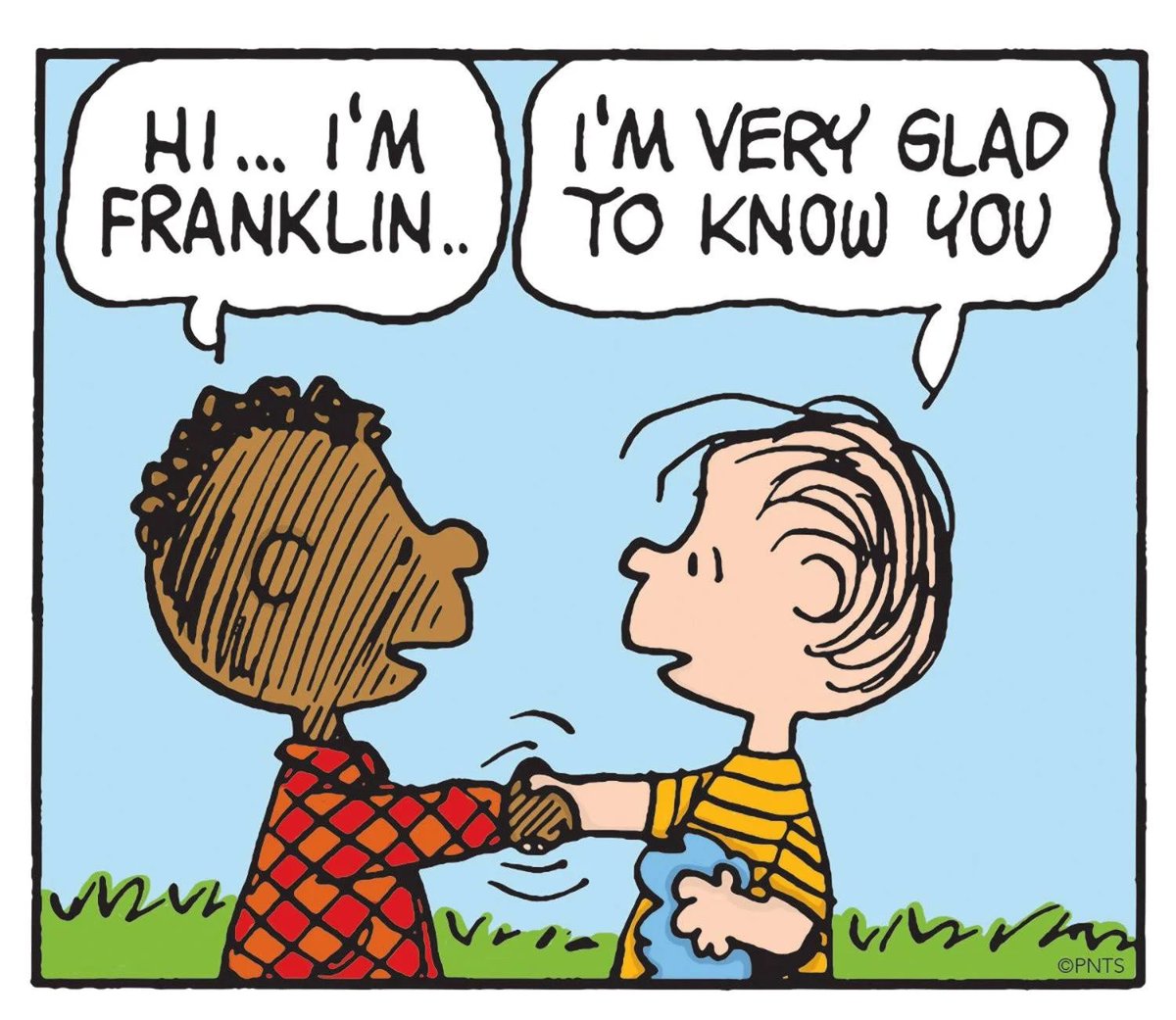
When Franklin Joined Charlie Brown In 1968, It Turned A Simple Comic Strip Into A Civil Rights Milestone.
When Franklin joined Charlie Brown in 1968, it quietly turned a beloved comic strip into a civil rights milestone. Franklin was introduced to Peanuts at the height of the Civil Rights Movement, just weeks after the assassination of Martin Luther King Jr. He was one of the first Black characters to regularly appear in a mainstream American comic without being reduced to stereotypes.
Created by Charles M. Schulz, Franklin wasn’t written as a lesson or a punchline. He was simply a kid — polite, confident, thoughtful — who talked with Charlie Brown, shared lunch with him, and later sat beside him in class. That simple act mattered. At a time when schools across the U.S. were still segregated or violently resisting integration, seeing a Black child and a white child treated as equals in a national comic strip was quietly radical.
Schulz faced backlash for Franklin’s inclusion, especially when he depicted Franklin sitting next to Charlie Brown in school. He refused to back down. By insisting Franklin remain part of the strip without stereotypes or fanfare, Schulz normalized what much of America still resisted: equality.
Franklin didn’t shout slogans or march in the streets — but his presence helped shape how a generation of children saw race, friendship, and belonging. Sometimes progress doesn’t arrive loudly. Sometimes it shows up in the funny pages.