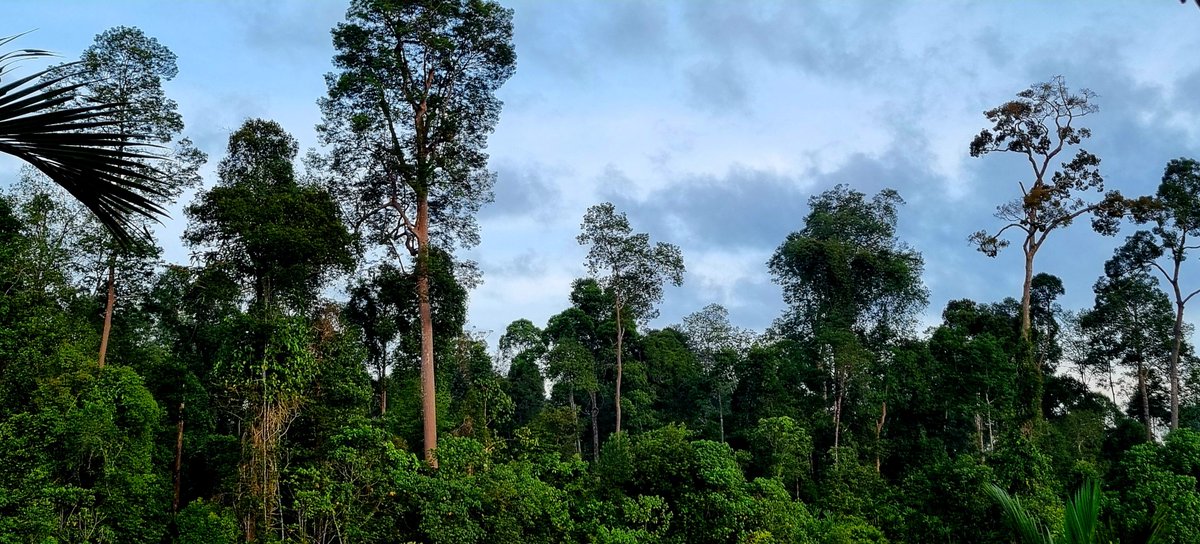
Our new paper in @NewPhyt is out today! We investigated stem CO2 efflux along a logging gradient in Malaysian Borneo and show how it is driven by the different in investment strategies in logged and old-growth plots. Read here : https://t.co/ERp8jquCVv
Powerful letter from our postgraduate students @uniofleicester affected by the so-called 'strategic review'. They have many serious and legitimate concerns. Please read, share and support! https://t.co/TQVfkzg88W
Sign the petition to dissolve @GeologyLeics@GeologyLeics as a School, as well as the School of Chemistry, to create a School of Chemical, Earth and Environmental Sciences. The plan is to make anyone redundant who does not fit. https://t.co/7e79FJfiPs
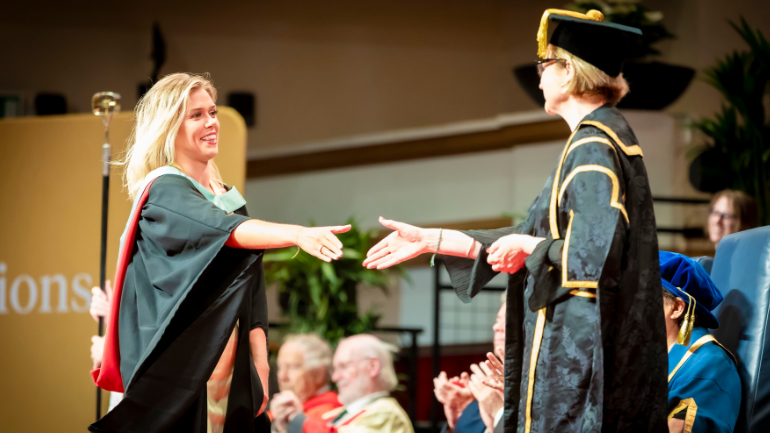
News | Emma makes history as Leicester Medical School marks 50-year anniversary
👉 https://t.co/7ohn66ZqGr
Emma Zugic made University of Leicester history this week as she became the final student to graduate from the Medical School in its 50th year.
#CitizensOfChange
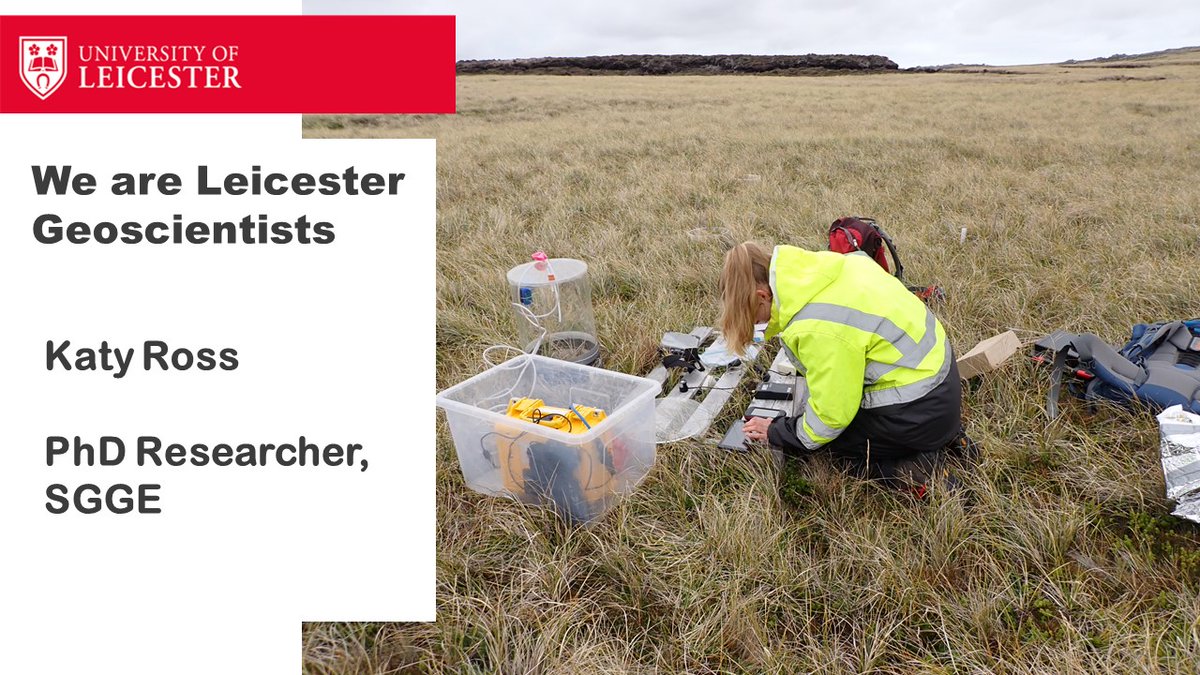
Katy @uniofleicester is the first to measure greenhouse gas emissions from Falklands peatlands 🌍 Her PhD work supports national reporting & empowers local farmers to care for their land. #peatlands#climatechange@LeicesterGeog
How well plants use their photosynthesized carbon? Using global eddy covariance observations and ecological theory, our study reveals the pattern of vegetation carbon use efficiency (CUE) worldwide!@NUSgeog@NUSCNCS@Ameriflux https://t.co/VYdiTJdjiw
New research by Hannah Sellers @uniofleicester uncovers clear geological markers of the Anthropocene in lake sediments near Leicester, birthplace of the Industrial Revolution, supporting a mid-20th century start for this human-shaped epoch. #Anthropocene#Geology@CharnwoodGeo
PhD student Zoe Lipkens @uniofleicester is exploring how peatland policies are being adopted by landowners in NW England to help secure a sustainable future for our peatlands. Geology matters!🌱 #peatlands#climatechange
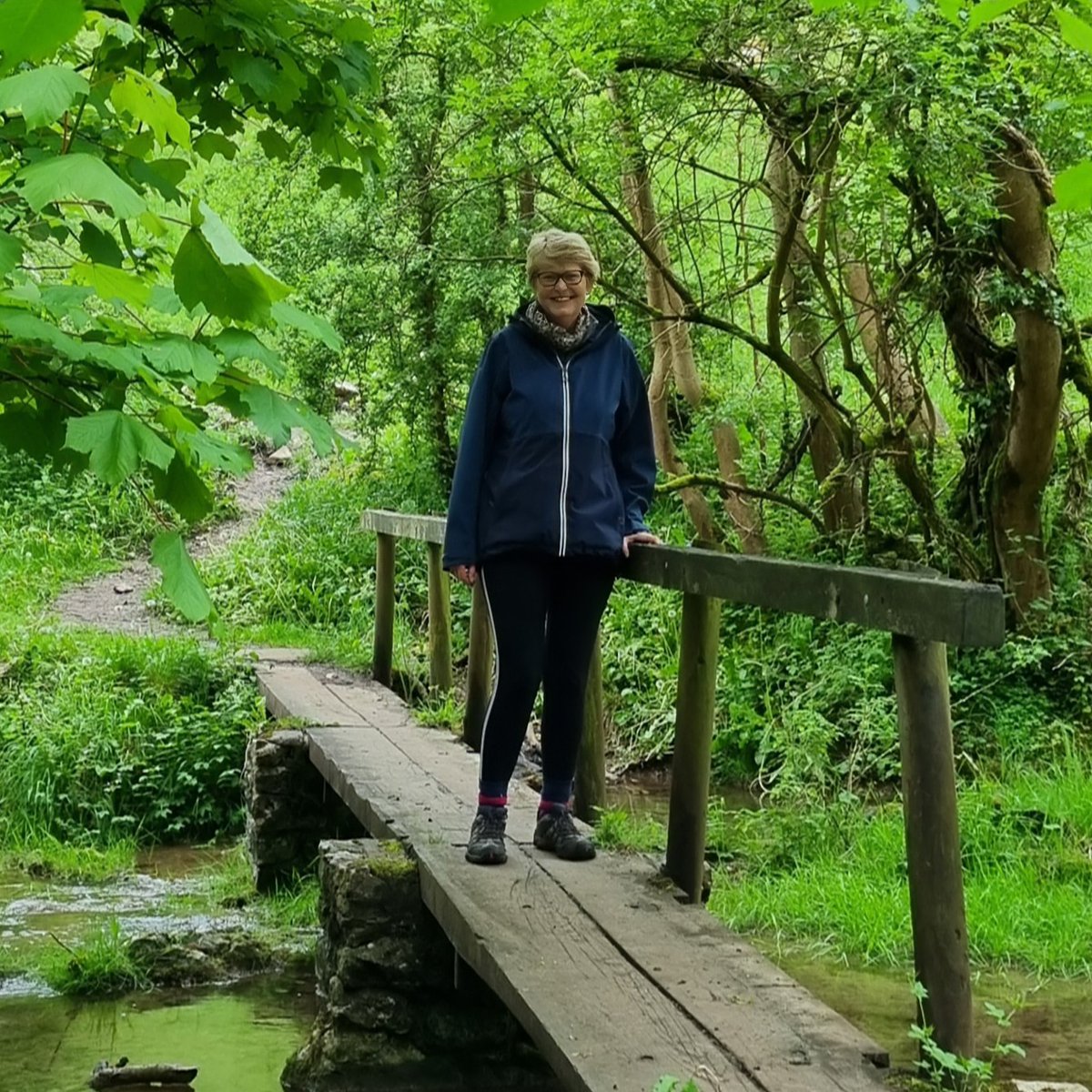
Congratulations to Professor Susan Page, who has been awarded a Member of the British Empire (MBE) for services to peatland and climate research, recognising a long career devoted to studying these natural carbon sinks.
https://t.co/o9j1tZ1rgW
#Peatlands#Climate#Geography#MBE
Recent PhD graduate Jess, is looking at the links between tectonics and the metal potential of magmas including gold and tellurium, the latter, a key ingredient in solar panel tech. Making mineral exploration smarter and more efficient. #ClimateChange#NetZero@GeologyLeics
UK woodlands are facing growing threats from climate change, deer grazing, disease and land management changes 🌳🦌🍃
New UKCEH-led research shows that #woodland ecosystems respond in complex ways—and not always predictably—to these combined pressures.
https://t.co/UR07salGru
📣 Exciting News from SGGE! @uniofleicester Come along, get inspired, and celebrate with us our Postgraduate Research Day 2025! Friday 20th June, 9 AM – 4 PM Curious about the amazing research happening across the School? 🌍🔬 All are welcome! @LeicesterGeog
Earth Sciences matter! Where tradition meets tech - @uniofleicester Dr Ben Coles leads a UK-Brazil project using AI to help Amazonian communities protect biodiversity—blending local knowledge with cutting-edge science. https://t.co/kgIl6uTbbC #Amazon#AI#Biodiversity#UKRI
Last week saw a meeting of the UK Tropical Peatland Research Group. This group was initially set up by Professor Sue Page and provides an opportunity for academic staff, researchers and PhD students to come together in an informal setting to discuss their latest research... 1/3
Prof. Jens Zinke @uniofleicester uses coral to reveal past ocean temps, currents & climate shifts—key to understanding long-term change & the Anthropocene. Vital geology-led insight! 🌊🪸 #WorldOceansDay@LeicesterGeog@coralmannie
If you want to help, and understand, how our little blue-green planet ticks, you need Geology and Geography in your life ☺️ @GeologyLeics@LeicesterGeog@uni
Exciting new paper by Tom Green & colleagues @uniofleicester on Corollasphaeridium, mystery fossils from the Cambrian. This research suggests they’re actually protective shells of single-celled organisms, likely living in shallow, warm seas and not animal or plant parts. (1/2)
This study also reveals a much greater diversity among these microfossils than previously known. Want to read more? 👉https://t.co/Ni3TGuJxEK (2/2) #STEM#Earth@LeicesterGeog
Exciting new paper by Tom Green & colleagues @uniofleicester on Corollasphaeridium, mystery fossils from the Cambrian. This research suggests they’re actually protective shells of single-celled organisms, likely living in shallow, warm seas and not animal or plant parts. (1/2)